Loading subject page…


348,602 views

Video Summary: What Is the Scientific Method
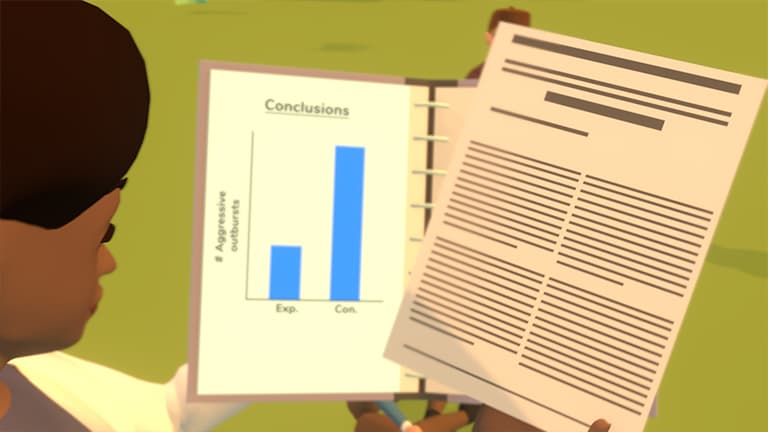
Ever wonder how researchers at Stanford University discovered that meditation reduces stress-related aggression in students? The scientific method biology explained through systematic steps transforms curious observations into reliable knowledge. This structured approach guides researchers from initial observations through hypothesis formation, controlled experimentation, and data analysis to reach evidence-based conclusions. For example, studying whether mindfulness training affects student behavior requires careful variable control and statistical analysis. Watch the full video on JoVE Coach to master this concept with expert-led visuals and step-by-step explanations.
The scientific method represents biology's most powerful tool for understanding natural phenomena through systematic investigation. This evidence-based approach transforms everyday observations into reliable scientific knowledge by following structured steps that minimize bias and maximize reproducibility. From medical research at Johns Hopkins to ecological studies in Yellowstone National Park, the scientific method ensures that discoveries can be verified and built upon by other researchers.
The science method steps explained begin with observation, where researchers notice patterns or phenomena requiring explanation. For instance, marine biologists at the Scripps Institution might observe unusual algae blooms affecting California coastlines. This leads to questioning, where researchers formulate specific inquiries about cause-and-effect relationships.
Hypothesis formation follows, creating testable predictions based on existing knowledge. A hypothesis about algae blooms might predict that increased water temperature correlates with bloom intensity. These hypotheses often connect to established theories-like Darwin's theory of natural selection or cell theory-providing broader scientific context.
The experimental scientific method requires careful planning to test hypotheses effectively. Researchers must identify and define their controlled variable scientific parameters, establishing clear operational definitions. The independent variable represents what researchers manipulate (such as temperature in algae studies), while the dependent variable measures the outcome (bloom size or toxin production).
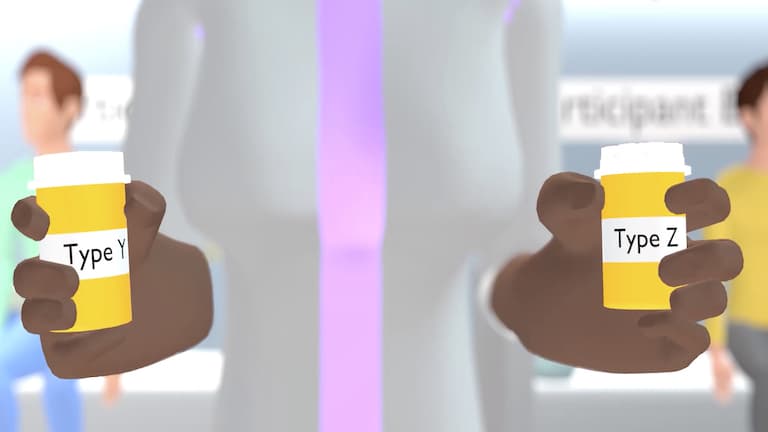
Control groups prove essential for valid conclusions. In pharmaceutical trials conducted by companies like Pfizer or Moderna, control groups receive placebials while experimental groups receive the actual treatment. This comparison isolates the treatment's effect from other variables.
Data analysis conclusion method involves statistical evaluation to determine whether results support or refute the hypothesis. Modern researchers use software like R or Python to analyze complex datasets, applying statistical tests appropriate for their data type and research design.
Scientific communication through peer-reviewed journals ensures that findings undergo rigorous evaluation before acceptance. This process, exemplified by publications in journals like *Nature* or *Science*, maintains scientific integrity and allows other researchers to replicate studies.
Related Micro-courses