Loading subject page…


348,602 views

Video Summary: What Is Cause and Effect
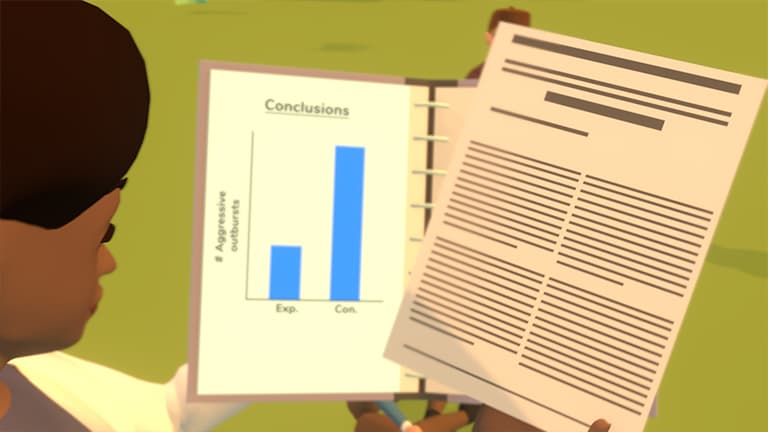
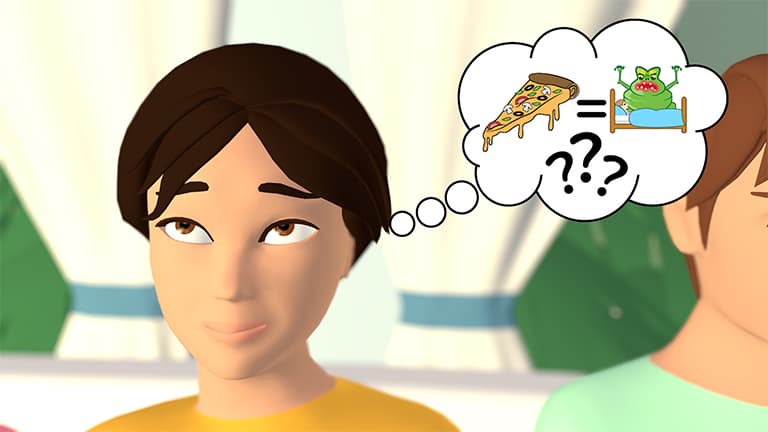
Ever wonder if eating pizza before bed really causes nightmares, or if it's just coincidence? Cause and effect relationships are everywhere, but proving them requires careful scientific investigation. Take the common belief that late-night eating disrupts sleep-while many Americans experience this, only controlled experiments can establish true causation. Researchers use experimental designs with control groups and random assignment to isolate variables and eliminate confounding factors. Watch the full video on JoVE Coach to master this concept with expert-led visuals and step-by-step explanations.
Cause and effect represents one of the most fundamental concepts in scientific inquiry-the idea that one event or condition directly produces another. While we encounter apparent cause-and-effect relationships daily, establishing true causation requires rigorous scientific methodology that goes far beyond simple observation or correlation.
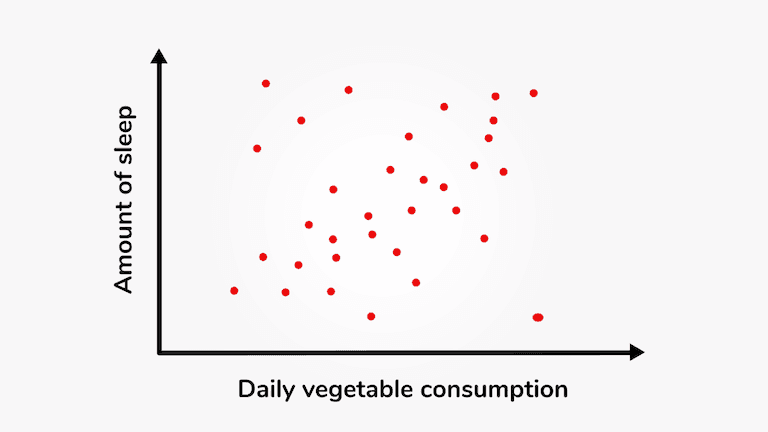
Many students initially confuse correlation with causation. Consider how ice cream sales and drowning incidents both increase during summer months-they're correlated, but ice cream doesn't cause drowning. Instead, warm weather causes both phenomena. This cause and effect concept illustrates why researchers must carefully design experiments to isolate true causal relationships from mere associations.
In academic settings, understanding causation becomes crucial for AP Psychology, AP Statistics, and college research methods courses. The MCAT frequently tests students' ability to distinguish between correlational and experimental evidence, making this concept essential for pre-med students.
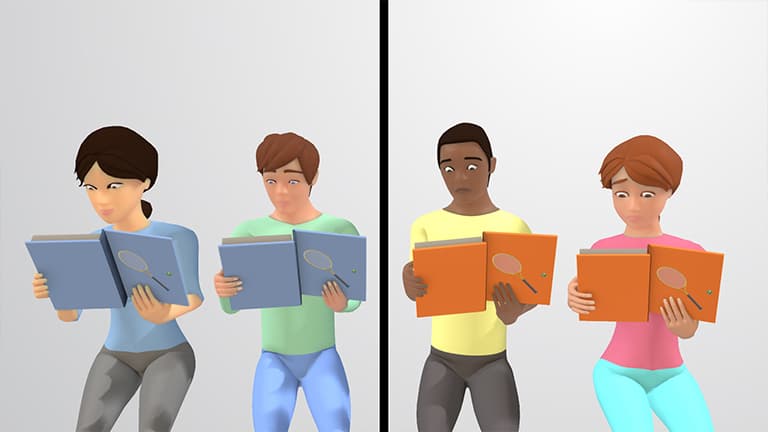
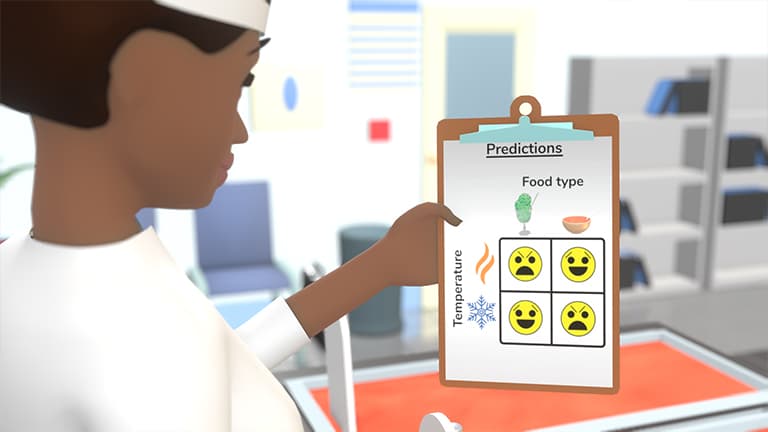
Sound experimental design requires three key elements: manipulation of an independent variable, measurement of a dependent variable, and control of confounding factors. The cause and effect basics involve randomly assigning participants to experimental and control groups, ensuring that any observed differences result from the manipulation rather than pre-existing differences between groups.
Consider how pharmaceutical companies test new medications. They can't simply observe that people taking a drug recover faster-they must compare recovery rates between treatment and placebo groups while controlling for factors like age, health status, and lifestyle. This rigorous approach, fundamental to FDA approval processes, demonstrates practical applications of cause-and-effect thinking in American healthcare.
Understanding causation extends beyond laboratory settings into everyday decision-making. When evaluating claims about educational interventions, dietary supplements, or economic policies, critical thinkers apply cause-and-effect principles to assess evidence quality. This cause and effect overview proves invaluable for students preparing for standardized tests, where data interpretation questions frequently require distinguishing between strong and weak causal evidence.
For exam preparation, focus on identifying study designs that can versus cannot establish causation, recognizing confounding variables, and explaining why random assignment strengthens causal conclusions.
Related Micro-courses