15 Concepts
24 Concepts
13 Concepts
6 Concepts
18 Concepts
25 Concepts
6 Concepts
9 Concepts
7 Concepts
5 Concepts
4 Concepts
5 Concepts
6 Concepts
5 Concepts
19 Concepts
Self-concept psychology examines how individuals develop and maintain their sense of identity through cognitive self-schemas, social interactions, and cultural influences. This comprehensive course explores identity formation from childhood through adulthood, covering self-esteem and identity development, self-presentation strategies, and impression management techniques. Students will discover how self-concept develops in psychology through biological foundations, social feedback mechanisms, and digital communication platforms. With JoVE Coach, master these essential psychological concepts that shape human behavior and social relationships.
1. Biological and Cognitive Foundations of Self-Concept Self-concept psychology begins with understanding the neurological basis of identity, including the right hemisphere's role in self-recognition and the medial prefrontal cortex's integration of self-awareness. Self-schemas serve as cognitive frameworks that organize beliefs about personal attributes, social identities, and behavioral patterns. For example, a student with an academic self-schema readily notices educational opportunities, seeks information about college admissions, and recalls study-related experiences more efficiently than peers without this schema. These cognitive structures influence how individuals process self-relevant information and make decisions about their behavior and goals.
2. Cultural Influences on Identity Development How self-concept develops in psychology varies significantly across cultural contexts, particularly between individualistic and collectivistic societies. In individualistic cultures like the United States, identity emphasizes personal traits, achievements, and independence-American students typically describe themselves using attributes like "creative" or "ambitious." Conversely, collectivistic cultures prioritize interdependence and group relationships, with individuals defining themselves through social roles and family connections. These cultural differences shape self-esteem and identity formation, influencing everything from career choices to relationship patterns. Understanding cultural variations helps explain diverse approaches to self-presentation and social behavior in multicultural American classrooms and workplaces.
3. Social Development and the Looking-Glass Self Charles Cooley's looking-glass self theory explains how self-concept emerges through social interactions and perceived judgments of others. Children develop identity by imagining how others view them, interpreting feedback, and experiencing emotional responses like pride or shame. George Herbert Mead expanded this concept through his play and game stages, where children learn role-taking by first imitating simple roles (play stage) then coordinating multiple perspectives simultaneously (game stage). For instance, a young basketball player must understand teammates' and opponents' roles while making split-second decisions. This social foundation of self-development continues throughout life as individuals incorporate feedback from parents, teachers, peers, and digital communities.
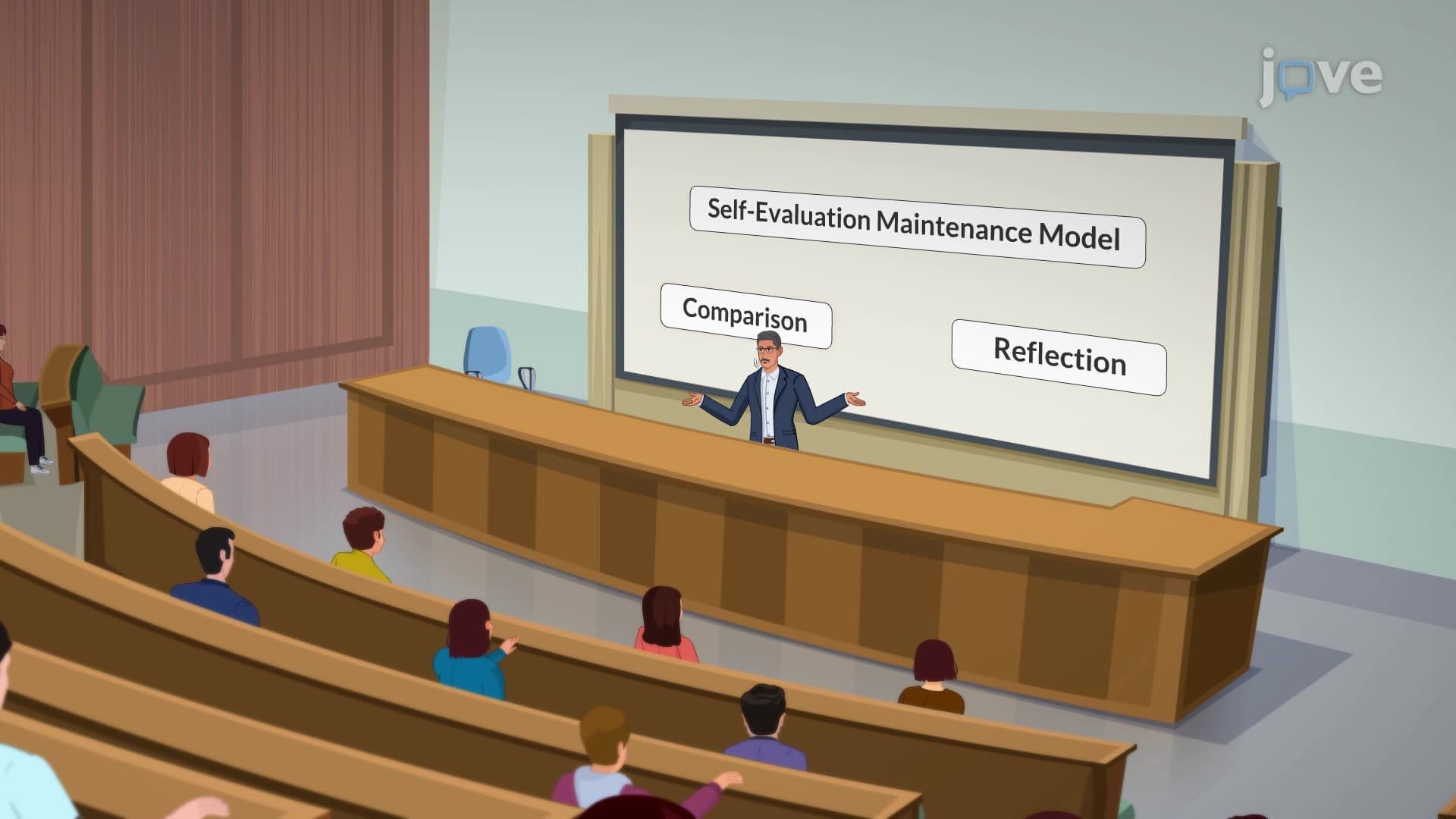
4. Self-Evaluation and Identity Maintenance Self-evaluation processes shape how individuals assess their abilities, behaviors, and worth based on personal standards and external feedback. The self-evaluation maintenance model demonstrates how people regulate self-esteem through comparison and reflection processes with others. When a close friend excels in an area important to one's identity, it may trigger comparison (threatening self-esteem) or reflection (enhancing self-esteem through association). For example, if two pre-med students are close friends and one scores significantly higher on the MCAT, the other might feel threatened (comparison) or proud of their friend's success (reflection), depending on how central academic achievement is to their self-concept.
5. Digital Identity and Modern Self-Presentation Computer-mediated communication has transformed how self-concept develops in psychology, creating digital selves with unique characteristics. Unlike face-to-face interactions, online self-presentation lacks non-verbal cues, allowing individuals to carefully craft their identity through posts, photos, and profiles. The digital self is inwardly oriented (focusing on personal experiences), narrative-driven (maintaining consistent online personas), retractable (editable and deletable), and multiplied (through various social media accounts). American teenagers often maintain different Instagram accounts for family, close friends, and acquaintances, demonstrating how digital platforms enable multiple self-presentations. This evolution affects psychological self-perception and social relationships in unprecedented ways.
6. Strategic Self-Presentation and Impression Management Self-presentation involves conscious and unconscious efforts to control how others perceive us through appearance, behavior, and communication. Strategic approaches include self-promotion (highlighting achievements), ingratiation (seeking approval through flattery or agreement), and self-verification (confirming existing self-perceptions). Self-monitoring describes individual differences in adapting behavior to social contexts-high self-monitors adjust their presentation based on audience expectations, while low self-monitors maintain consistency across situations. For example, a job candidate might emphasize leadership experience during interviews while downplaying the same qualities in peer interactions. These impression management techniques significantly impact academic, professional, and social success in American society.