Loading concepts…


15 Concepts
24 Concepts
13 Concepts
6 Concepts
18 Concepts
25 Concepts
6 Concepts
9 Concepts
7 Concepts
5 Concepts
4 Concepts
5 Concepts
6 Concepts
5 Concepts
19 Concepts
 18 Concepts
 1.7K Views
 Popular topics














Social perception encompasses how we observe, interpret, and understand other people's behaviors, emotions, and intentions. This comprehensive course explores the psychological processes behind person perception psychology, examining nonverbal communication channels, attribution theories, and cognitive biases that shape our judgments. Through JoVE Coach's interactive approach, students will master how we perceive and judge other people using real-world American scenarios from classrooms to courtrooms.
1. Fundamentals of Social Perception and Nonverbal Communication Social perception forms the foundation of human interaction, involving how we gather and interpret information about others. The four primary channels of nonverbal communication-facial expressions, eye contact, body language, and touch-transmit crucial emotional and intentional information. Research demonstrates that facial expressions for five universal emotions (anger, fear, happiness, sadness, disgust) are recognized across cultures, though interpretations vary. Paralanguage elements like pitch, loudness, and pauses often convey more emotional information than spoken words themselves, making nonverbal cues essential for accurate social perception and relationship building in American social contexts.
2. Deception Detection and Dark Triad Personality Traits Deception occurs in approximately 20% of social interactions, yet most people struggle with detection due to assumptions of truthfulness and reliance on personal lying definitions. Key indicators include microexpressions, voice pitch variations, delayed responses, and body language inconsistencies. Individuals with dark triad traits (psychopathy, Machiavellianism, narcissism) demonstrate unique person perception patterns, showing negative other bias where they perceive others as emotionally vulnerable and less agreeable. Research indicates that while Machiavellians and psychopaths receive more negative evaluations, narcissists are often perceived as more likable and intelligent, affecting workplace dynamics and interpersonal relationships throughout American society.
3. Attribution Theories: Understanding Behavioral Causation Attribution involves determining whether behaviors stem from internal personality traits or external situational factors. Correspondent inference theory explains how voluntary, norm-breaking behaviors with noncommon effects provide greater insight into personality traits. Kelley's covariation theory uses three factors-consensus (how others react), consistency (repeated individual responses), and distinctiveness (situation-specific reactions)-to determine attribution type. For example, if only one student struggles with a Harvard entrance exam (low consensus), repeatedly fails multiple tests (high consistency), but excels in other subjects (high distinctiveness), the attribution would likely be external, suggesting exam-specific difficulties rather than general academic inability.
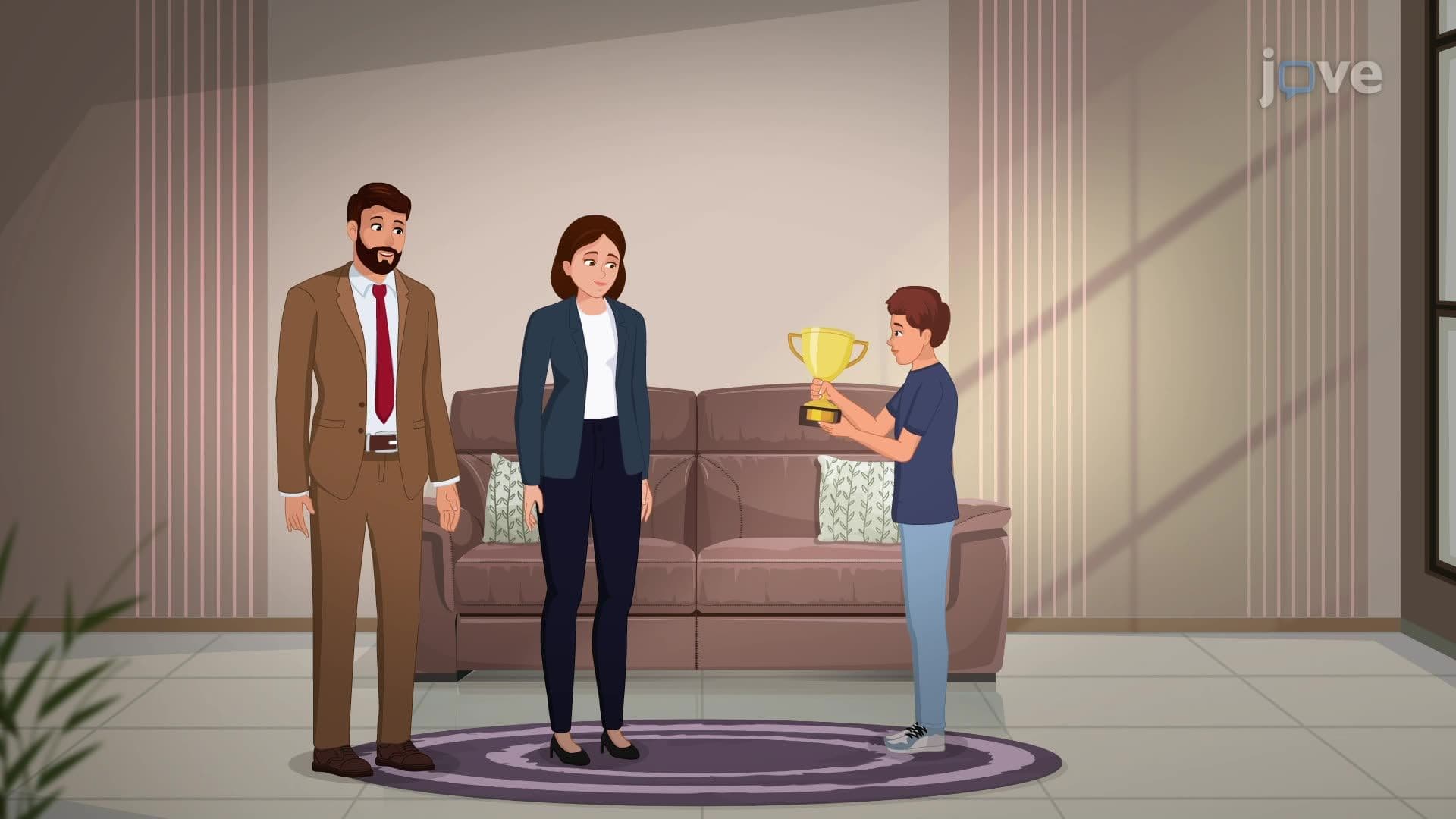
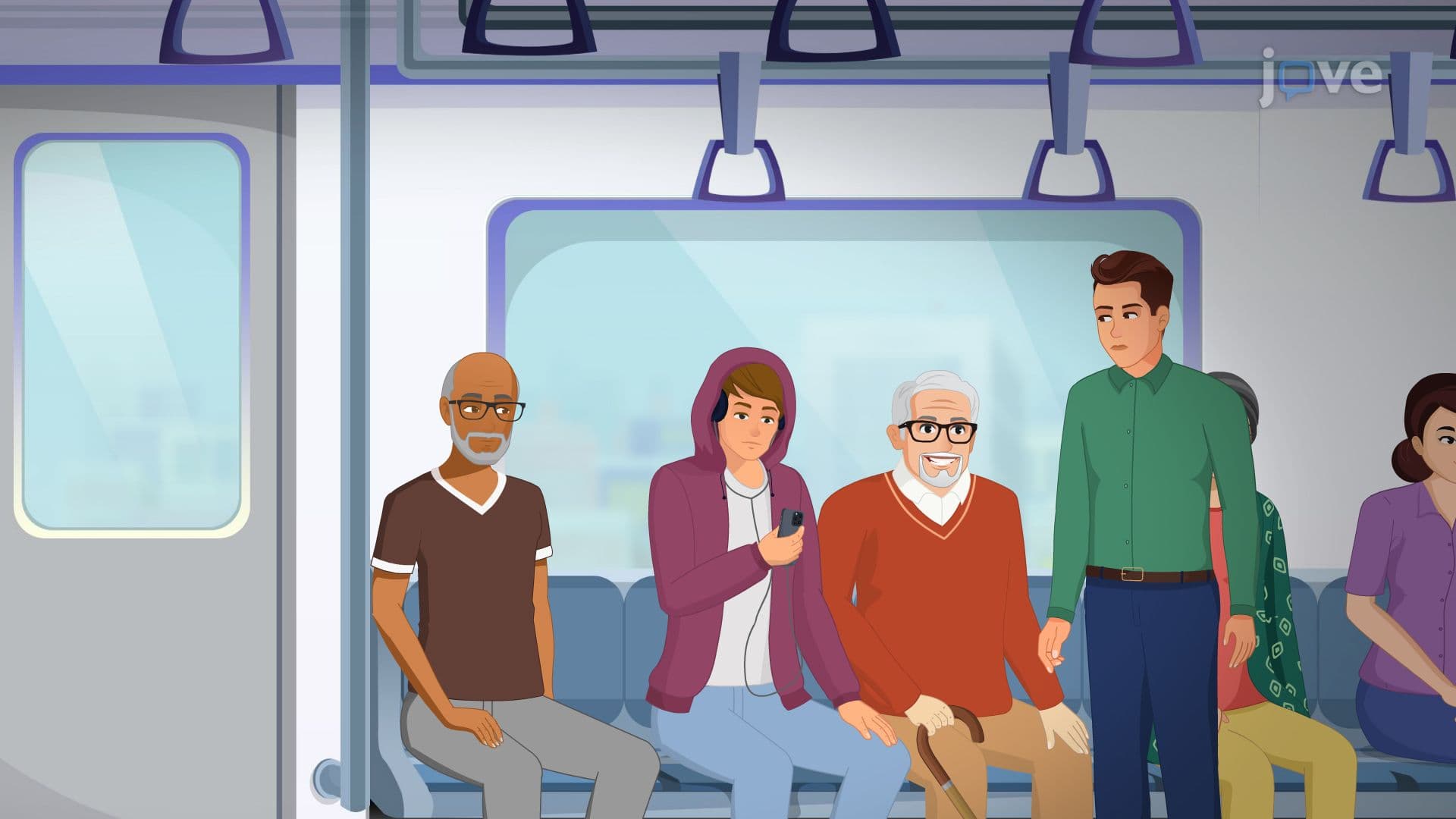
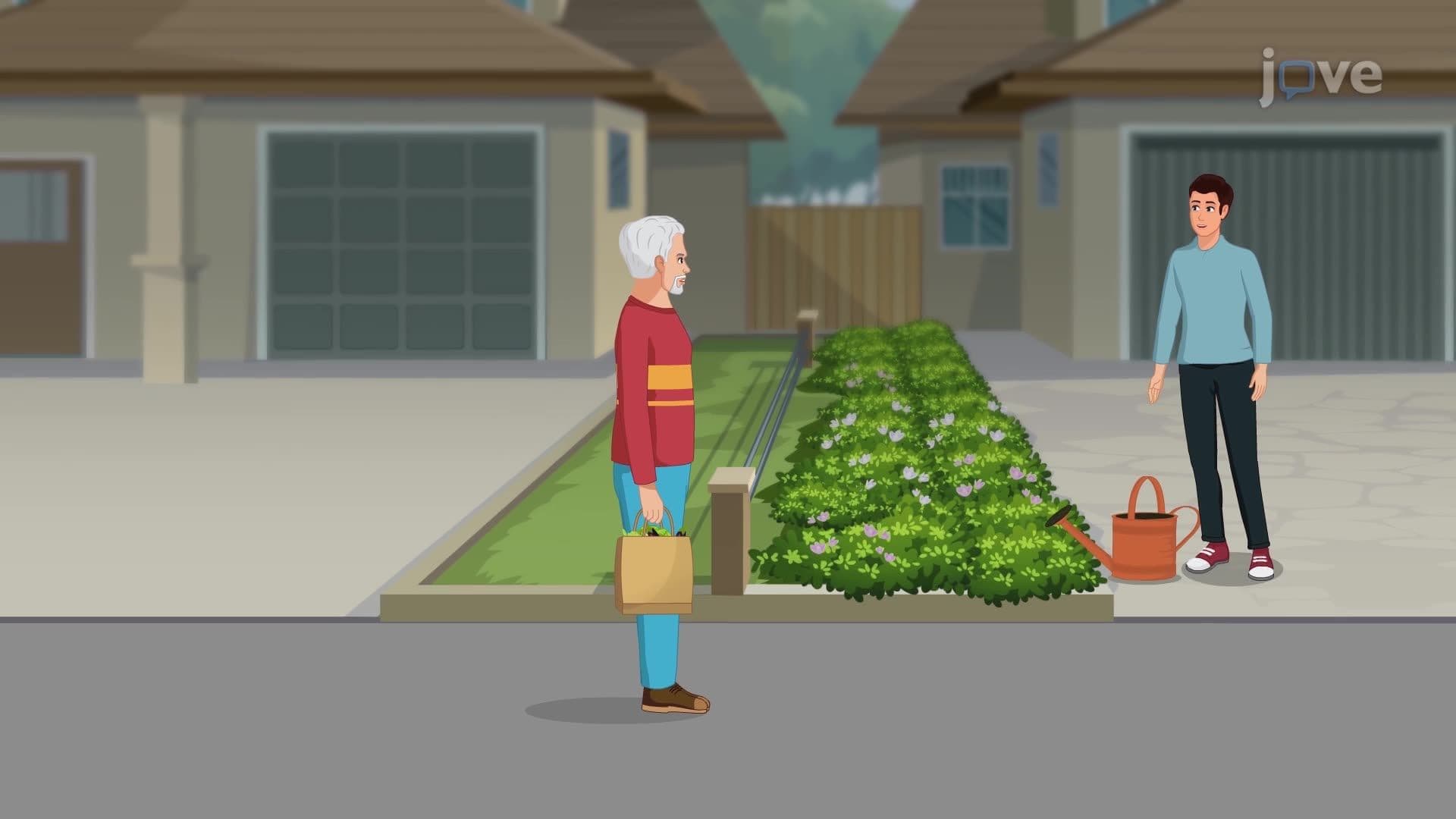
4. Attribution Biases and Cultural Influences Multiple biases distort our attribution processes, significantly impacting social perception accuracy. Correspondence bias (fundamental attribution error) leads Americans to overattribute others' behaviors to personality while underestimating situational factors, contrasting with collectivist cultures that emphasize context. The actor-observer effect causes individuals to explain their own actions through external circumstances while attributing others' behaviors to internal traits. Self-serving bias drives people to credit successes to personal abilities and blame failures on external factors. These biases appear more prominently in individualistic Western cultures, affecting everything from classroom evaluations to courtroom judgments across American institutions.
5. Cognitive Shortcuts: Halo Effect and Implicit Personality Theories The halo effect demonstrates how overall impressions influence specific trait judgments, significantly impacting hiring decisions, academic evaluations, and legal proceedings in American contexts. Implicit personality theories create networks of assumed trait connections, where perceiving someone as "warm" versus "cold" dramatically alters impressions of their humor, generosity, and competence. Trait centrality research reveals that certain characteristics like warmth carry disproportionate weight in impression formation. The stereotype content model identifies warmth and competence as primary judgment dimensions, helping explain how first impressions form rapidly and influence subsequent social interactions, from job interviews to college admissions processes.