Loading concepts…


15 Concepts
24 Concepts
13 Concepts
6 Concepts
18 Concepts
25 Concepts
6 Concepts
9 Concepts
7 Concepts
5 Concepts
4 Concepts
5 Concepts
6 Concepts
5 Concepts
19 Concepts
 25 Concepts
 2K Views
 Popular topics










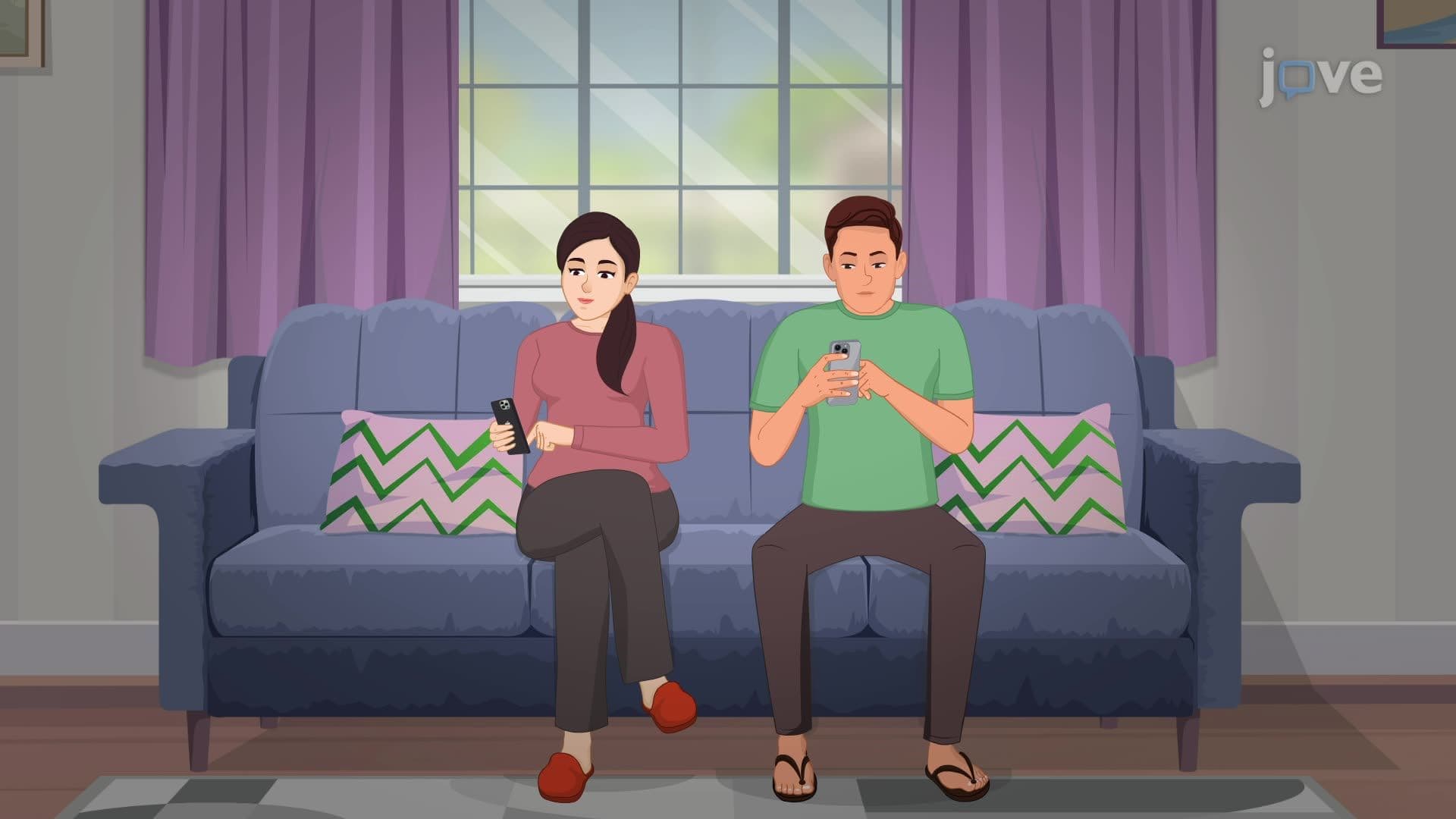





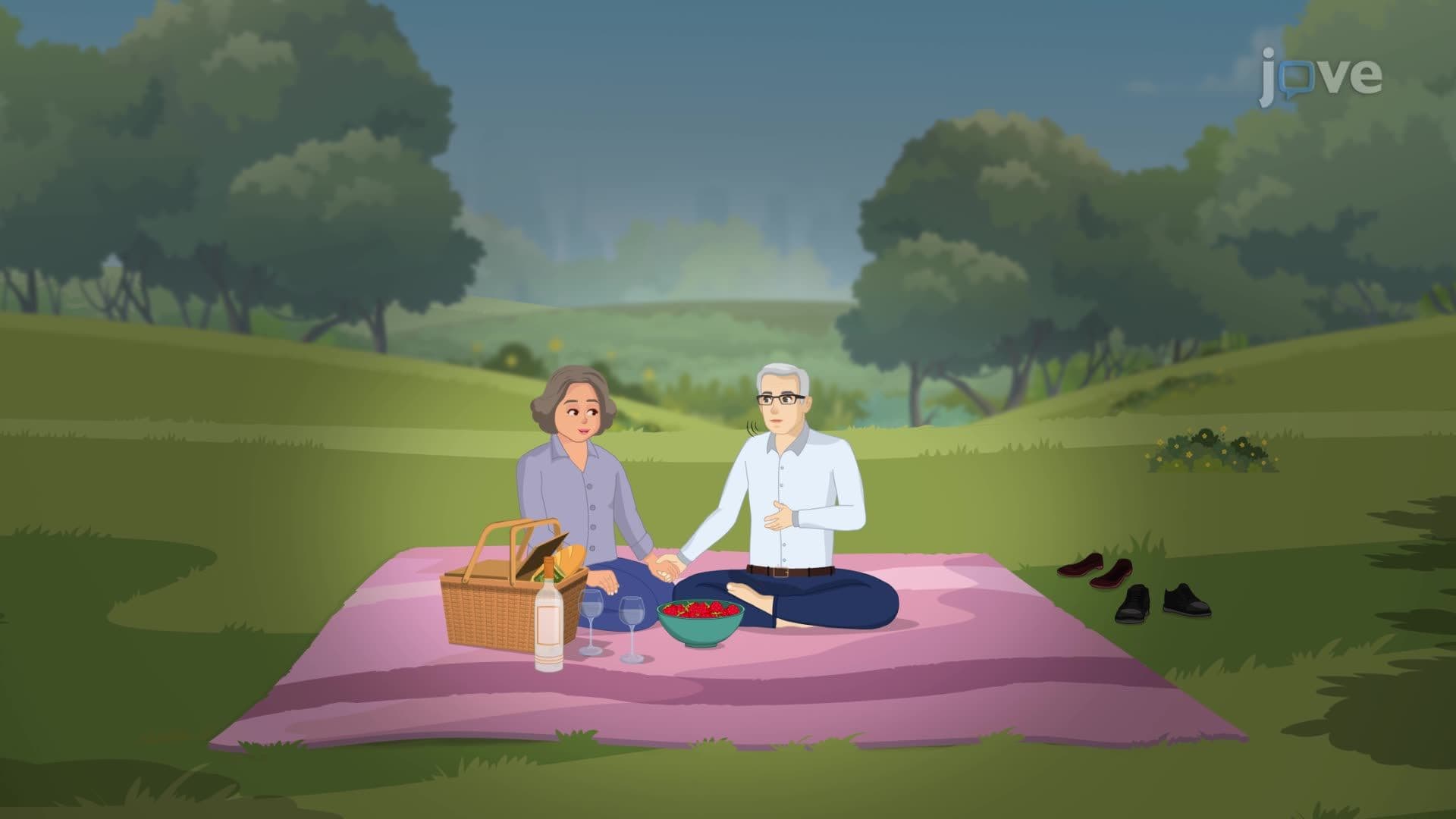
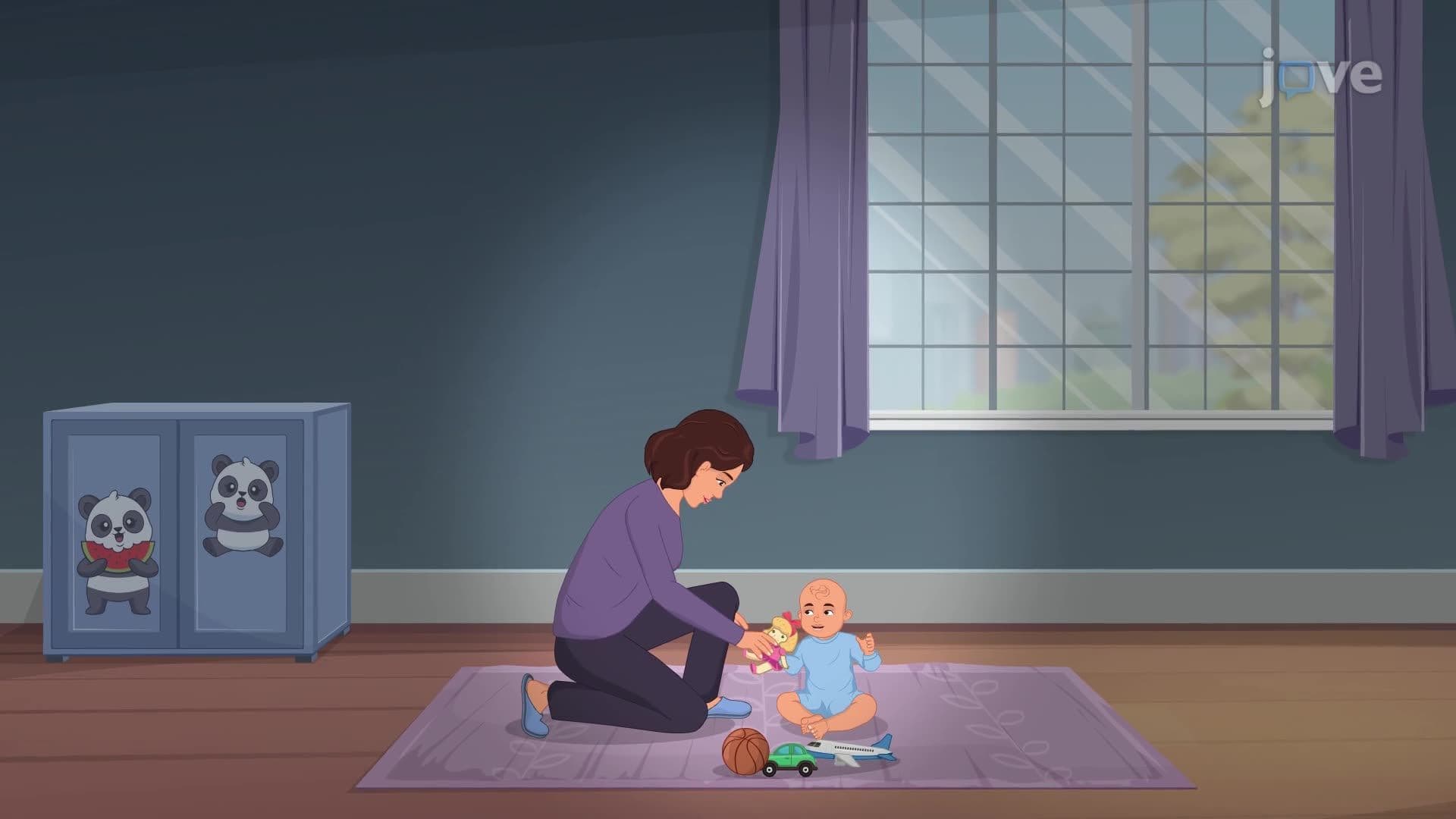
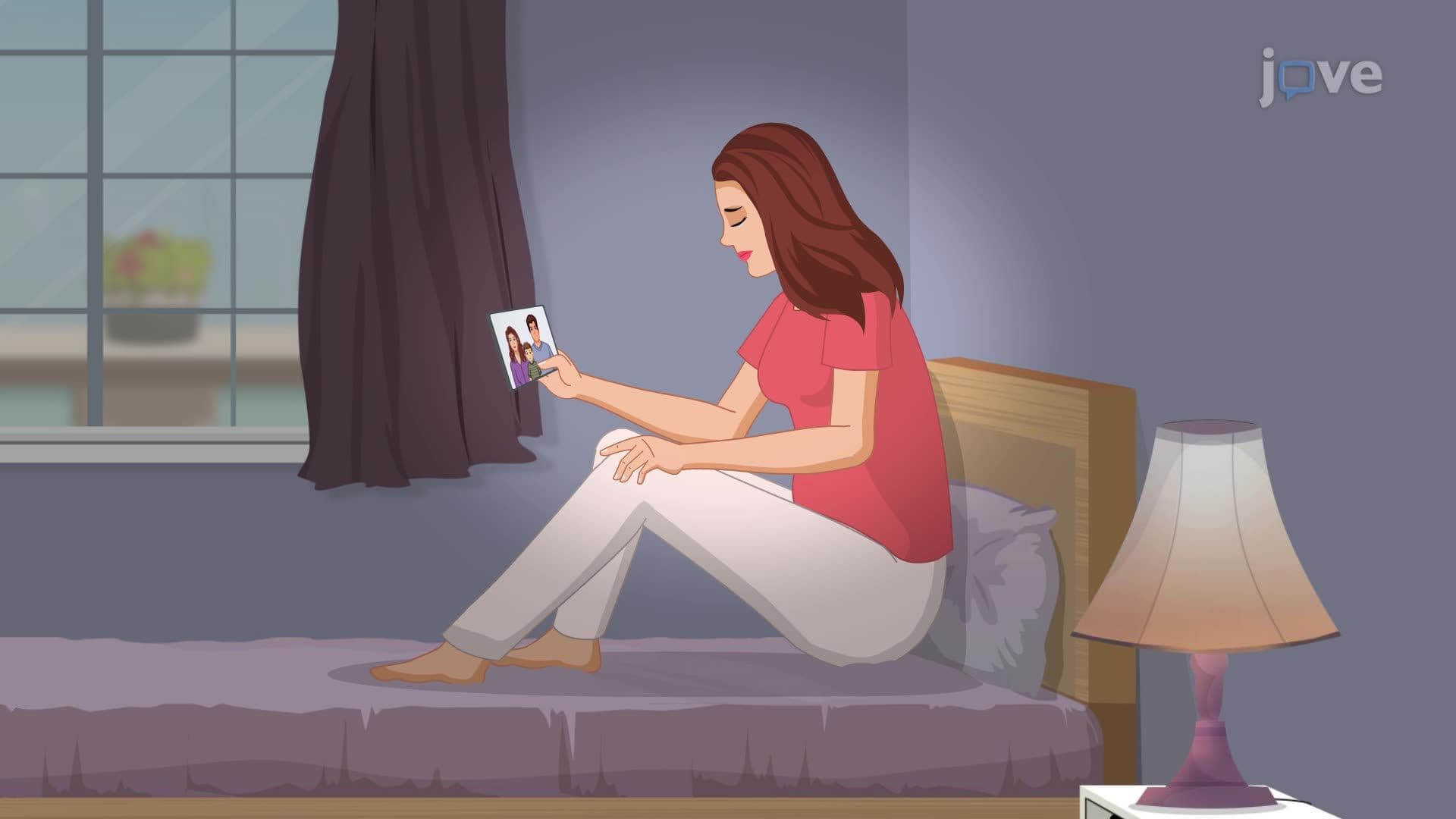
Interpersonal attraction psychology explores the fundamental human drive to form social connections and the scientific factors that influence who we're drawn to. This comprehensive course examines how proximity, similarity, physical attractiveness, attachment relationships, and reciprocity shape our liking, love, and relationship formation patterns. Students will discover evidence-based principles that govern everything from friendships to romantic partnerships using real-world applications. Master these psychological concepts with JoVE Coach's expert guidance.
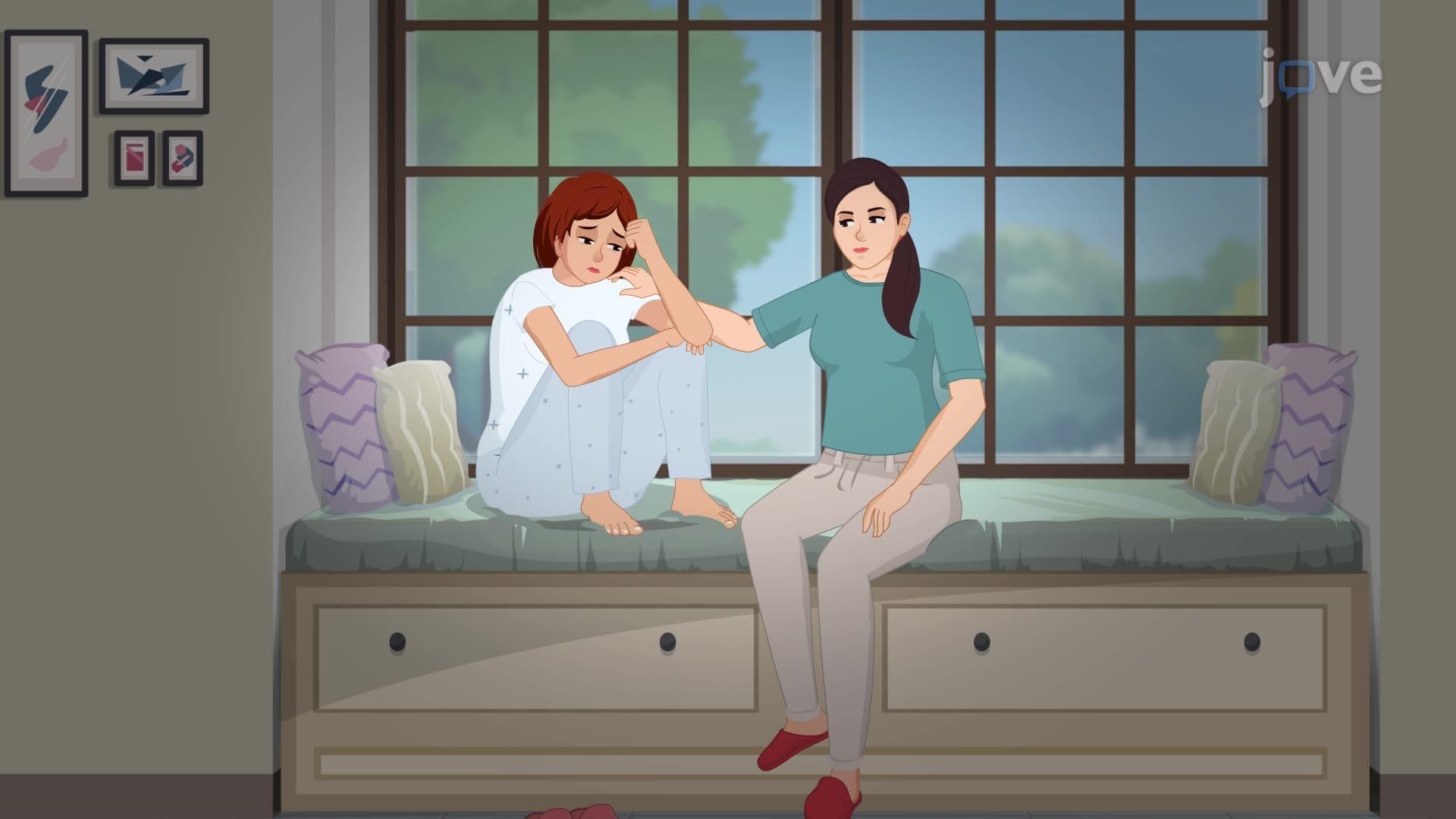
1. Foundations of Interpersonal Attraction The psychology of attraction begins with understanding humans as fundamentally social beings with an innate need for affiliation. This drive varies among individuals due to genetic and environmental factors, creating stable personality differences. Situational factors like stress, loneliness, and feelings of powerlessness can intensify our need for social connection. Classic studies demonstrate how students expecting painful experiences prefer waiting with others in similar situations rather than alone, highlighting how stress drives social affiliation and the universal human need for belonging and emotional support.
2. Proximity and the Mere Exposure Effect Physical and psychological proximity significantly influences relationship formation through increased interaction opportunities. The mere exposure effect shows that repeated exposure to neutral or positive stimuli increases liking - explaining why teaching assistants who attend class more frequently are rated as more attractive. However, if initial impressions are negative, repeated exposure can decrease attraction. Modern social media has expanded proximity's definition, creating virtual familiarity that influences attraction patterns. College roommates and classmates often develop friendships simply through consistent physical closeness and shared experiences.
3. Physical Attractiveness and Social Perception Physical attractiveness powerfully impacts first impressions and social evaluations through the "what is beautiful is good" stereotype. The matching hypothesis suggests people choose romantic partners with similar attractiveness levels, with research showing couples of comparable attractiveness develop deeper feelings over time. Attractive individuals often receive advantages in job interviews and leadership perceptions, but also face higher standards, objectification, and assumptions about shallow personality traits. These effects demonstrate how physical appearance creates both opportunities and challenges in social interactions.
4. Similarity and Complementarity in Relationships The similarity-dissimilarity effect explains our tendency to like those who share our attitudes, beliefs, and values while disliking those who differ significantly. Balance theory suggests we seek cognitive consistency in relationships, creating emotional fulfillment through shared perspectives. Social comparison theory and consensual validation help explain why similarity attracts - we use others' agreement to validate our beliefs and assess their social acceptability. While the complementarity hypothesis suggests opposites might attract, research consistently shows similarity plays a greater role in long-term relationship stability than complementary differences.
5. Reciprocity and Social Skills in Attraction Reciprocal liking creates psychological balance and positive emotions, with people naturally gravitating toward those who express genuine interest in them. Interestingly, uncertainty about someone's feelings can intensify attraction by keeping them frequently in our thoughts. Gradual expressions of affection often prove more appealing than immediate intense liking. Essential social skills include social astuteness (reading interpersonal cues), interpersonal influence (persuasion abilities), social adaptability (adjusting to different environments), and expressiveness (clear emotional communication). These skills enhance attractiveness across romantic, professional, and social contexts.
6. Love, Attachment, and Relationship Development Psychology distinguishes between passionate love (intense, physiologically arousing) and companionate love (deep, enduring affection based on trust and commitment). Passionate love activates brain reward centers but typically peaks and declines, while companionate love remains stable and often deepens over time. Adult attachment styles - secure, anxious, and avoidant - stem from early caregiver relationships and influence romantic relationship patterns. Secure attachment promotes healthy relationships, while insecure styles can create difficulties with trust, intimacy, and emotional regulation in adult partnerships.
7. Relationship Dynamics and Theoretical Frameworks Social exchange theory explains relationship satisfaction through cost-benefit analysis, where individuals evaluate rewards against costs to determine relationship worth. Equity theory emphasizes balanced contributions and benefits between partners, with inequity creating resentment or guilt. Relationship growth involves increasing self-disclosure, building trust, and developing interdependence through shared experiences. The trust-insurance system helps couples unconsciously track and repair relationship imbalances, supporting long-term relationship maintenance and satisfaction through continuous adjustment and mutual support.