Loading concepts…


15 Concepts
24 Concepts
13 Concepts
6 Concepts
18 Concepts
25 Concepts
6 Concepts
9 Concepts
7 Concepts
5 Concepts
4 Concepts
5 Concepts
6 Concepts
5 Concepts
19 Concepts
 4 Concepts
 170.4K Views
 Popular topics

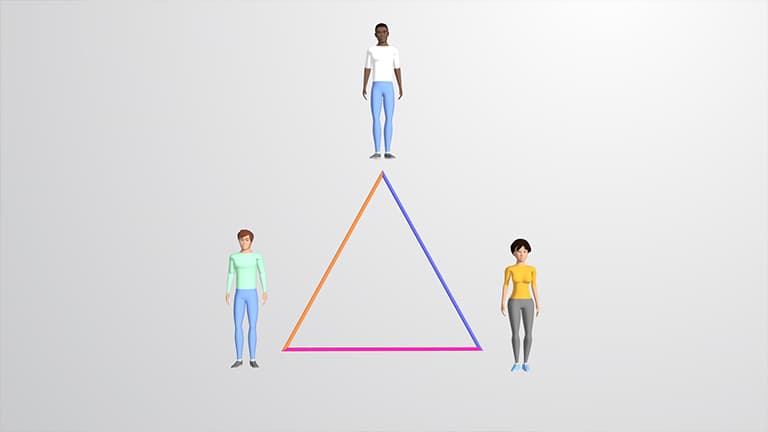

Close relationships form the foundation of human social connection, encompassing everything from friendships to romantic partnerships. This comprehensive course examines how proximity and similarity drive relationship formation, explores social exchange theory's cost-benefit analysis of relationships, delves into Sternberg's three components of love, and investigates how early attachment experiences shape adult romantic relationships psychology. Through JoVE Coach's expert guidance, students will understand the psychological mechanisms underlying intimate and close relationships in American society.
1. Relationship Formation Through Proximity and Similarity The foundation of close relationships begins with two crucial factors: physical proximity and shared characteristics. College students living in the same dormitory are more likely to form friendships due to frequent interactions, demonstrating how proximity facilitates relationship development. The mere exposure effect explains why familiarity breeds liking, students who see each other regularly in classes or campus activities develop stronger bonds. Similarity, or homophily, drives people toward others who share backgrounds, values, and interests. American college students often form close friendships with peers from similar socioeconomic backgrounds or those who enjoy the same music genres, creating strong foundation for lasting relationships.
2. Social Exchange Theory in Close Relationship Dynamics Social exchange theory provides a framework for understanding how people evaluate their close relationships through cost-benefit analysis. In American dating culture, individuals weigh relationship rewards (emotional support, companionship, shared experiences) against costs (time investment, emotional stress, lifestyle compromises). College students might analyze whether their romantic relationships provide sufficient benefits compared to the effort required to maintain them. This rational approach helps explain why some relationships survive while others end, as people seek relationships where rewards outweigh costs and compare current partnerships to past experiences and available alternatives.
3. Sternberg's Triangular Theory of Love Components Robert Sternberg's influential theory identifies three fundamental components that combine to create different types of love in close relationships. Intimacy involves emotional closeness, self-disclosure, and deep friendship bonds commonly seen in long-term American marriages. Passion encompasses physical and romantic attraction, often intense in new relationships among college students. Commitment represents the cognitive decision to maintain a relationship, crucial for American couples navigating challenges like long-distance relationships during military deployments. These components combine to form seven love types, from empty love (commitment only) to consummate love (all three components), helping explain the evolution of romantic relationships psychology throughout different life stages.
4. Adult Attachment Styles in Romantic Relationships Psychology Building on childhood attachment research, adult attachment theory explains how early caregiver relationships influence romantic relationships psychology throughout life. Secure attachment, found in approximately 60% of American adults, promotes healthy intimate relationships characterized by trust, effective communication, and emotional support. Avoidant attachment (20% of adults) leads to discomfort with closeness and reluctance to depend on romantic partners, often seen in individuals who prioritize career independence. Anxious attachment (20% of adults) involves fear of abandonment and excessive need for reassurance from partners. Understanding these patterns helps explain relationship satisfaction differences and provides insight into close relationship dynamics in American society.