Loading concepts…


15 Concepts
24 Concepts
13 Concepts
6 Concepts
18 Concepts
25 Concepts
6 Concepts
9 Concepts
7 Concepts
5 Concepts
4 Concepts
5 Concepts
6 Concepts
5 Concepts
19 Concepts
 7 Concepts
 143K Views
 Popular topics


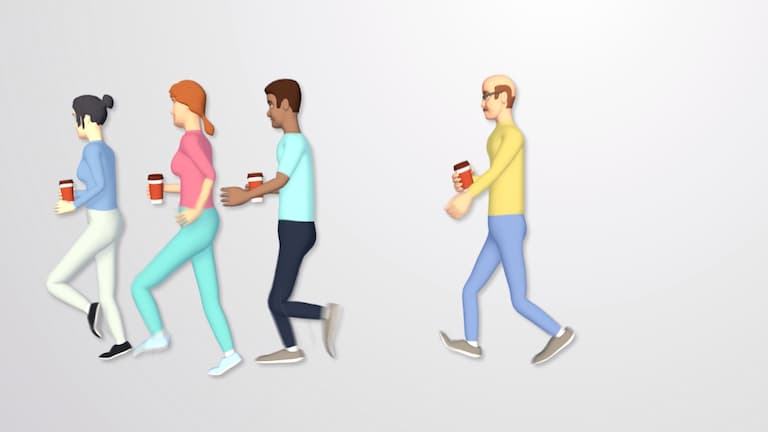



Understanding psychology reveals how we interpret and influence human behavior through powerful social mechanisms. This JoVE Coach micro-course explores attribution theory, conformity, obedience, and unconscious mimicry, examining landmark studies like Milgram's authority experiments and the Stanford Prison Experiment to demonstrate how situational factors shape actions in American society.
1. Attribution Theory and Social Judgment Attribution theory explains how Americans interpret others' actions by attributing behavior to either personal characteristics or situational circumstances. When someone cuts in line at a busy Starbucks, observers might blame rudeness (dispositional attribution) rather than considering they might be rushing to catch a flight (situational attribution). This psychological framework helps explain workplace conflicts, relationship misunderstandings, and social tensions in diverse American communities. Understanding attribution patterns improves empathy and reduces prejudicial thinking in educational, professional, and social settings across the United States.
2. Fundamental Attribution Error in American Society The fundamental attribution error represents Americans' tendency to overemphasize personality-based explanations while underestimating situational factors when judging others' negative behaviors. This bias appears prominently in attitudes toward homelessness, academic failure, or unemployment, where observers blame individual character flaws rather than systemic issues like housing costs, learning disabilities, or economic downturns. However, when explaining their own struggles, people readily cite external circumstances. This self-serving bias protects self-esteem but hinders accurate social perception and compassionate policy-making in American institutions.
3. Stanford Prison Experiment and Role-Based Behavior Philip Zimbardo's controversial 1971 Stanford Prison Experiment demonstrated how assigned social roles rapidly transform ordinary college students into authoritarian guards and submissive prisoners. Within days, participants embraced their roles so completely that ethical concerns forced early termination. This landmark study reveals how institutional structures in American prisons, schools, hospitals, and military organizations can corrupt individual behavior through role expectations. The experiment highlights the dangerous potential of unchecked authority and the importance of ethical oversight in American institutional design and management.
4. Conformity and Group Pressure Dynamics Conformity describes how Americans modify their behavior to match group norms, whether crossing streets illegally when others do or adopting fashion trends in high school hallways. This social influence operates through normative influence (fear of social rejection) and informational influence (using others as behavioral guides). Conformity shapes everything from teenage peer pressure in American schools to workplace cultures in corporate America. Understanding these mechanisms helps individuals recognize when group pressure compromises personal values and empowers more conscious decision-making in social situations.
5. Obedience to Authority and Destructive Compliance Milgram's obedience experiments revealed that 65% of ordinary Americans would administer potentially lethal electric shocks when commanded by an authority figure, despite personal moral objections. This research explains tragic events like military atrocities and corporate scandals where individuals "just followed orders." The studies demonstrate how perceived legitimacy of authority, gradual escalation of demands, and diffusion of responsibility enable destructive obedience. These findings inform training programs for American healthcare workers, military personnel, and corporate employees to recognize and resist unethical commands.
6. Nonconscious Mimicry and Automatic Social Synchronization Nonconscious mimicry describes how Americans unconsciously copy others' gestures, expressions, and postures during social interactions, creating behavioral synchrony without awareness or intention. This automatic process facilitates social bonding in American classrooms, boardrooms, and community gatherings. Research shows people mimic behaviors most relevant to their current emotional state, explaining how positive attitudes spread through sports teams or how anxiety ripples through hospital waiting rooms. Understanding mimicry helps Americans recognize mood contagion effects and consciously choose social environments that promote desired emotional states.