Loading concepts…


15 Concepts
24 Concepts
13 Concepts
6 Concepts
18 Concepts
25 Concepts
6 Concepts
9 Concepts
7 Concepts
5 Concepts
4 Concepts
5 Concepts
6 Concepts
5 Concepts
19 Concepts
 6 Concepts
 174.9K Views
 Popular topics
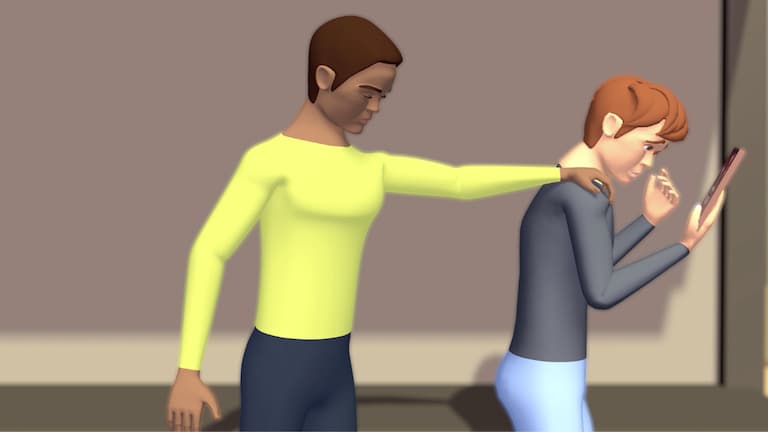




Helping and hurting represent fundamental aspects of human social behavior that shape our daily interactions and society. This comprehensive course explores the psychology of altruism and aggressive behavior, examining how prosocial behavior emerges alongside harmful actions in American communities. From understanding the bystander effect during campus emergencies to analyzing aggression frustration in school settings, students will discover the psychological mechanisms that drive both compassionate assistance and destructive behaviors through JoVE Coach's evidence-based approach.
1. Egoism versus Altruism in Helping Behavior The fundamental distinction between self-interested and selfless helping reveals the complex motivations behind prosocial behavior. According to the arousal cost-reward model, Americans often weigh potential benefits like community recognition against risks such as personal injury before helping others. The negative state relief model explains how individuals may help hurricane victims or homeless populations primarily to alleviate their own guilt or sadness. True altruism, however, involves helping others without expectation of personal gain, such as anonymous donations to food banks or volunteering at animal shelters. Research shows that personality traits like agreeableness influence helping tendencies, while compassion training programs in American schools and workplaces can shift individuals toward more altruistic responses.
2. Empathy and Emotional Understanding Empathy serves as the psychological bridge between observing others' experiences and responding appropriately to their needs. Affective empathy involves actually feeling what another person experiences, such as a teacher feeling genuine sadness when comforting a grieving student. Cognitive empathy requires understanding others' emotional states from their perspective, like recognizing a classmate's anxiety during standardized testing without necessarily feeling anxious yourself. American research demonstrates that empathy can be both positive, such as sharing in a friend's college acceptance joy, and negative, such as experiencing distress when witnessing bullying. However, empathy has limitations-people typically empathize more with those similar to themselves, and excessive empathy can lead to emotional burnout among healthcare workers and social service providers.
3. Social Traps and Collective Conflicts Social traps occur when individual rational decisions create collective problems, illustrating the tension between personal and group welfare in American society. Rush-hour traffic exemplifies this phenomenon-each driver choosing the fastest route creates system-wide congestion that delays everyone. Environmental issues like water usage during California droughts represent larger-scale social traps where individual conservation efforts conflict with personal convenience. These situations often escalate into social conflicts when groups perceive incompatible goals or actions. American communities address social traps through policy interventions like carpool lanes, staggered work schedules, or carbon pricing. Understanding these dynamics helps explain everything from overcrowded national parks to competition for limited college admissions spots, emphasizing the importance of considering collective outcomes alongside individual benefits.
4. Aggression: Hostile and Instrumental Forms Aggression encompasses any behavior intended to harm someone who wishes to avoid that harm, manifesting in distinct forms throughout American society. Hostile aggression stems from anger and frustration, such as road rage incidents during traffic jams or heated arguments between sports fans after disappointing game outcomes. This type often involves violence and serves no purpose beyond expressing negative emotions. Instrumental aggression uses harm as a means to achieve specific goals, exemplified by corporate espionage, theft, or strategic fouling in basketball games. Both forms appear in American schools, workplaces, and communities, with consequences ranging from damaged relationships to legal penalties. Effective aggression reduction strategies include engaging in incompatible behaviors like exercise or meditation, removing triggering environmental factors, and developing better emotional regulation skills through counseling or anger management programs.
5. Bullying: Physical, Verbal, and Cyber Forms Bullying represents a complex form of interpersonal aggression characterized by intentional harm, power imbalances, and repeated occurrence across American educational settings. Traditional bullying includes physical acts like shoving classmates, verbal abuse such as name-calling or threats, and psychological manipulation through exclusion or rumor-spreading. The digital age has introduced cyberbullying, where students use social media platforms, text messaging, or online gaming to harass peers continuously. American schools report that approximately 20% of students experience bullying, with significant impacts on academic performance, mental health, and social development. Successful intervention requires comprehensive approaches involving teachers, parents, bystanders, and school administrators. Bystander training programs teach students to recognize bullying situations and respond appropriately, while restorative justice approaches help bullies understand their impact and develop empathy for victims.
6. Bystander Effect and Diffusion of Responsibility The bystander effect demonstrates how the presence of others can paradoxically reduce helping behavior during emergencies, as illustrated by famous cases like Kitty Genovese in New York. This phenomenon occurs when witnesses assume others will take action, creating diffusion of responsibility where accountability spreads across multiple people. American research shows that larger crowds decrease individual helping likelihood, while smaller groups or isolated situations increase intervention rates. College campuses address this through bystander intervention training, teaching students to recognize sexual assault situations and overcome barriers to helping. Effective strategies include making direct eye contact with potential helpers, specifically asking individuals for assistance, and creating clear action plans. Understanding the bystander effect has improved emergency response protocols in American schools, workplaces, and public spaces, emphasizing the importance of personal responsibility regardless of crowd size.