Loading subject page…

1,745 views
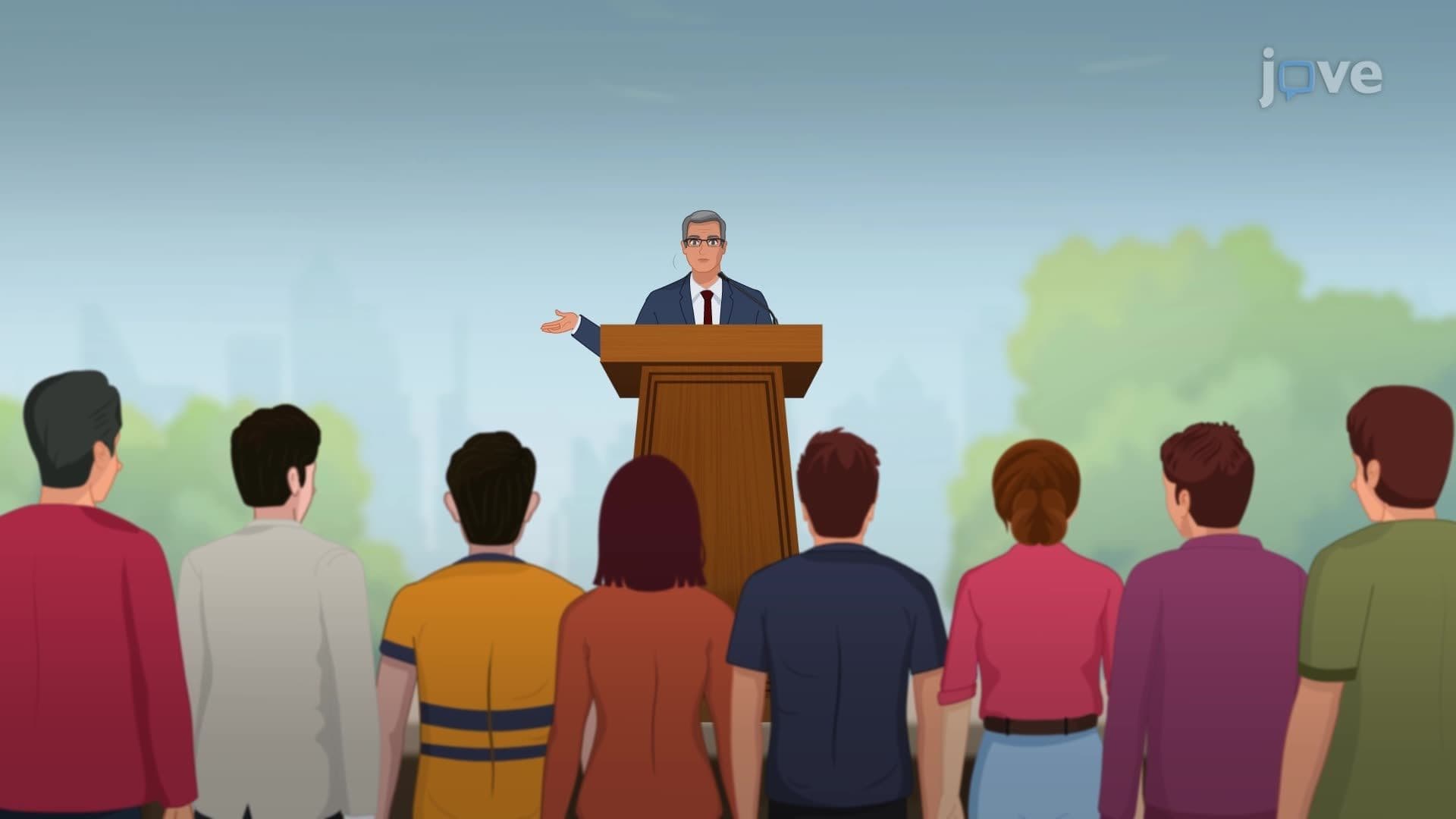

Video Summary: What Is First Impression
Did you know that hiring managers form first impressions within just seven seconds of meeting a job candidate? Understanding what is first impression reveals how our minds create lasting judgments from initial encounters, influencing everything from college admissions interviews to workplace relationships. The primacy effect explains why information learned first carries more weight than later details, while the recency effect shows how timing impacts perception in settings like courtroom trials. Watch the full video on JoVE Coach to master this concept with expert-led visuals and step-by-step explanations.
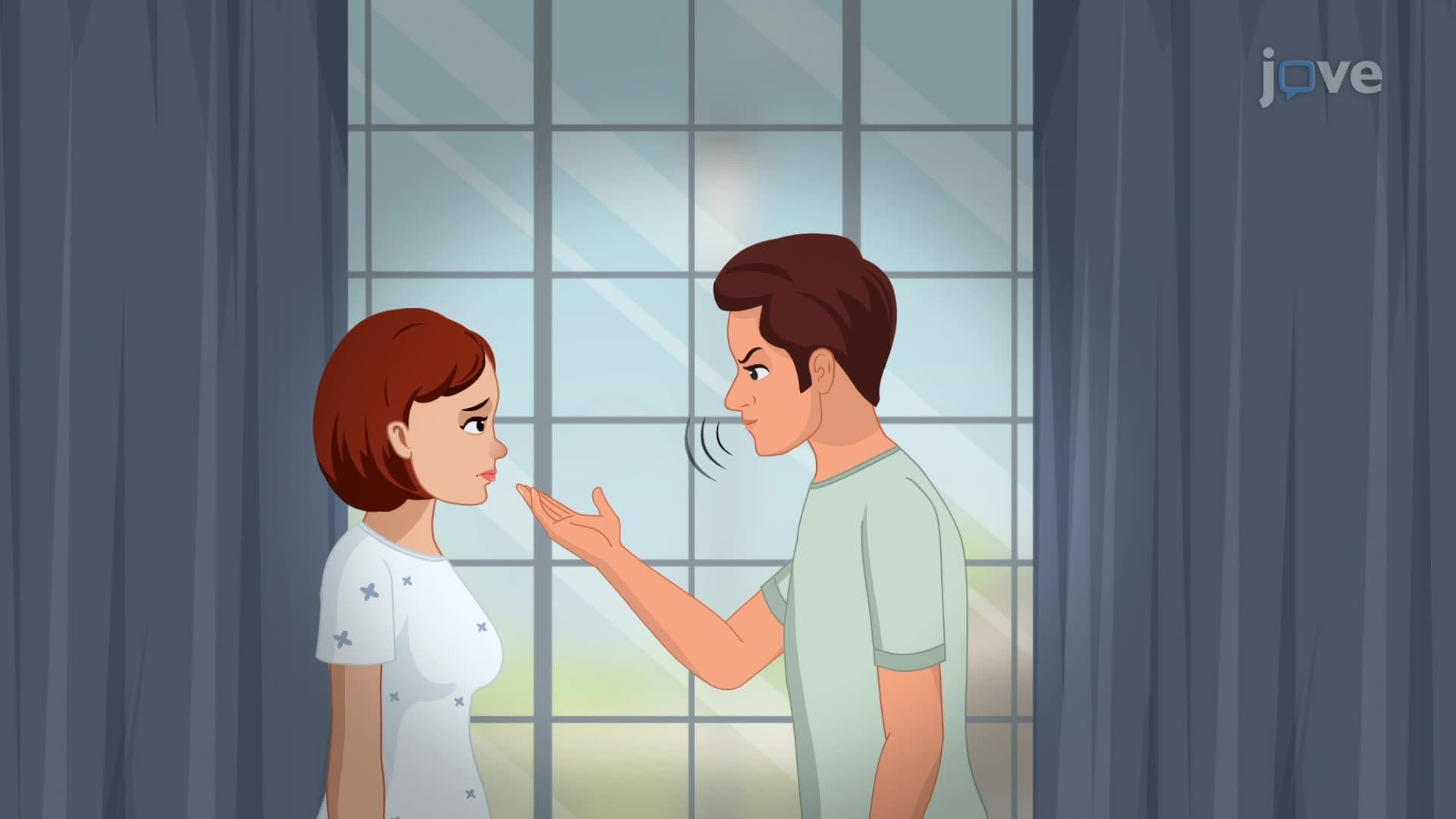
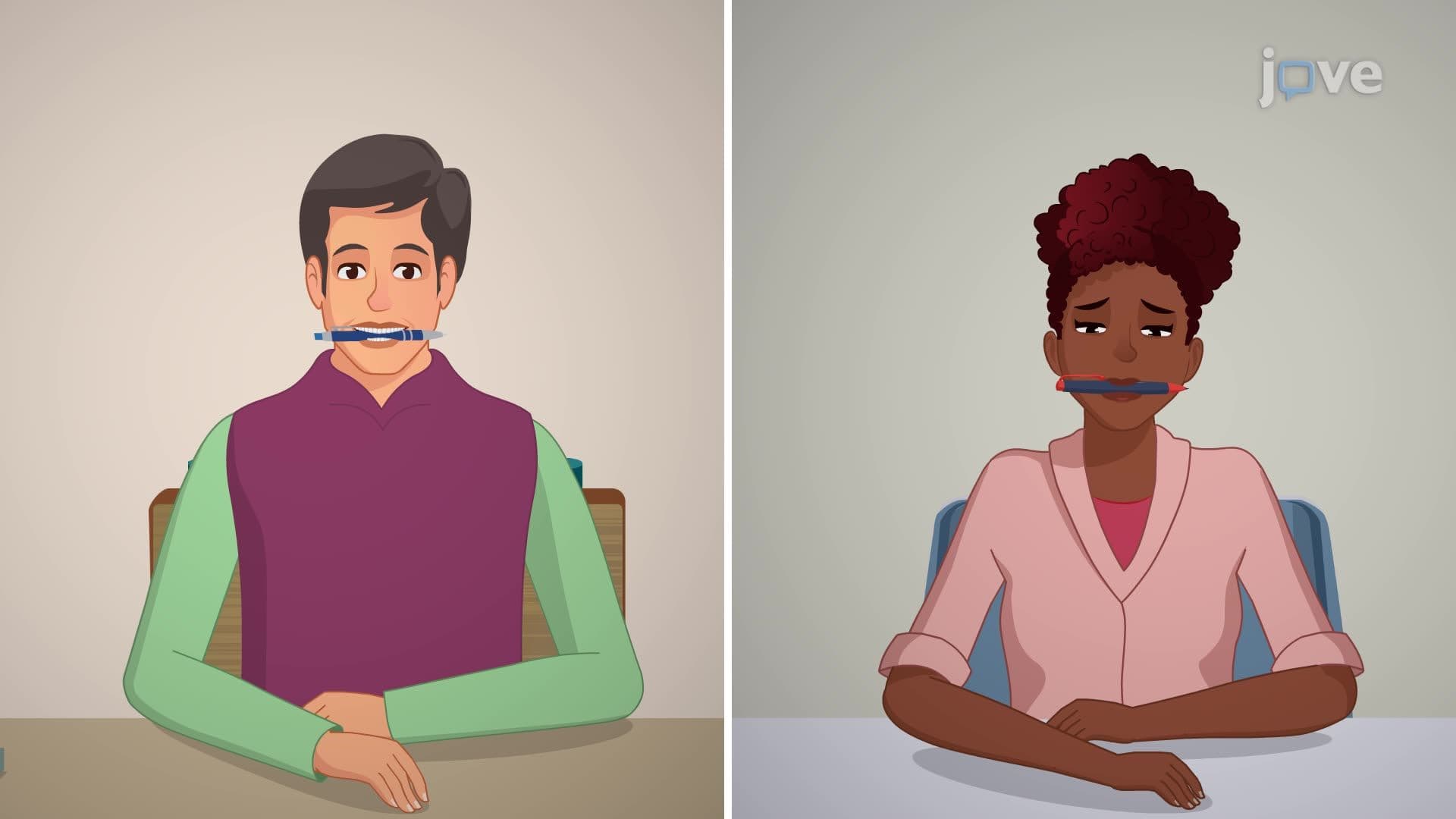
First impression refers to the immediate judgment or evaluation people form when encountering someone for the first time. This psychological phenomenon occurs within seconds and creates a cognitive framework that influences all subsequent interactions. Research shows that these snap judgments, while often inaccurate, persist with remarkable staying power due to fundamental cognitive biases.
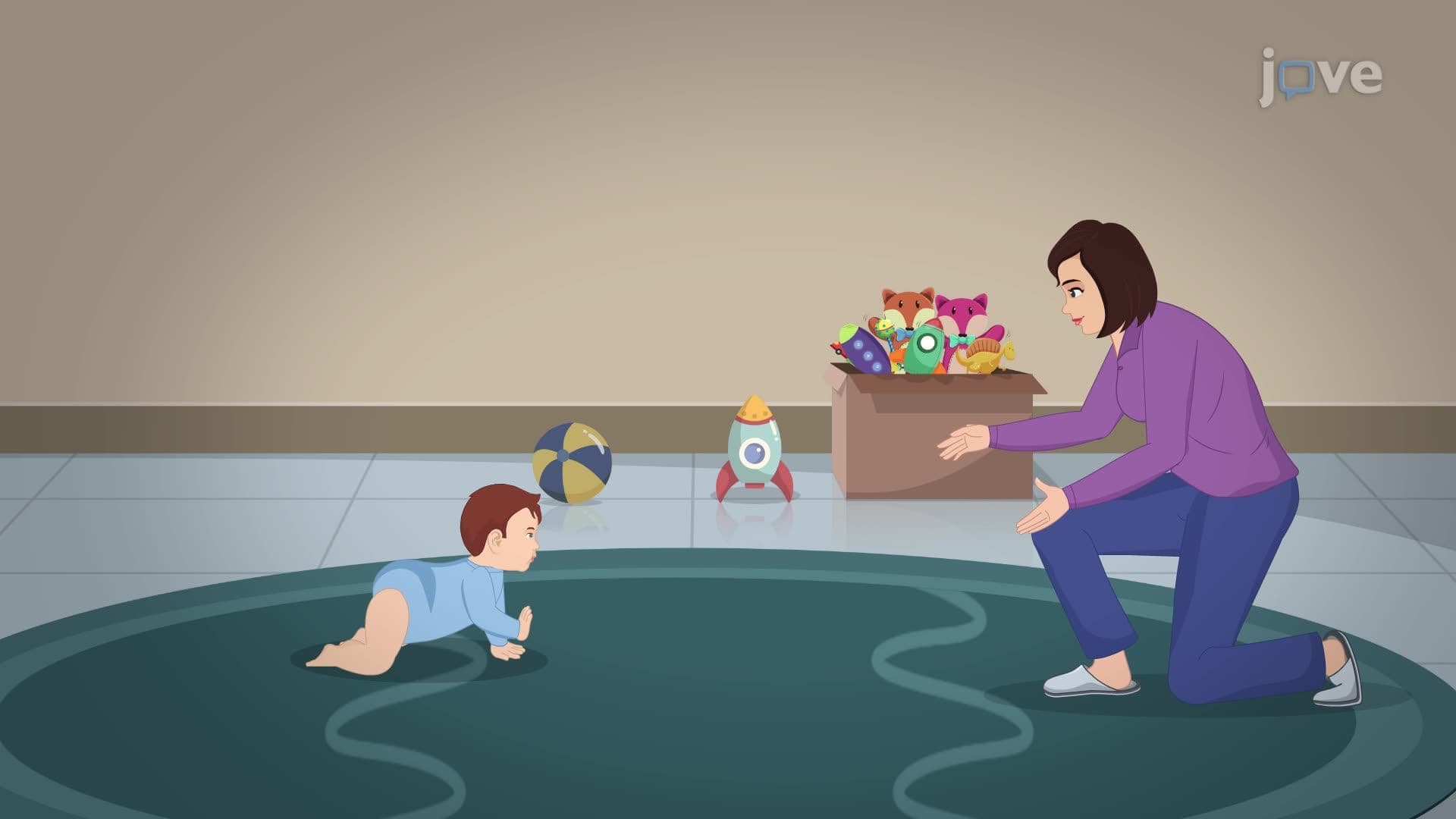
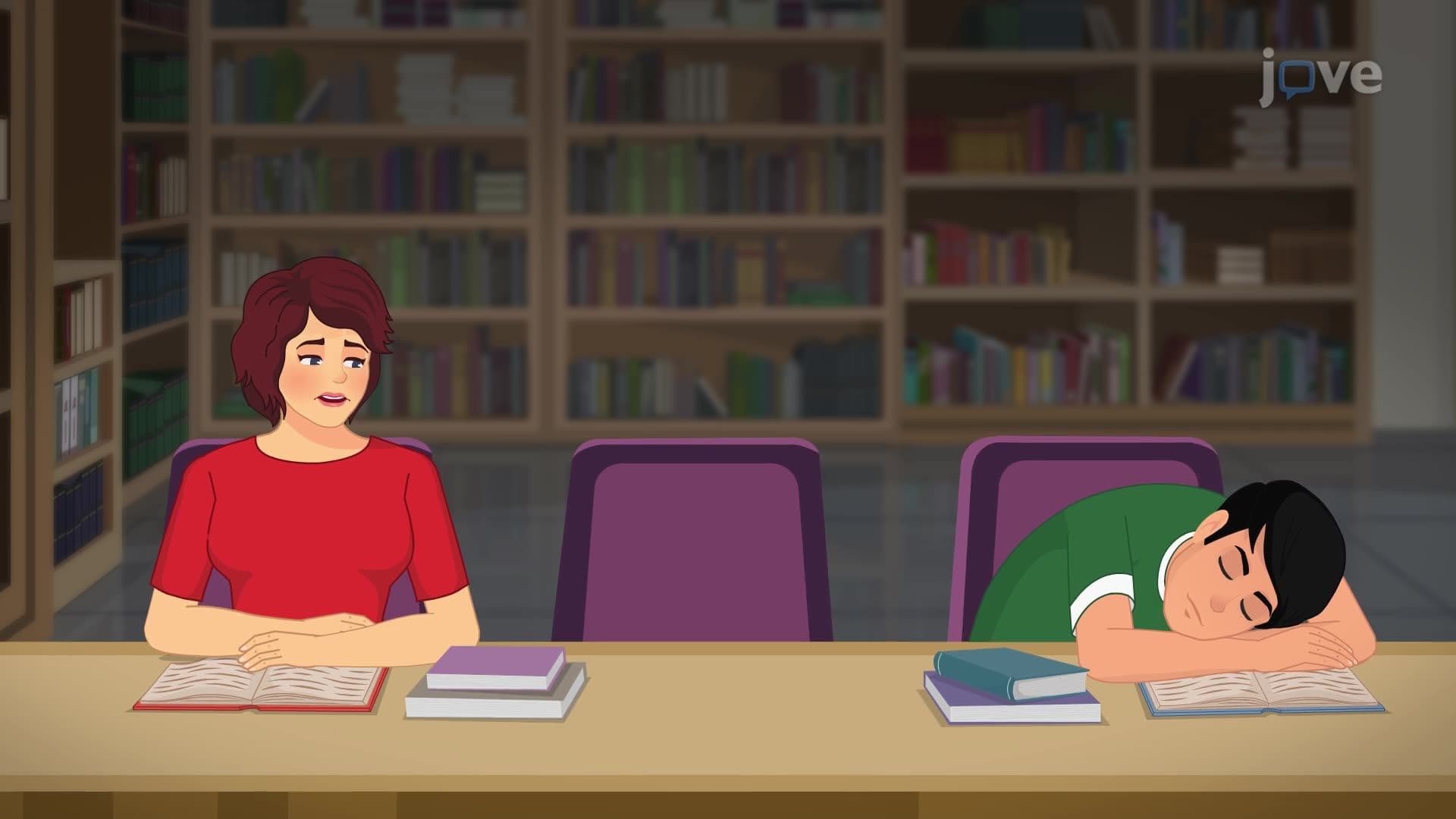
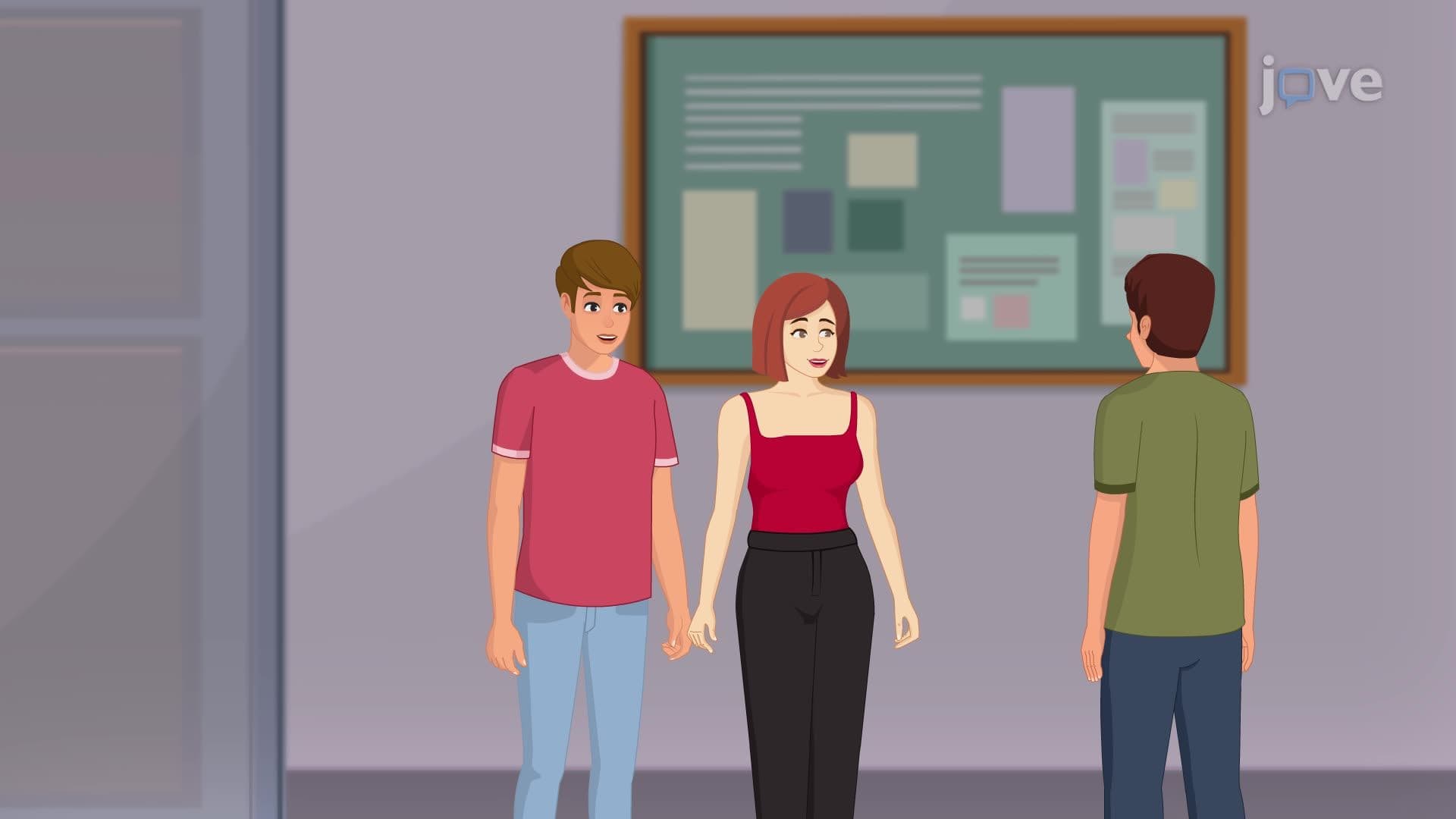
The primacy effect explains why initial information carries disproportionate weight in impression formation. When students meet a new teacher on the first day of school, their initial observations about the teacher's demeanor, organization, and communication style heavily influence their entire semester's perception. This occurs because the brain uses early information as an anchor point, interpreting all new data through this initial lens.
Two key mechanisms drive the primacy effect. First, confirmation bias causes people to seek information that supports their initial impression while dismissing contradictory evidence. Second, attention fatigue means people invest less cognitive energy in processing information once they feel confident in their judgment. College admissions officers, for example, may form quick impressions from application essays that color their evaluation of grades and test scores.
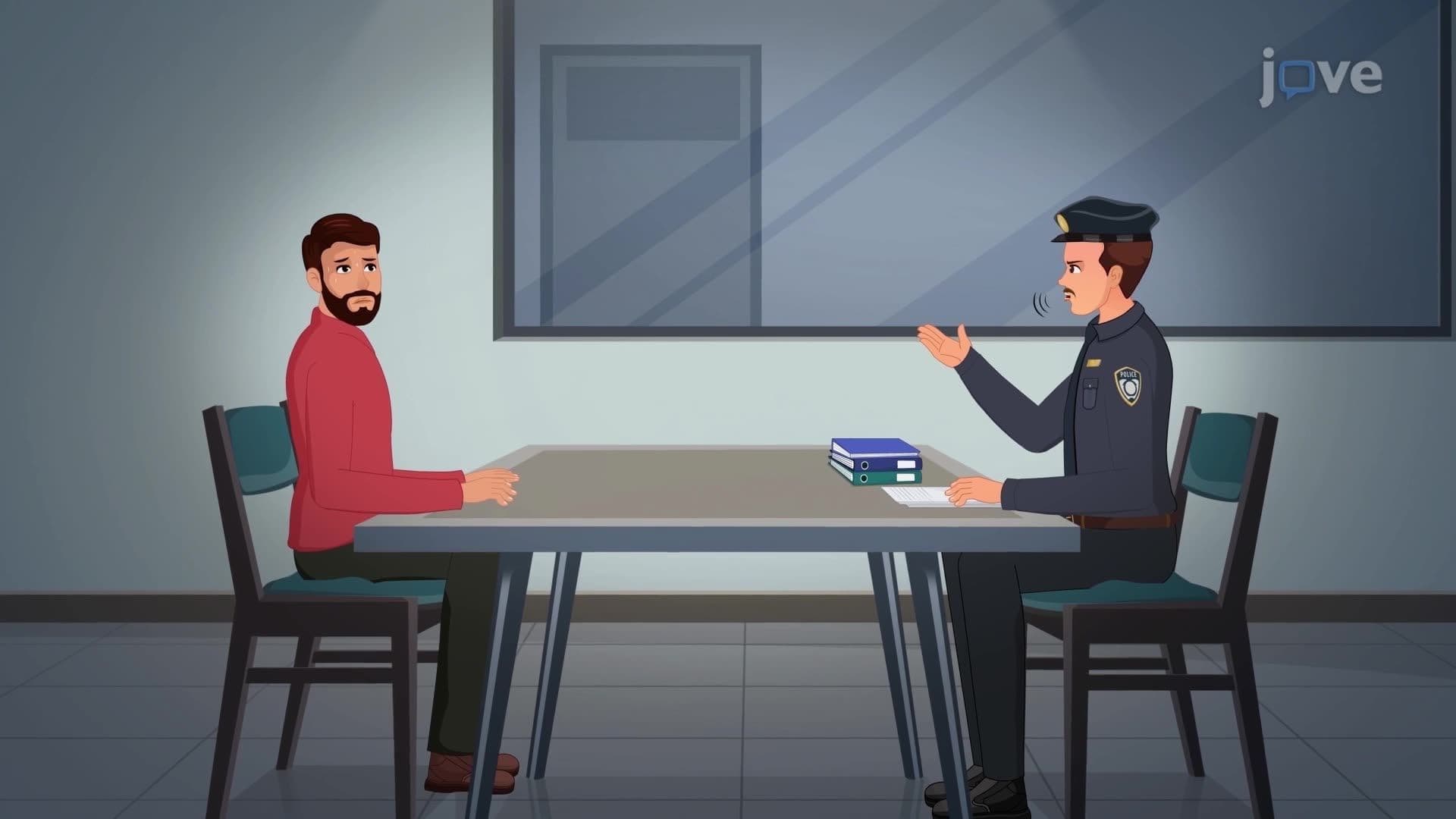
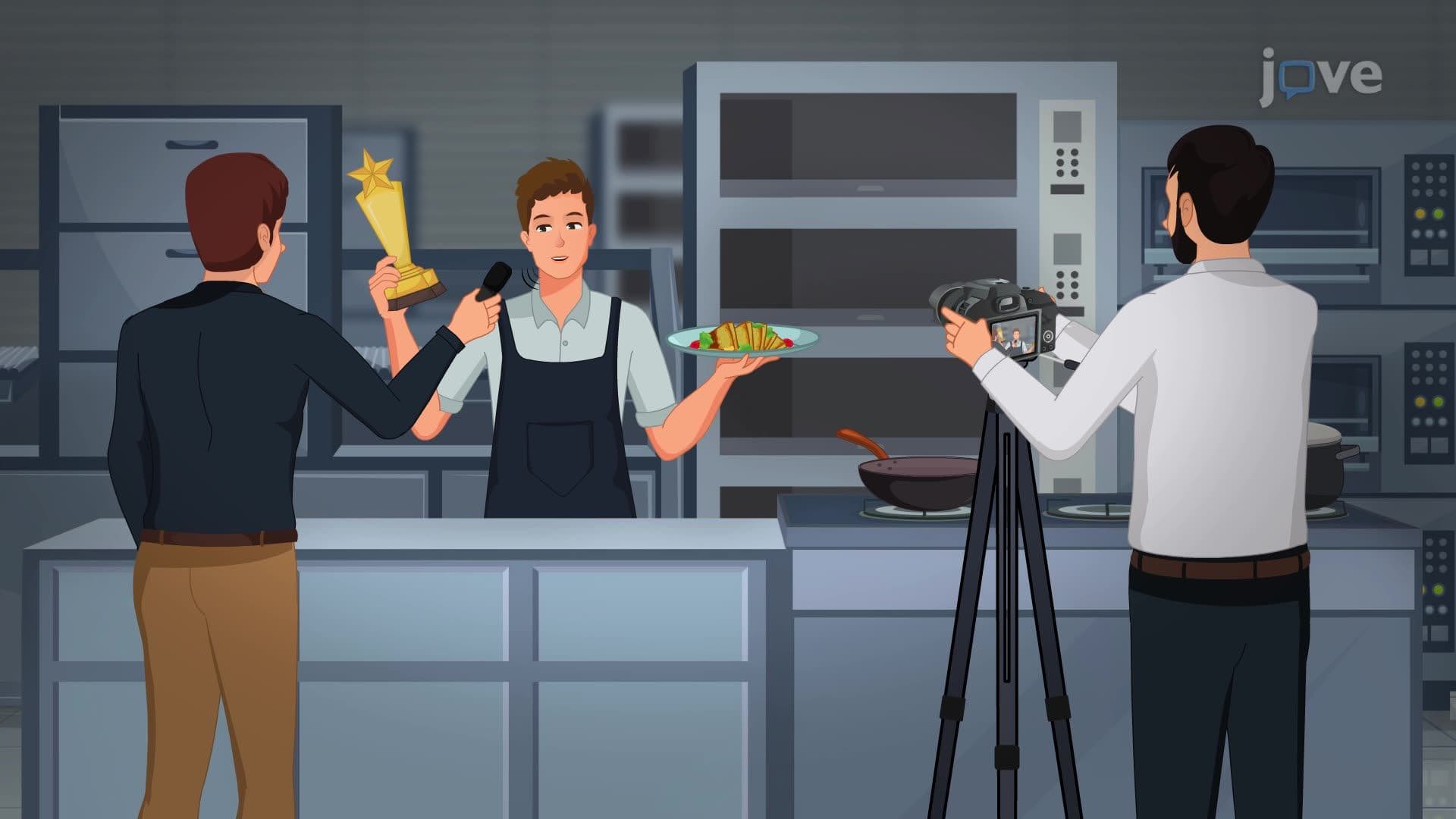
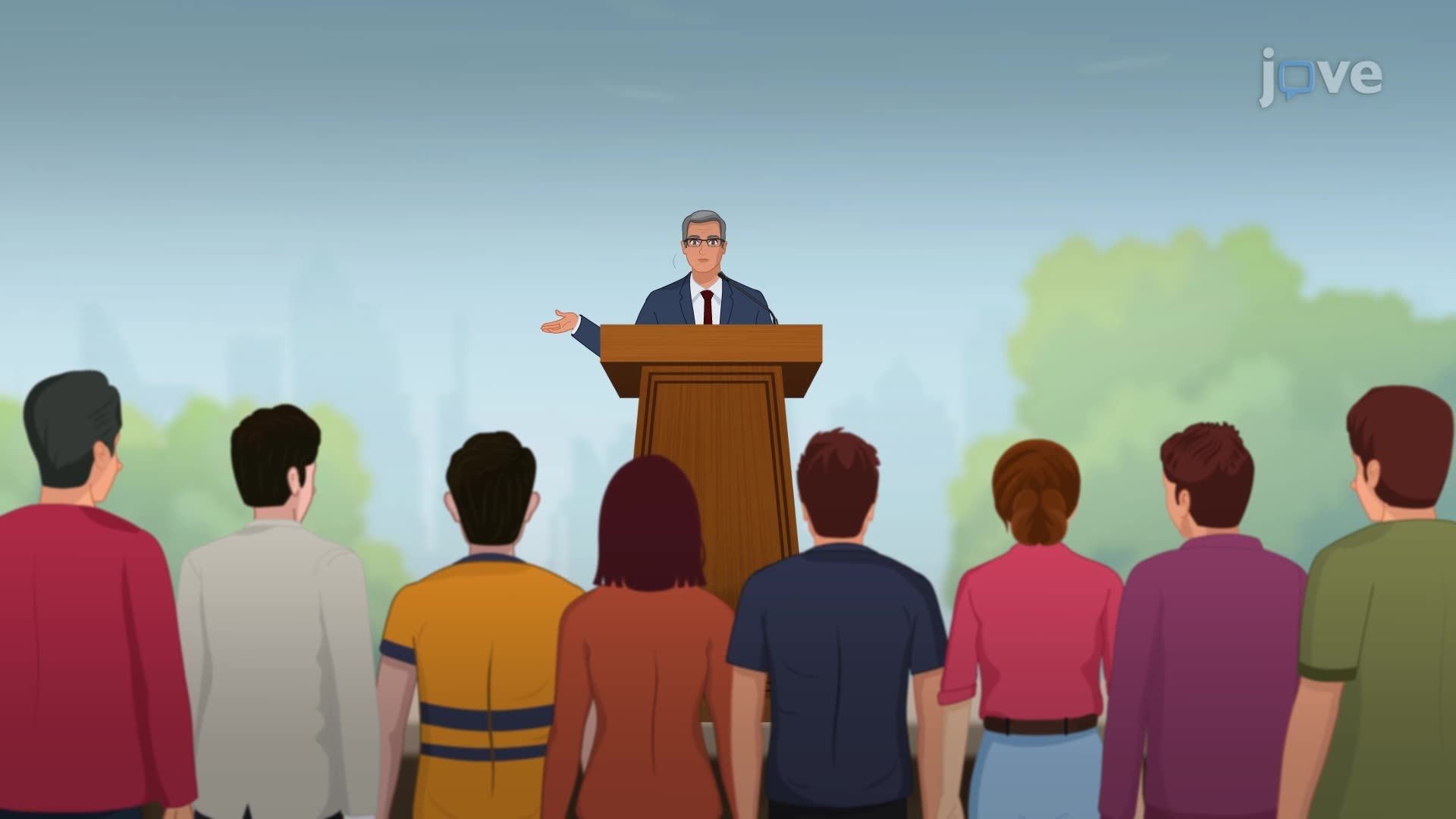
Conversely, the recency effect occurs when the most recent information overshadows earlier impressions. This phenomenon appears prominently in legal settings where attorneys strategically time their strongest arguments. In Supreme Court cases, justices often show influence from the final oral arguments presented, demonstrating how timing affects even highly trained decision-makers.
Understanding first impression psychology proves crucial for students preparing for standardized tests like the SAT, AP Psychology exams, and college entrance interviews. The MCAT includes questions about social psychology concepts, making impression formation a testable topic. Students studying for AP Psychology should recognize how primacy and recency effects relate to broader cognitive biases and memory formation.
Professional applications extend to job interviews, where candidates have approximately six minutes to establish positive impressions with hiring managers. Medical students learning bedside manner must understand how their initial presentation affects patient trust and treatment compliance. Business students studying consumer behavior examine how product packaging creates first impressions that influence purchasing decisions.
Related Micro-courses