Loading video…


 24 Concepts
 1.8K views

Video Summary: Understanding Self Concept Formation and Influences
Have you ever wondered why some teenagers obsess over their appearance while others barely glance in mirrors? Understanding self-concept: formation and influences reveals how we develop our personal identity through mental frameworks called self-schemas. These cognitive blueprints determine what aspects of ourselves we prioritize-explaining why a high school athlete in Texas might define themselves primarily through sports performance while their classmate focuses on academic achievement. Watch the full video on JoVE Coach to master this concept with expert-led visuals and step-by-step explanations.
Self-concept represents the comprehensive collection of beliefs, perceptions, and knowledge individuals hold about themselves. Unlike a simple self-image, self-concept functions as a complex cognitive architecture built from numerous self-schemas-specialized mental frameworks that organize self-relevant information. These schemas act as filters, determining which aspects of our experience receive attention and how we interpret feedback about ourselves.
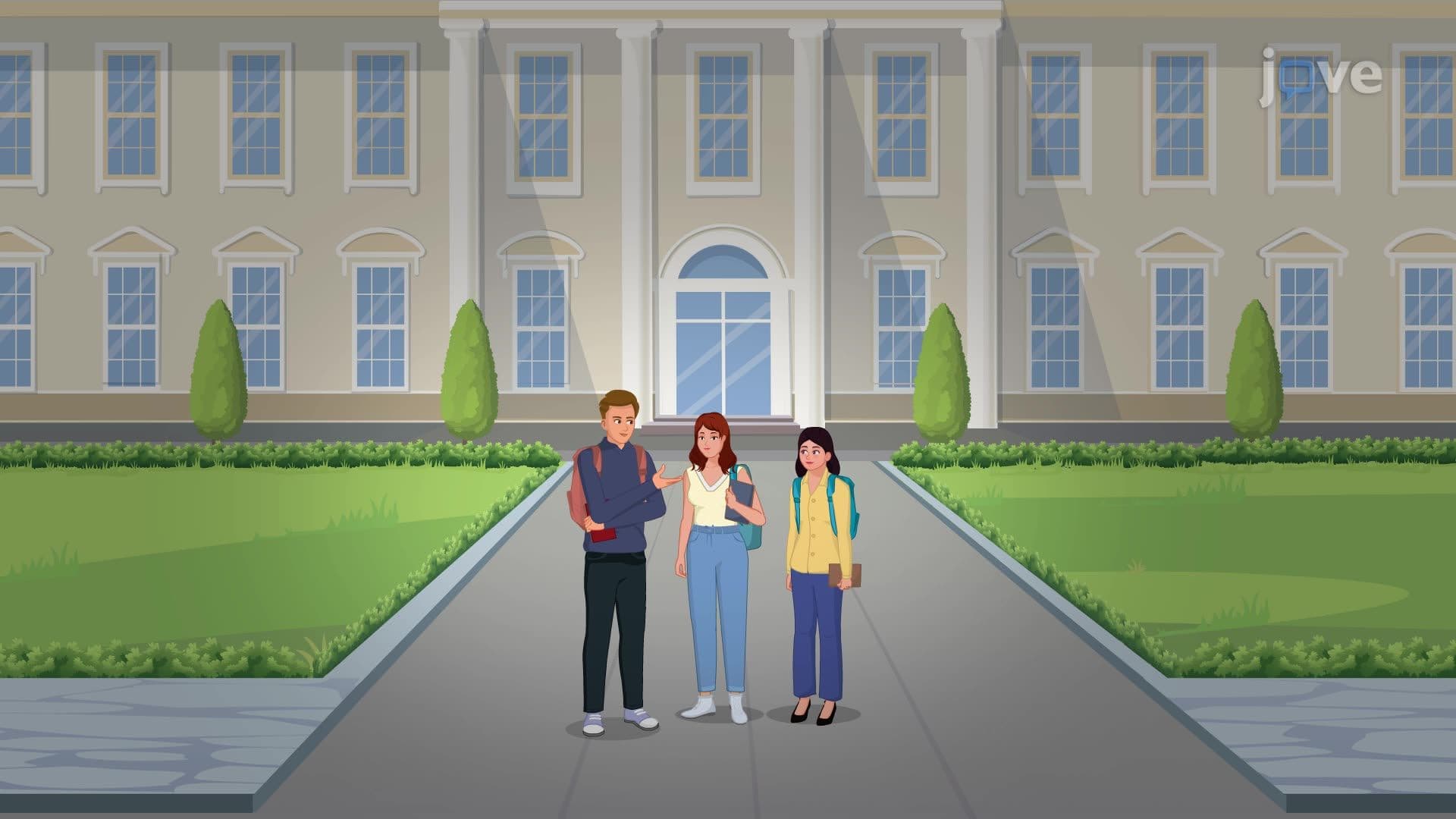
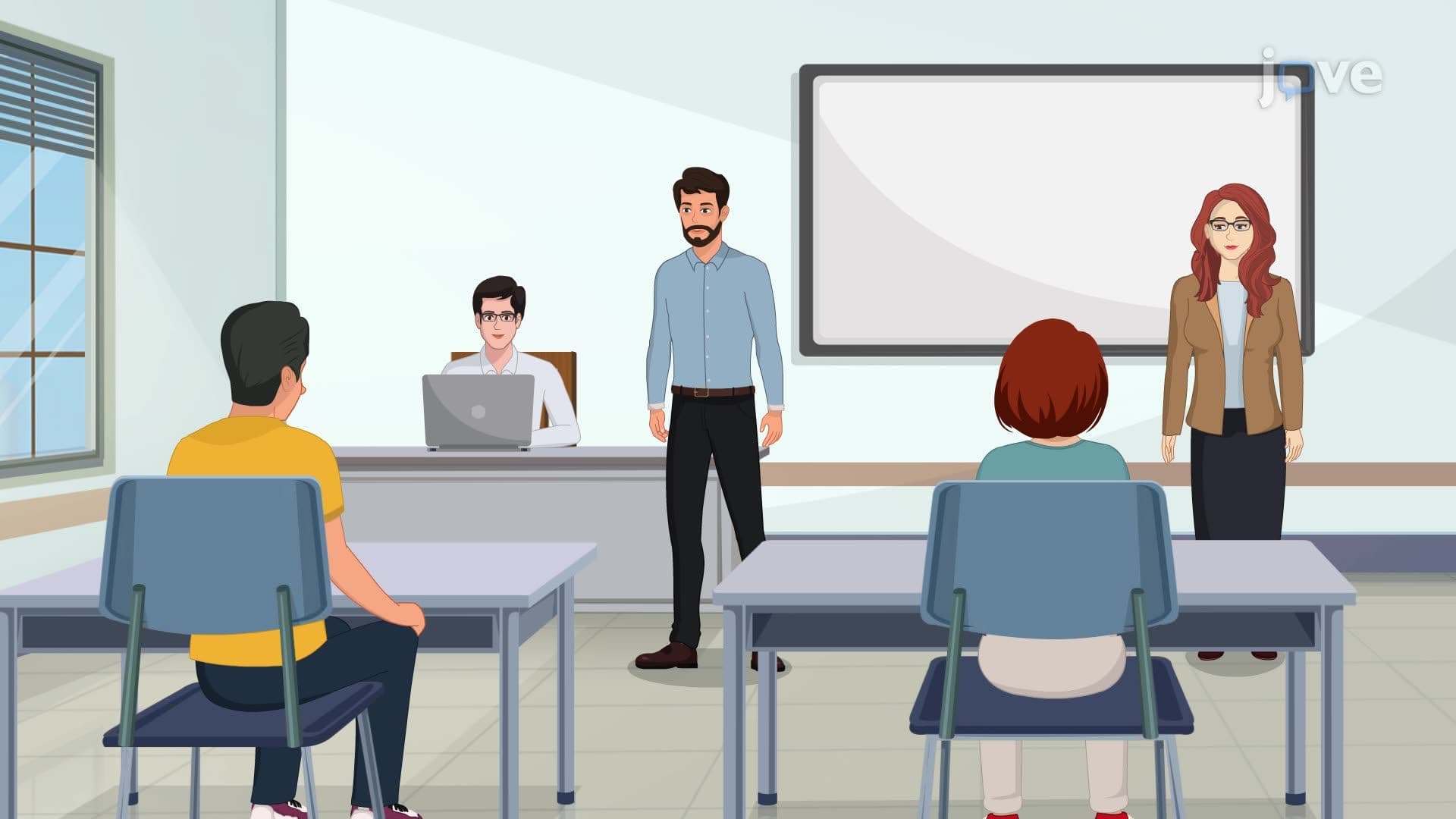
Consider how two students at UCLA might respond differently to the same psychology course. One student, highly schematic for academic achievement, processes every grade and professor comment through their "academic self" lens, while another student, aschematic for academics but schematic for social relationships, focuses primarily on group dynamics and peer connections in class discussions.
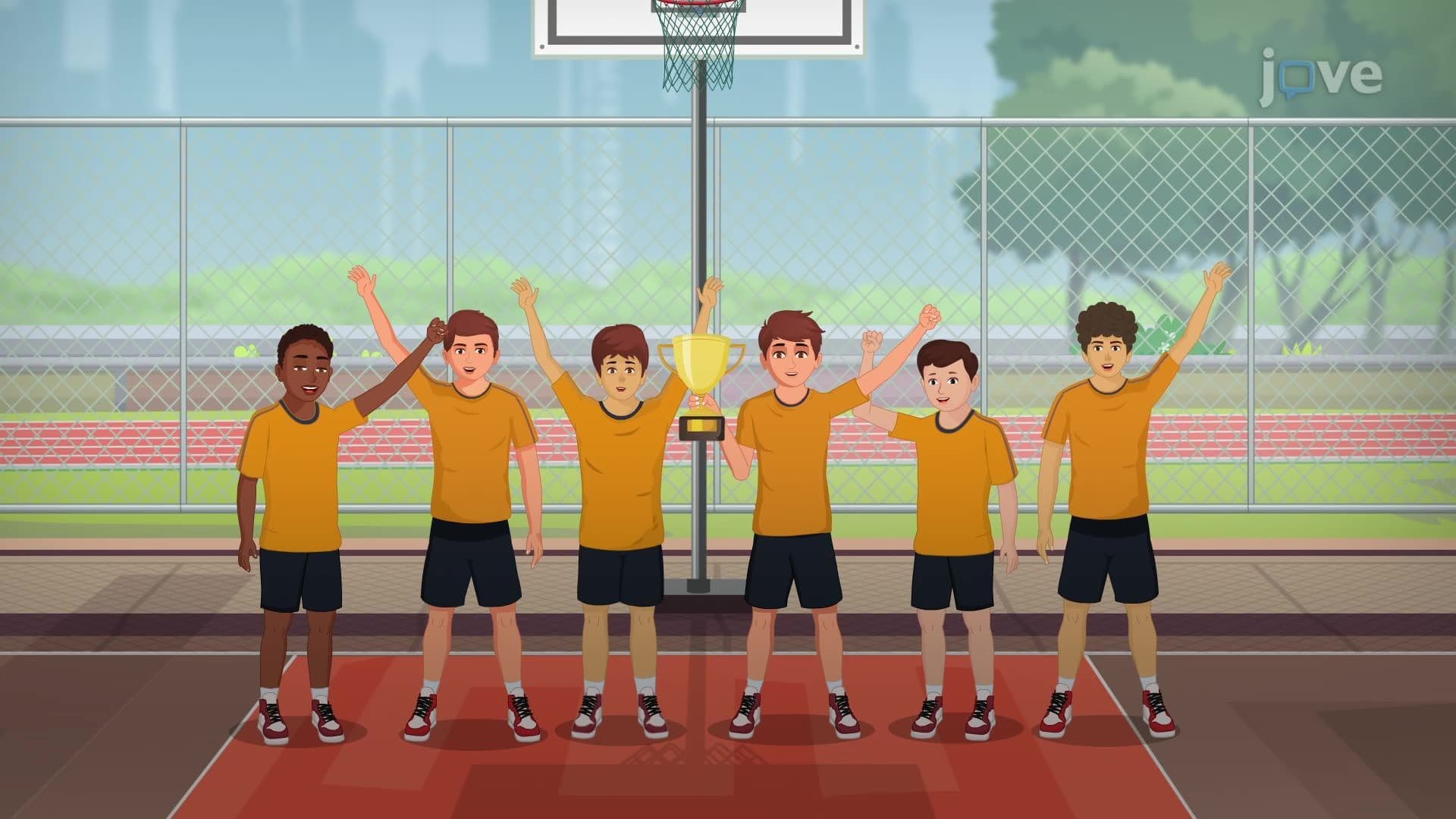
Self-schemas develop through repeated experiences and social feedback, creating personalized templates for self-understanding. Research demonstrates that individuals become schematic for attributes that hold personal significance-areas where they've invested time, energy, or emotional resources. This explains why a high school basketball player in Chicago might have elaborate schemas around athletic performance, physical coordination, and team dynamics, while remaining aschematic for musical or artistic abilities.
The schematic versus aschematic distinction has profound implications for information processing. Schematic individuals demonstrate enhanced memory for relevant information, faster processing of self-relevant feedback, and more confident predictions about future behavior in their schema domains. This concept frequently appears on AP Psychology exams, where students must distinguish between central and peripheral aspects of self-concept.
American society's multicultural nature creates unique self-concept challenges, particularly for individuals navigating multiple cultural identities. W.E.B. Du Bois's concept of "double consciousness" illustrates how African American students might develop parallel self-schemas-one aligned with mainstream American culture and another reflecting African American cultural values and experiences.
This phenomenon extends beyond racial identity. First-generation college students often develop dual schemas representing their family's working-class values alongside emerging professional identities. Similarly, bilingual Americans may experience personality shifts when switching languages, as different linguistic contexts activate distinct cultural schemas and behavioral patterns.
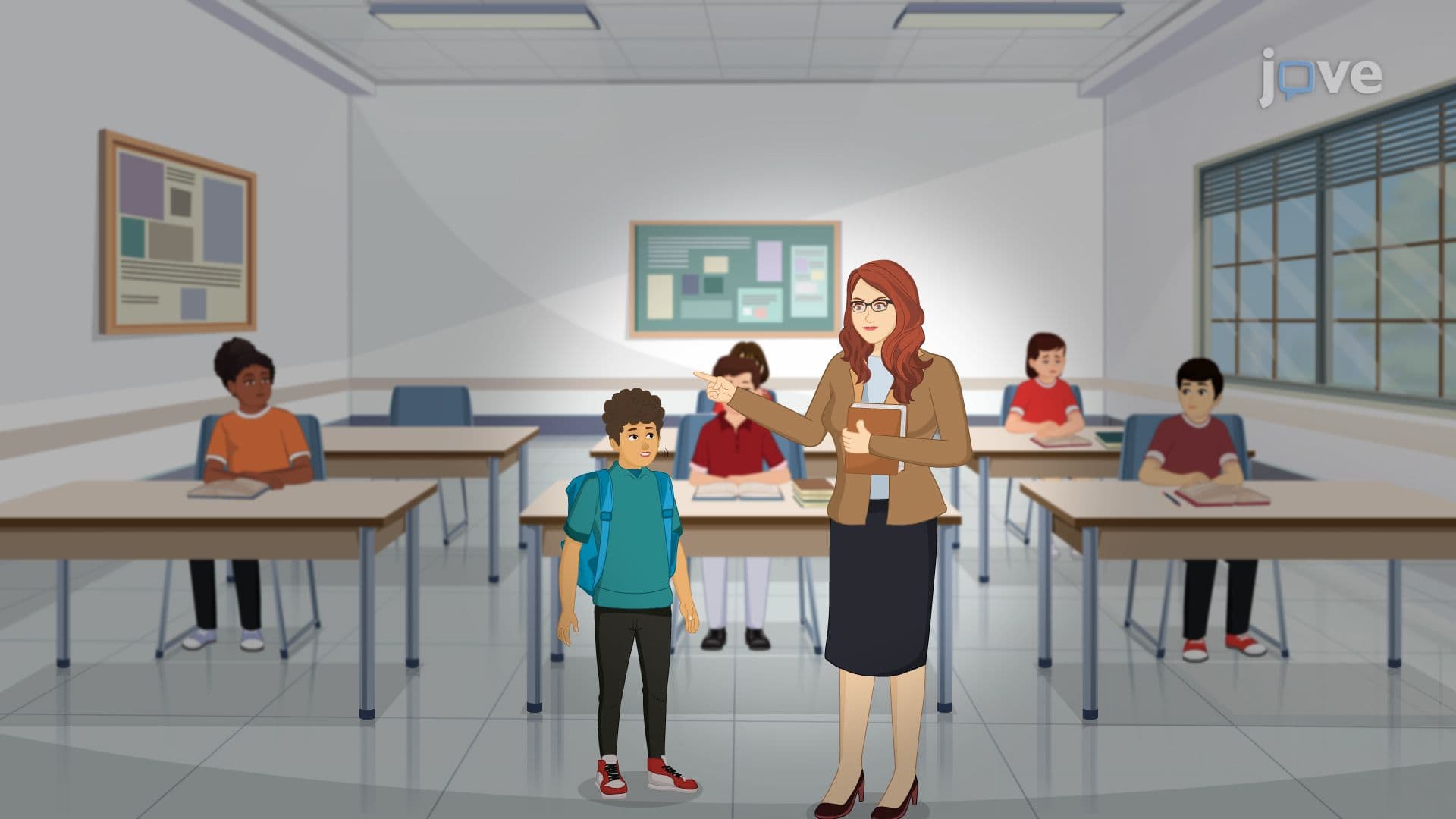
Understanding self-concept formation proves essential for educators, counselors, and healthcare professionals working with adolescents and young adults. High school guidance counselors use self-concept theory to help students identify career paths aligned with their schematic strengths. College admissions essays often reveal applicants' dominant self-schemas, providing insights into their likely campus engagement patterns.
In clinical psychology, therapists assess clients' self-schemas to understand psychological distress patterns. Students preparing for the MCAT encounter self-concept questions in behavioral science sections, while nursing students on the NCLEX must understand how patient self-concept affects treatment compliance and recovery outcomes.
Related Micro-courses