Loading video…


 24 Concepts
 1.8K views

Video Summary: What Is Self Presentation
Ever wonder why you instinctively check your appearance before a college interview or job fair? Self presentation is the psychological process by which we strategically manage how others perceive us through our behavior, appearance, and communication choices. From a UCLA student dressing professionally for a career fair to speaking more formally during a Stanford admissions interview, we constantly adjust our self-presentation based on our goals and audience. Watch the full video on JoVE Coach to master this concept with expert-led visuals and step-by-step explanations.
Self presentation represents a fundamental aspect of human psychology that governs how we navigate social interactions daily. This complex process involves the deliberate and unconscious ways individuals control the impressions they make on others while simultaneously shaping their own self-perception. Unlike simple communication, self-presentation encompasses a comprehensive strategy involving verbal communication, nonverbal cues, appearance choices, and behavioral adaptations tailored to specific audiences and contexts.
Authentic Self-Presentation occurs when individuals express their genuine thoughts, values, and personality without significant modification for external approval. A Harvard student writing an honest personal statement about their struggles with perfectionism exemplifies authentic presentation. This approach builds genuine connections but may not always align with immediate social or professional advantages.
Ideal Self-Presentation involves showcasing one's aspirational qualities and best attributes to create favorable impressions. During medical school interviews at Johns Hopkins or Mayo Clinic, applicants emphasize their strongest academic achievements, leadership experiences, and commitment to healthcare. This strategic highlighting helps individuals present their potential while remaining truthful about their capabilities.
Tactical Self-Presentation focuses primarily on gaining specific social rewards or approval. A server at a popular restaurant in New York might adopt an exceptionally friendly demeanor to increase tips, or a student might agree with a professor's viewpoints to improve their grade prospects. While effective for short-term goals, excessive tactical presentation can create authenticity conflicts.
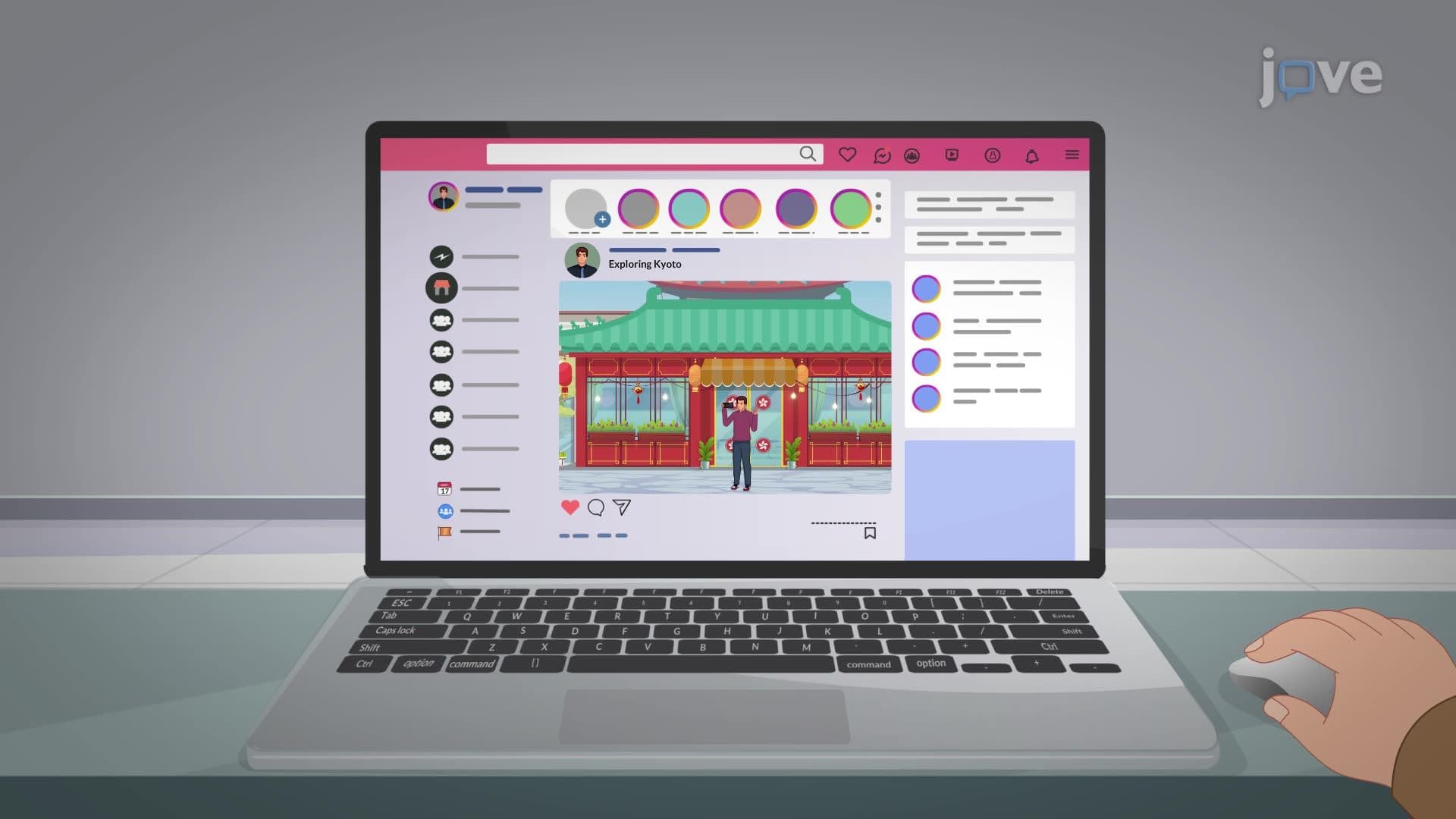
The spotlight effect significantly influences self-presentation behaviors, creating the illusion that others notice and judge our appearance and actions more intensely than reality suggests. Students taking the SAT often experience heightened self-awareness about their appearance or behavior, believing other test-takers are observing them closely. This psychological phenomenon can increase anxiety and lead to over-adjustment in presentation strategies.
Self-presentation concepts directly apply to standardized tests like the MCAT, where understanding psychological principles helps answer behavioral science questions. In college psychology courses, students analyze case studies involving presentation strategies in therapeutic settings, workplace dynamics, and social media interactions. Understanding these concepts proves essential for future healthcare professionals who must adapt their communication style for different patient populations and clinical situations.
Related Micro-courses