Loading subject page…


174,900 views

Video Summary: What Is Empathy
Empathy allows us to step into someone else's emotional shoes-but did you know that feeling too much empathy can actually harm both you and others? This fundamental social skill involves understanding and sharing the emotions of others, from celebrating a friend's college acceptance to comforting someone after a family loss. The concept includes two distinct types: affective empathy (actually feeling others' emotions) and cognitive empathy (understanding their perspective without absorbing their feelings). Watch the full video on JoVE Coach to master this concept with expert-led visuals and step-by-step explanations.
What is empathy represents one of psychology's most studied phenomena, forming the cornerstone of effective human relationships and social cooperation. Unlike sympathy, which involves feeling sorry for someone, empathy requires actually experiencing or deeply understanding another person's emotional state. This distinction becomes crucial when studying social psychology concepts that appear on AP Psychology exams and college-level coursework.
Research conducted at universities like Stanford and Harvard demonstrates that empathy operates through specific neural pathways, particularly involving mirror neurons that fire both when we act and when we observe others acting. This biological foundation helps explain why some students naturally excel in collaborative learning environments while others struggle with group dynamics in classroom settings.
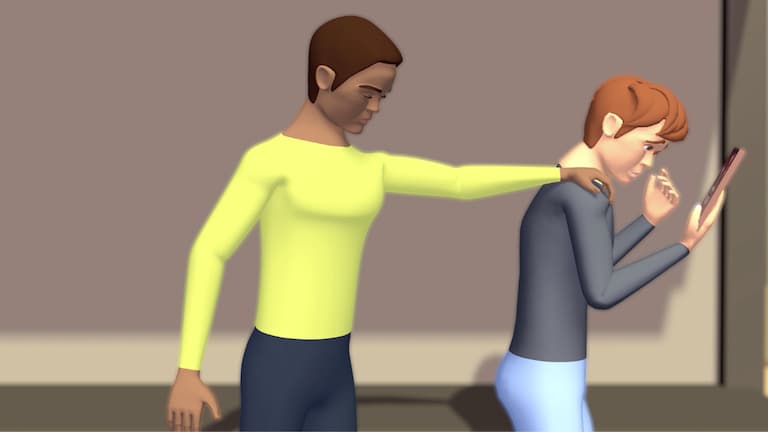
The empathy definition encompasses two distinct psychological processes. Affective empathy involves literally feeling what another person feels-when your roommate experiences test anxiety, you might notice your own heart racing and palms sweating. This emotional contagion can be powerful but potentially overwhelming, especially for students in high-stress academic environments.
Cognitive empathy, conversely, allows you to understand someone's emotional state without absorbing their feelings. A peer tutor demonstrating cognitive empathy recognizes when a struggling student feels frustrated with calculus problems but maintains emotional distance to provide effective help. This skill proves invaluable for students considering careers in healthcare, education, or counseling, where professional boundaries matter.
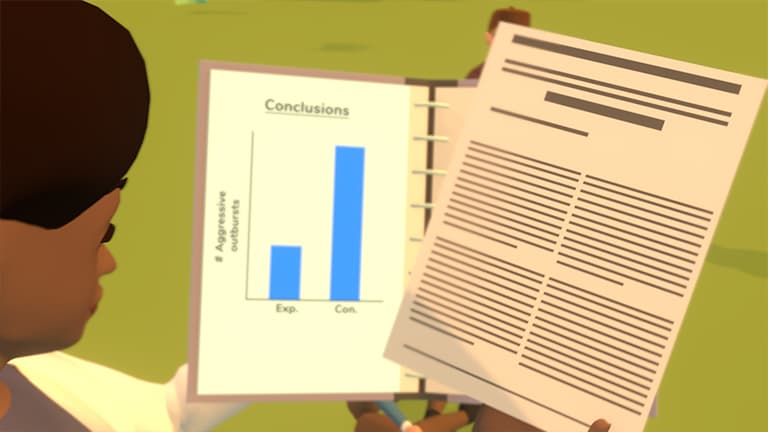
While empathy promotes cooperation and reduces bullying in schools, research from institutions like UC Berkeley reveals important limitations. Students may show empathy bias, helping classmates who share their background, interests, or appearance while ignoring others who need support. This phenomenon appears frequently in college admissions essays where applicants describe volunteer work exclusively within their own communities.
Additionally, excessive empathy can lead to academic burnout. Pre-med students, for example, sometimes experience empathy fatigue when volunteering at hospitals, absorbing patients' suffering to an unhealthy degree. Understanding these boundaries becomes essential for MCAT preparation, where ethics and psychology intersections frequently appear on exam questions.
Students can deliberately cultivate healthy empathy through evidence-based techniques. Perspective-taking exercises, commonly used in conflict resolution programs at American universities, involve actively considering others' viewpoints before making judgments. These skills transfer directly to essay writing, where analyzing multiple perspectives strengthens argumentative writing for SAT and AP Language exams.
Compassion meditation, studied extensively at institutions like Emory University, offers another approach. This practice develops loving-kindness toward others while maintaining emotional regulation-particularly valuable for students in competitive academic environments where peer relationships can become strained.
Related Micro-courses