Loading subject page…

2,785 views

Video Summary: Turn Conflict Into Constructive Dialogue
Turning conflict into constructive dialogue means redirecting a personal disagreement toward a shared professional goal, so the team produces a better outcome than either side would reach alone. A manager does this by listening to each person privately first, then bringing them together in a neutral setting to focus on objectives rather than differences. The result is a combined solution both parties own, followed by clear next steps. This approach is a core skill in handling difficult conversations.
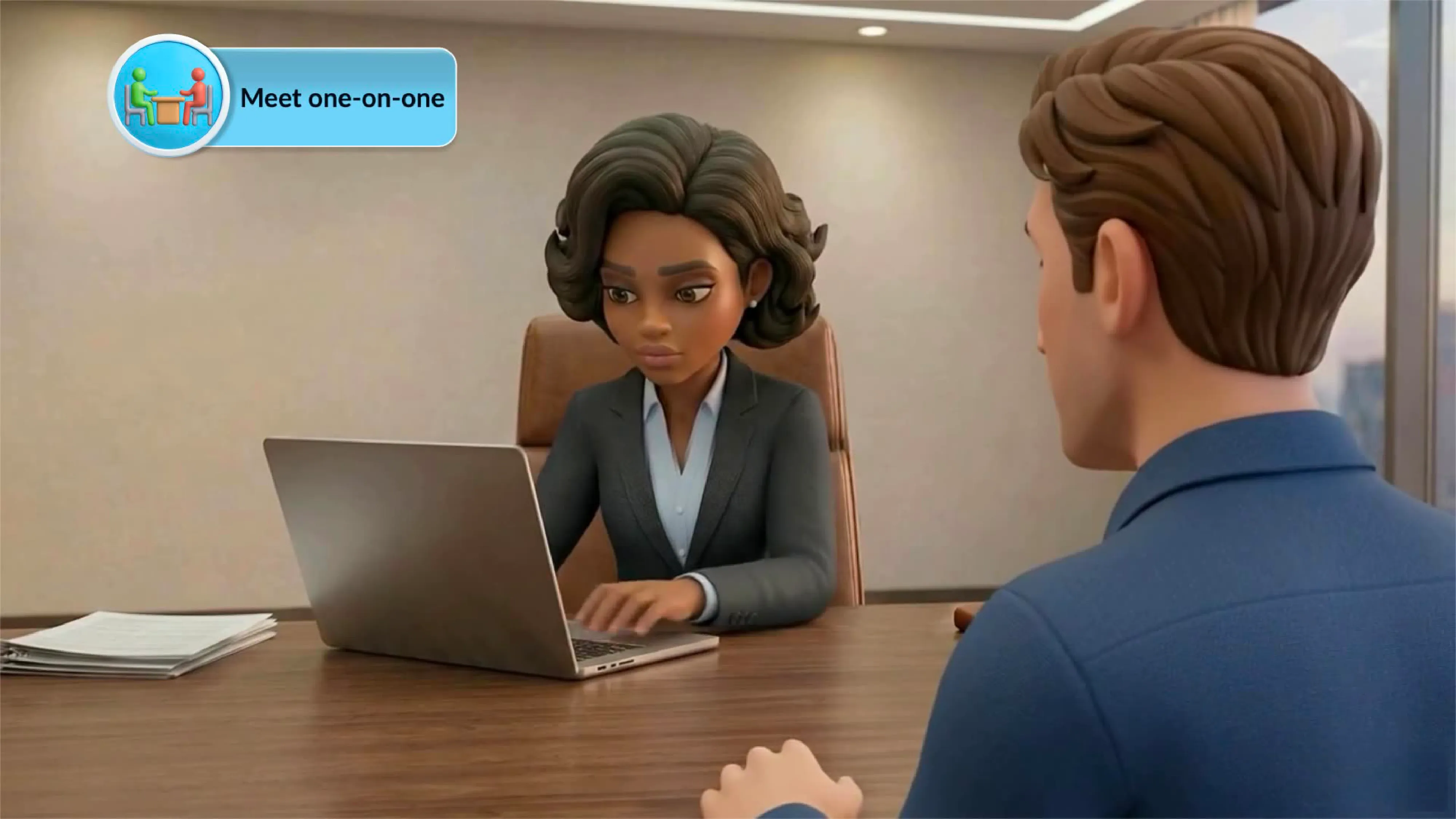
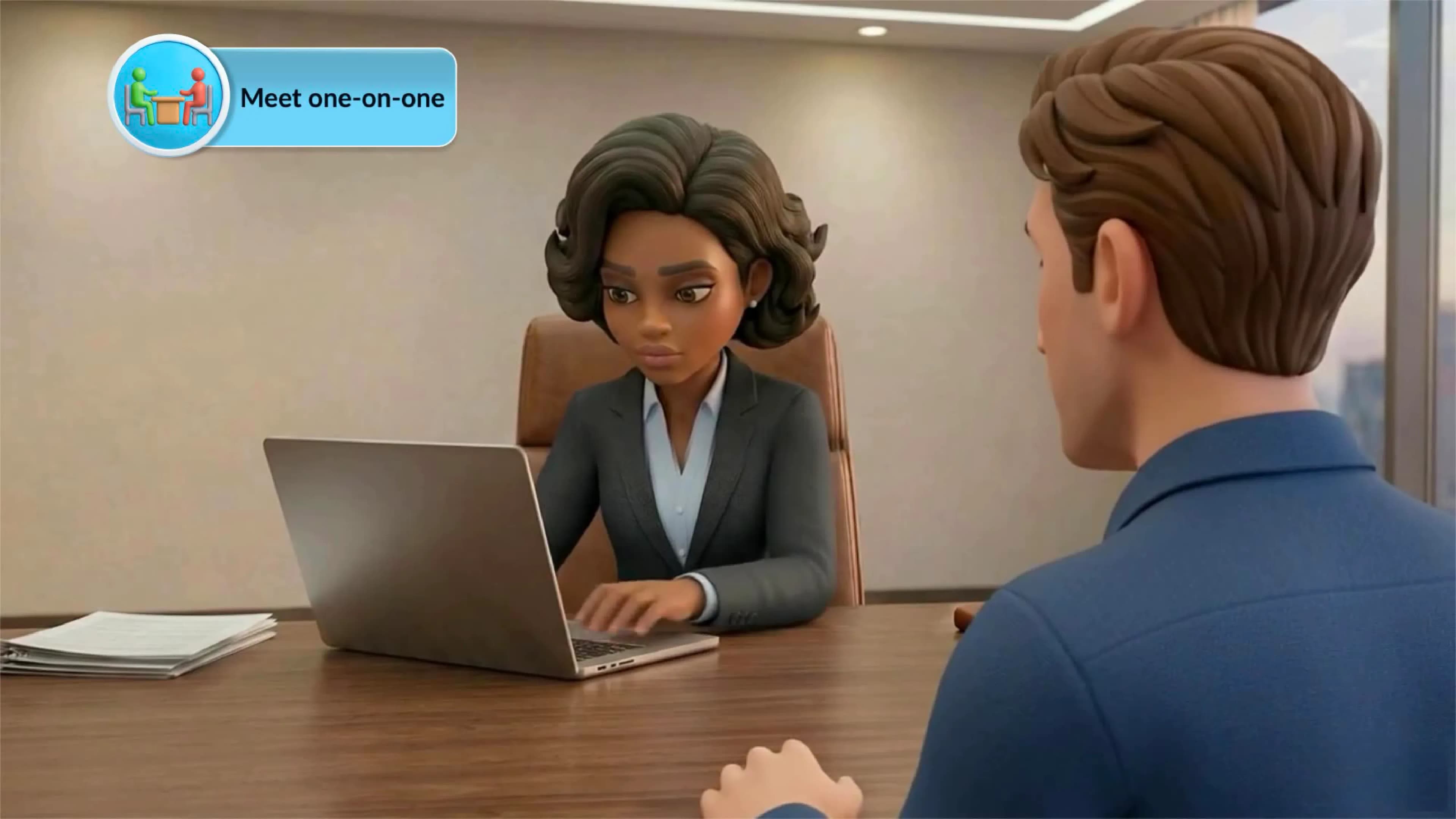
Before bringing conflicting team members together, meet with each person separately. This lets you understand their perspectives fully and identify where their views genuinely conflict. It also helps you map each approach against the team's objectives, so you walk into the joint conversation with clarity rather than assumptions. Start here, as you would when preparing for a tough conversation.
The environment shapes how people behave. Bringing team members together in a neutral space reduces the sense that one person holds home advantage, which lowers defensiveness. Pair this with staying calm and objective as a manager, and you set a tone that makes professional discussion possible from the start.
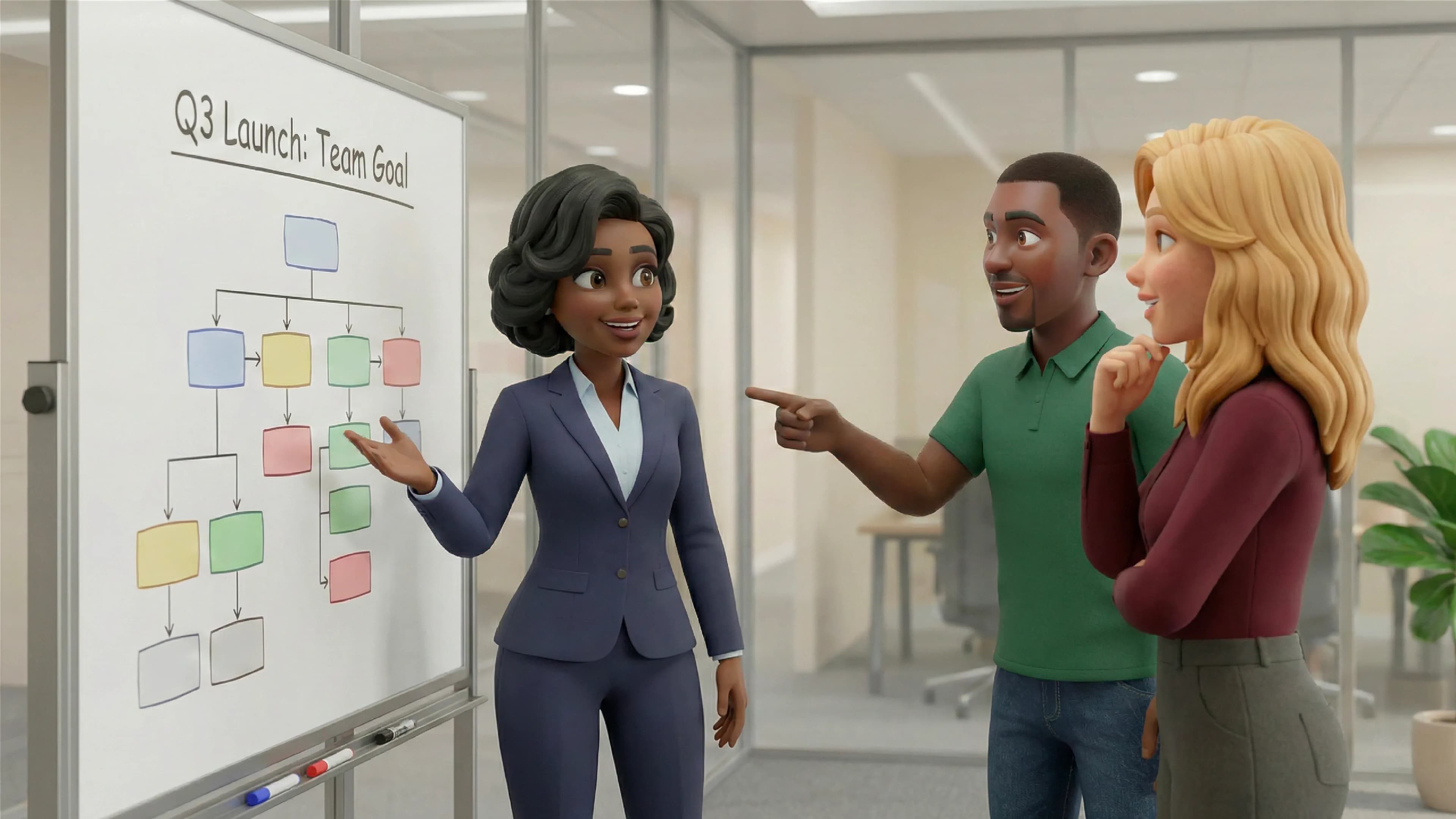
Ask team members to review ideas professionally rather than critique each other directly. Then anchor every point of discussion back to the shared goal: delivering an effective outcome. This shift stops the conversation from becoming personal and keeps both parties working on the same problem. It is the practical heart of communicating without escalation.
Rather than forcing one approach to prevail, ask both parties to explain their ideas in detail and then identify the strongest elements of each. Combining those elements produces a solution that neither person would have reached independently. This turns a zero-sum argument into a collaborative problem-solving session.
Once a combined direction is agreed on, confirm that both team members are genuinely aligned and clearly define who does what next. Without this step, ambiguity often reignites tension. Knowing how to reach agreement and close the loop is what converts a good conversation into lasting progress.
Related Micro-courses