Loading video…


 10 Concepts
 34.1K views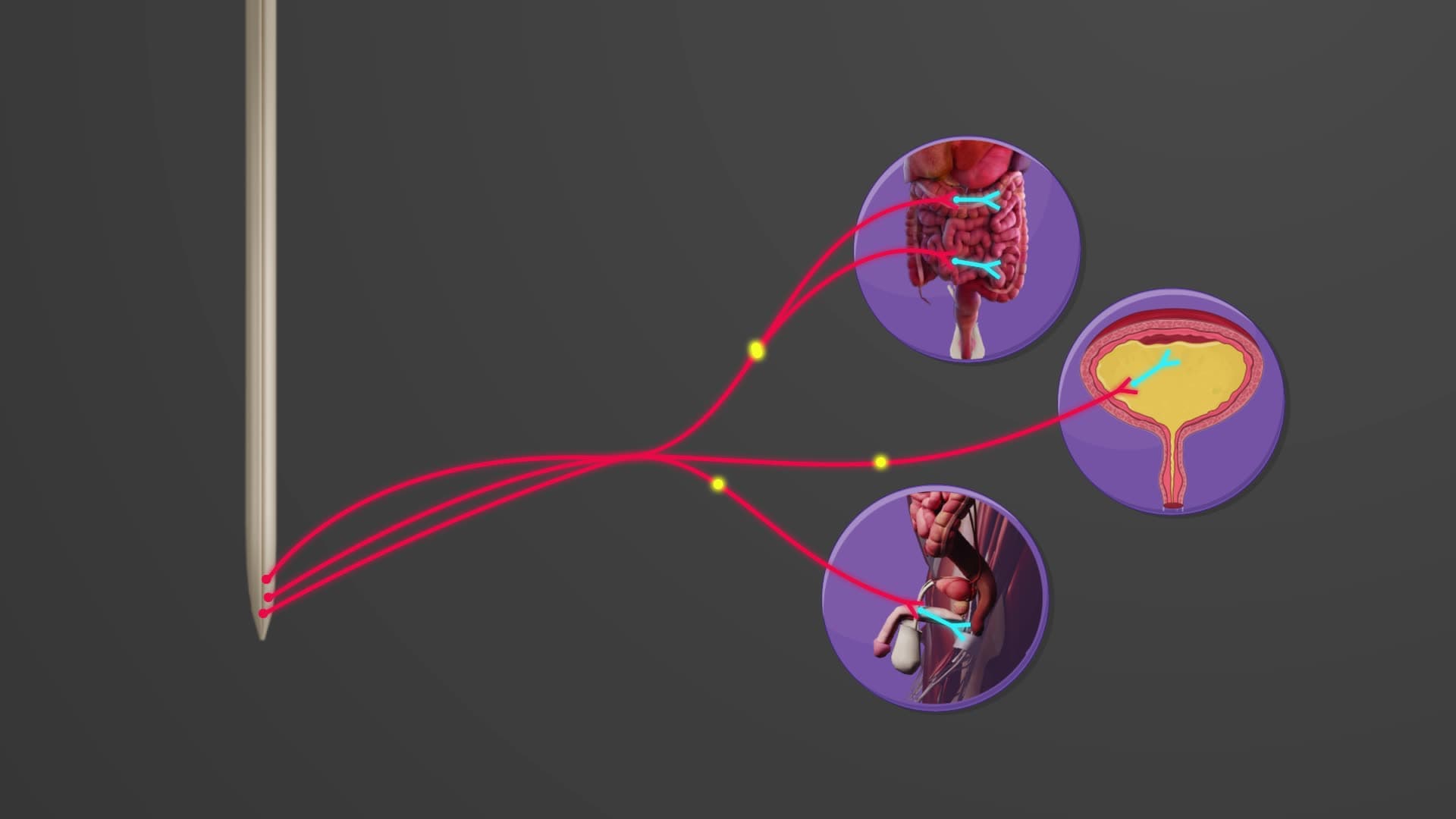

Video Summary: What Is Parasympathetic Division Ans
Ever wonder why your heart rate slows and your stomach growls after a big Thanksgiving dinner? The parasympathetic division ANS biology controls these "rest and digest" responses that help your body recover and conserve energy. When a student finishes a stressful AP Biology exam and finally relaxes, their parasympathetic nervous system kicks in to lower their heart rate and stimulate digestion. Watch the full video on JoVE Coach to master this concept with expert-led visuals and step-by-step explanations.
The parasympathetic division of the autonomic nervous system serves as your body's "maintenance crew," activating when you're safe and relaxed. Unlike its counterpart, the sympathetic nervous system that triggers "fight or flight" responses, the parasympathetic nervous system explained through its "rest and digest" functions shows how your body prioritizes long-term survival needs over immediate threats.
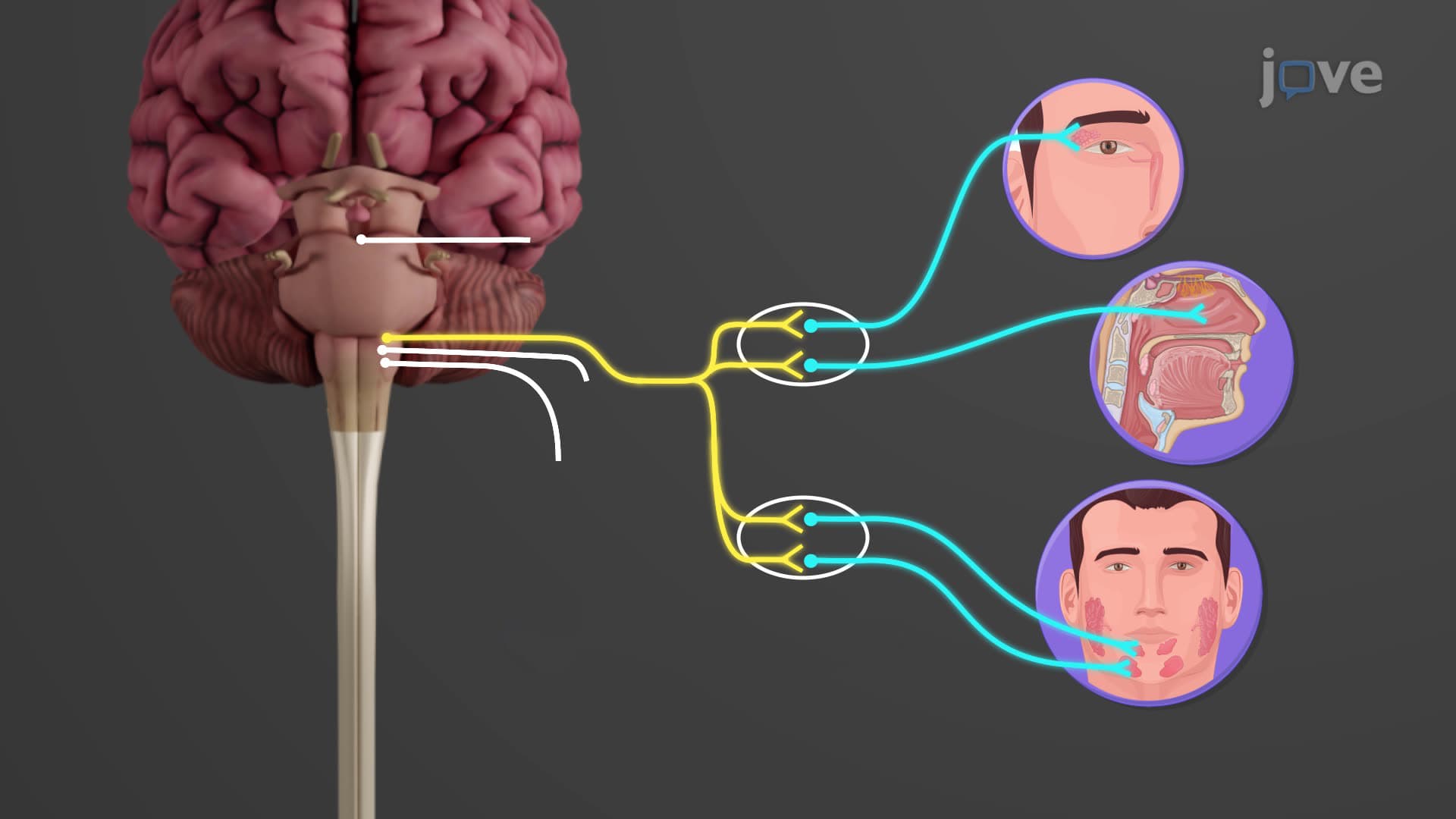
The craniosacral parasympathetic origin distinguishes this division from other autonomic components. Preganglionic neurons emerge from specific brainstem nuclei (including the oculomotor, facial, glossopharyngeal, and vagus nerve nuclei) and from sacral spinal cord segments S2-S4. This unique dual-origin system allows comprehensive control over organs from your eyes down to your bladder.
Medical students preparing for the USMLE Step 1 must understand that parasympathetic long preganglionic fibers travel extensive distances before synapsing. For example, vagus nerve fibers originating in the brainstem travel through your neck, chest, and into your abdomen before reaching their target organs. This contrasts sharply with sympathetic organization and frequently appears on AP Biology and college anatomy exams.
The positioning of terminal ganglia parasympathetic near target organs creates a unique functional advantage. These ganglia sit either within organ walls (intramural) or very close to their targets, meaning postganglionic fibers need only travel short distances. This arrangement ensures precise, localized control over specific organ functions.
The entire parasympathetic pathway uses acetylcholine as its neurotransmitter, making it completely cholinergic parasympathetic. Both preganglionic and postganglionic neurons release acetylcholine, binding to different receptor types (nicotinic at ganglia, muscarinic at target organs). This pharmacological consistency explains why certain medications can broadly affect parasympathetic functions.
Understanding rest digest parasympathetic functions helps explain common medical interventions. When patients receive atropine (a muscarinic antagonist) before surgery, it blocks parasympathetic effects to prevent excessive salivation and bronchial secretions. Conversely, medications like pilocarpine stimulate parasympathetic activity to treat dry mouth conditions.
Students encounter these concepts extensively in pre-health courses, MCAT preparation, and nursing school curricula. The parasympathetic division's role in conditions like irritable bowel syndrome, urinary retention, and certain cardiac arrhythmias makes it essential knowledge for healthcare professionals.
Related Micro-courses