Loading video…


 20 Concepts
 38.7K views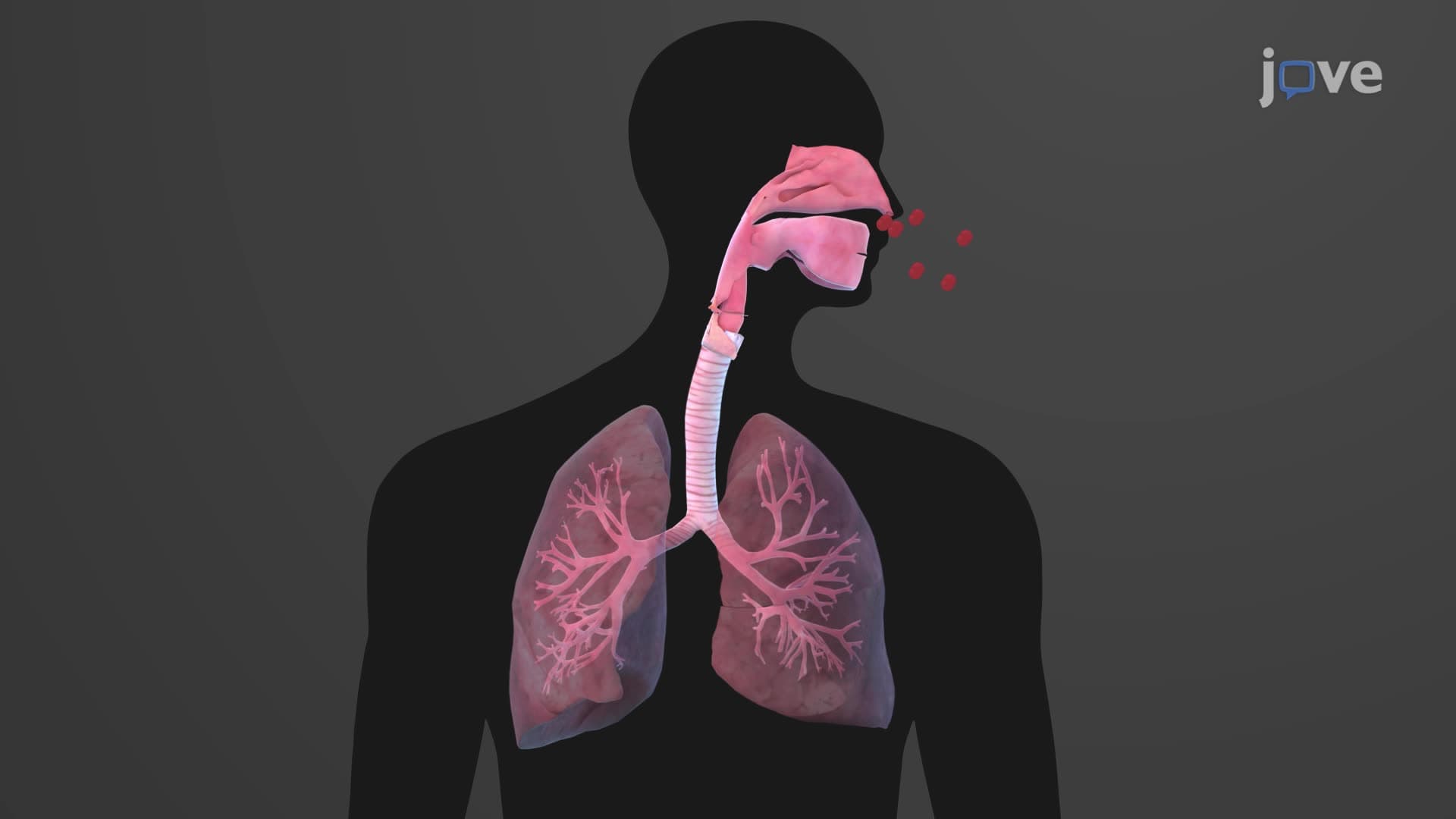

Video Summary: What Is Bicarbonate Carbonic Acid Buffer
Every second, your body performs a life-or-death balancing act to keep your blood pH between 7.35-7.45, just 0.1 units away from potentially fatal acidosis or alkalosis. The bicarbonate carbonic acid buffer system is your body's primary defense mechanism, working like a molecular seesaw to neutralize dangerous pH changes in your bloodstream. When a diabetic patient experiences ketoacidosis at a US emergency room, this buffer system works overtime to prevent fatal blood chemistry changes. Watch the full video on JoVE Coach to master this concept with expert-led visuals and step-by-step explanations.
The bicarbonate carbonic acid buffer is the most important extracellular buffering system in human physiology, responsible for maintaining approximately 75% of blood pH stability. This sophisticated molecular mechanism operates through a dynamic equilibrium between carbonic acid (H2CO3) and bicarbonate ions (HCO3-), creating what biochemists call an "open buffer system" because one component, carbon dioxide, can be eliminated through respiration.
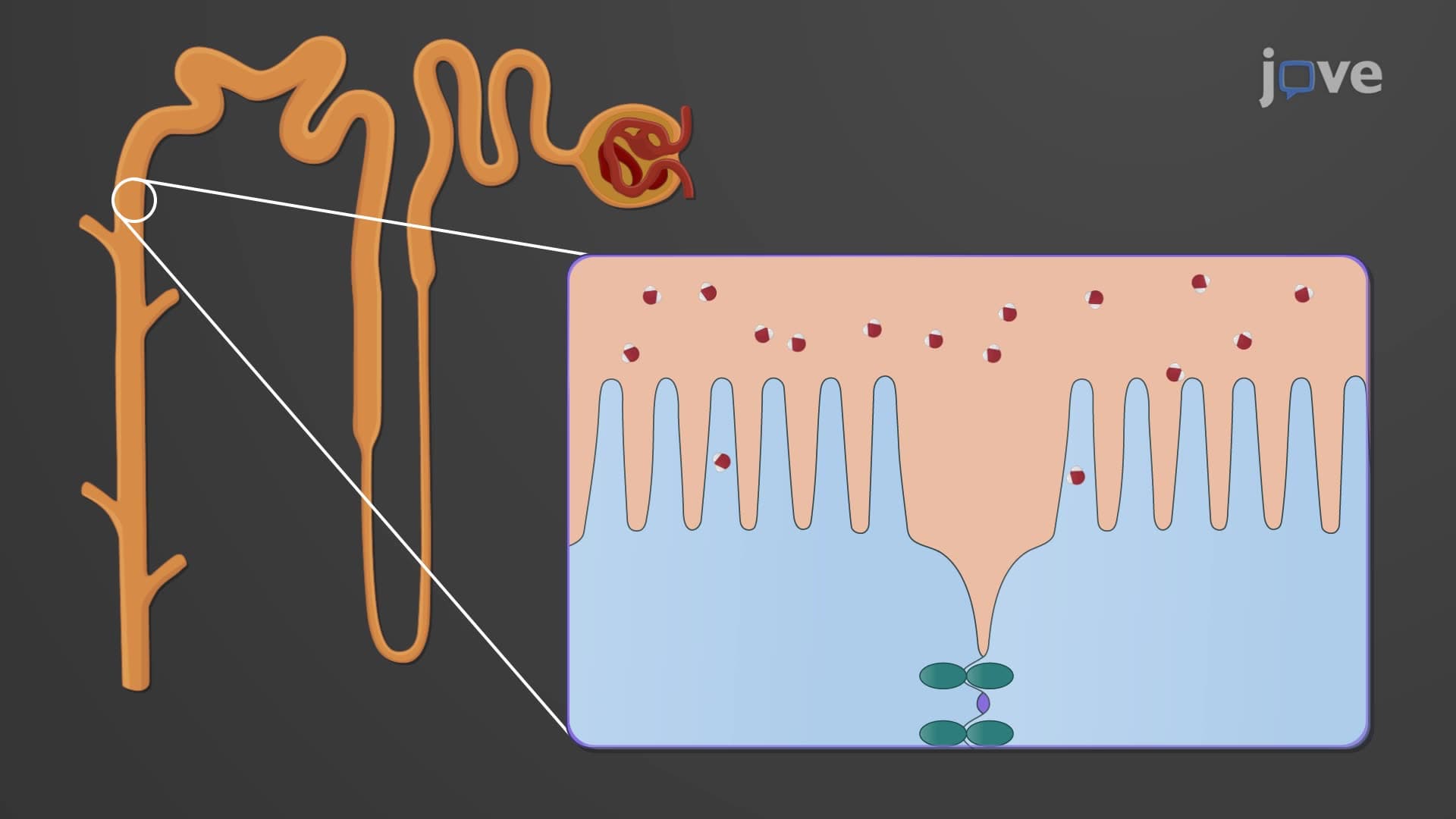
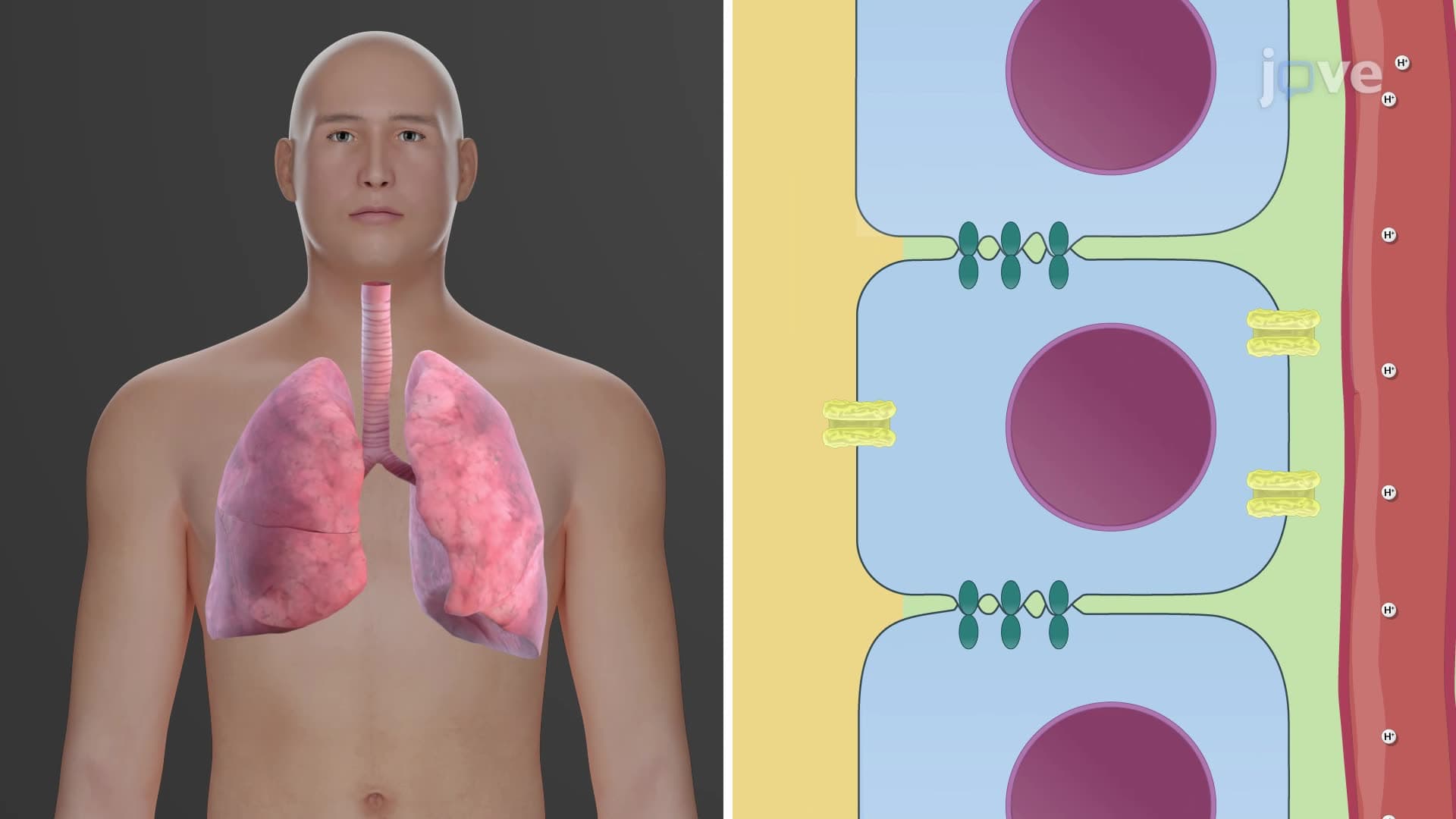
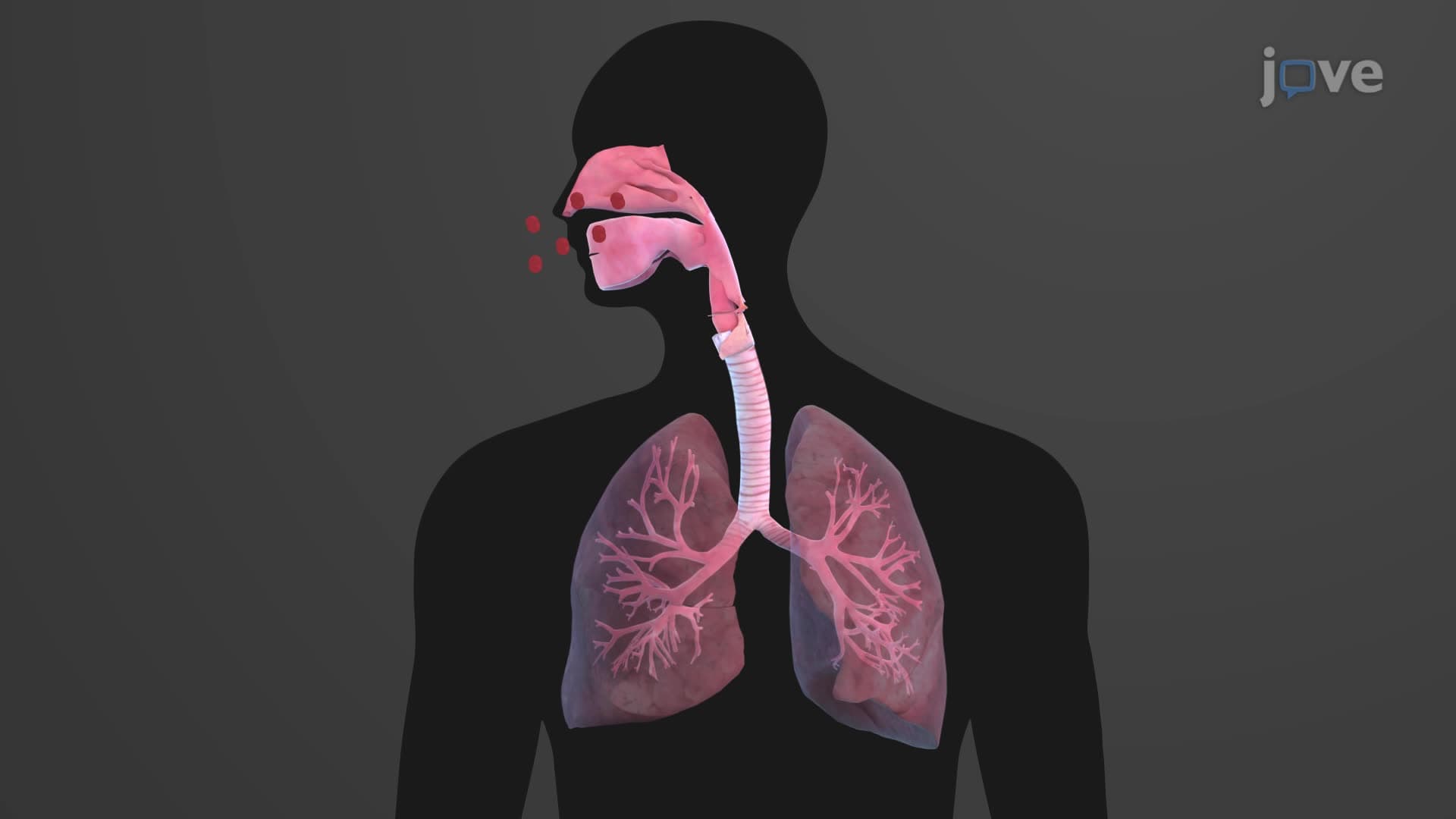
At the molecular level, this buffer system follows the Henderson-Hasselbalch equation, where pH depends on the ratio of bicarbonate to dissolved CO2. When hydrogen ions flood the bloodstream (during intense exercise or diabetic ketoacidosis), bicarbonate ions act as a weak base, accepting protons to form carbonic acid. The carbonic anhydrase buffer enzyme, found abundantly in red blood cells and kidney tubules, catalyzes the rapid conversion of carbonic acid to CO2 and water. This CO2 is then expelled through the lungs, effectively removing the problematic hydrogen ions from the system.
Conversely, when blood becomes too alkaline (perhaps from excessive vomiting or hyperventilation), carbonic acid dissociates to release hydrogen ions, restoring normal pH. This bidirectional capability makes the system incredibly versatile for handling various metabolic challenges.
The effectiveness of extracellular bicarbonate buffer depends on maintaining proper PCO2 levels through respiratory control. Medical students studying for the MCAT learn that normal arterial PCO2 ranges from 35-45 mmHg, while bicarbonate levels typically measure 22-28 mEq/L. When patients present with acid-base disorders, healthcare providers use arterial blood gas analysis to assess this system's function.
For AP Biology students, understanding bicarbonate buffer physiology becomes crucial when analyzing homeostatic mechanisms. College biochemistry courses often test students' ability to predict buffer responses using Le Chatelier's principle, if acid increases, the equilibrium shifts toward CO2 production and elimination.
Despite its effectiveness, this buffer system has important limitations that appear frequently on nursing exams like NCLEX and HESI A2. When the alkaline reserve (available bicarbonate ions) becomes depleted during severe acidosis, the buffer loses effectiveness, leading to dangerous pH changes. Additionally, respiratory compromise can impair CO2 elimination, reducing the system's capacity to handle acid loads. This explains why patients with COPD or pneumonia are particularly vulnerable to acid-base imbalances.
Related Micro-courses