Loading video…


 25 Concepts
 34.8K views

Video Summary: Lipids Dietary Sources and Requirements Explained
Did you know that nearly 40% of calories in the average American diet come from fats, yet most people can't identify which foods provide essential fatty acids their bodies can't make? Understanding dietary lipid sources requirements is crucial for optimal health and nutrition. For instance, the omega-6 fatty acids in sunflower oil used in popular US snack foods serve completely different biological functions than the saturated fats in a McDonald's burger. Lipids Dietary Sources And Requirements Explained covers how different fat types impact your body's cellular functions and energy metabolism. Watch the full video on JoVE Coach to master this concept with expert-led visuals and step-by-step explanations.
Dietary lipids represent one of the three essential macronutrients, providing concentrated energy at 9 calories per gram-more than double that of carbohydrates or proteins. Unlike simple energy sources, lipids serve multiple critical biological functions that extend far beyond fuel for cellular metabolism. The complexity of fat nutrition becomes apparent when examining how different lipid structures influence everything from hormone production to brain function.
The structural differences between saturated and unsaturated fats directly impact their food sources and biological effects. Saturated fats, with their straight molecular chains, remain solid at room temperature and predominantly originate from animal products. Ground beef (containing approximately 6 grams saturated fat per 3-ounce serving), whole milk, butter, and cheese represent primary saturated fat sources in the American diet. Coconut oil and palm oil, despite being plant-based, also contain high saturated fat concentrations due to their unique fatty acid profiles.
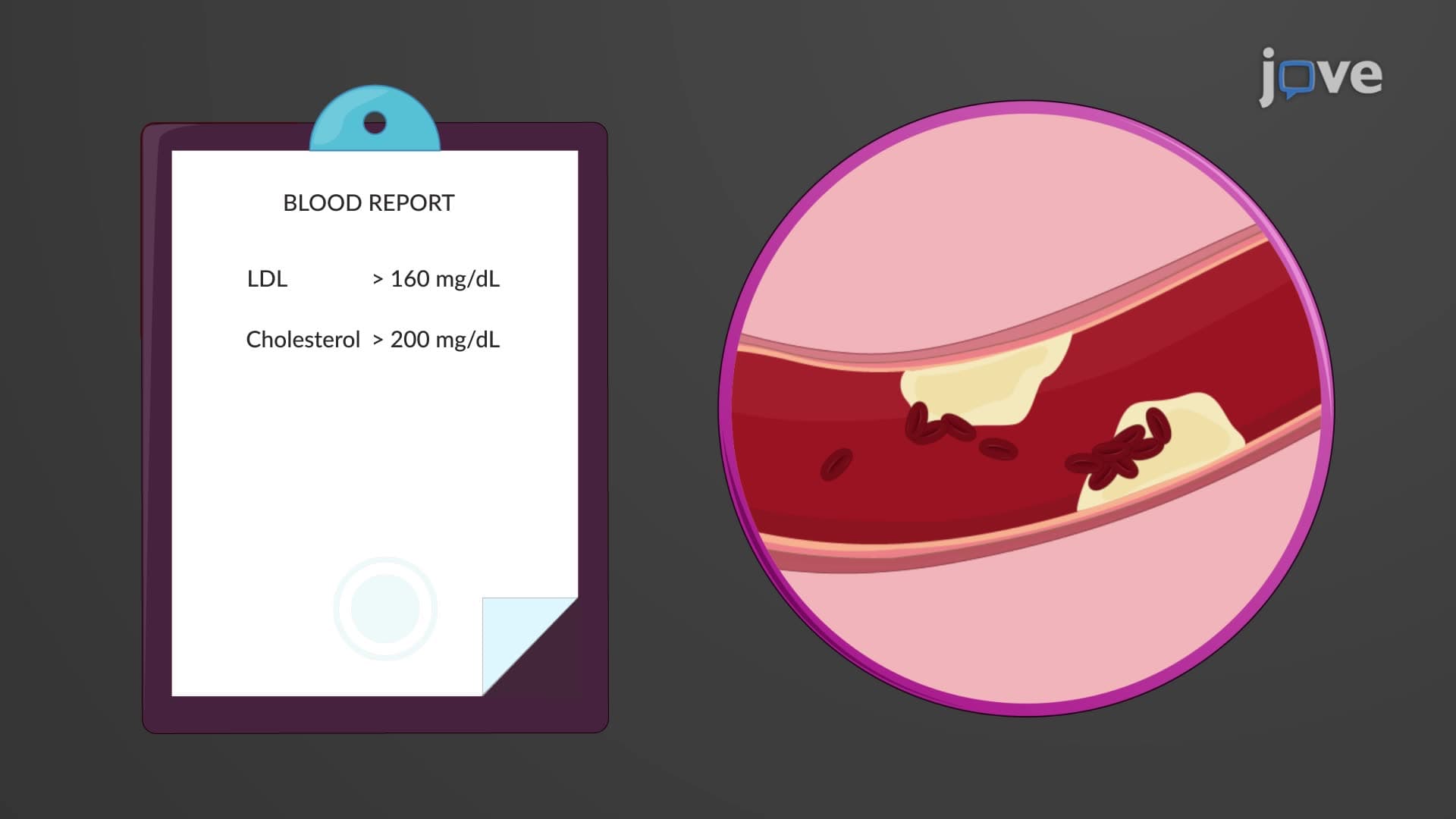
Conversely, unsaturated fats contain molecular "kinks" that keep them liquid at room temperature. Monounsaturated fats abundant in olive oil, avocados, and almonds help reduce LDL cholesterol levels when substituted for saturated fats. Polyunsaturated fats from sources like salmon, walnuts, and flaxseeds provide essential fatty acids that human cells cannot synthesize independently.
Two fatty acids qualify as "essential" because human metabolism cannot produce them: linoleic acid (omega-6) and alpha-linolenic acid (omega-3). The typical American diet provides excessive omega-6 fatty acids from corn oil, soybean oil, and processed foods, creating inflammatory imbalances. The ideal omega-6 to omega-3 ratio should approach 4:1, yet most Americans consume ratios exceeding 15:1.
Linoleic acid serves as a precursor for arachidonic acid, which generates prostaglandins involved in inflammation and blood clotting. These biochemical pathways become particularly important for students preparing for advanced placement biology or pre-medical coursework, as they illustrate how dietary choices directly influence cellular signaling mechanisms.
Lipids facilitate absorption of vitamins A, D, E, and K through micelle formation in the small intestine. Without adequate dietary fat intake (minimum 20-25% of total calories), deficiencies in these vitamins can develop even with sufficient vitamin consumption. This principle frequently appears on MCAT biochemistry sections and registered dietitian examination questions.
Current dietary guidelines recommend limiting total fat intake to 20-35% of daily calories, with saturated fats comprising less than 10% of total caloric intake. For an active 18-year-old consuming 2,500 calories daily, this translates to approximately 56-97 grams of total fat, with saturated fat limited to under 28 grams.
Related Micro-courses