Loading video…


 6 Concepts
 735.4K views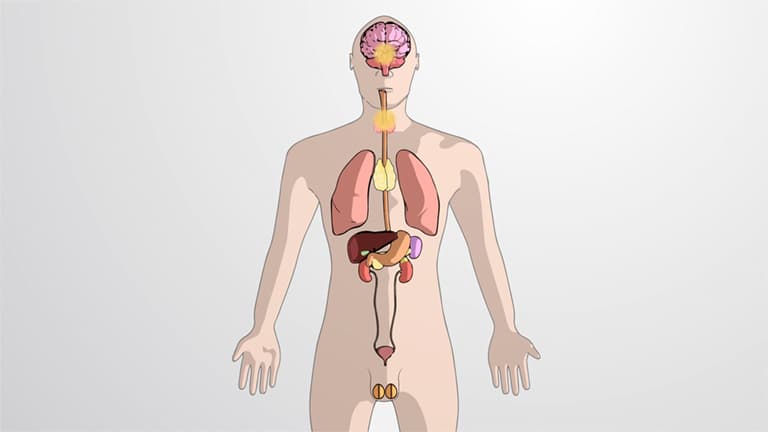

Video Summary: The Endocrine System Definition
Ever wonder how your body knows to grow taller during puberty or release adrenaline when you're startled? The endocrine system orchestrates these remarkable processes through a complex network of hormone-producing glands. When an American teenager experiences their growth spurt, their pituitary gland releases growth hormone that travels through their bloodstream to target specific cells throughout their body. The endocrine system definition encompasses this intricate communication network that maintains everything from blood sugar levels to reproductive cycles. Watch the full video on JoVE Coach to master this concept with expert-led visuals and step-by-step explanations.
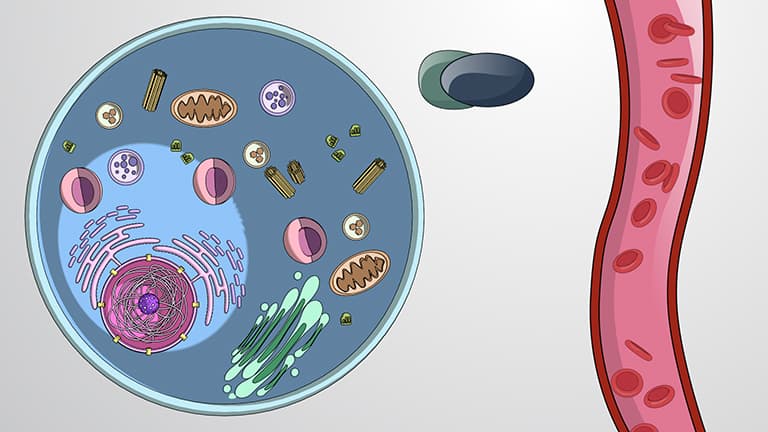
The endocrine system represents one of the body's most sophisticated communication networks, functioning as a chemical messaging system that coordinates countless physiological processes. Unlike the nervous system's rapid electrical signals, endocrine communication relies on hormones-specialized chemical messengers that travel through the bloodstream to orchestrate everything from daily metabolism to long-term growth and development.
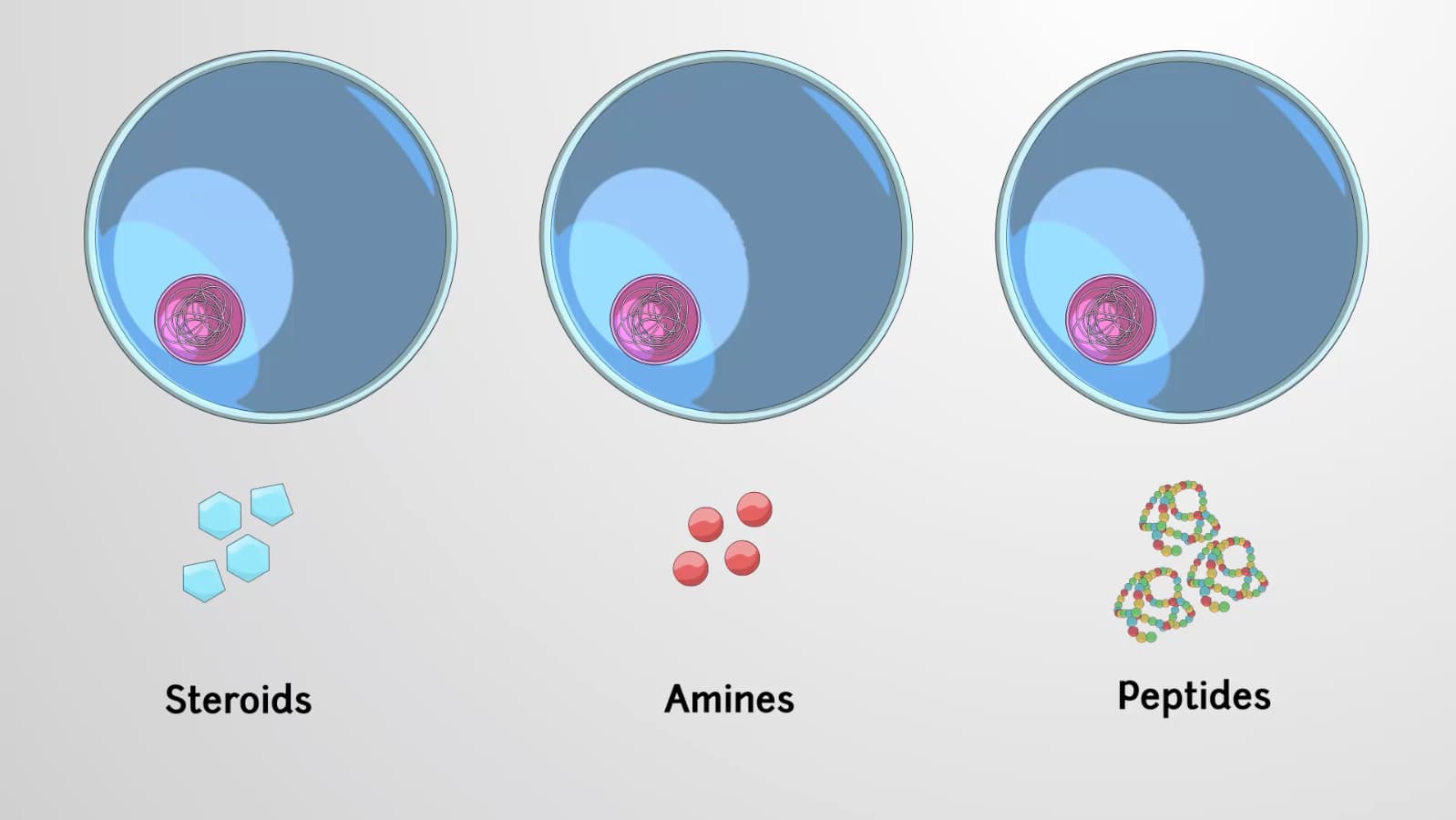
The endocrine system comprises several key elements working in harmony. Endocrine glands serve as hormone factories, producing and secreting these chemical signals directly into the bloodstream. Major glands include the pituitary (often called the "master gland"), thyroid, adrenal glands, pancreas, and reproductive organs. Each gland produces specific hormones with distinct functions-for instance, the pancreas releases insulin to regulate blood sugar, while the thyroid produces hormones controlling metabolic rate.
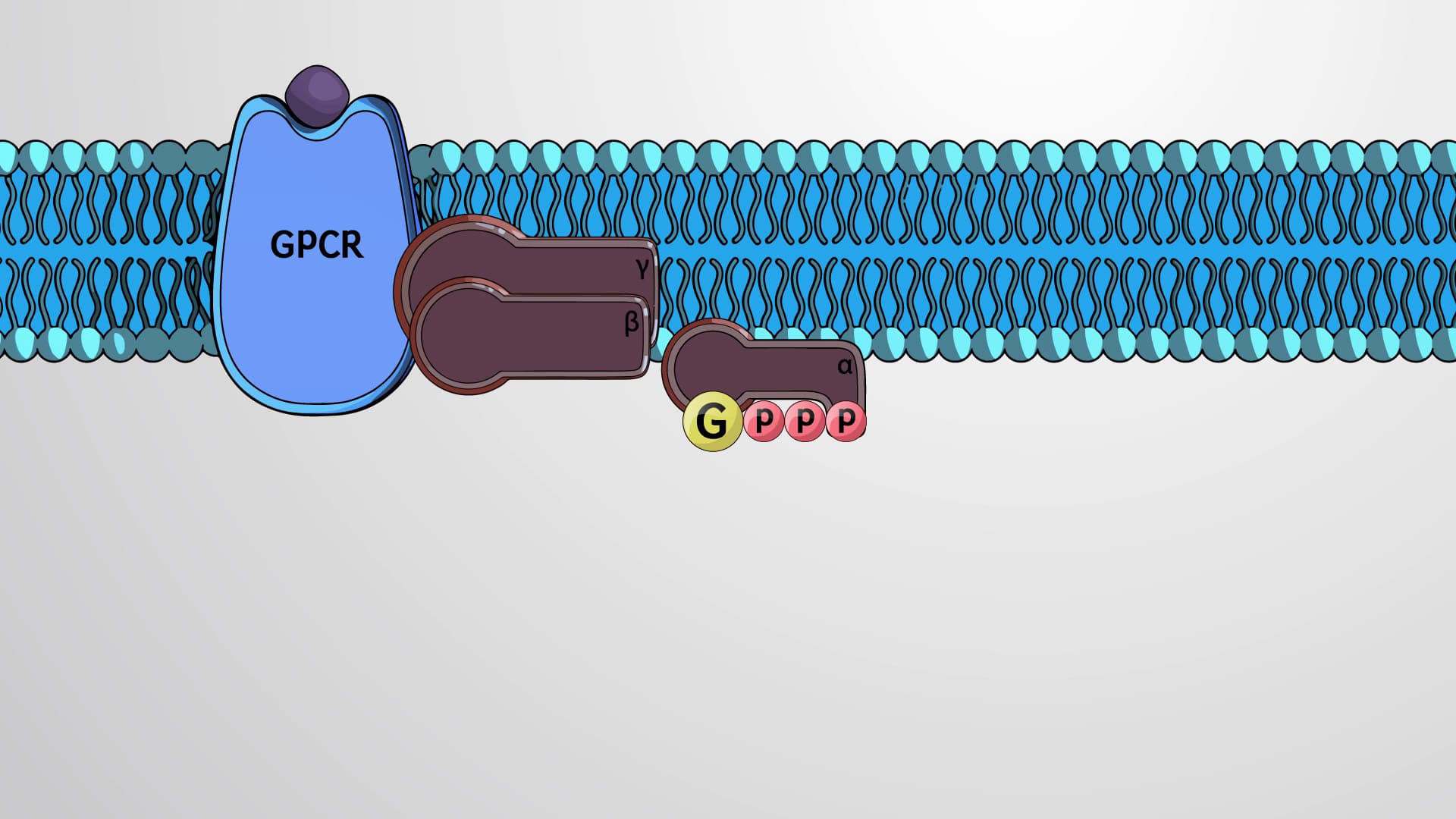
Target cells represent the receiving end of this communication system. These cells possess specialized protein receptors that recognize and bind to specific hormones, much like a lock-and-key mechanism. This specificity ensures that hormones only affect appropriate tissues. For example, insulin primarily targets muscle, fat, and liver cells, despite circulating throughout the entire body.
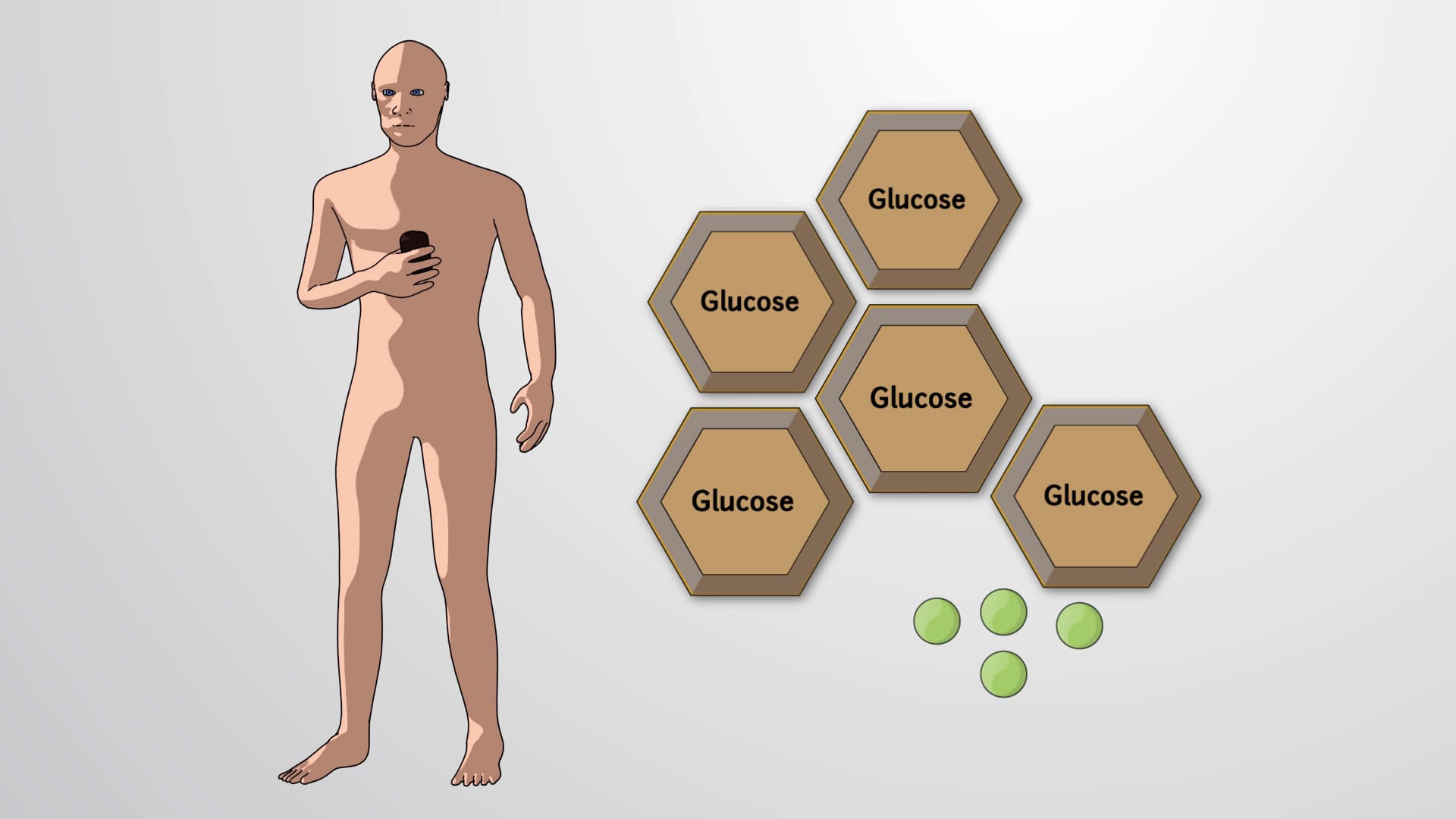
Endocrine regulation operates through sophisticated feedback mechanisms that maintain homeostasis. Consider how American diabetics manage their condition: when blood glucose rises after eating, pancreatic beta cells detect this change and release insulin. This hormone signals target cells to absorb glucose, lowering blood sugar levels. As glucose normalizes, insulin secretion decreases-a perfect example of negative feedback regulation.
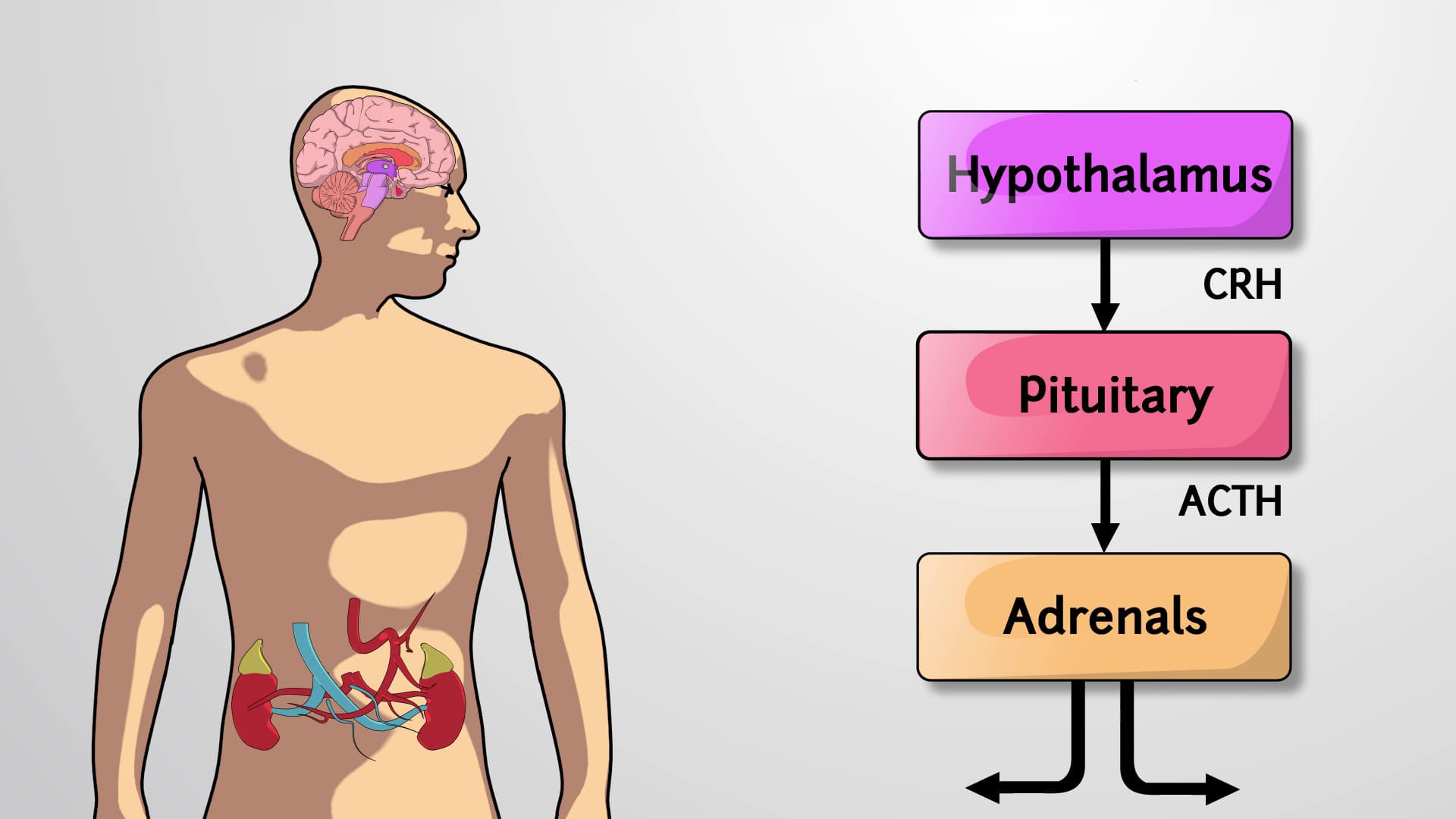
The endocrine system's influence extends far beyond basic metabolism. During puberty, hormonal cascades trigger dramatic physical and emotional changes. The hypothalamus initiates this process by releasing hormones that stimulate the pituitary gland, which then activates reproductive organs to produce sex hormones. This coordinated response demonstrates the system's hierarchical organization and precise timing.
Understanding endocrine function proves essential for students pursuing healthcare careers and those preparing for standardized exams. The MCAT extensively tests endocrine concepts, particularly hormone regulation and feedback mechanisms. AP Biology students encounter detailed endocrine questions covering everything from molecular hormone action to system-wide regulatory cascades.
Real-world applications abound in American healthcare. Endocrine disorders like diabetes, thyroid disease, and hormonal imbalances affect millions of Americans annually. Healthcare professionals must understand normal endocrine function to diagnose and treat these conditions effectively, making this knowledge crucial for future nurses, doctors, and medical researchers.
Related Micro-courses