Loading subject page…


735,405 views

Video Summary: What Is Feedback Loops
Ever wonder why your body temperature stays steady at 98.6°F even when it's freezing outside? Feedback loops are the invisible control systems that keep our bodies-and countless other systems-running smoothly by automatically adjusting responses based on outcomes. From insulin regulation in diabetes management at hospitals like Johns Hopkins to thermostat controls in your home, these self-correcting mechanisms are everywhere. Understanding what is feedback loops reveals how biological and mechanical systems maintain balance through continuous monitoring and adjustment. Watch the full video on JoVE Coach to master this concept with expert-led visuals and step-by-step explanations.
What is feedback loops? At their core, feedback loops are regulatory circuits that use the output of a system to control its input, creating a self-regulating mechanism. Think of them as biological or mechanical "cruise control" systems that automatically adjust to maintain desired conditions. These systems are fundamental to homeostasis-the process by which living organisms maintain stable internal conditions despite external changes.
The basic anatomy of any feedback loop includes three essential components: a stimulus (trigger), a response mechanism, and a control signal that either amplifies or dampens the original stimulus. This simple yet powerful design appears everywhere from cellular metabolism to global climate patterns.
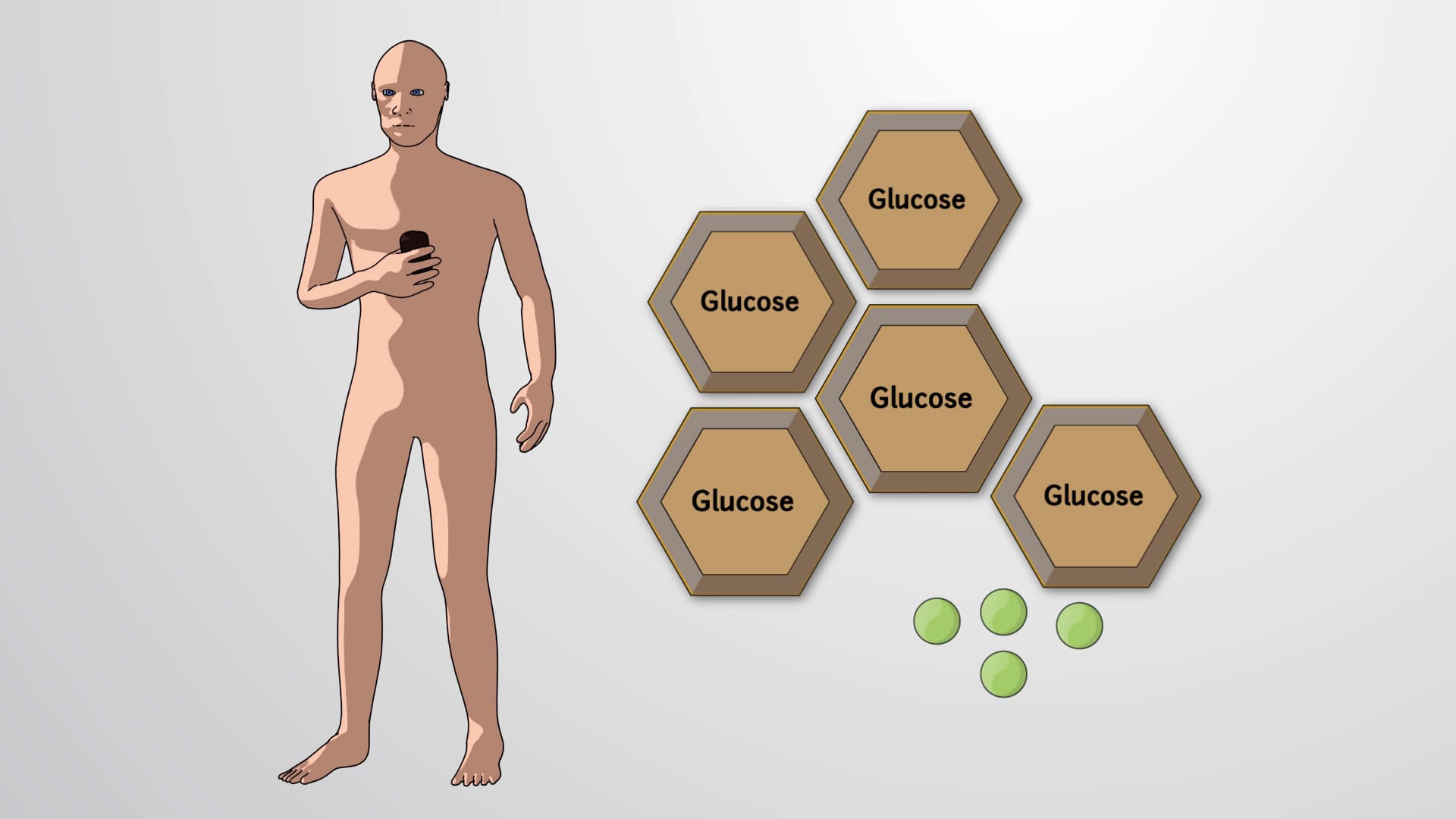
Negative feedback loops are the workhorses of biological regulation, accounting for most homeostatic processes in the human body. These systems work by opposing changes, much like a thermostat maintains room temperature. When blood glucose rises after eating a meal at McDonald's, pancreatic cells detect this increase and release insulin. Insulin then signals cells throughout the body to absorb glucose, lowering blood sugar levels. As glucose levels drop, insulin production decreases-completing the regulatory circle.
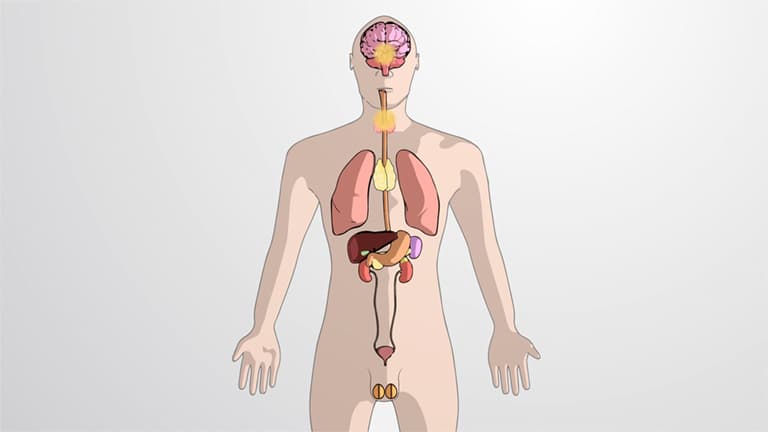
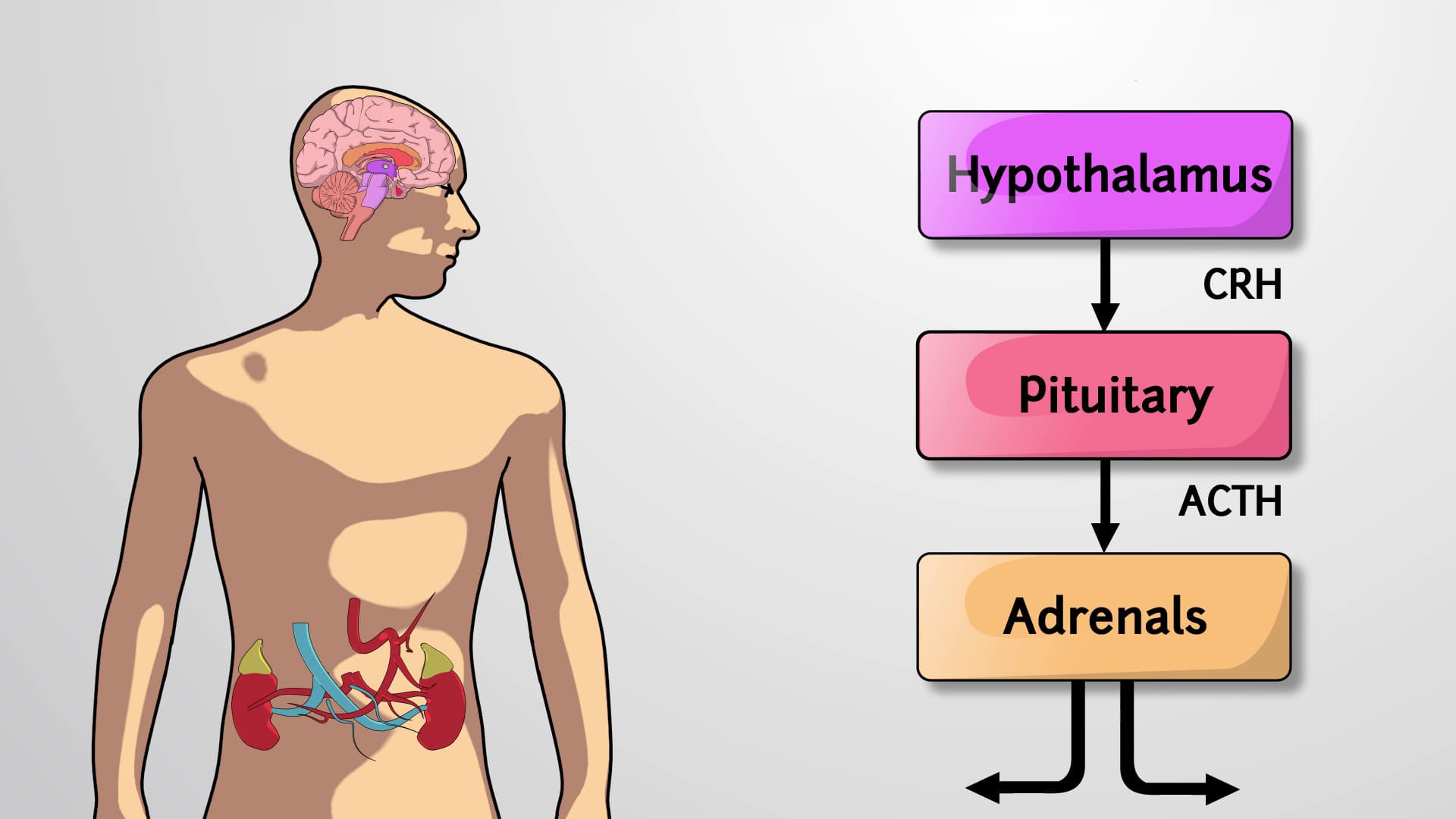
This same principle governs everything from blood pressure regulation to hormone production. The thyroid gland uses negative feedback to control metabolism: when thyroid hormone levels rise, the brain's hypothalamus reduces its stimulating signals, causing hormone production to decrease. Students preparing for the AP Biology exam or MCAT will encounter these examples repeatedly, as they represent core concepts in human physiology.
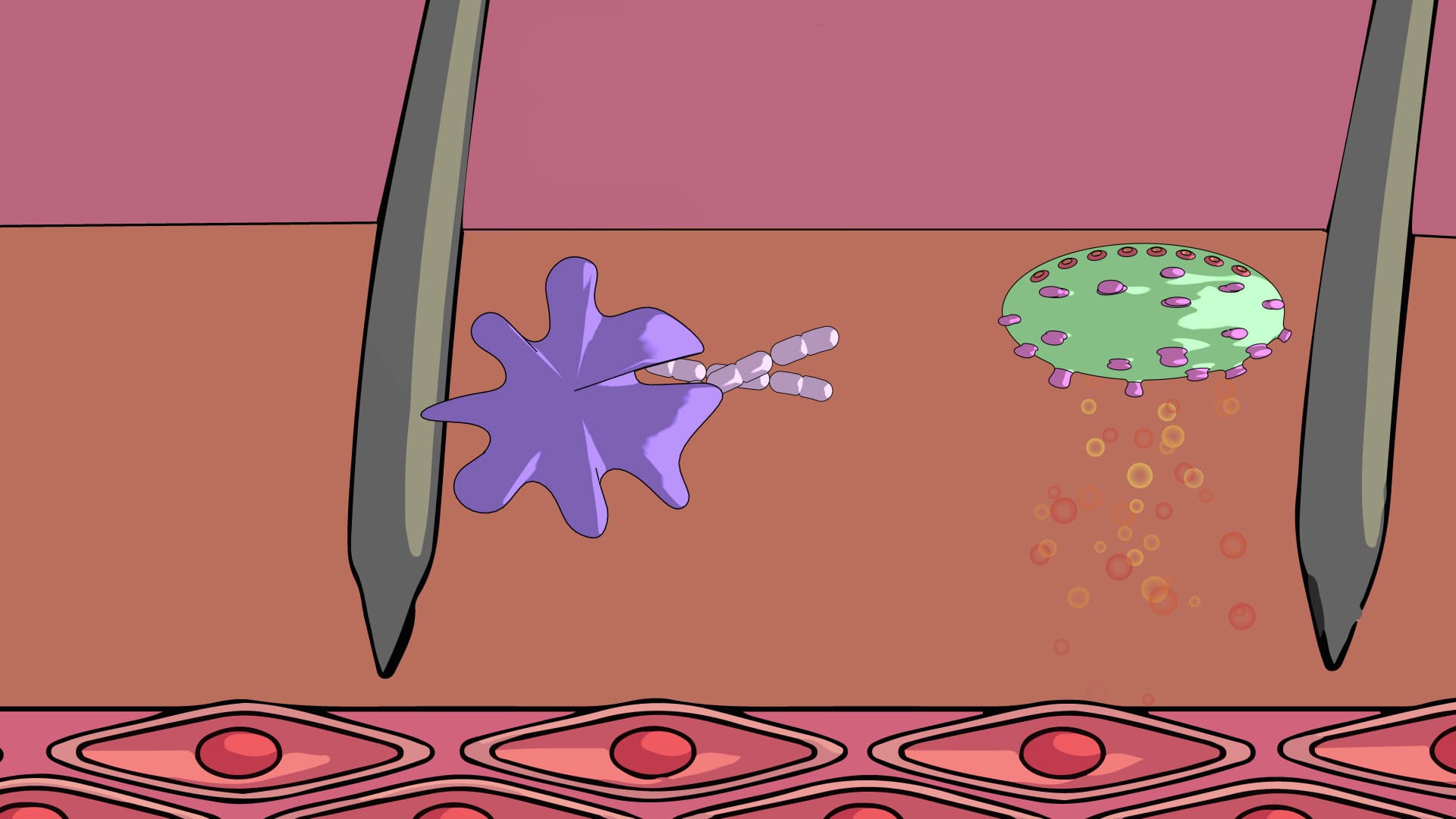
While less common than negative feedback, positive feedback loops serve crucial functions by amplifying responses until a specific endpoint is reached. The most familiar example is childbirth: as labor begins, the hormone oxytocin causes uterine contractions. These contractions stimulate more oxytocin release, creating increasingly powerful contractions until delivery occurs. Blood clotting represents another vital positive feedback system-when a blood vessel is injured, clotting factors activate more clotting factors, rapidly sealing the wound.
Understanding both types prepares students for success on exams like the USMLE Step 1, where feedback loop questions frequently appear in endocrinology and physiology sections.
Healthcare professionals at institutions like the Mayo Clinic and Cleveland Clinic rely on feedback loop principles daily. Diabetes management involves understanding how insulin feedback loops malfunction, leading to treatment strategies that restore proper glucose regulation. Similarly, understanding feedback loops explains why certain medications work: beta-blockers interrupt feedback loops that elevate heart rate and blood pressure.
For students tackling college-level biology or preparing for nursing entrance exams like the HESI A2 or TEAS, recognizing feedback loops in clinical scenarios becomes essential for both exam success and future patient care.
Related Micro-courses