Loading video…


 7 Concepts
 326.6K views

Video Summary: Evolutionary History Definition
Did you know that whales share a closer evolutionary relationship with humans than with fish, despite living in the ocean? Evolutionary history traces how life transformed from simple single-celled organisms 3.5 billion years ago to the complex biodiversity we see today. Scientists studying fossils from the La Brea Tar Pits in Los Angeles have reconstructed millions of years of life's journey using phylogenetic trees and fossil records. Watch the full video on JoVE Coach to master this concept with expert-led visuals and step-by-step explanations.
Evolutionary history definition encompasses the comprehensive study of how life on Earth has changed and diversified over approximately 3.8 billion years. This field combines paleontology, molecular biology, and comparative anatomy to reconstruct the tree of life. Unlike a simple timeline, evolutionary history reveals the branching patterns of descent that connect all living organisms through common ancestors.
The discipline gained prominence in American universities following Charles Darwin's work, with institutions like Harvard and Yale leading early fossil collection efforts. Today, evolutionary history forms the backbone of biology curricula in AP Biology courses and college-level evolutionary biology classes across the United States.
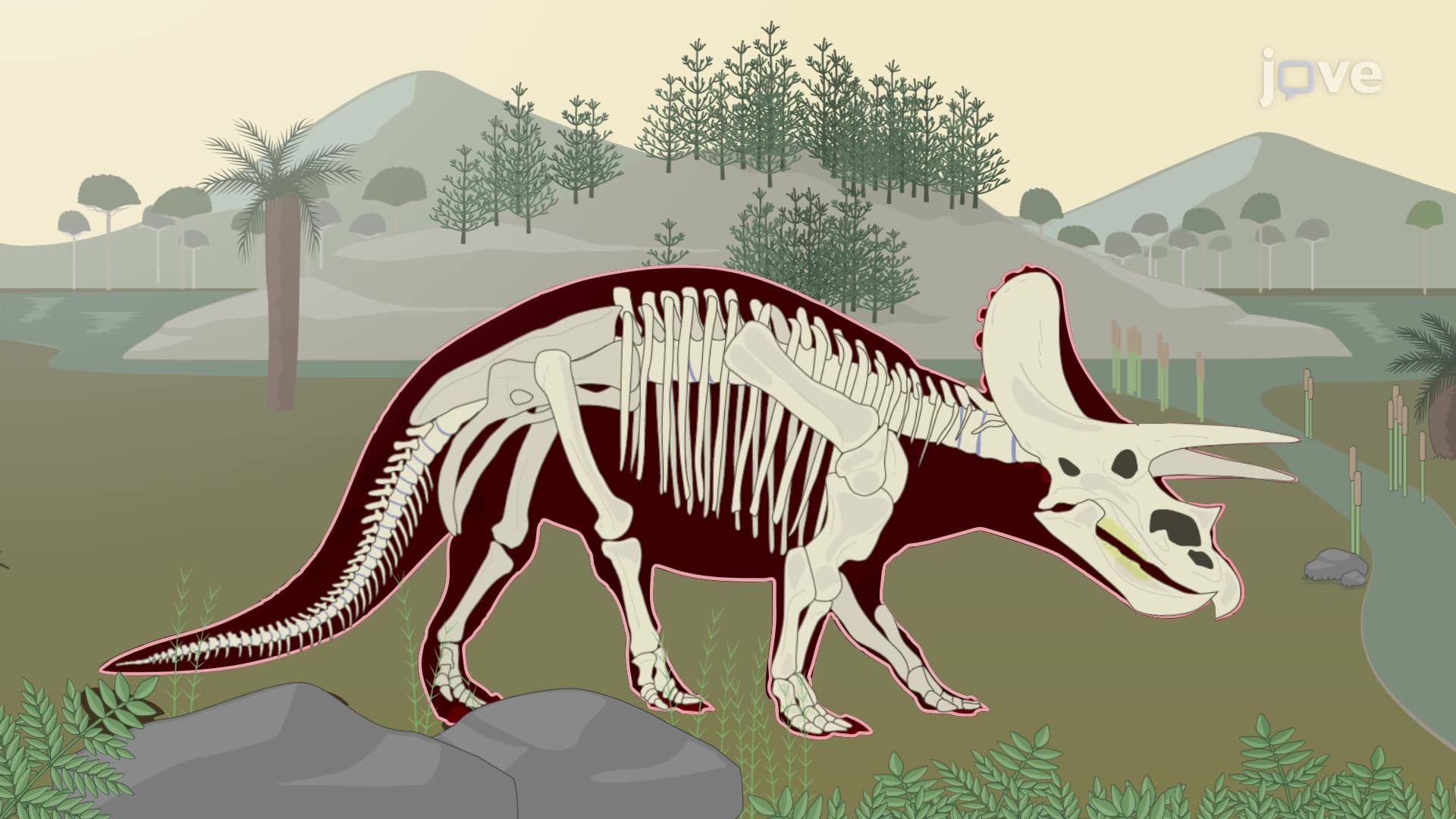
The fossil record serves as our primary historical document of past life. American fossil sites like Dinosaur National Monument in Colorado and the Burgess Shale formations provide exceptional preservation of ancient organisms. These fossils reveal not just what organisms looked like, but how they lived, died, and evolved over time.
Paleontologists use radiometric dating techniques to determine fossil ages, creating a chronological framework for evolutionary events. The fossil record shows clear patterns: simple prokaryotic cells dominated Earth's first 2 billion years, followed by increasingly complex eukaryotic cells, and eventually multicellular organisms. Students preparing for the MCAT or AP Biology exams should understand how gaps in the fossil record reflect preservation challenges rather than sudden appearance of species.
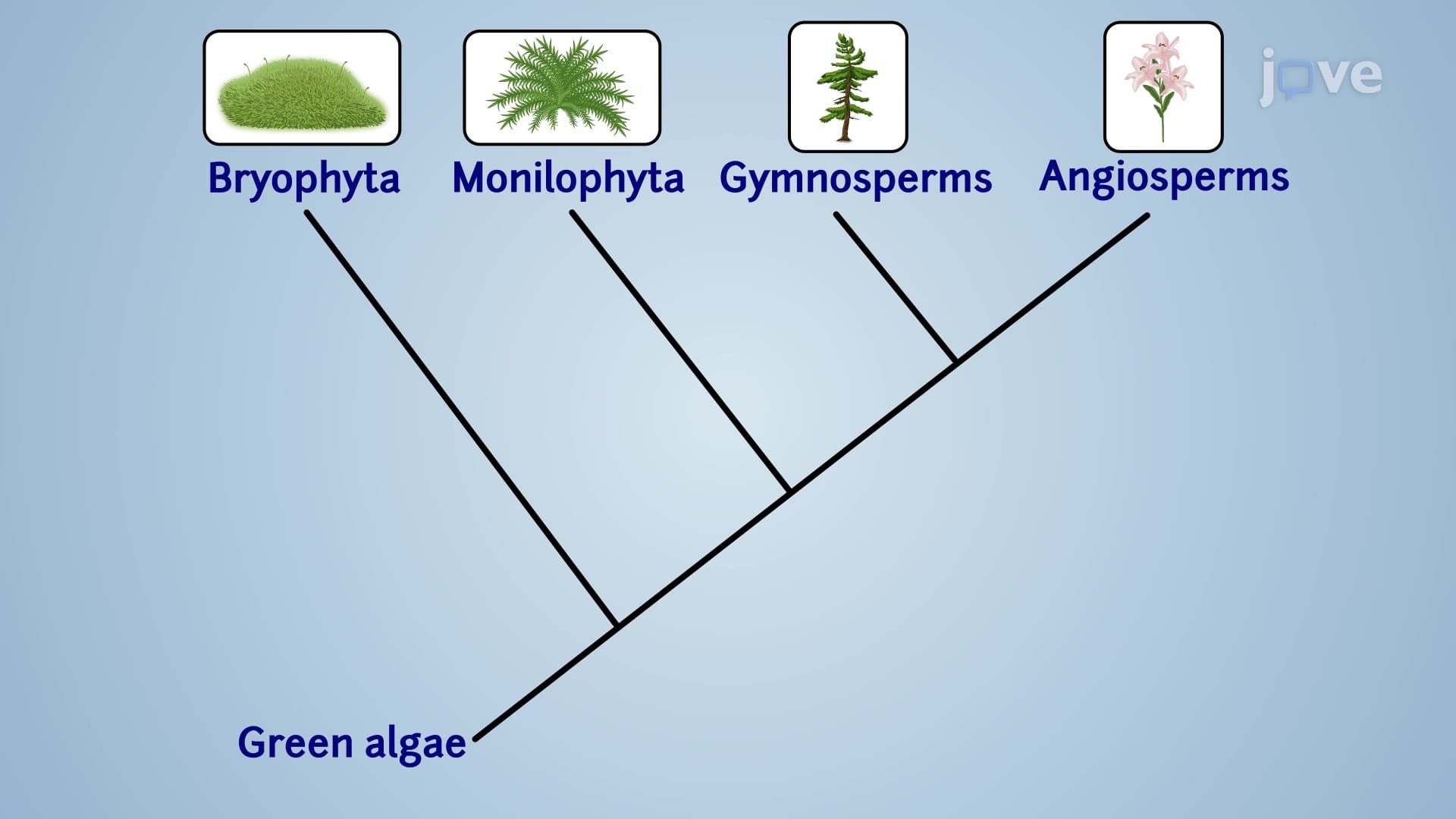
Phylogenetic trees represent hypotheses about evolutionary relationships based on shared characteristics. Modern molecular techniques allow scientists to compare DNA sequences between species, creating more accurate trees than those based solely on physical features. The famous whale evolution example illustrates this perfectly: despite whales' fish-like appearance, genetic evidence confirms their closer relationship to land mammals.
American research institutions like the Smithsonian Institution and UC Berkeley have contributed significantly to phylogenetic methodology. Students encounter these concepts in college biology courses, where they learn to interpret tree diagrams and understand concepts like monophyletic groups and convergent evolution.
Convergent evolution explains how unrelated organisms develop similar features in response to comparable environmental pressures. The streamlined body shapes of whales and fish represent independent solutions to efficient underwater movement. This concept frequently appears on standardized tests, helping students distinguish between homologous structures (shared due to common ancestry) and analogous structures (similar due to convergent evolution).
Understanding these patterns proves essential for pre-med students taking the MCAT, as questions often test the ability to differentiate between evolutionary relationships and superficial similarities.
Related Micro-courses