Loading video…


 18 Concepts
 162.9K views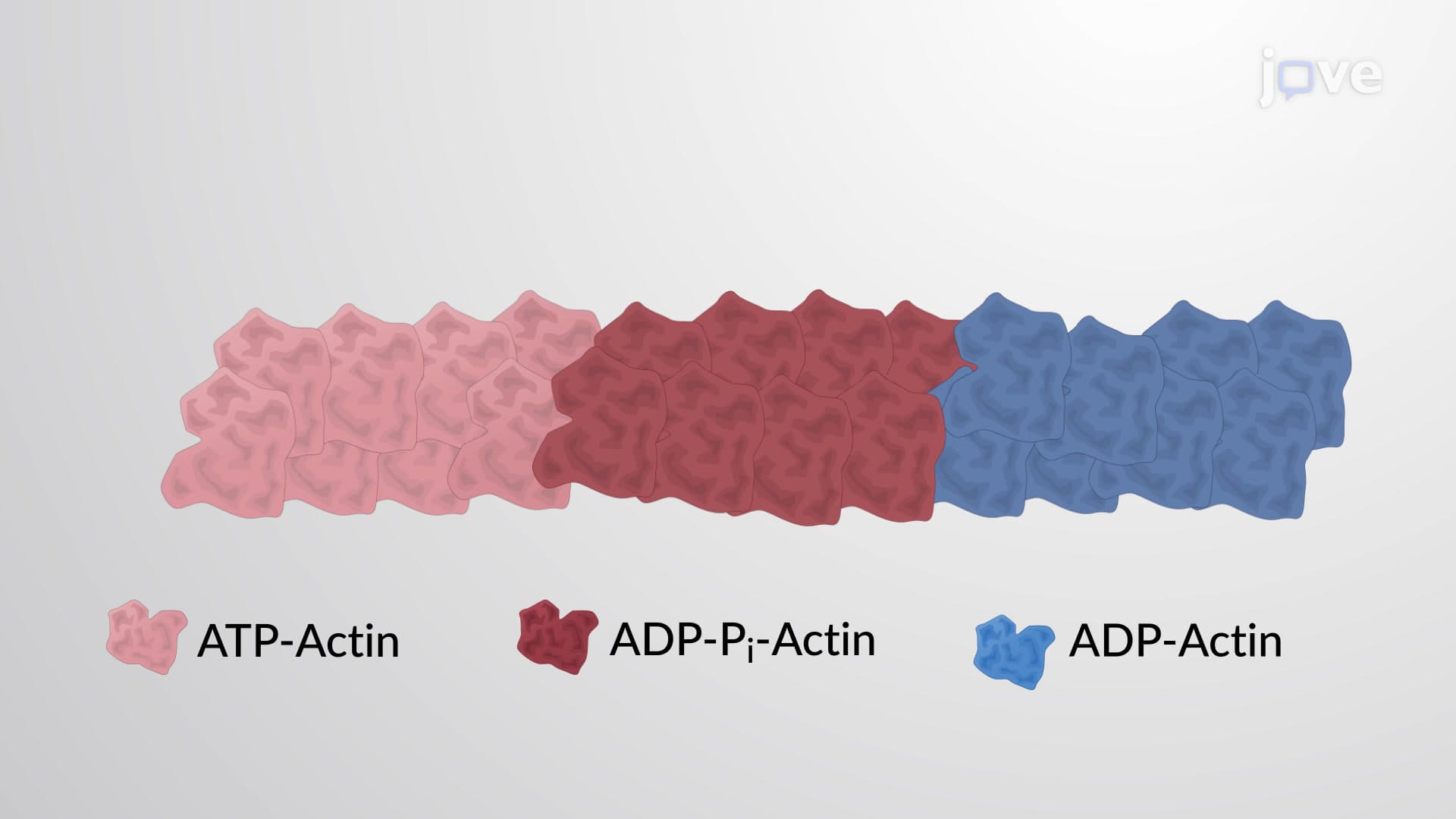

Video Summary: What Is Actin Treadmilling
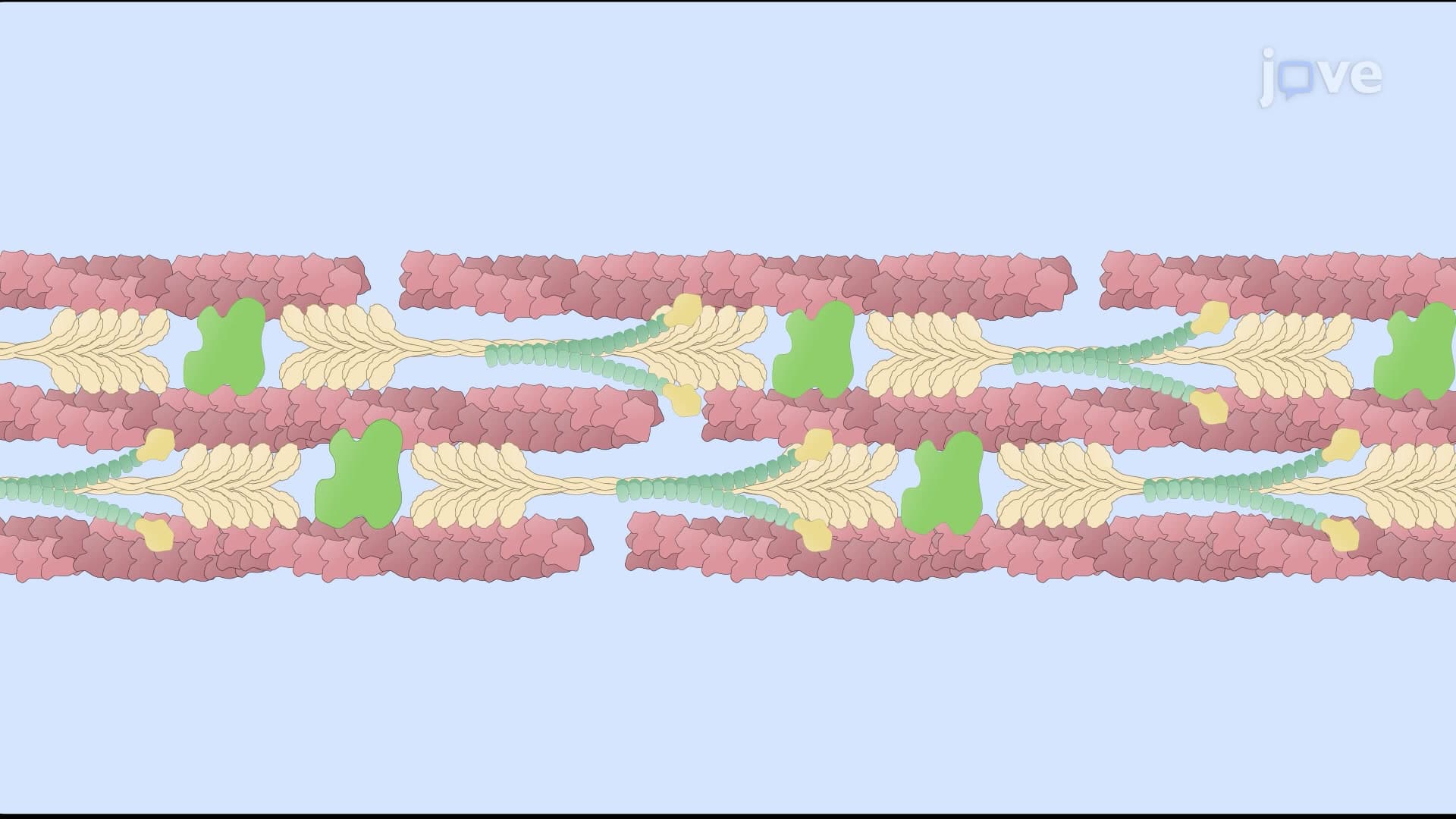
Ever wondered how muscle cells constantly reorganize without changing their overall structure? Actin treadmilling is the fascinating cellular process where protein filaments maintain constant length while continuously cycling through building blocks-like a molecular conveyor belt. In human muscle tissue, this process enables smooth contraction and cellular movement that powers everything from your heartbeat to wound healing. What is actin treadmilling becomes clear when you visualize monomers joining one end while simultaneously leaving the other, creating dynamic equilibrium within cells. Watch the full video on JoVE Coach to master this concept with expert-led visuals and step-by-step explanations.
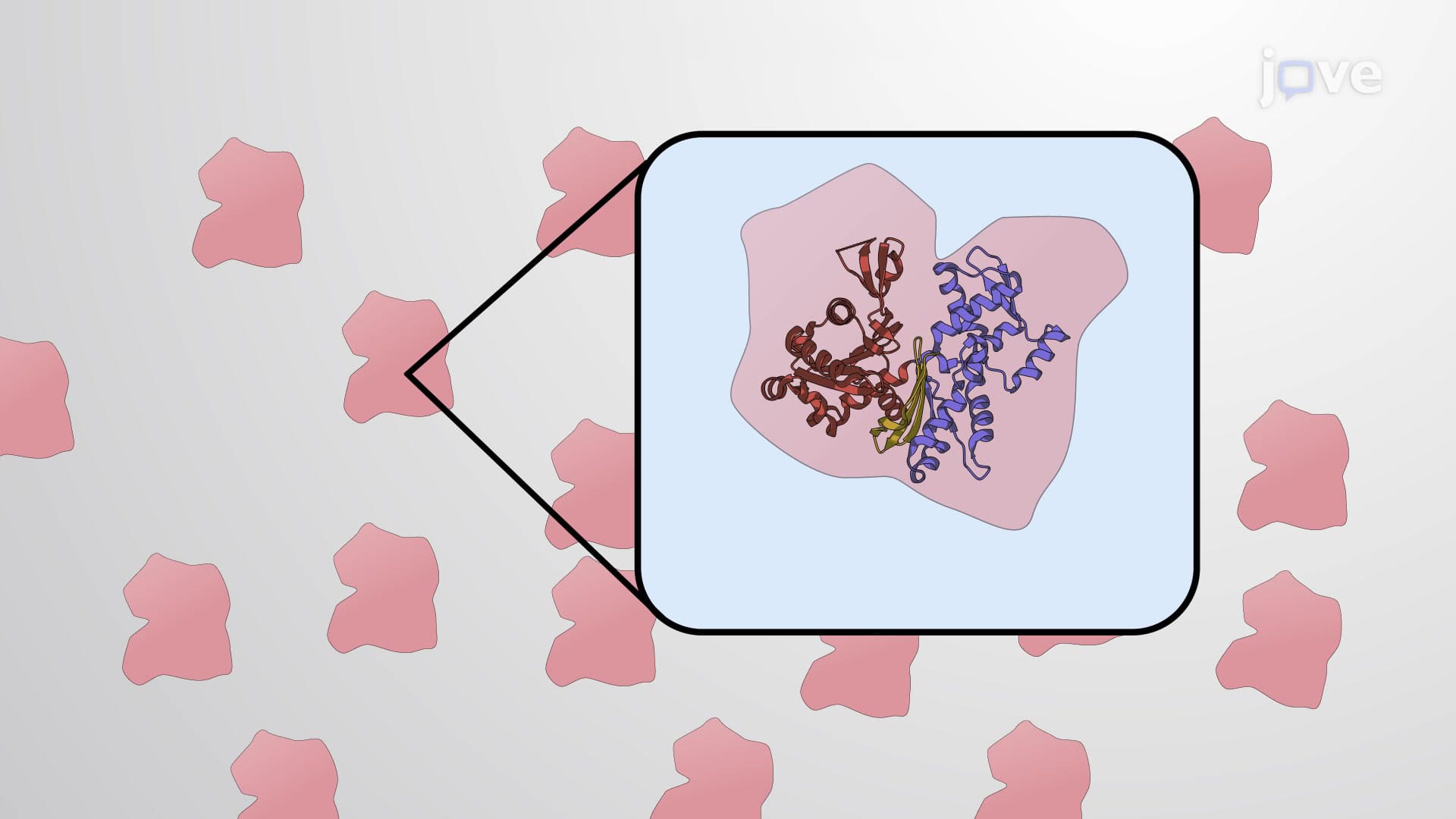
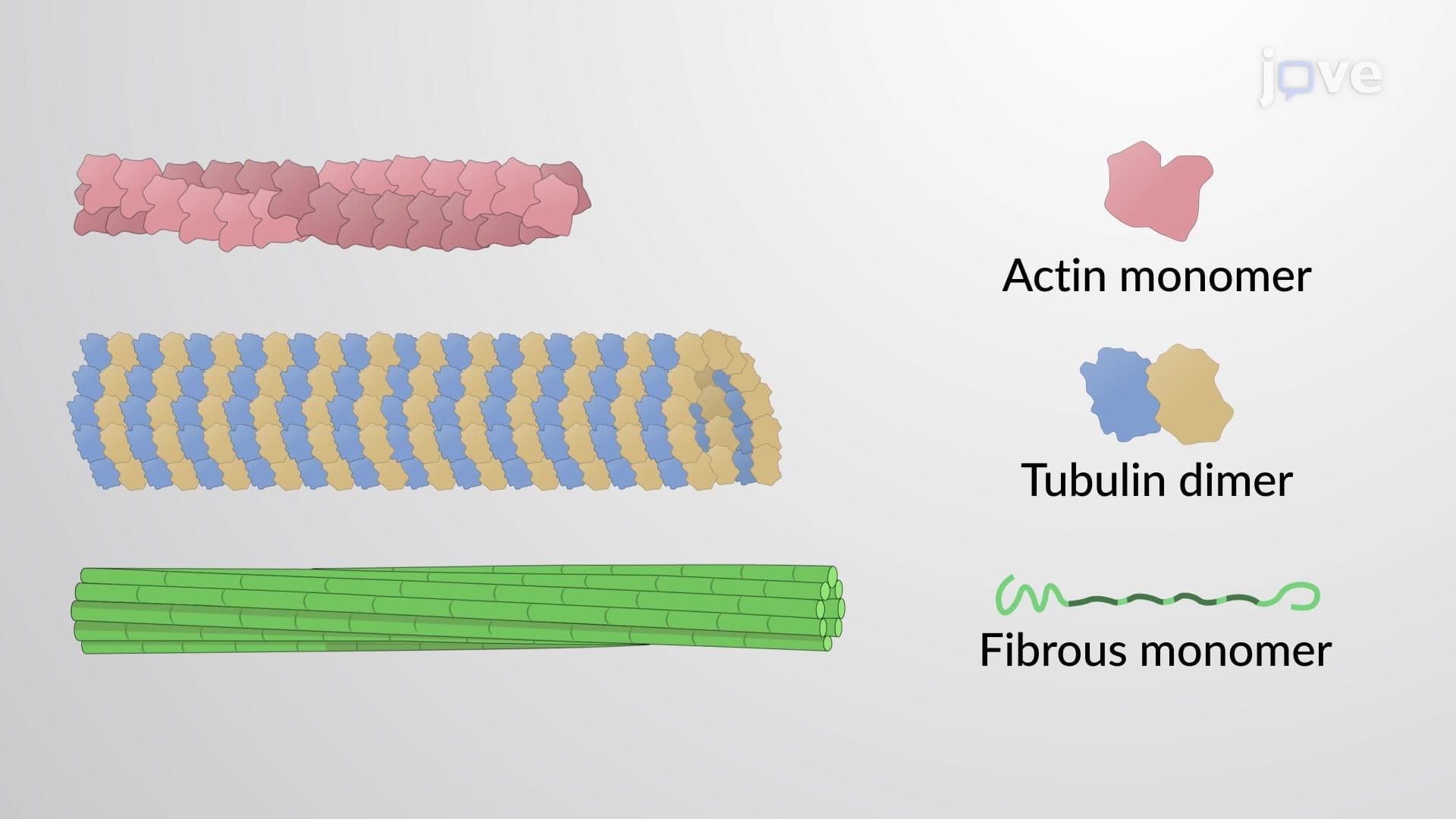
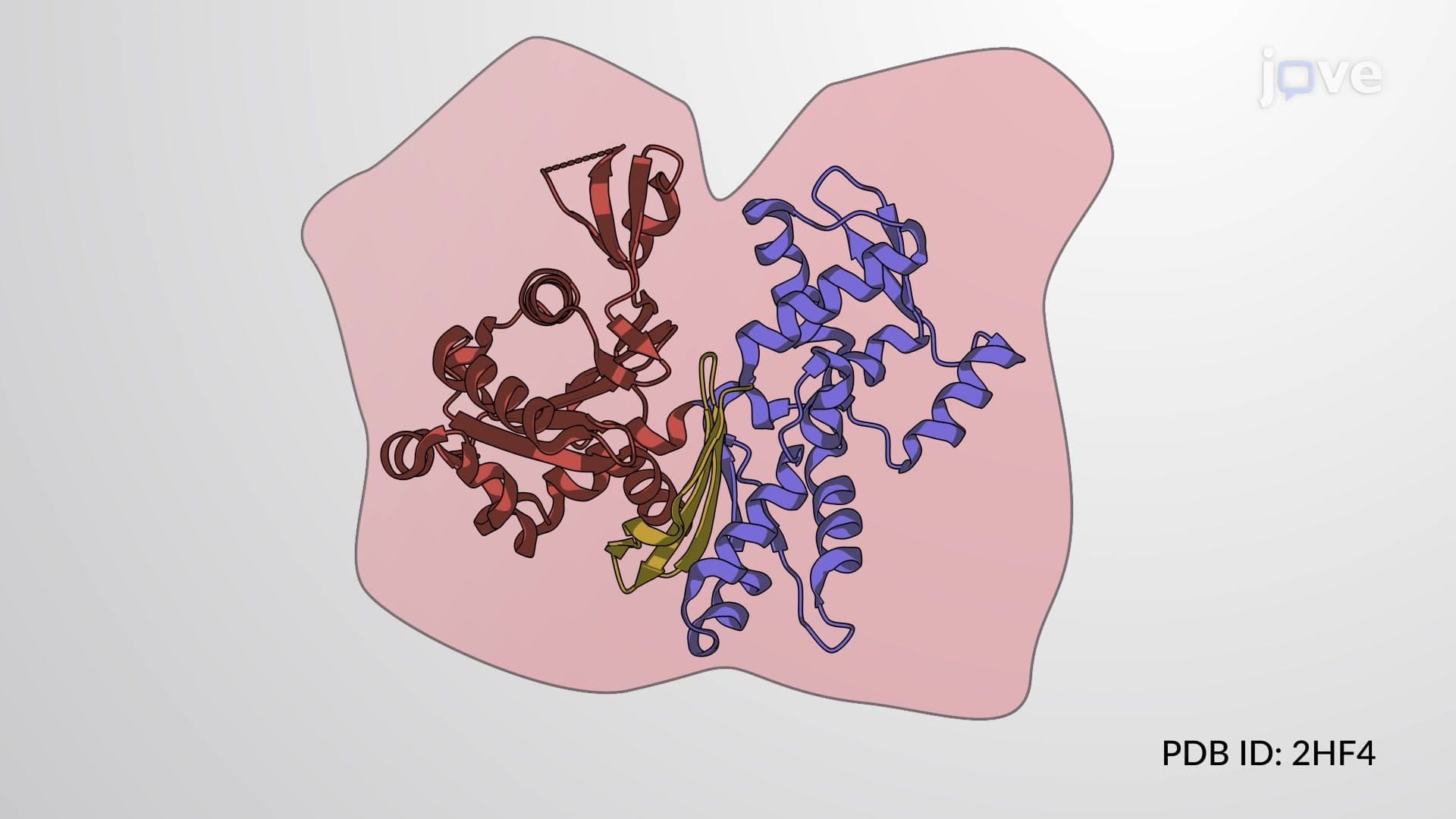
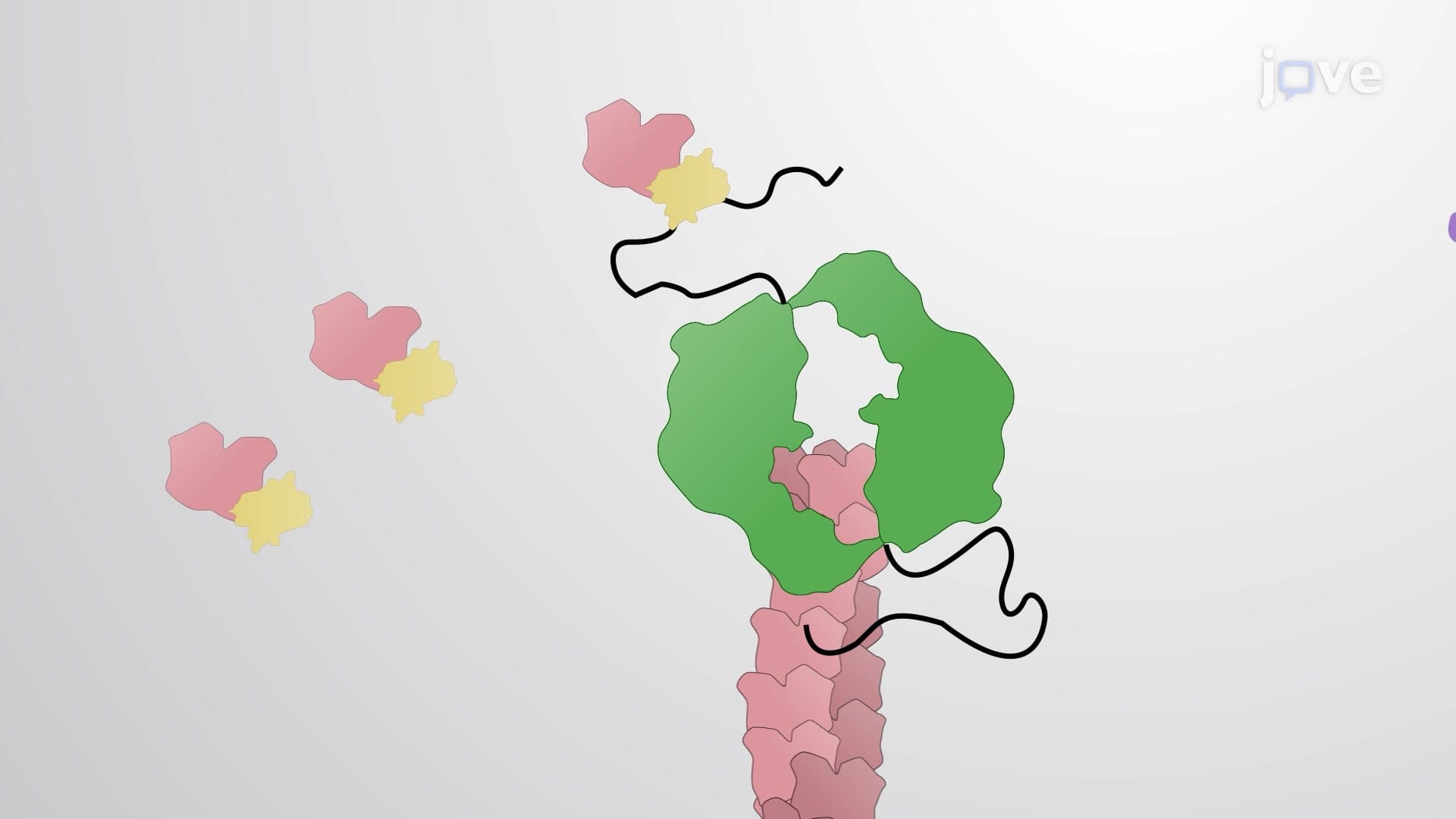
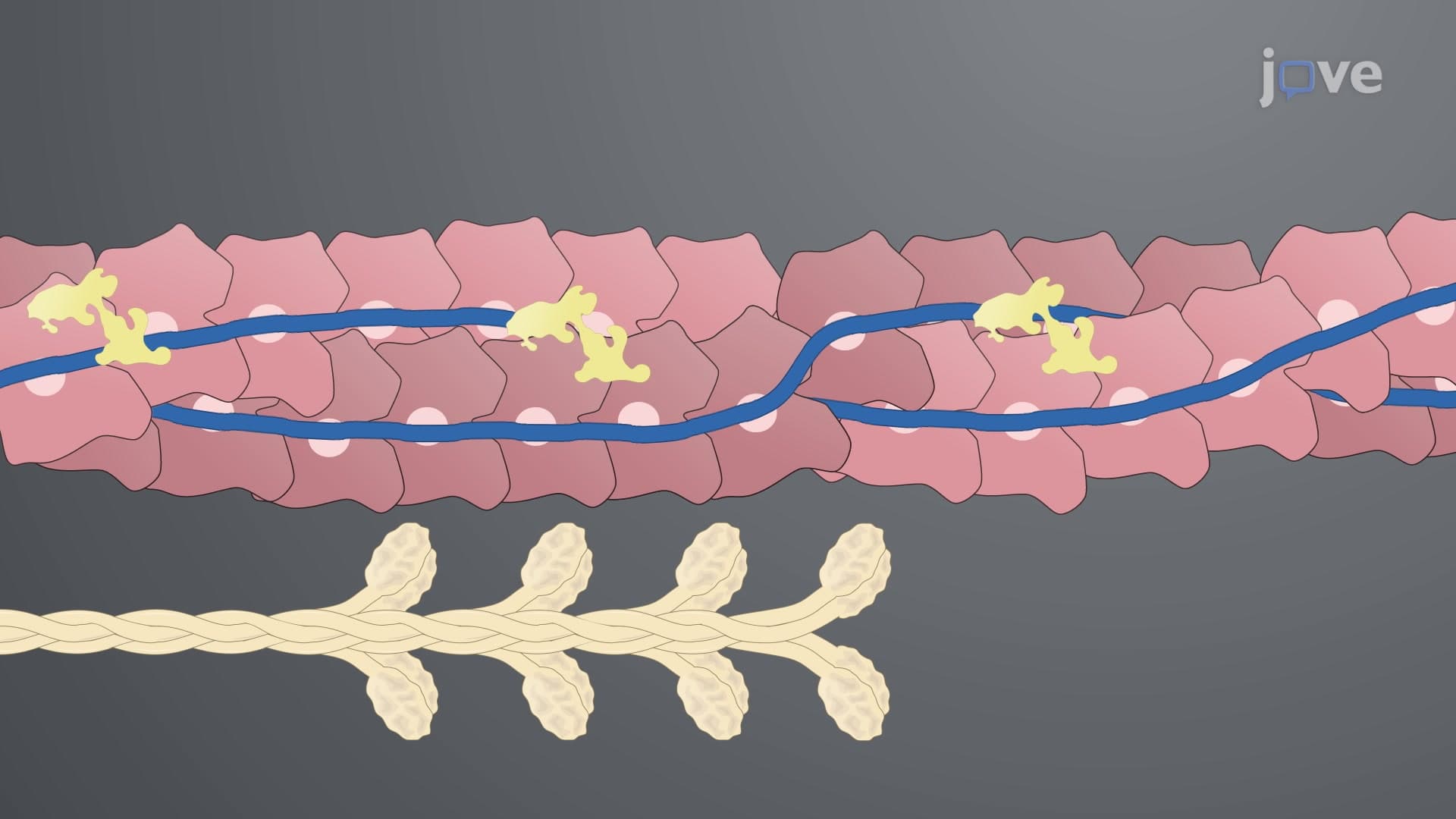
Actin treadmilling represents one of cell biology's most elegant examples of dynamic equilibrium. This process involves the continuous assembly of globular actin (G-actin) monomers at the filament's plus-end while simultaneously disassembling at the minus-end, maintaining constant filament length. Think of it as a molecular escalator-new passengers (monomers) board at the bottom while others exit at the top, keeping the total number constant.
The actin treadmilling concept hinges on understanding critical concentration (Cc). This represents the precise G-actin concentration where polymerization and depolymerization rates balance perfectly. When cellular G-actin levels exceed Cc, filaments grow; when below Cc, they shrink. During steady-state treadmilling, the monomer concentration sits precisely between the different Cc values for each filament end, enabling the plus-end to grow while the minus-end shrinks simultaneously.
Understanding actin treadmilling requires grasping ATP's crucial role. Newly incorporated ATP-bound G-actin monomers gradually hydrolyze ATP to ADP + Pi, creating three distinct actin forms within the filament: ATP-actin (newly added), ADP-Pi-actin (intermediate), and ADP-actin (aged). This ATP hydrolysis creates a "molecular aging" system where older monomers become increasingly unstable and prone to dissociation.
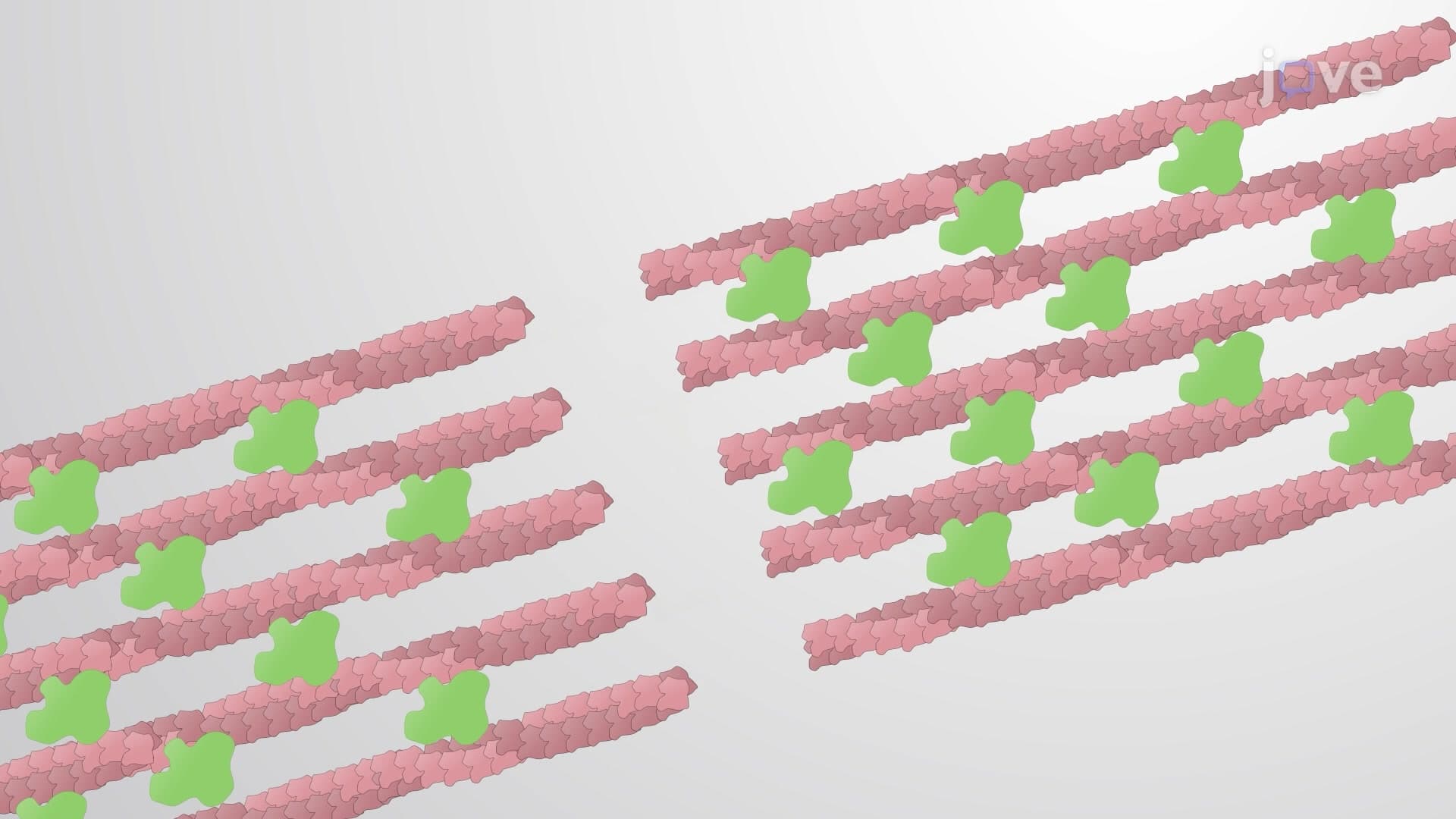
For students preparing for the MCAT or AP Biology exams, actin treadmilling basics frequently appear in questions about cell motility, muscle contraction, and cytoskeletal dynamics. Medical students studying for the USMLE often encounter this concept when learning about cardiac muscle function or cancer cell metastasis. The process directly relates to how white blood cells navigate through tissues during immune responses-a critical concept in immunology courses at universities like Johns Hopkins or UCLA.
In research applications, disrupted actin treadmilling contributes to various diseases. For instance, certain chemotherapy drugs target cancer cell actin dynamics, while genetic mutations affecting actin regulation can cause cardiomyopathies treated at leading US medical centers.
Related Micro-courses