Loading video…


 18 Concepts
 162.9K views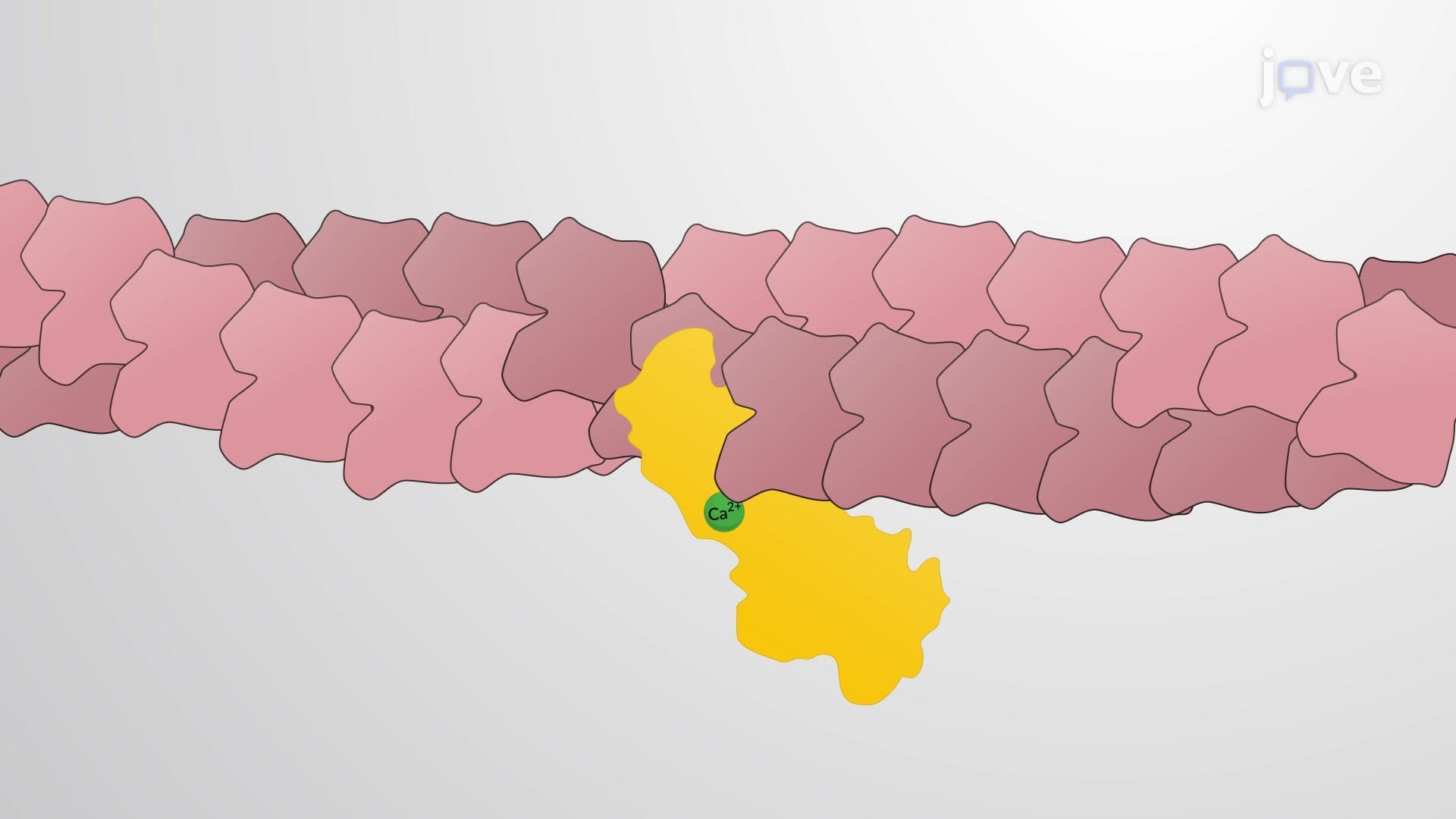

Video Summary: What Is Actin Filament Depolymerization
Did you know that muscle contractions in your bicep during a workout rely on cellular proteins that can dismantle themselves in milliseconds? Actin filament depolymerization is the controlled breakdown of actin protein structures, essential for muscle function and cell movement. Key regulatory proteins like Cofilin and Gelsolin orchestrate this process through distinct molecular mechanisms that determine when and how these vital cellular scaffolds dissolve. Watch the full video on JoVE Coach to master this concept with expert-led visuals and step-by-step explanations.
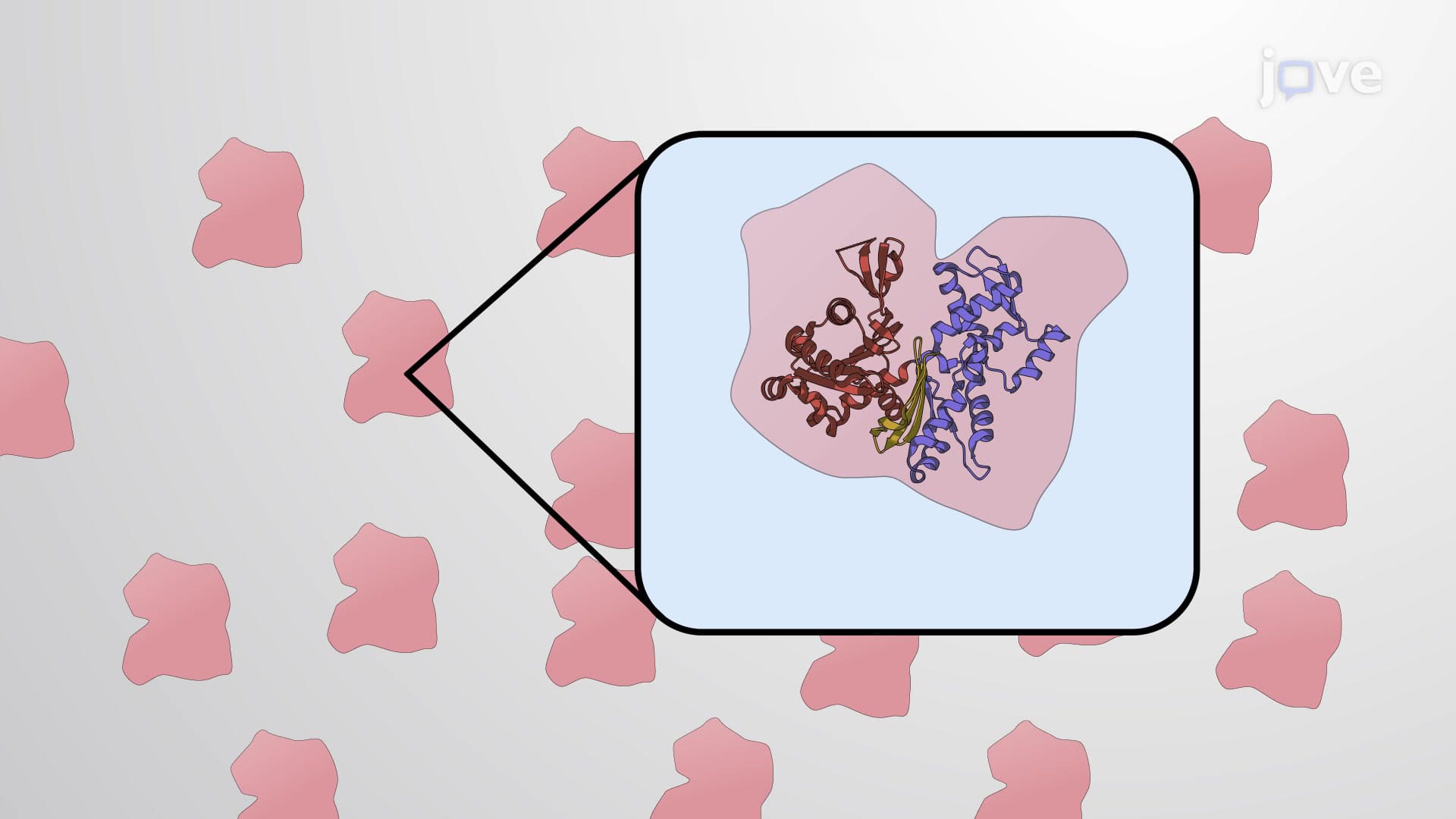
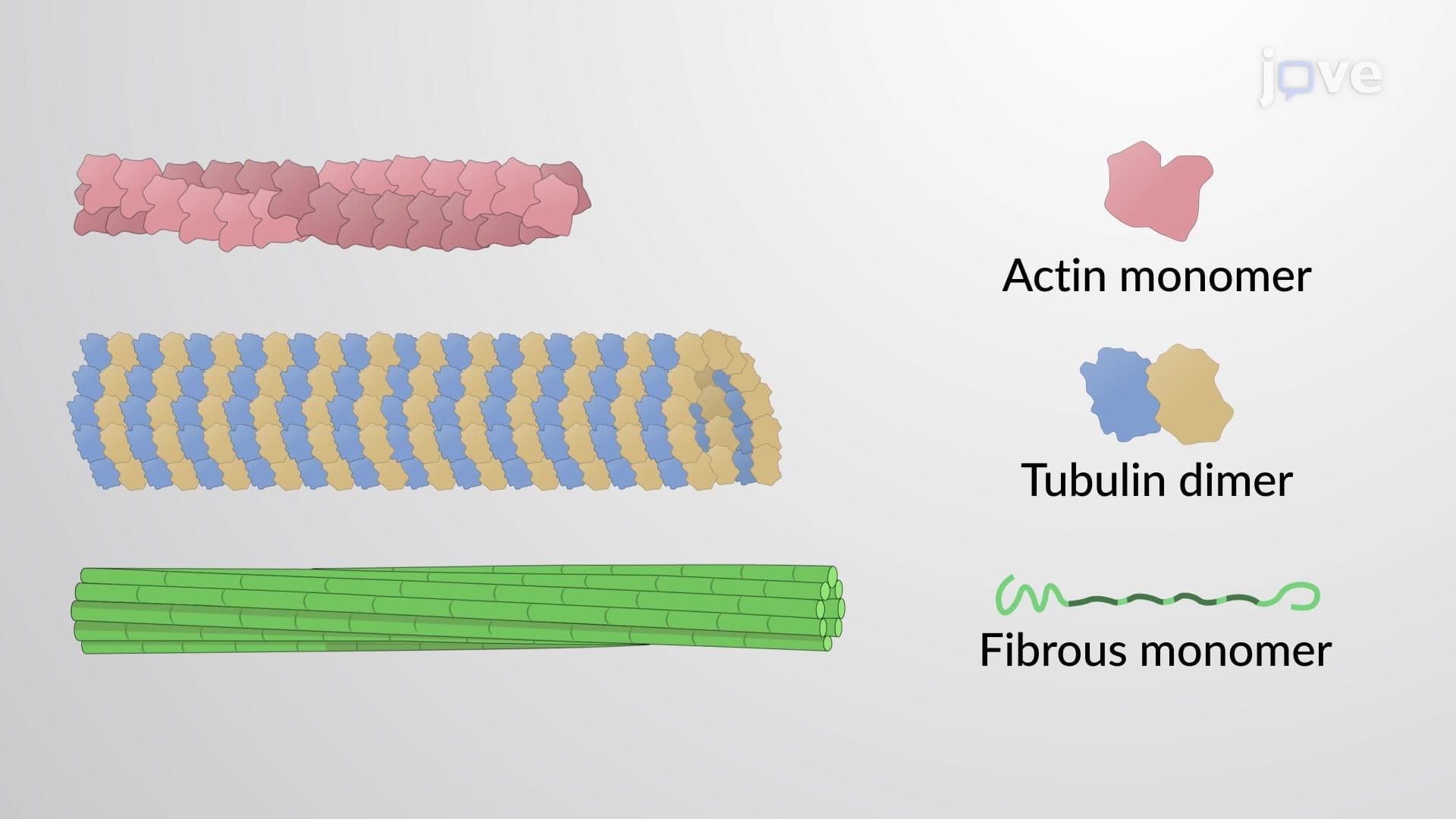
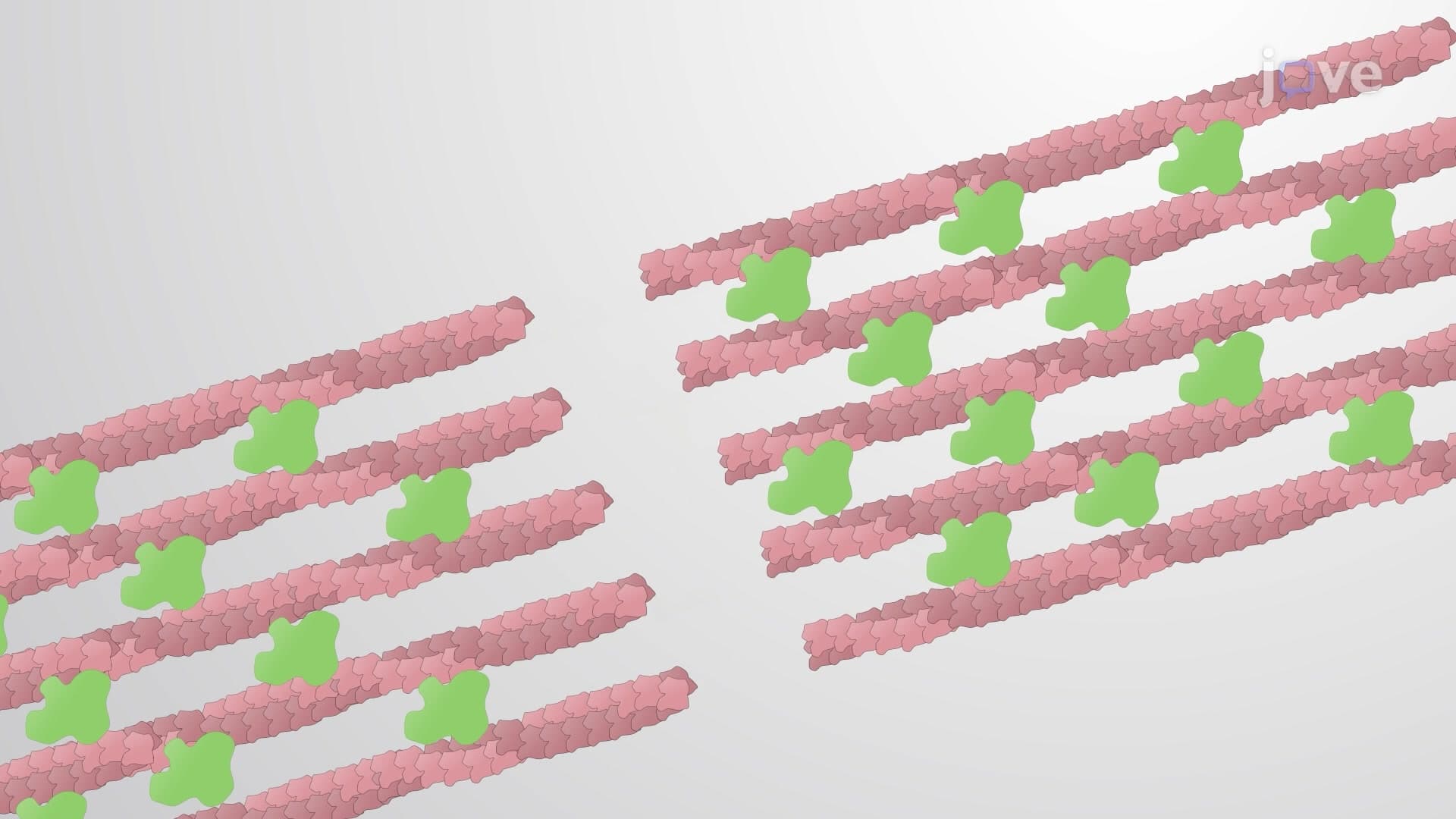
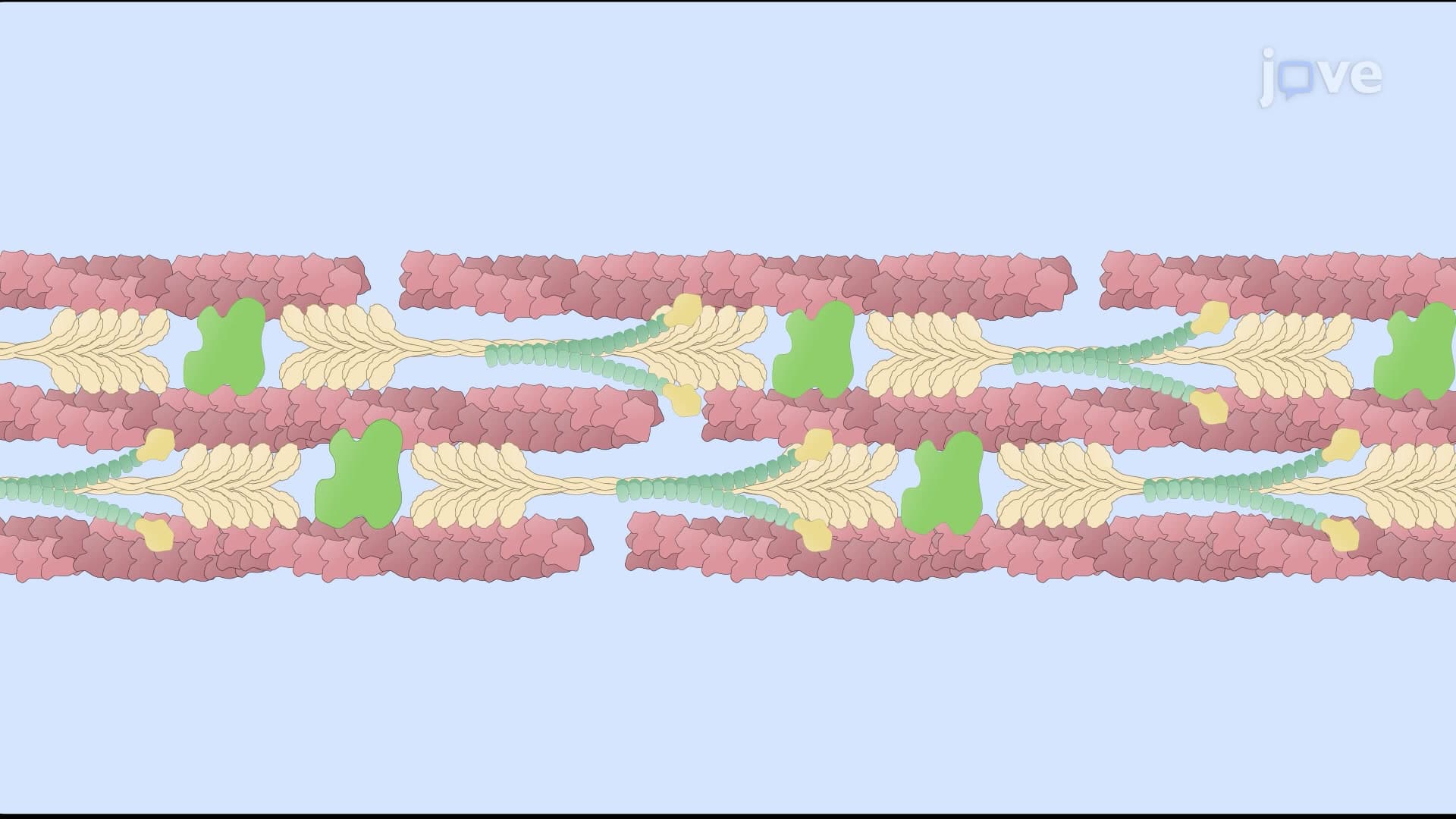
Actin filament depolymerization represents one of the most critical cellular processes governing muscle function, cell division, and tissue remodeling. This tightly regulated mechanism involves the systematic breakdown of actin polymers (F-actin) into individual actin monomers (G-actin), enabling cells to rapidly reorganize their internal structure. For students preparing for the AP Biology exam or college-level cell biology courses, understanding this process is essential for explaining how cells maintain structural flexibility while performing complex functions.
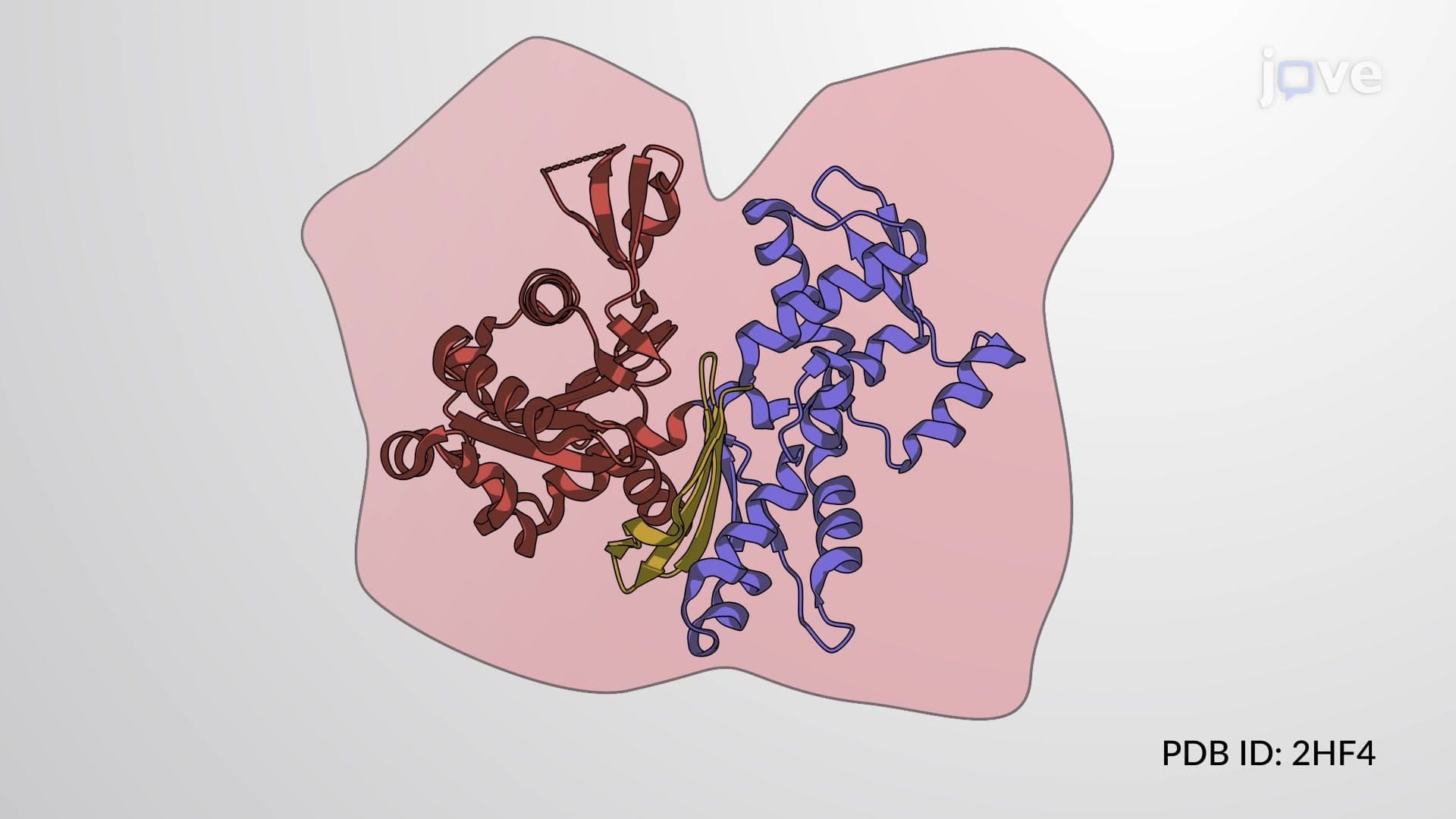
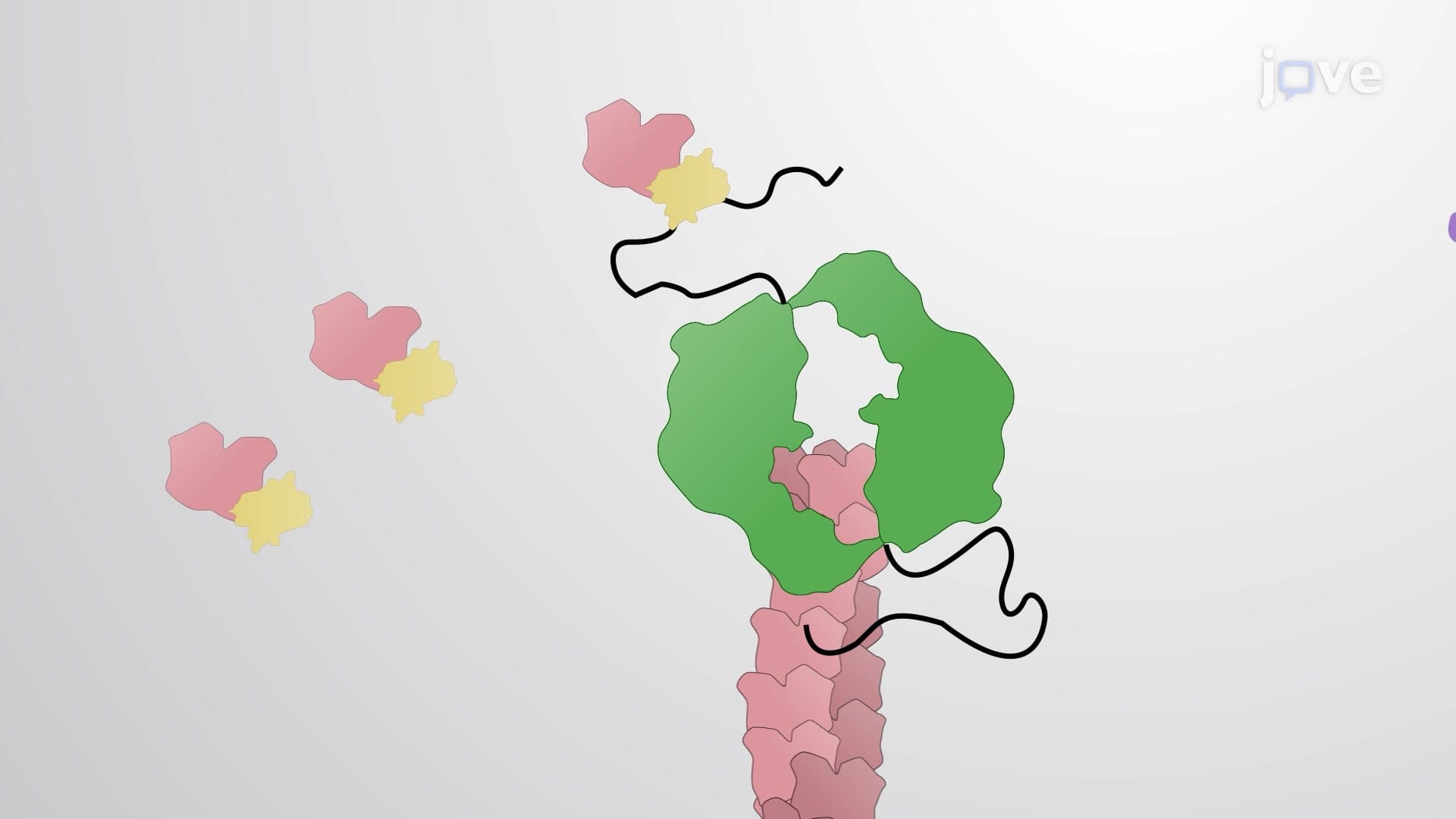
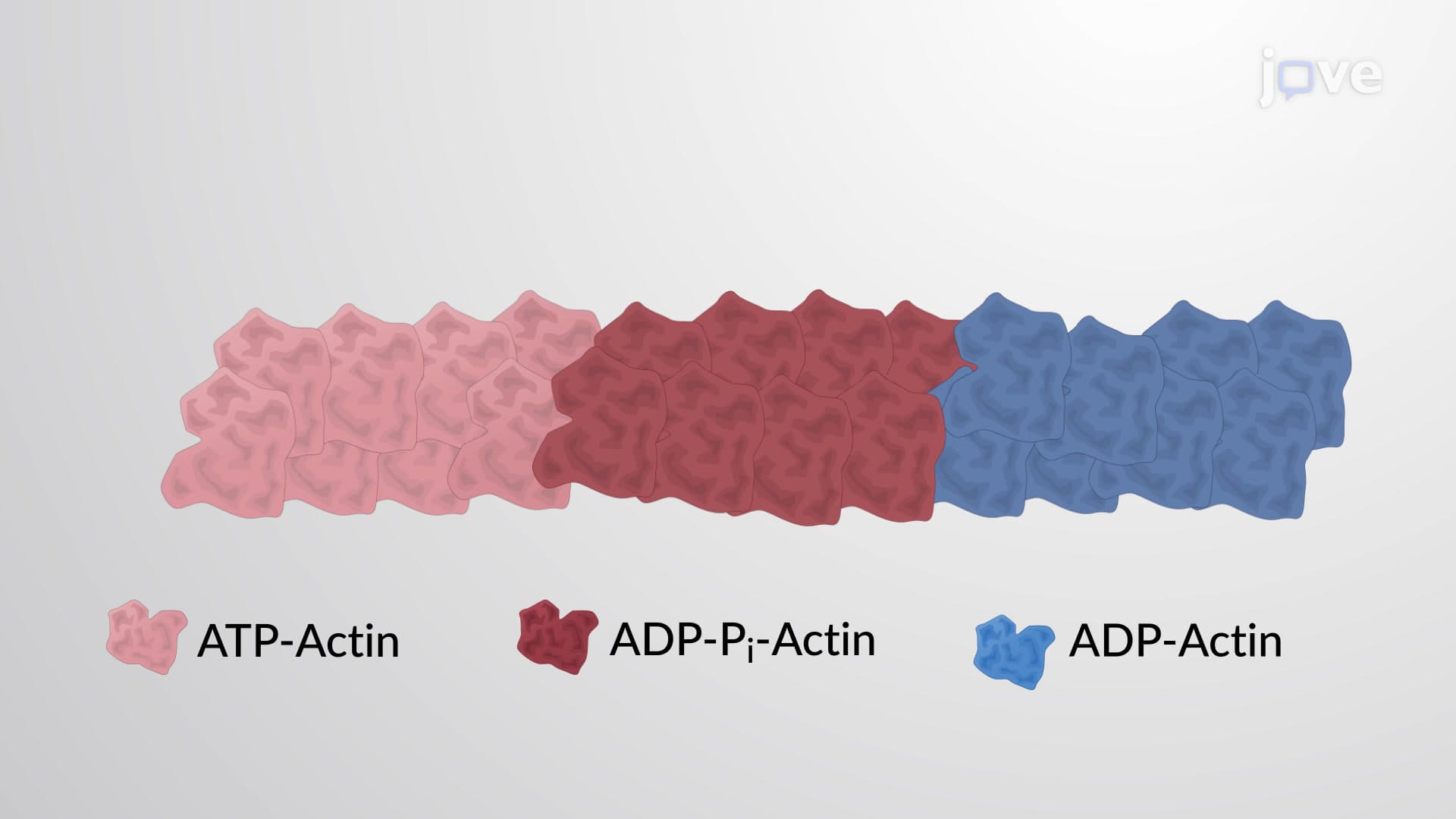
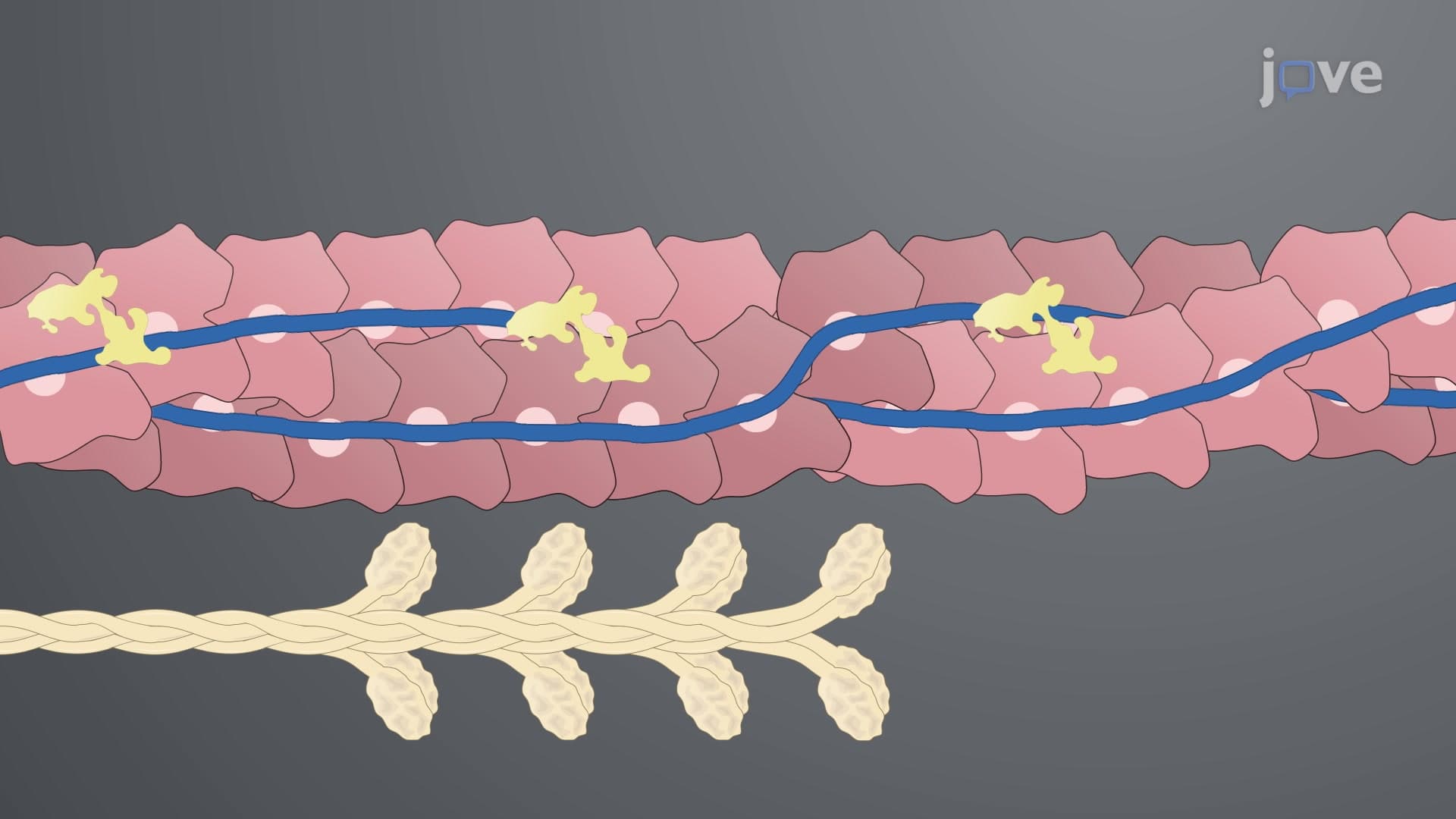
Cofilin operates as a molecular "destabilizer" that binds to ADP-actin subunits in a precise one-to-one ratio, primarily at the filament's minus-end. This binding triggers a conformational change that reduces the helical pitch of F-actin, creating significant mechanical tension throughout the filament structure. The resulting stress accelerates ATP hydrolysis rates, converting stable ATP-actin subunits to more labile ADP-actin forms. This biochemical transformation makes the filament increasingly brittle, facilitating the spontaneous release of ADP-actin monomers. Students studying for the MCAT should note that this process exemplifies allosteric regulation, where binding at one site affects activity at distant locations.
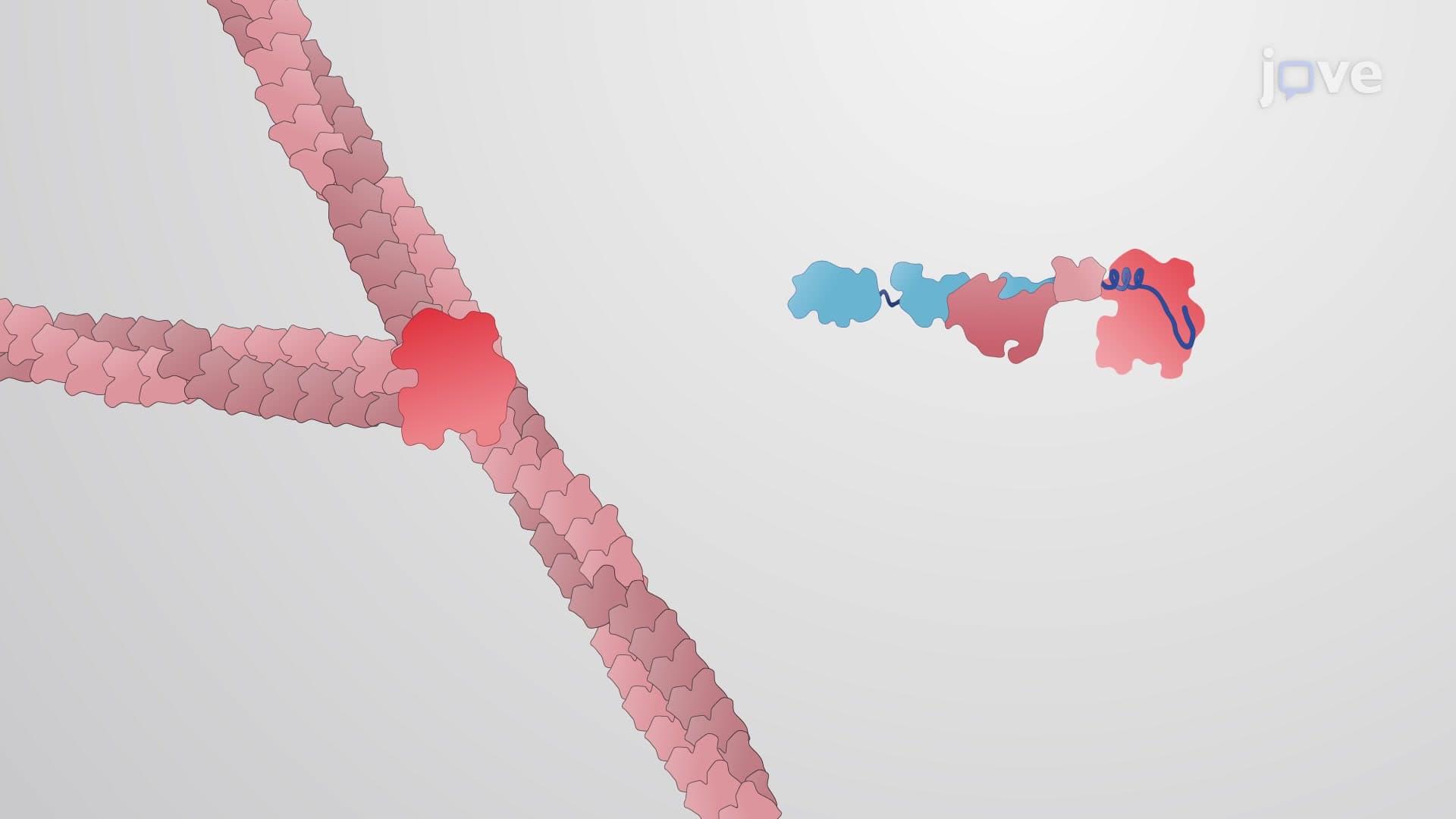
Gelsolin functions as a calcium-sensitive "molecular scissors" that can sever actin filaments through direct insertion between adjacent subunits. When intracellular calcium levels rise-as occurs during muscle activation or cellular stress responses-calcium ions bind to Gelsolin's regulatory domains, inducing conformational changes that expose its actin-binding sites. The activated Gelsolin-calcium complex then attaches to F-actin's lateral surface and physically wedges between actin monomers, breaking the filament into two distinct fragments. This severing mechanism is particularly relevant for understanding muscle contraction cycles and wound healing responses studied in advanced physiology courses at institutions like Johns Hopkins or Stanford University.
Actin depolymerization dysfunction contributes to various human diseases, including certain muscular dystrophies and cancer metastasis. Pharmaceutical researchers at companies like Pfizer and Merck investigate compounds that modulate actin dynamics for treating conditions ranging from heart failure to neurological disorders. Understanding these molecular mechanisms helps explain why disrupted actin regulation appears in pathology reports from major medical centers like the Mayo Clinic and Cleveland Clinic.
Related Micro-courses