Loading video…


 6 Concepts
 27.7K views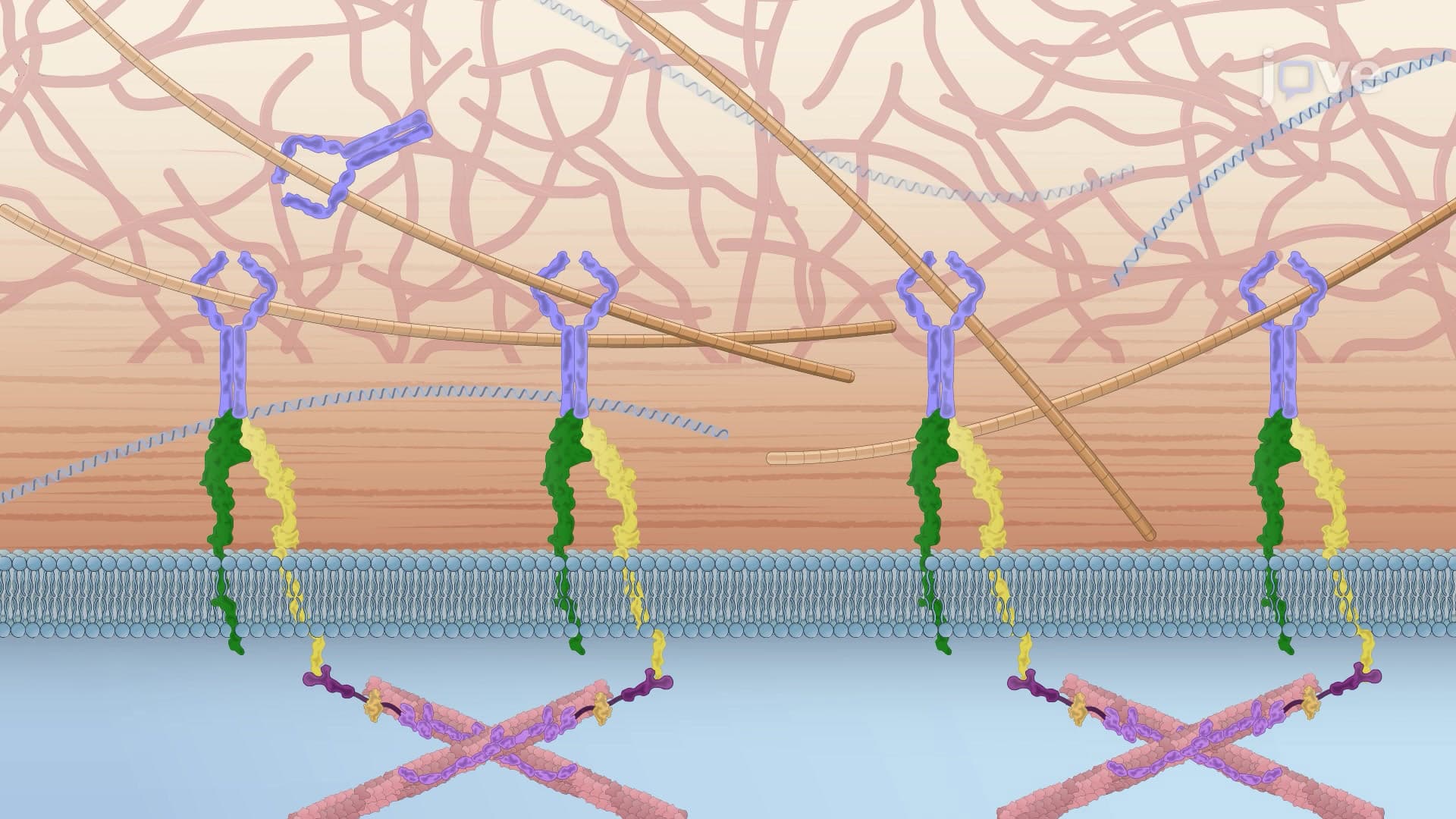

Video Summary: Overview of Cell Matrix Interactions Explained
Ever wonder how your skin heals after a cut or how muscle cells maintain their incredible strength during exercise? The overview of cell matrix interactions reveals the sophisticated communication network between cells and their surrounding environment. Just like how construction workers use scaffolding and specialized tools to build skyscrapers in cities like New York, cells rely on complex molecular machinery to anchor themselves and communicate with the extracellular matrix that surrounds them. Watch the full video on JoVE Coach to master this concept with expert-led visuals and step-by-step explanations.
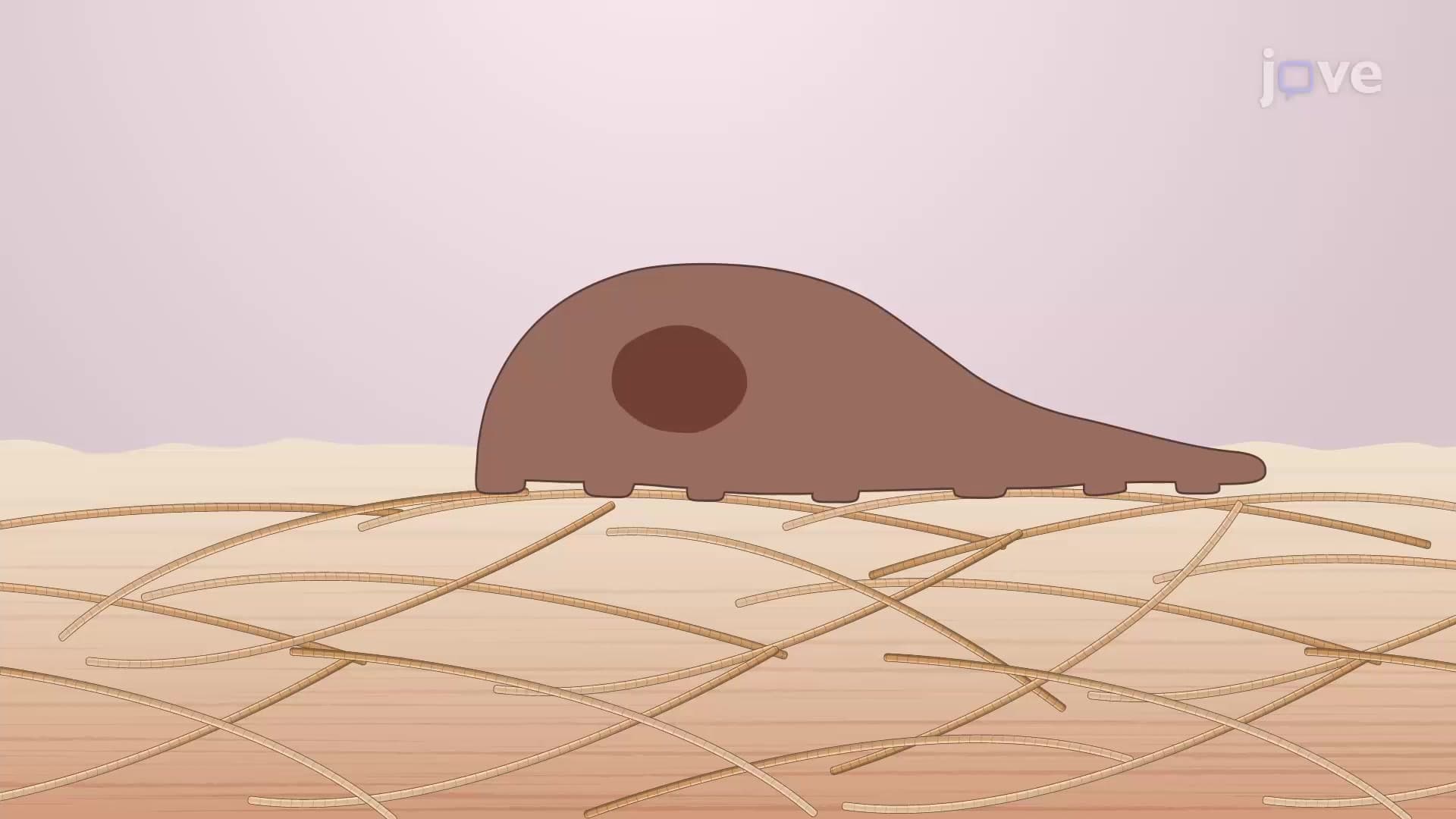
The overview of cell matrix interactions represents one of biology's most elegant communication systems, where cells constantly dialogue with their surroundings through molecular handshakes. Think of it like a sophisticated city infrastructure where buildings (cells) connect to utility grids, transportation networks, and communication systems (the extracellular matrix) to function properly.
The extracellular matrix (ECM) functions as more than just cellular packaging material-it's a dynamic, information-rich environment. This network consists of three primary molecular families, each serving distinct purposes. Proteoglycans act like biological shock absorbers, cushioning cells from mechanical stress much like the suspension system in vehicles navigating rough American highways. Collagen provides the structural backbone, offering tensile strength comparable to steel cables supporting bridges like San Francisco's Golden Gate Bridge. Multi-adhesive proteins such as fibronectin serve as molecular velcro, creating cross-links that hold the entire system together.
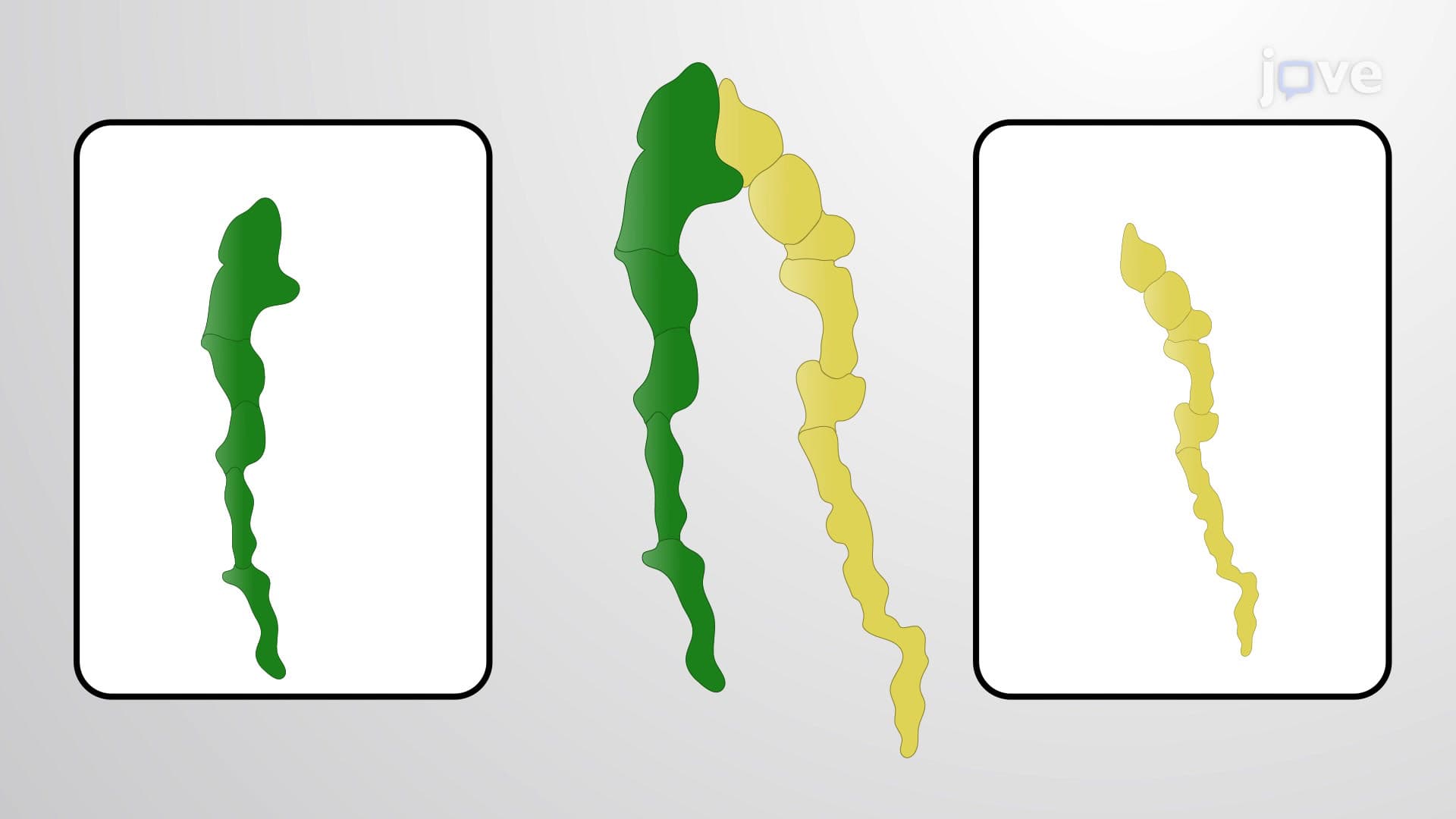
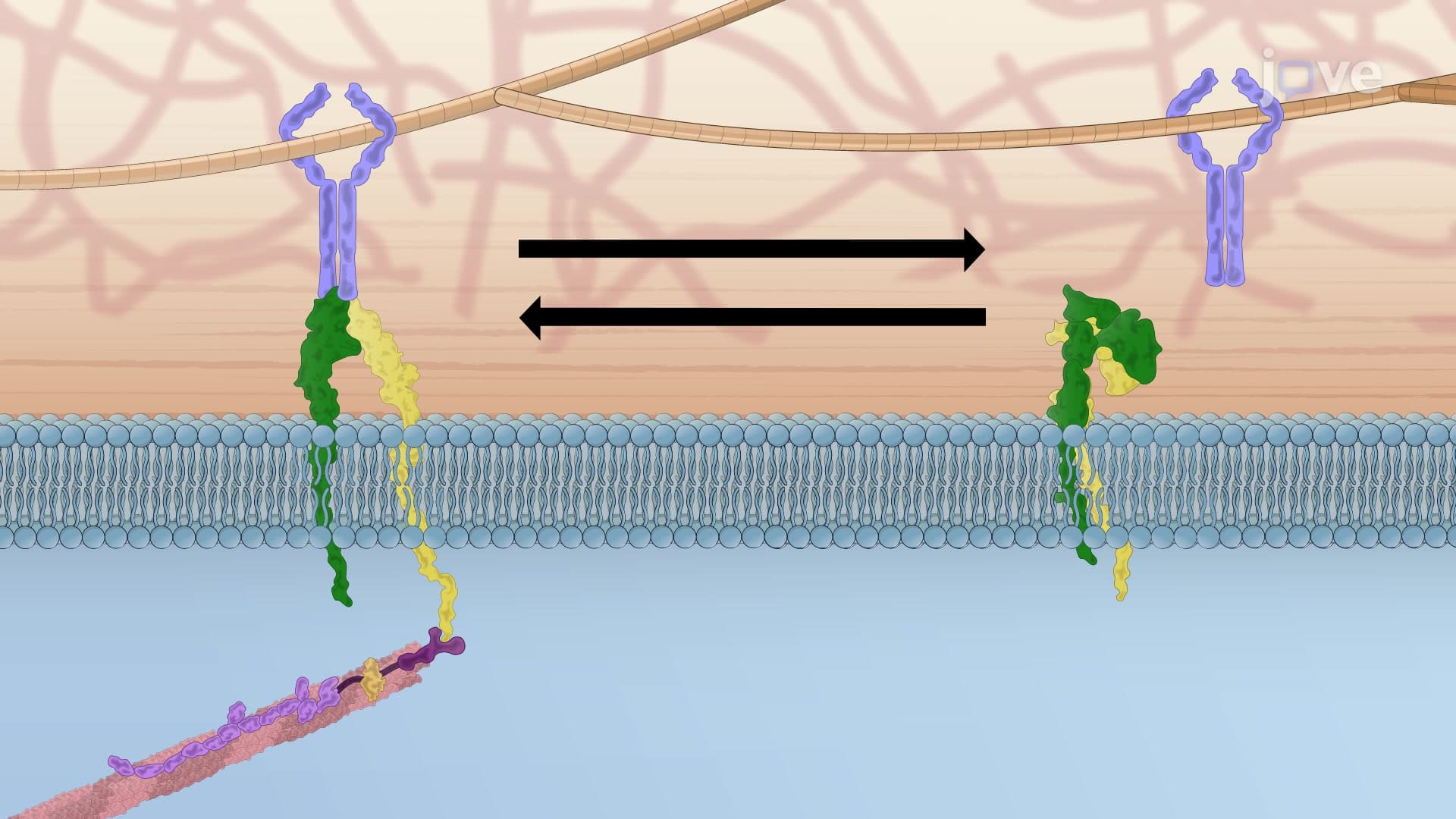
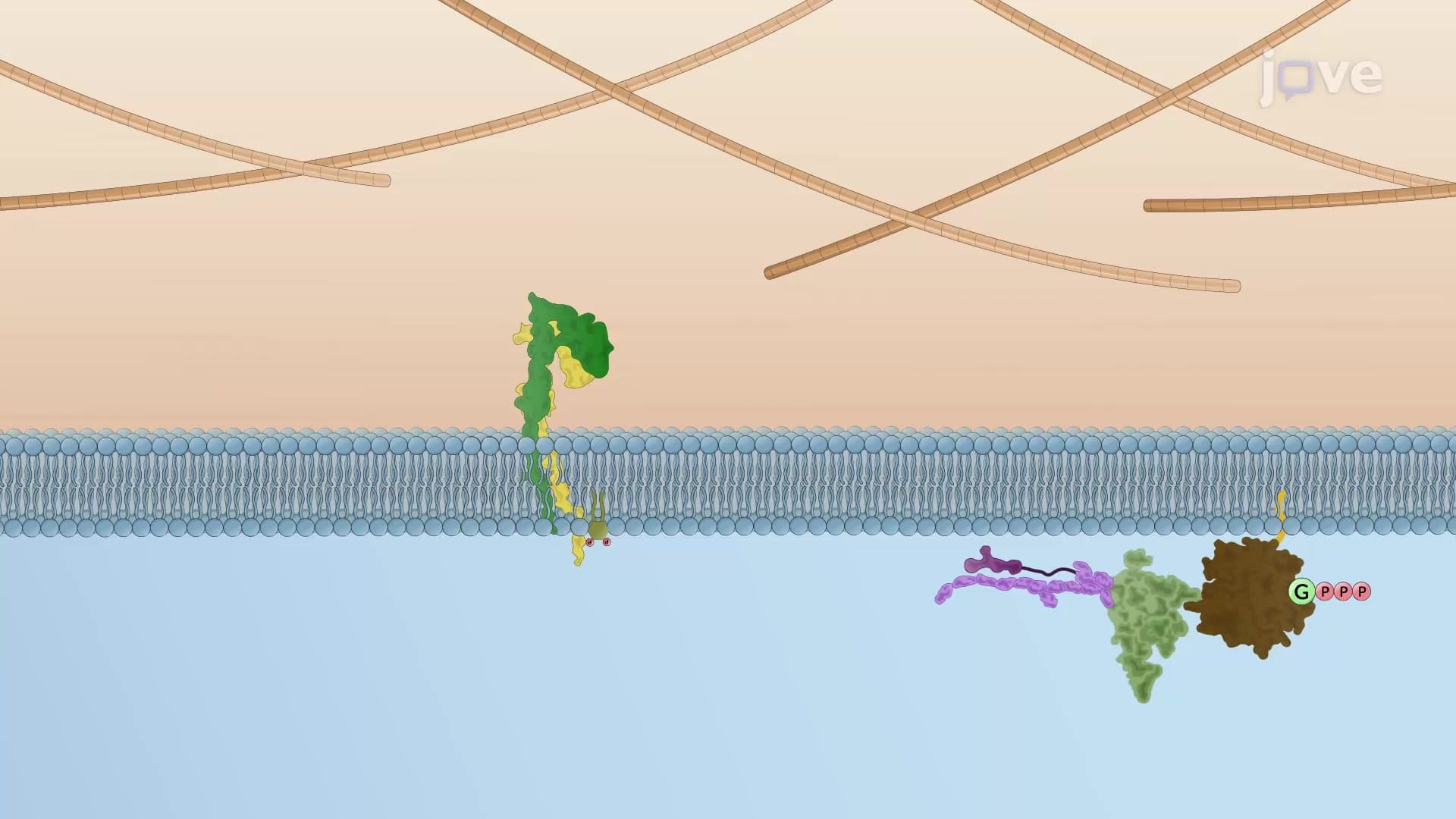
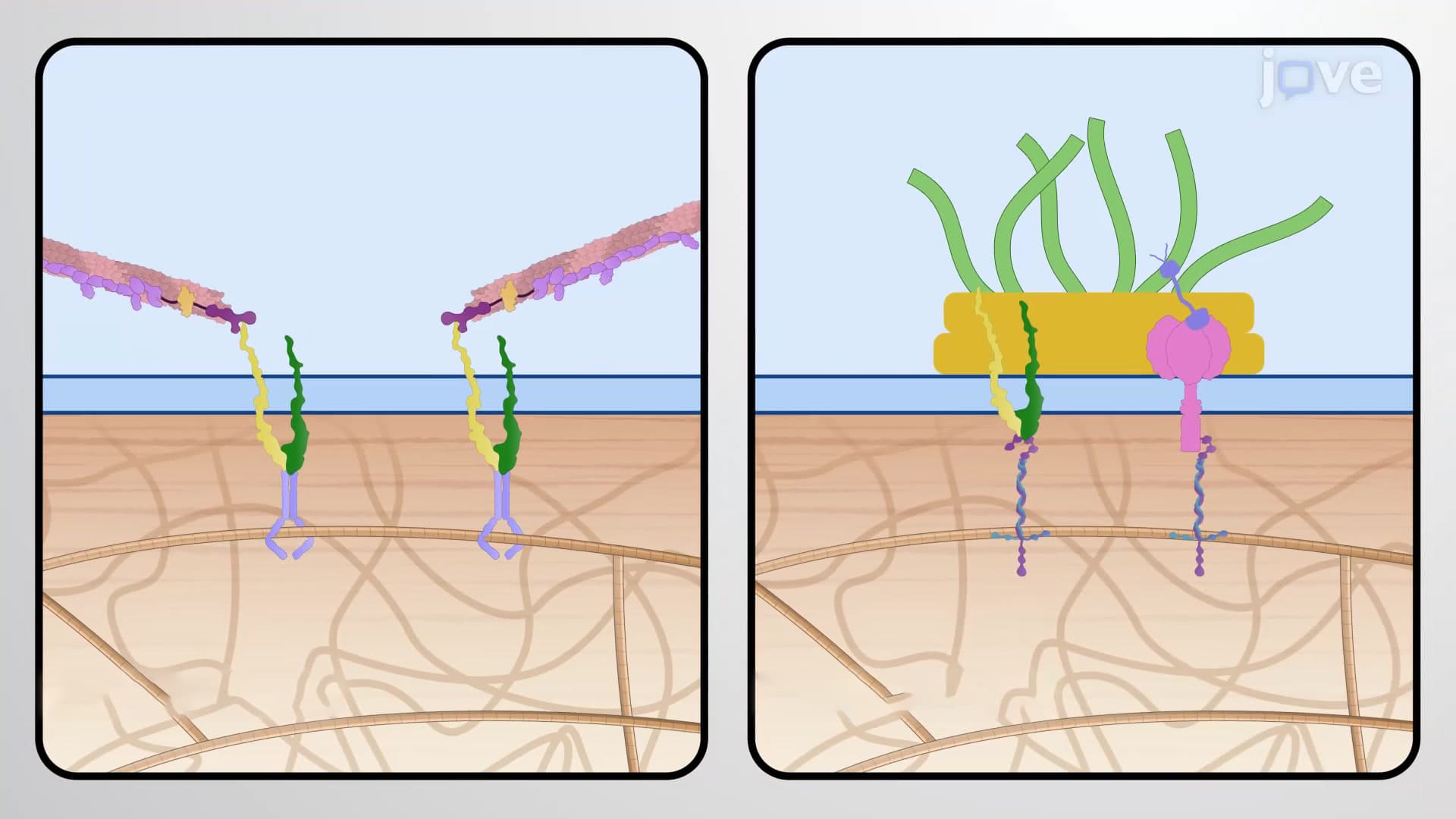
Integrins represent the cell's primary interface with the external world, functioning like sophisticated cellular antennae that both receive and transmit signals. These transmembrane proteins work in partnership with cytosolic adaptor proteins, particularly talin, to create robust adhesion complexes. This partnership resembles how modern smartphones connect internal processors with external networks-integrins span the cell membrane while adaptor proteins coordinate internal cellular responses.
Understanding cell-matrix interactions proves essential for students preparing for advanced coursework and professional exams. On the MCAT, questions frequently explore how integrin dysfunction contributes to cancer metastasis, while AP Biology students encounter these concepts when studying tissue organization and wound healing. College-level cell biology courses delve deeper into the mechanotransduction pathways that convert physical ECM signals into biochemical responses, making this knowledge foundational for pre-med students at institutions like Johns Hopkins or Stanford.
The basal lamina represents a specialized ECM structure particularly relevant in medical contexts. When physicians at Mayo Clinic examine kidney biopsies, they're often assessing basal lamina integrity, as damage to these structures underlies diabetic nephropathy and other serious conditions.
Related Micro-courses