Loading video…


 6 Concepts
 27.7K views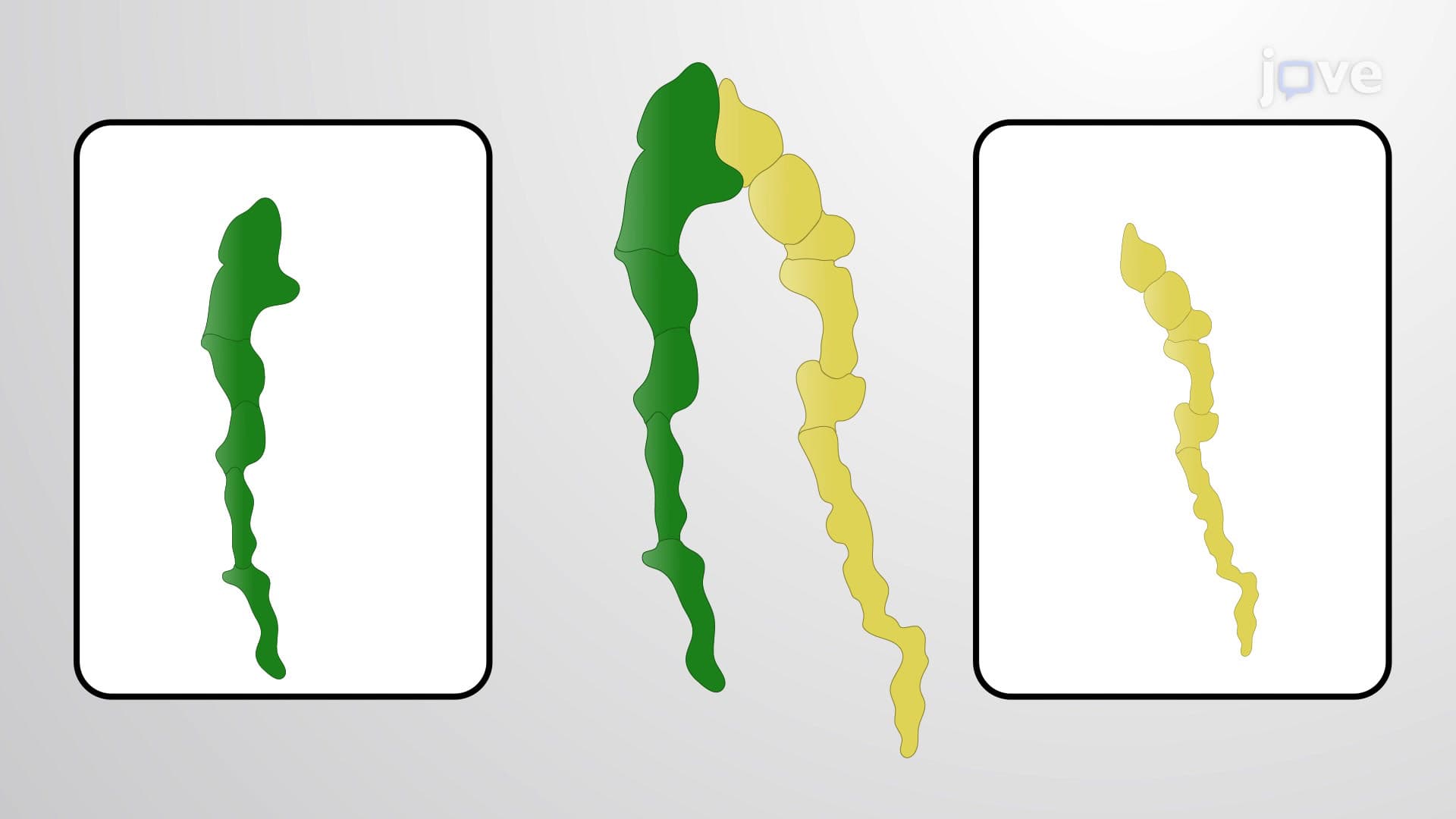

Video Summary: What are Integrins
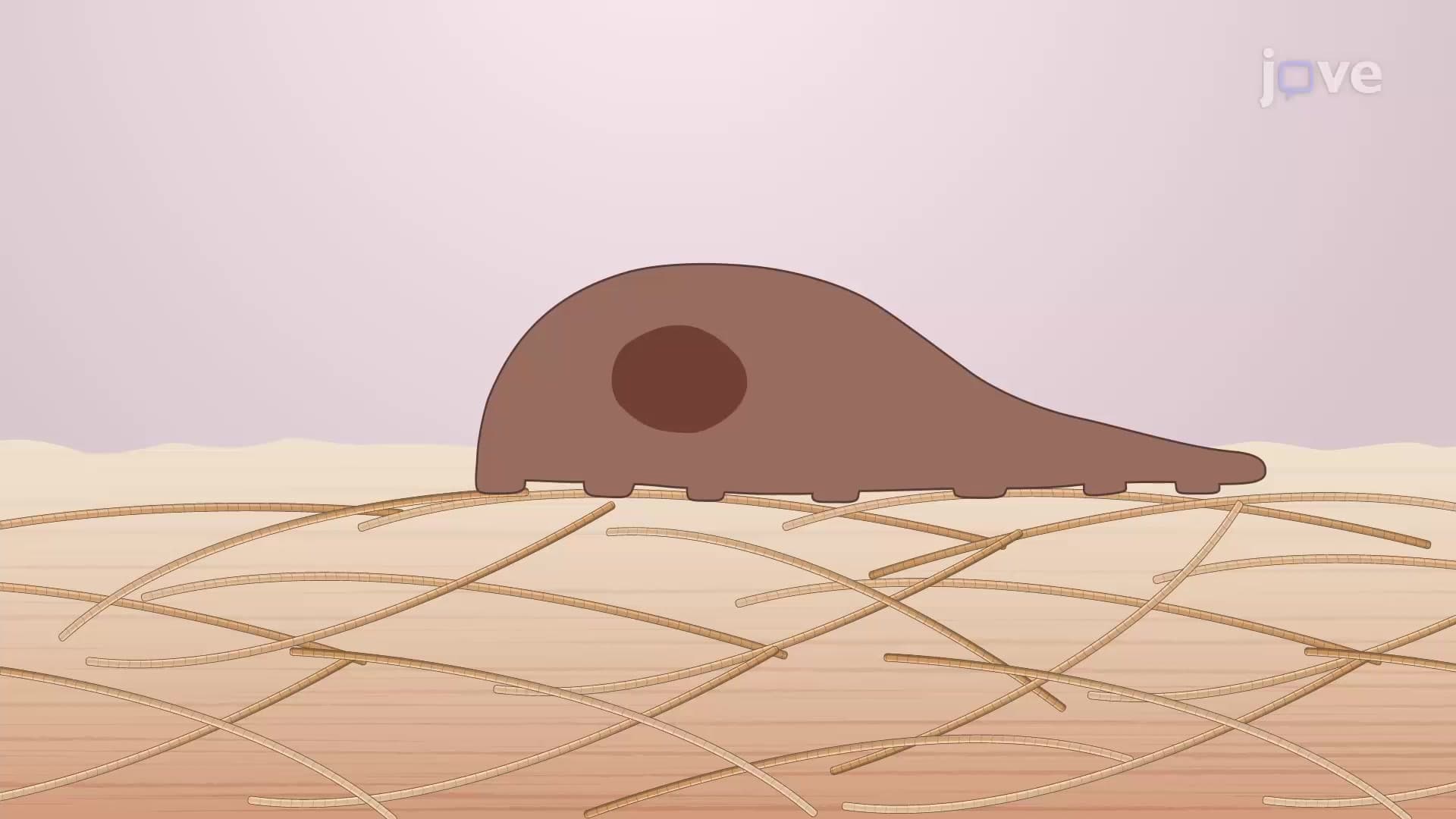
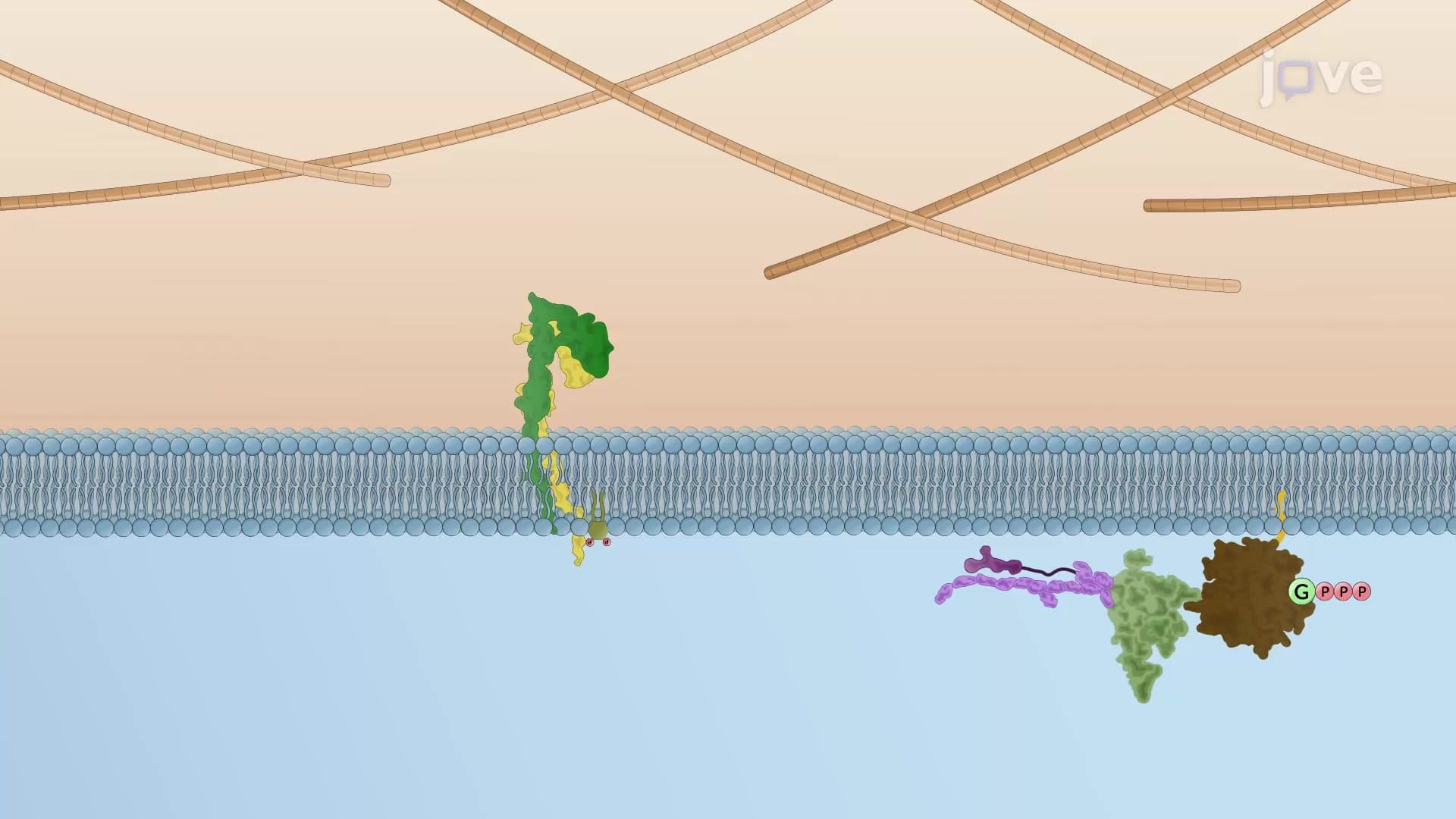
Every time you move your muscles or heal from a cut, tiny molecular machines called integrins are hard at work connecting your cells to their surroundings. These remarkable cell-adhesion receptors act like biological velcro, allowing cells to stick to and communicate with the extracellular matrix that surrounds them. Consider how athletes at Stanford University can sprint and jump-their muscle cells rely on integrins to maintain proper connections during intense physical activity. Watch the full video on JoVE Coach to master this concept with expert-led visuals and step-by-step explanations.
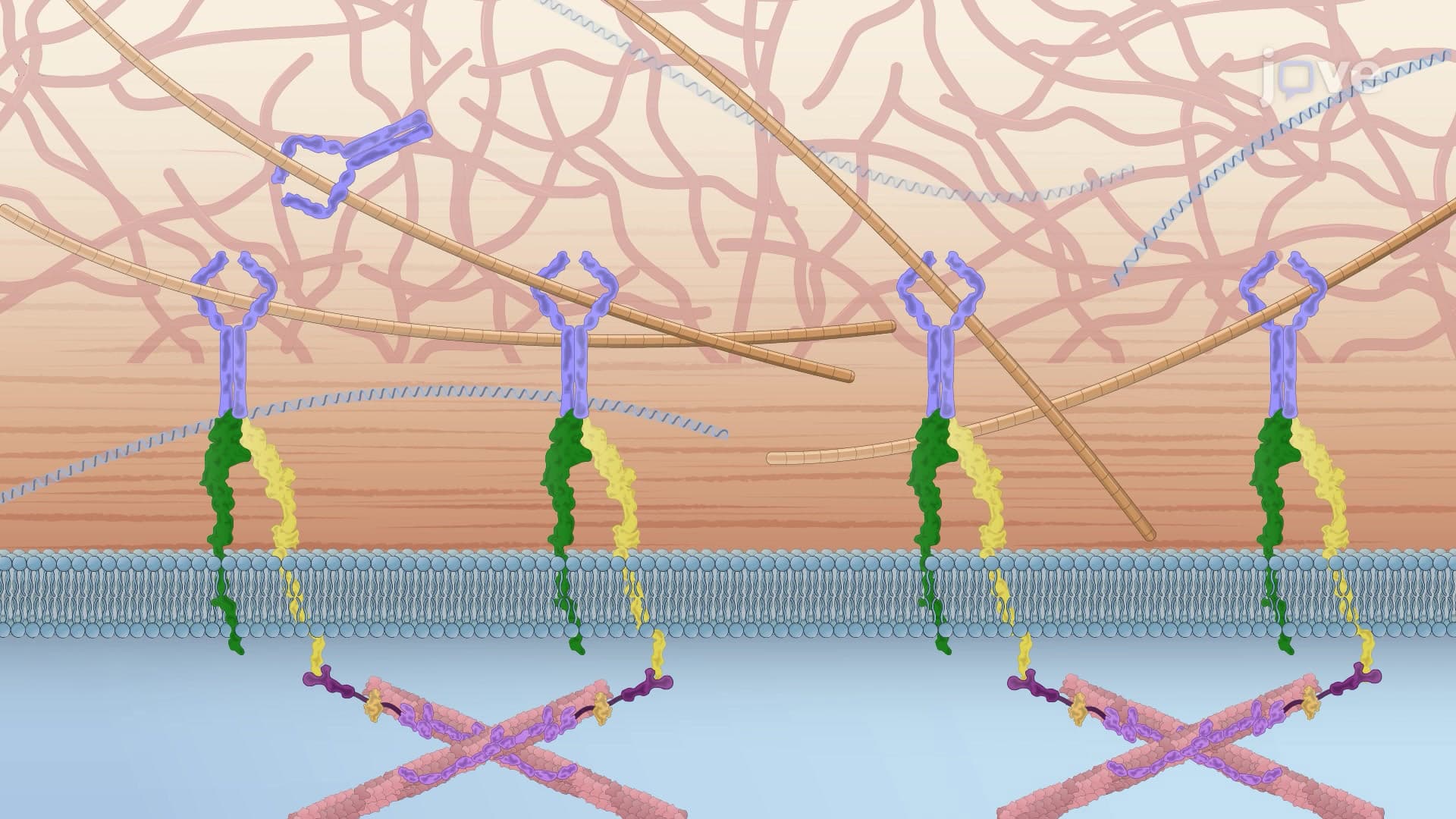
Integrins represent one of the most crucial protein families in cell biology, serving as the primary connection points between cells and their external environment. Unlike simple adhesive molecules, integrins function as sophisticated biological machines that can sense, respond to, and modify their surroundings while maintaining cellular integrity.
The types of integrins are defined by their unique combinations of alpha and beta subunits. Humans possess 18 different alpha subunits and 8 beta subunits, which can combine to form 24 distinct integrin heterodimers. Each combination exhibits specific binding preferences for different extracellular matrix components. For example, the α5β1 integrin specifically recognizes fibronectin, while α2β1 integrins prefer collagen binding sites.
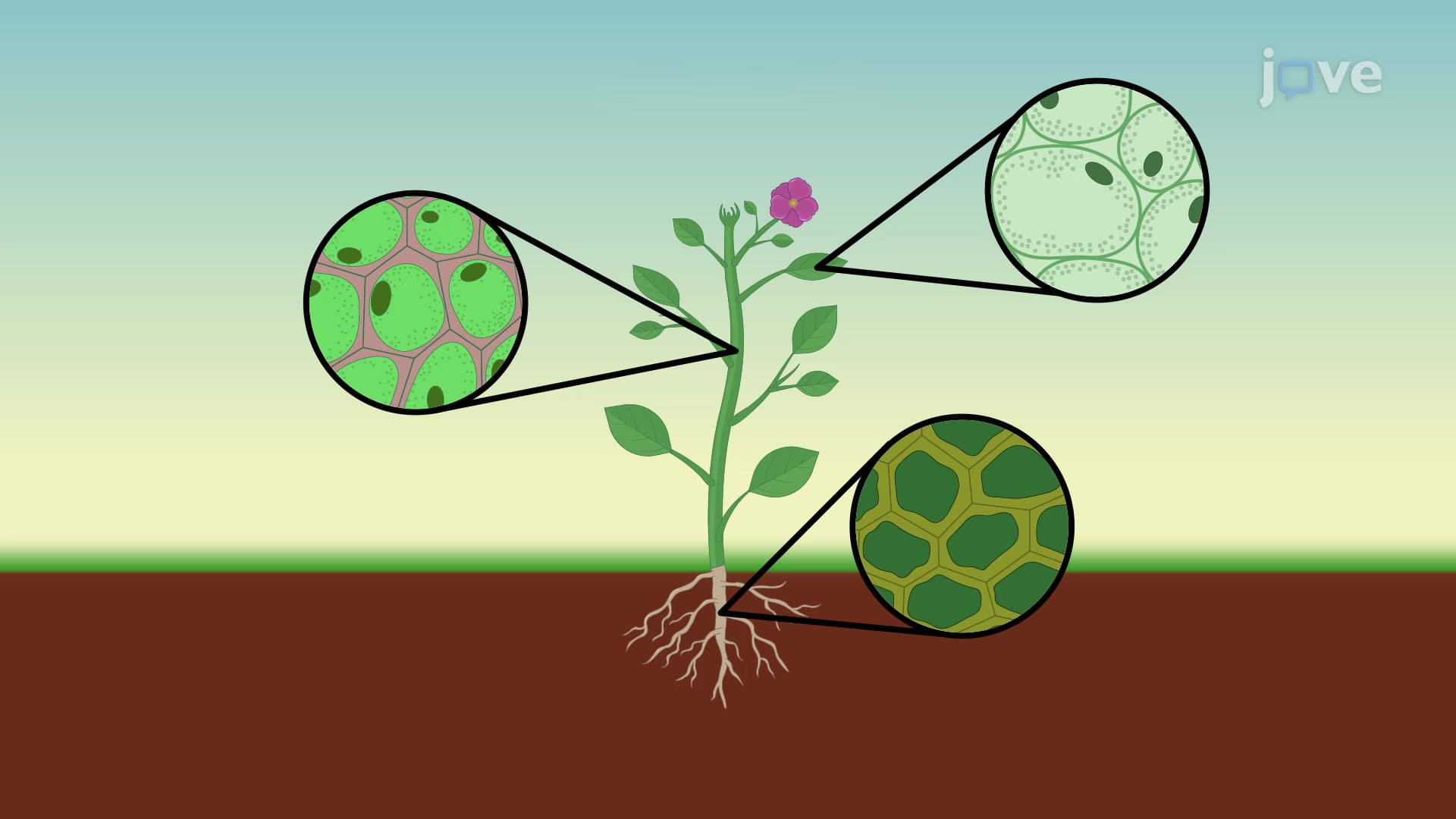
This structural diversity allows different cell types to interact appropriately with their specific tissue environments. Muscle cells predominantly express integrins that bind to laminin in basement membranes, while bone cells utilize integrins that recognize collagen and other mineralized matrix components.
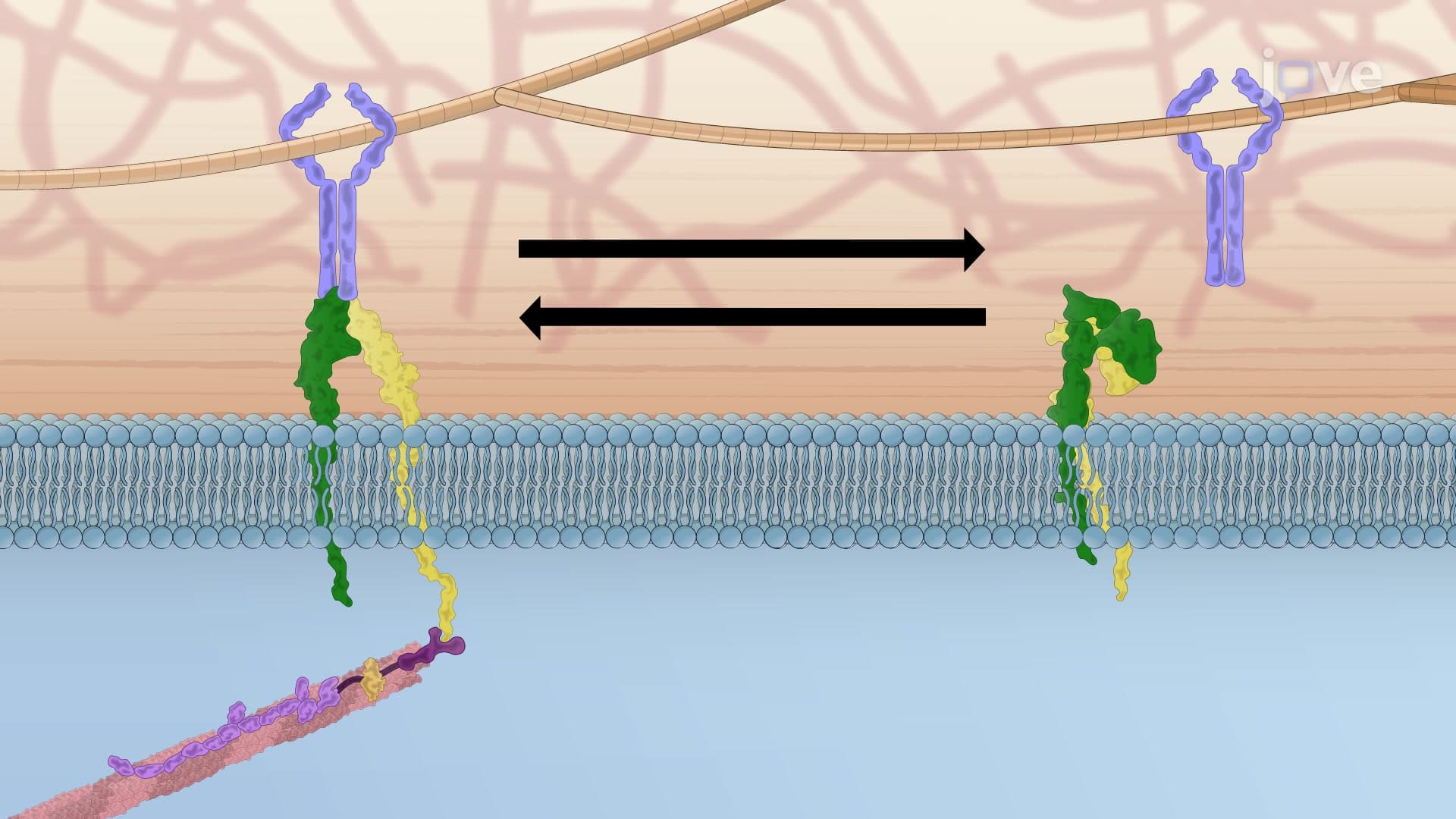
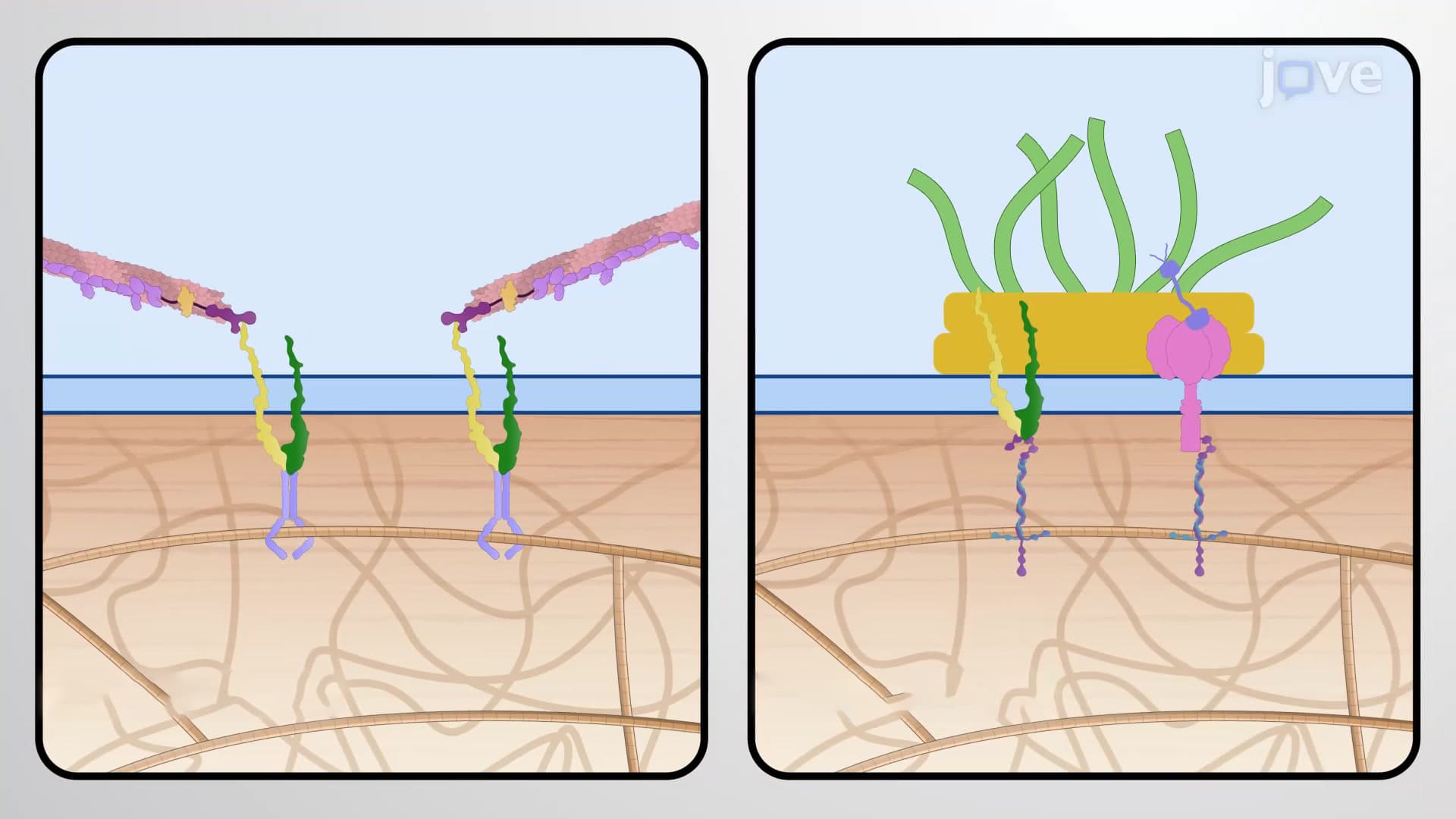
The integrins concept extends far beyond simple adhesion. These receptors operate through a process called "inside-out" and "outside-in" signaling. Inside-out signaling occurs when intracellular signals activate integrins, increasing their affinity for extracellular ligands. Conversely, outside-in signaling happens when ligand binding triggers intracellular signaling cascades that affect cell behavior.
Key adaptor proteins like talin, vinculin, and paxillin form complex networks that translate mechanical forces into biochemical signals. This mechanotransduction process is essential for cellular responses to physical stress and plays critical roles in wound healing, muscle development, and cancer metastasis.
Understanding integrins basics has profound implications for medical research and treatment development. At institutions like Johns Hopkins University and the Mayo Clinic, researchers are developing integrin-targeted therapies for cancer treatment. Since many cancer cells alter their integrin expression patterns to facilitate metastasis, blocking specific integrins can potentially prevent tumor spread.
For students preparing for the MCAT or AP Biology exams, integrin questions often focus on structure-function relationships and their role in cell migration during development and disease progression.
Related Micro-courses