Loading video…


 6 Concepts
 27.7K views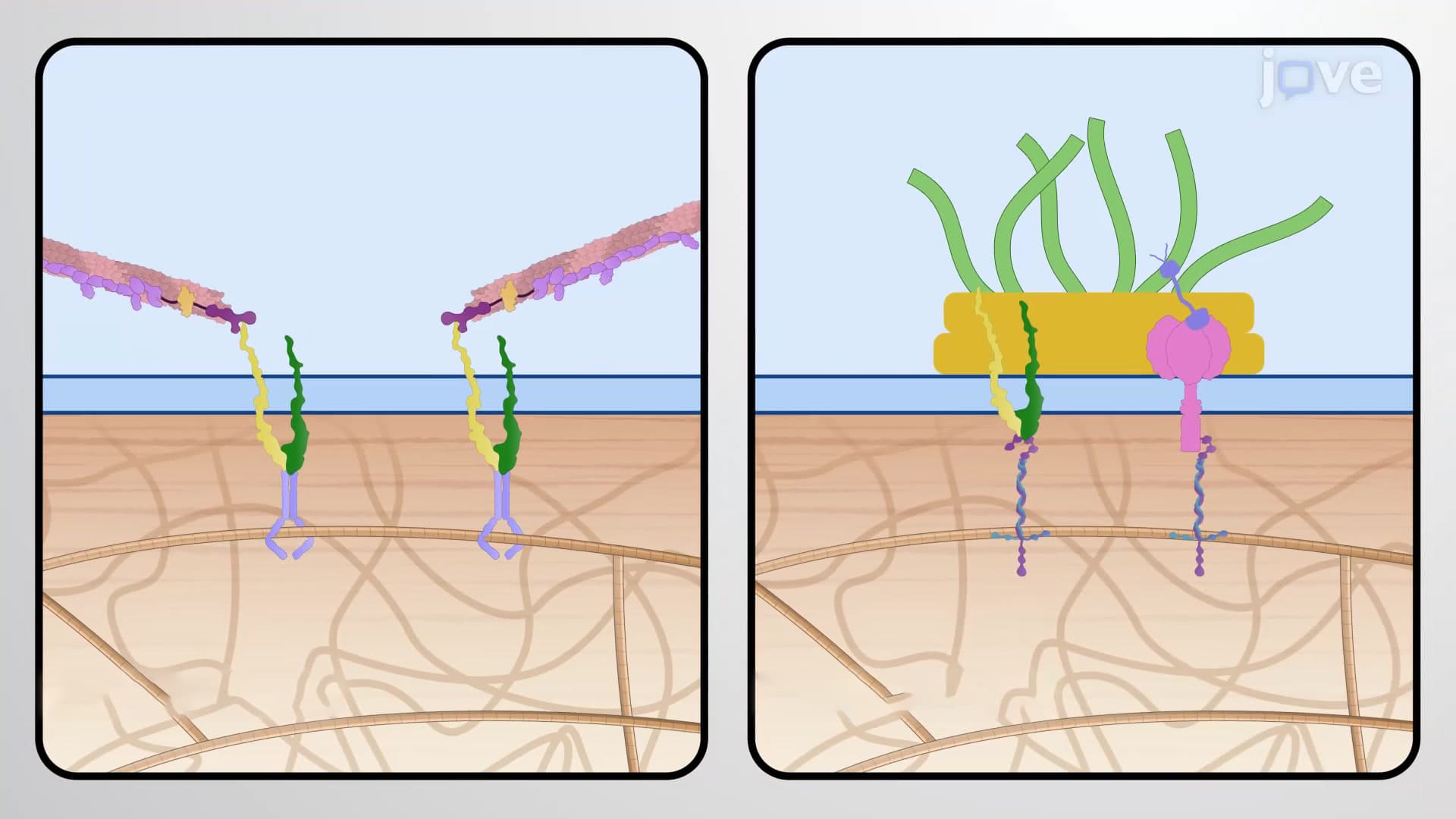

Video Summary: What are Anchoring Junctions
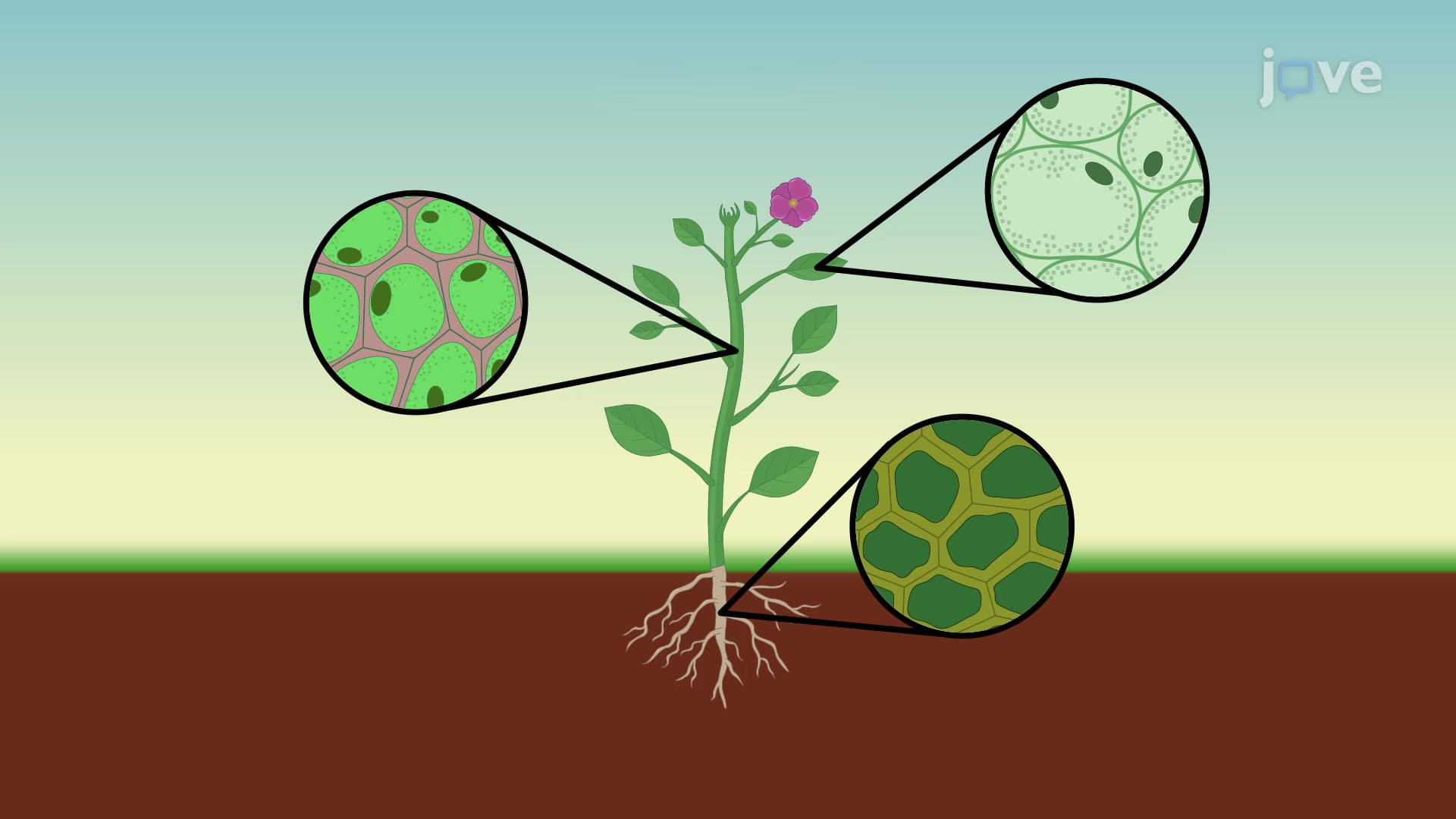
Ever wondered how your skin stays intact when you stretch or how muscle cells maintain their shape during intense workouts? Anchoring junctions are the cellular "super glue" that connects cells to their surrounding environment and to each other, providing structural integrity throughout your body. These specialized protein complexes are essential in tissues like the epithelial lining of the small intestine, where cells must withstand constant mechanical stress from digestion. Watch the full video on JoVE Coach to master this concept with expert-led visuals and step-by-step explanations.
Anchoring junctions represent one of the most critical cellular connection systems, serving as the structural backbone that maintains tissue integrity across the human body. These protein complexes function as molecular bridges, linking the cell's internal cytoskeleton to either the extracellular matrix (ECM) or neighboring cells. Without these connections, tissues would lack the mechanical strength needed to withstand daily physical stresses, from the simple act of breathing to more intense activities like running a marathon.
The two primary types of anchoring junctions each serve distinct structural roles. Focal adhesions primarily connect actin filaments to the ECM and are particularly important in cell migration and dynamic cellular processes. These structures are especially prominent in migrating cells, such as white blood cells moving through tissue during an immune response.
Hemidesmosomes, in contrast, provide more permanent, stable connections by linking intermediate filaments to the basal lamina. These junctions are abundant in epithelial tissues that experience significant mechanical stress, such as the skin epidermis and the lining of the digestive tract. Understanding this distinction is crucial for AP Biology students, as questions often test the ability to differentiate between these junction types and their specific functions.
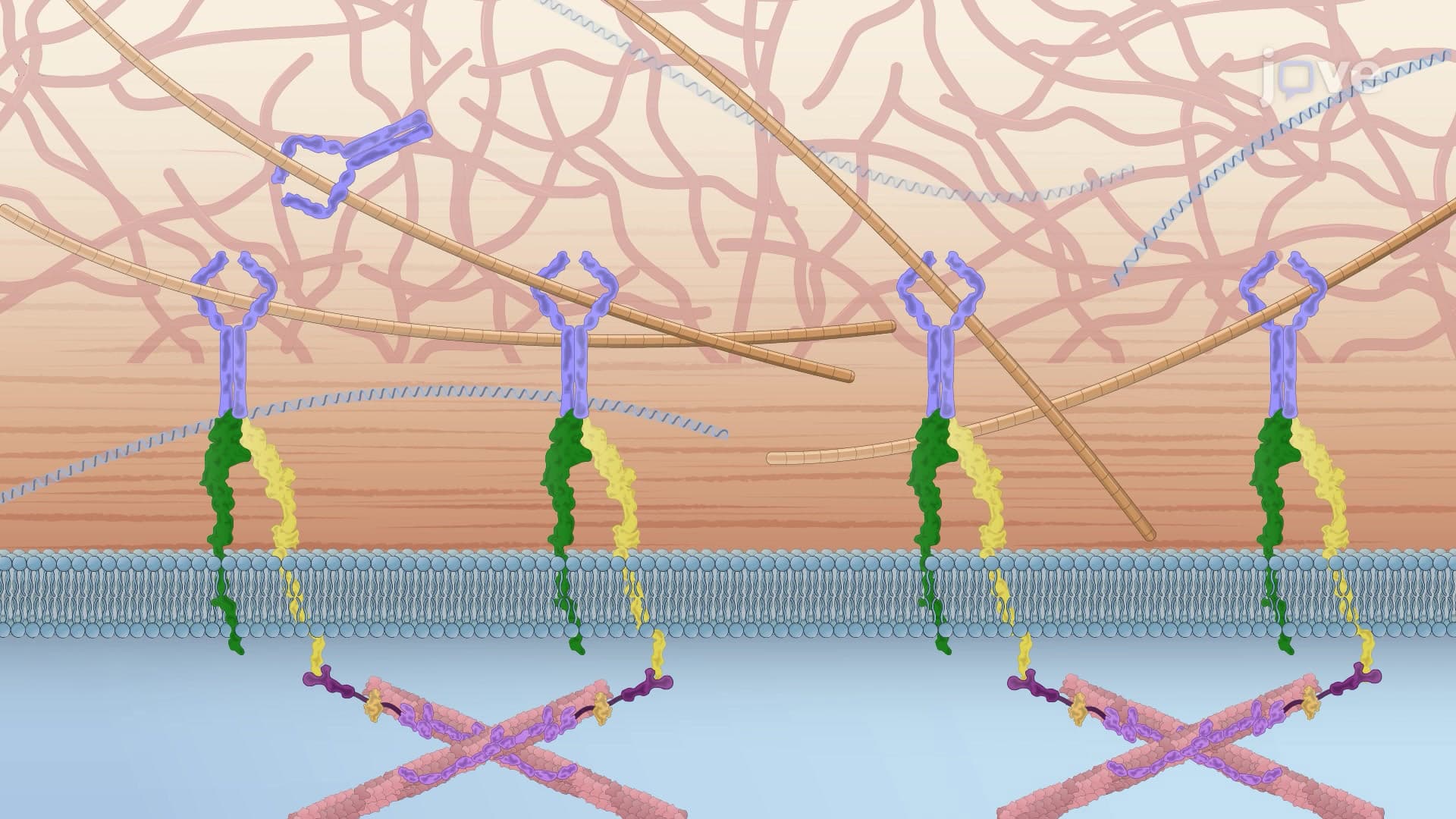
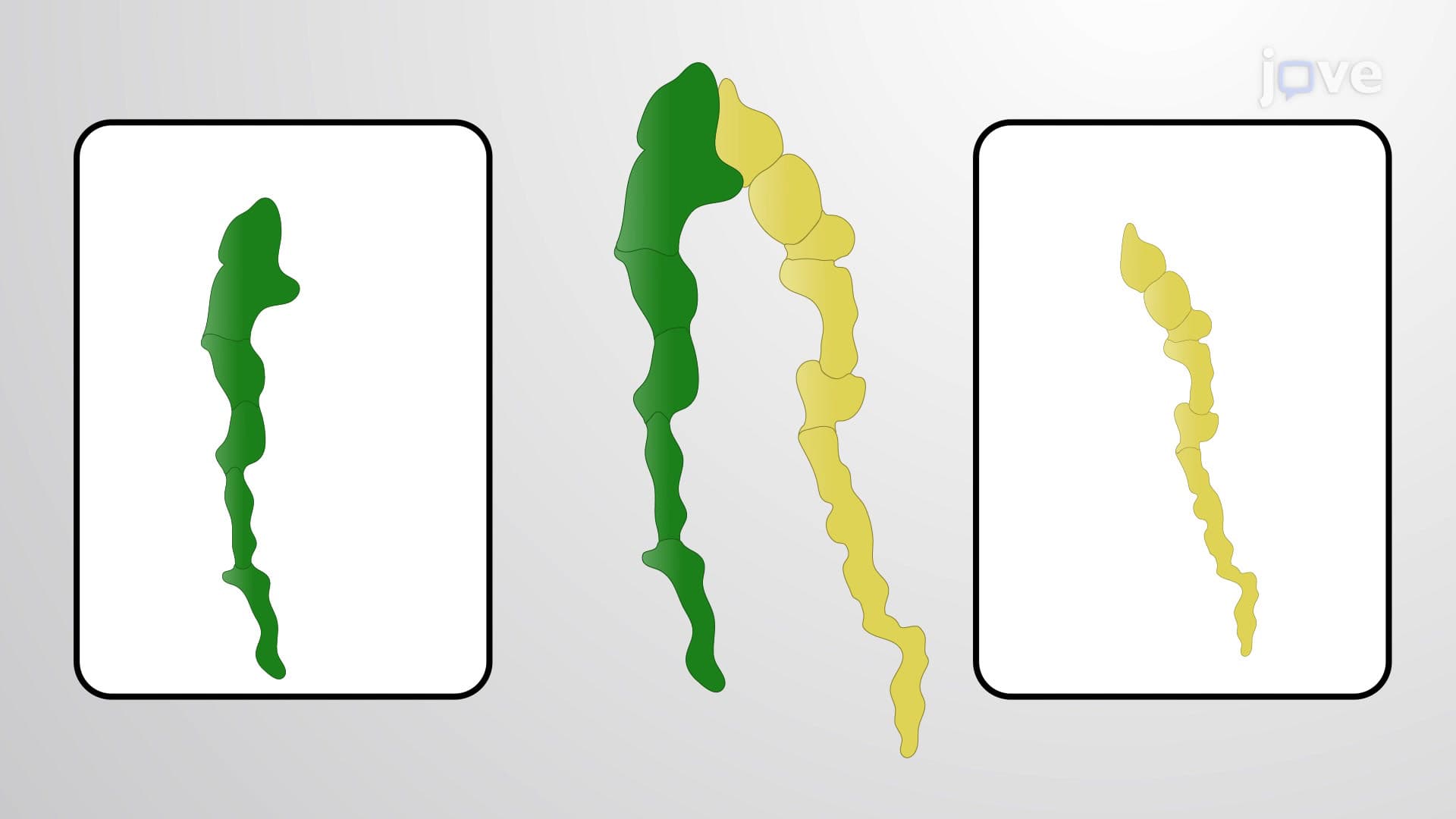
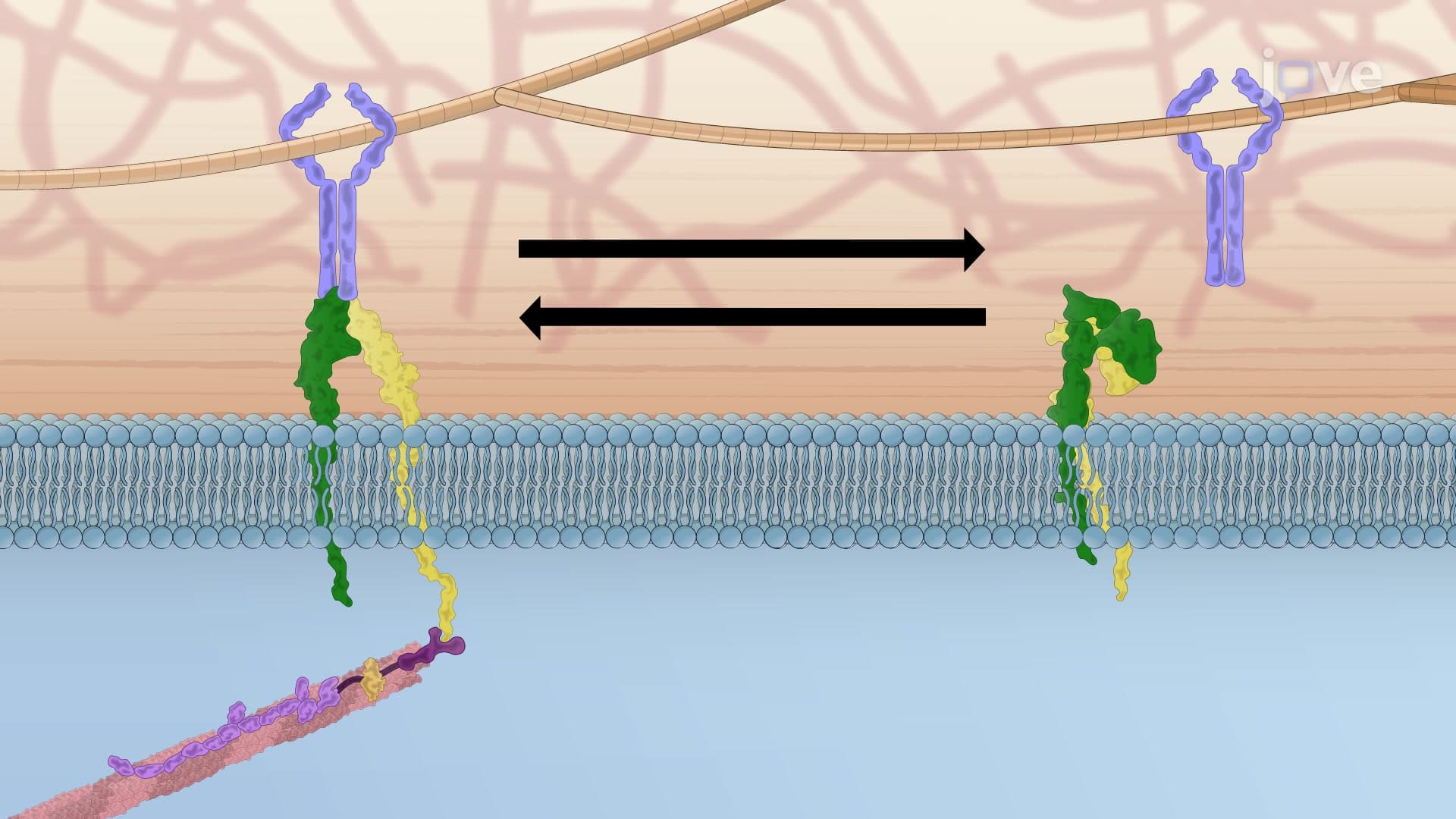
The hemidesmosome structure demonstrates remarkable molecular organization. At its core, the cytolinker protein plectin forms a dense plaque on the cytoplasmic side of the cell membrane, serving as an anchor point for keratin-containing intermediate filaments. This connection is mediated through alpha-6 beta-4 integrins, along with specialized proteins BP230 and BP180, which together create a robust linkage system.
On the extracellular side, these integrins bind to laminin, a glycoprotein that forms extensive networks within the basal lamina. This laminin-integrin interaction is particularly important in medical contexts-mutations affecting these proteins can lead to serious conditions like epidermolysis bullosa, where skin becomes extremely fragile due to defective anchoring junctions.
Anchoring junctions don't merely provide structural support; they also function as sophisticated signaling platforms. When mechanical forces act on these junctions, they can trigger intracellular signaling cascades that influence cell shape, polarity, and migration direction. This mechanotransduction is essential for processes like wound healing and tissue development.
For students preparing for the MCAT or advanced college biology courses, understanding anchoring junctions provides insight into numerous pathological conditions. For example, certain cancer cells lose proper anchoring junction function, contributing to their ability to metastasize and spread throughout the body.
Related Micro-courses