Loading video…


 6 Concepts
 49.9K views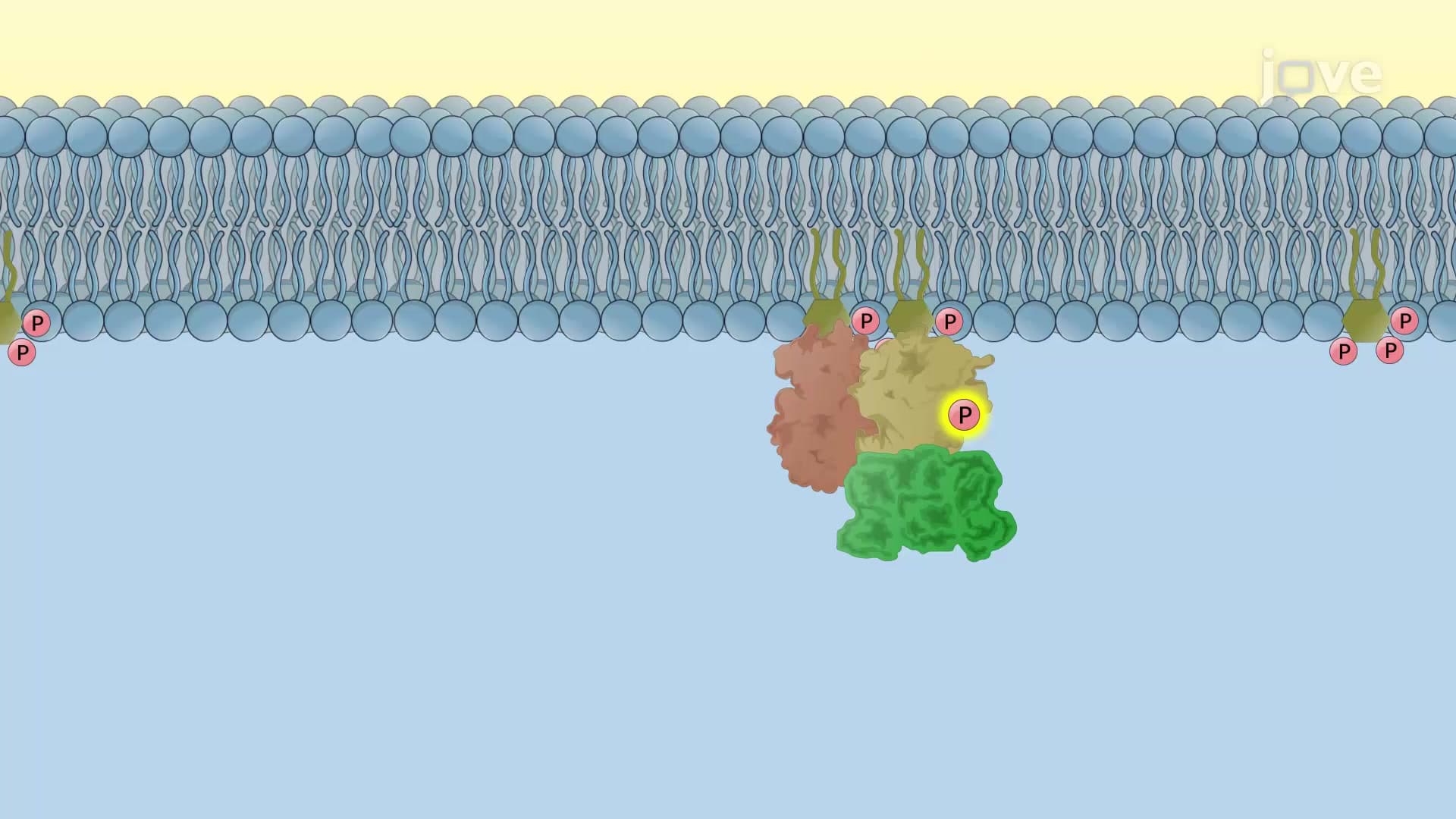

Video Summary: Pi3k Mtor Akt Signaling Pathway Explained
Why do cancer cells grow uncontrollably while healthy cells follow strict growth rules? The pi3k/mtor/akt signaling pathway controls when cells should divide, grow, or die-making it a critical target in cancer research at institutions like MD Anderson Cancer Center. This cellular communication network starts with insulin binding and cascades through multiple protein interactions to regulate cell fate. Watch the full video on JoVE Coach to master this concept with expert-led visuals and step-by-step explanations.
The PI3K/mTOR/Akt signaling pathway represents one of cell biology's most important regulatory networks, controlling everything from glucose uptake to cell survival decisions. This pathway exemplifies how cells translate external signals into coordinated internal responses, making it essential knowledge for students preparing for the MCAT or advanced placement biology exams.
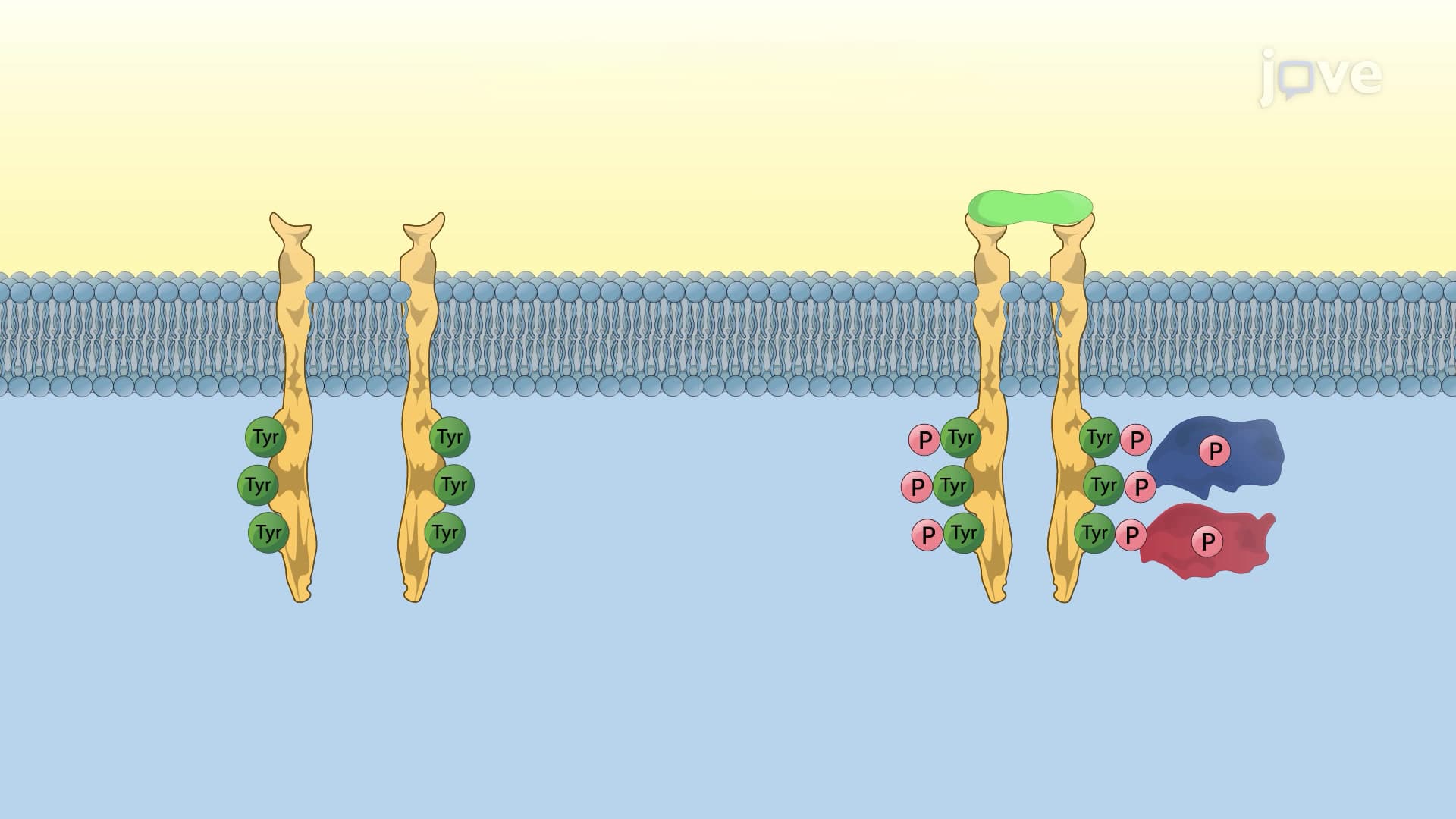
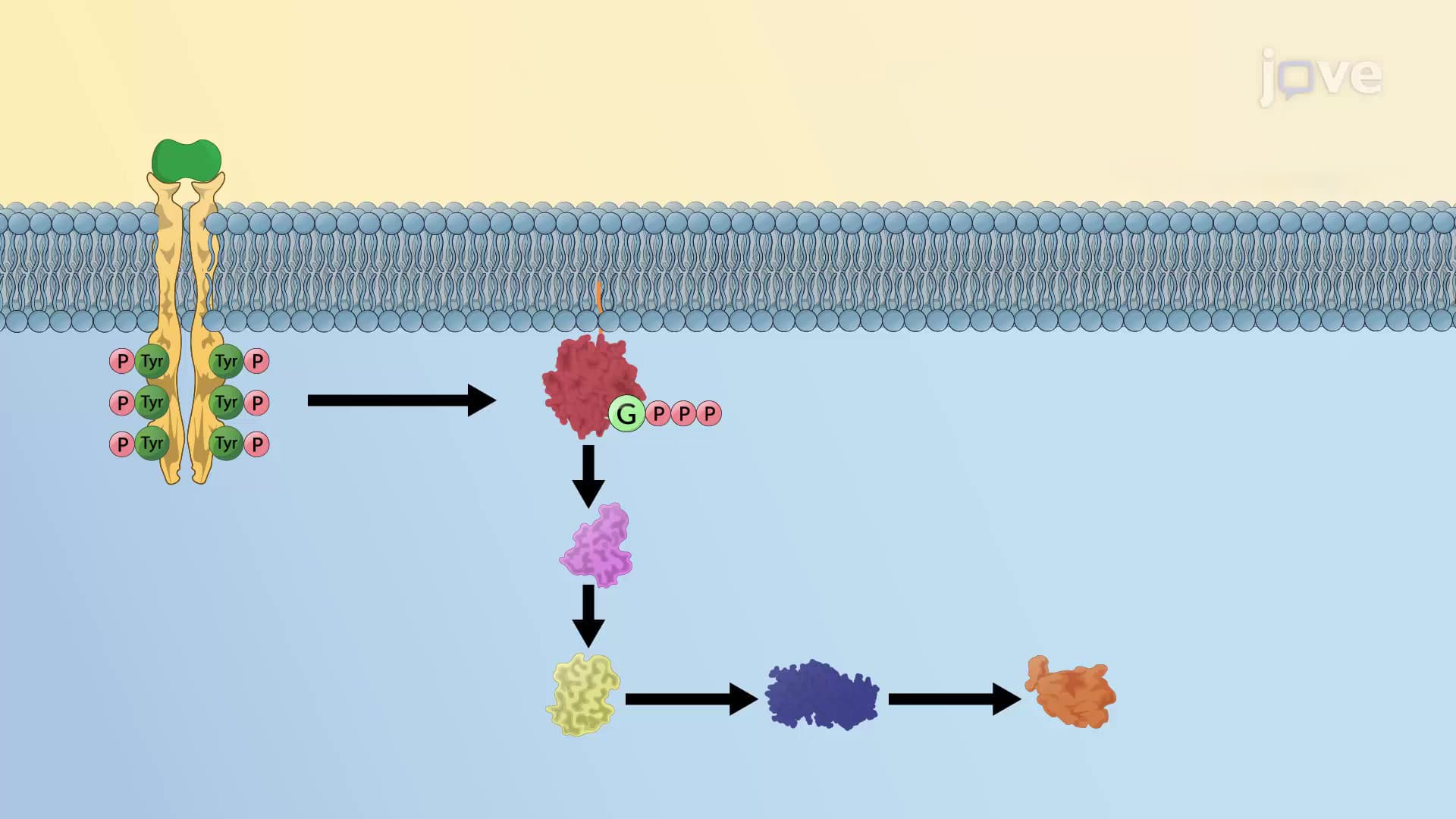
Signal transduction begins when insulin binds to its receptor tyrosine kinase (RTK), triggering autophosphorylation of specific tyrosine residues. This creates docking sites for PI3K (phosphatidylinositol-3-kinase), which then becomes enzymatically active. Students often encounter this mechanism in college biochemistry courses when studying hormone signaling-it's a classic example of how receptor activation amplifies extracellular signals.
Activated PI3K phosphorylates PIP2 (phosphatidylinositol 4,5-bisphosphate) to generate PIP3 (phosphatidylinositol 3,4,5-trisphosphate). This lipid conversion is crucial because PIP3 molecules cluster at the membrane, creating binding sites for proteins containing pleckstrin homology (PH) domains. Both AKT (also called PKB or protein kinase B) and PDK1 (3-phosphoinositide-dependent kinase 1) recognize these PIP3 anchoring points, demonstrating how cells use lipid modifications to spatially organize signaling events.
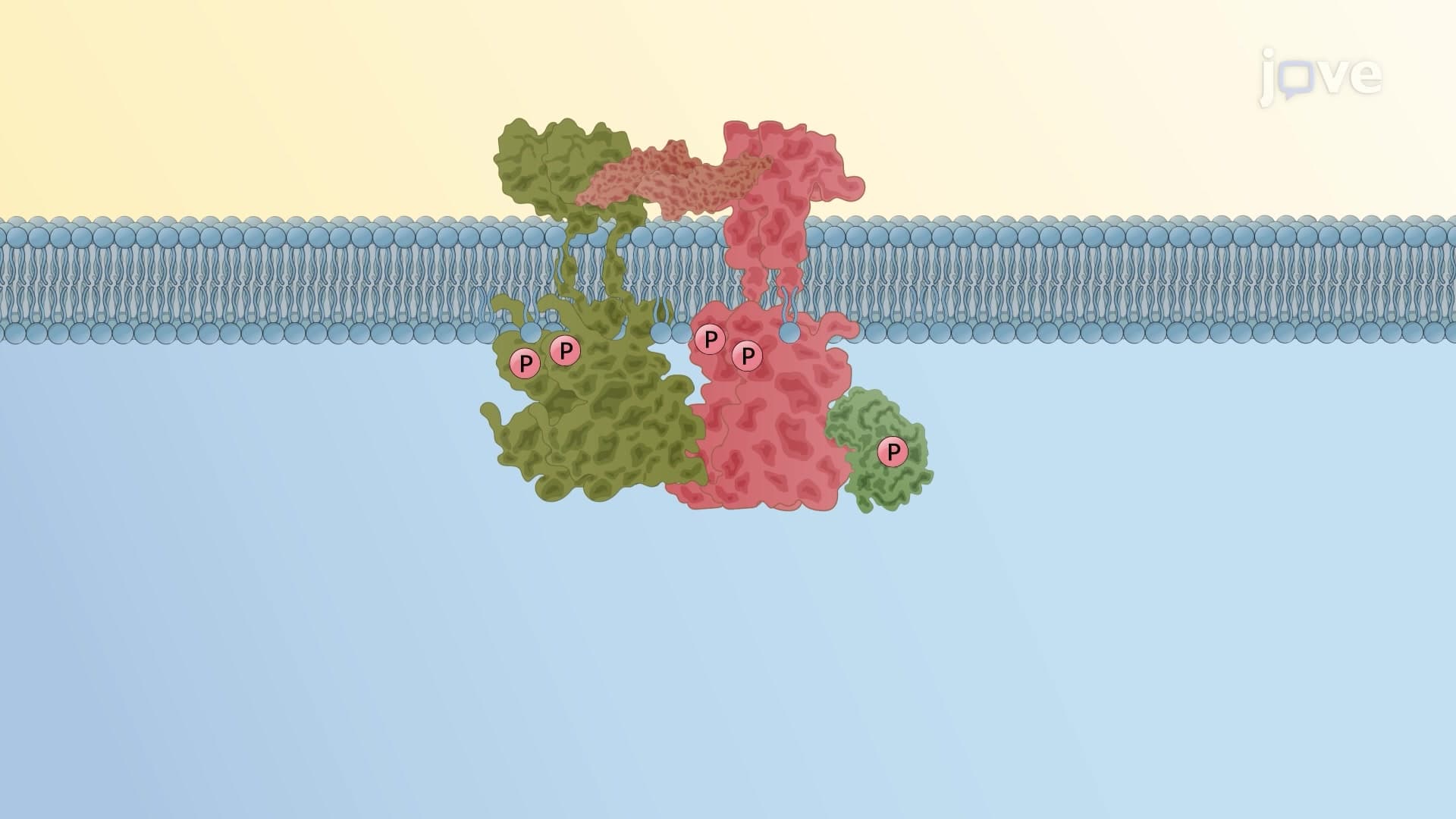
AKT activation requires phosphorylation at two distinct sites. mTORC2 (mammalian target of rapamycin complex 2) first phosphorylates a serine residue, inducing conformational changes that expose AKT's activation loop. Subsequently, PDK1 phosphorylates a threonine residue within this loop, fully activating AKT. This dual-phosphorylation mechanism ensures tight regulation-a concept frequently tested on the USMLE Step 1 when discussing growth factor signaling.
Dysregulation of this pathway contributes to numerous diseases studied at leading US medical centers. For example, researchers at Johns Hopkins have shown that overactive PI3K/AKT signaling promotes tumor growth by preventing normal cell death pathways. Conversely, insulin resistance-often seen in type 2 diabetes-involves impaired AKT activation, reducing glucose uptake in muscle and fat tissues. Understanding these connections helps students appreciate why this pathway appears across multiple medical specialties, from oncology to endocrinology.
Related Micro-courses