Loading subject page…


49,933 views


Video Summary: The Jak Stat Signaling Pathway Explained
Ever wondered how your immune system coordinates responses to infections or how cancer treatments like interferon work at the cellular level? The jak stat signaling pathway is the molecular communication highway that allows cells to respond to critical signals from cytokines-the same molecules targeted by breakthrough immunotherapy drugs approved by the FDA. This fundamental cellular process controls everything from immune responses to cell growth regulation. Watch the full video on JoVE Coach to master this concept with expert-led visuals and step-by-step explanations.
The jak stat signaling pathway represents one of the most elegant examples of cellular communication in molecular biology. Unlike growth factor receptors that possess built-in kinase domains, cytokine receptors rely on a sophisticated partnership with separate kinase enzymes. This modular design allows cells to respond rapidly to diverse signals-from interleukins that coordinate immune responses to interferons used in hepatitis C treatment protocols approved by the CDC.
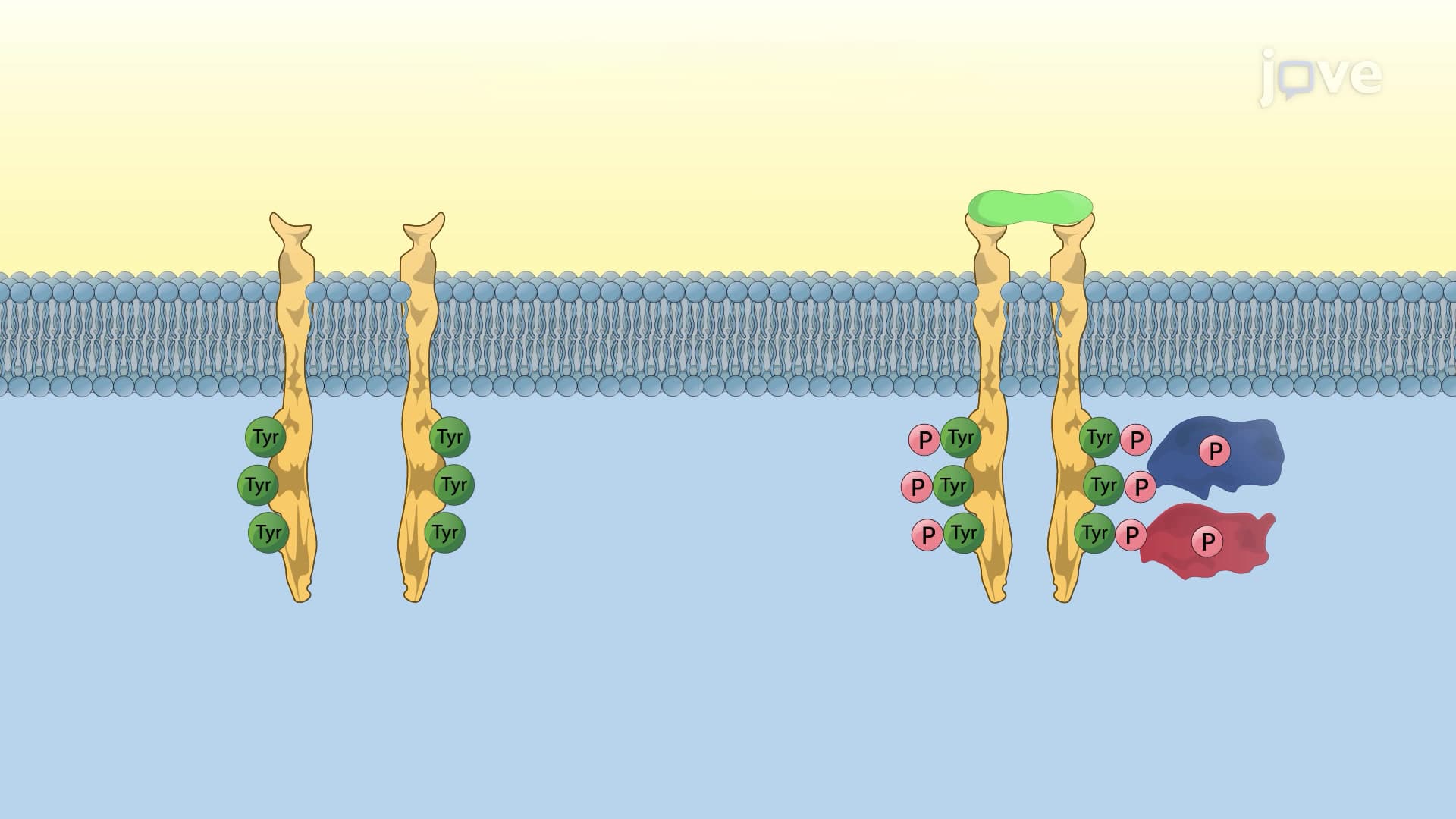
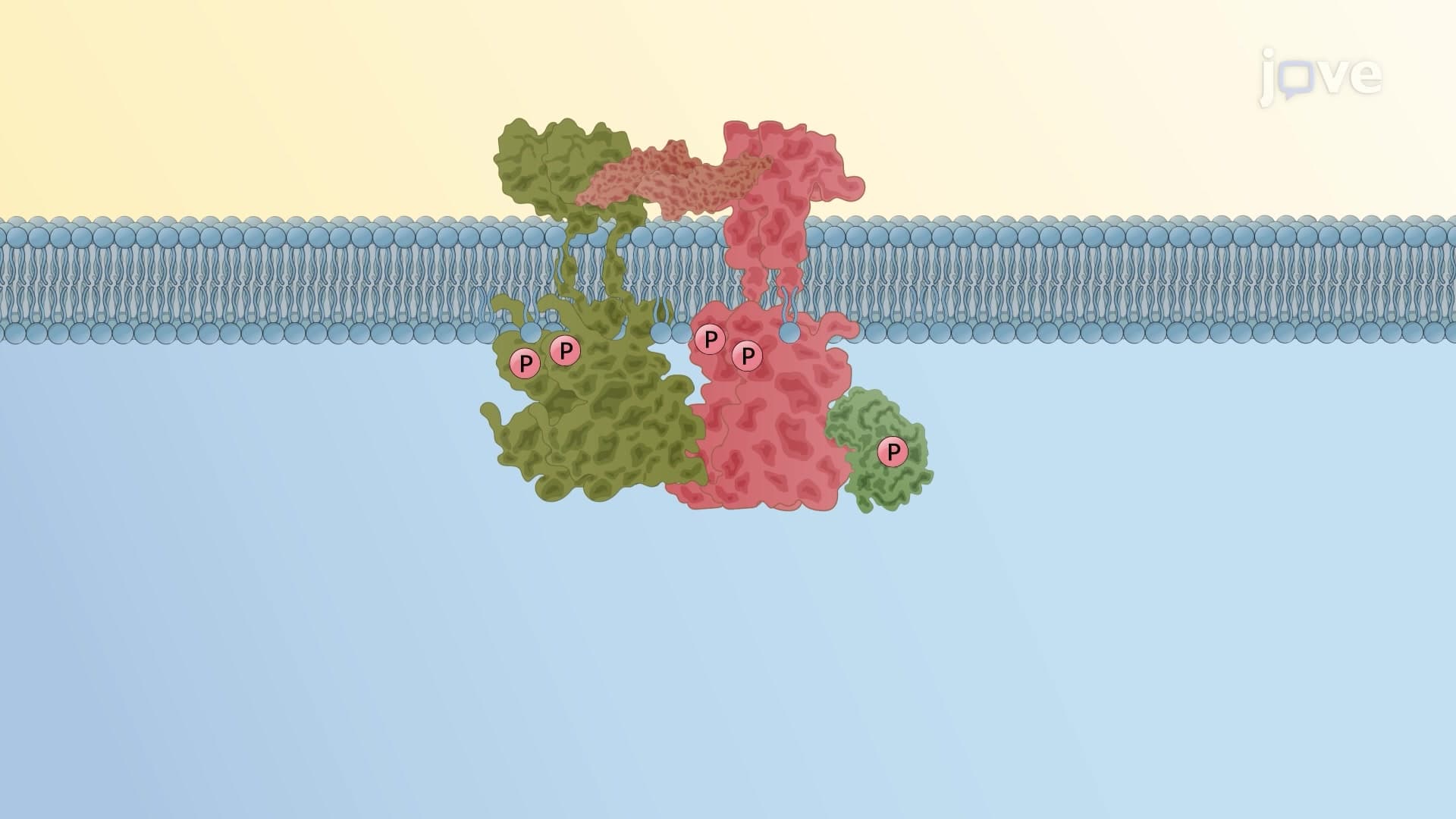
The pathway begins when cytokines bind to their specific receptors, triggering receptor dimerization. This brings two Janus kinases (JAKs) into close proximity-a critical step since these enzymes cannot activate themselves. The trans-phosphorylation mechanism ensures signal amplification: each JAK phosphorylates its partner on key tyrosine residues, creating a positive feedback loop. Students preparing for the MCAT should note that this represents a classic example of enzyme activation through conformational change, a concept frequently tested in biochemistry sections.
Once activated, JAKs phosphorylate specific tyrosine residues on the receptor's cytoplasmic domain, creating docking sites for STAT proteins. These "Signal Transducers and Activators of Transcription" contain SH2 domains-modular protein regions that specifically recognize phosphotyrosine sequences. After phosphorylation by JAKs, STAT proteins undergo dimerization and nuclear translocation, directly binding DNA to regulate gene expression. This direct pathway from membrane to nucleus explains why cytokine responses can occur within minutes, unlike slower second-messenger cascades.
The pathway includes built-in termination mechanisms through SOCS (Suppressors of Cytokine Signaling) proteins. These regulatory molecules demonstrate negative feedback-their own synthesis is activated by STAT dimers, creating a self-limiting system. SOCS proteins bind phosphotyrosine residues on both receptors and JAKs, effectively blocking further signal transmission. This mechanism is clinically relevant: dysregulated SOCS function contributes to autoimmune conditions like rheumatoid arthritis, where prolonged cytokine signaling drives chronic inflammation. Understanding this regulation helps explain why immunosuppressive drugs target various points in the JAK-STAT pathway, from JAK inhibitors like tofacitinib approved for inflammatory bowel disease to biologics that block specific cytokines.
Related Micro-courses