Loading video…


 5 Concepts
 1.9K views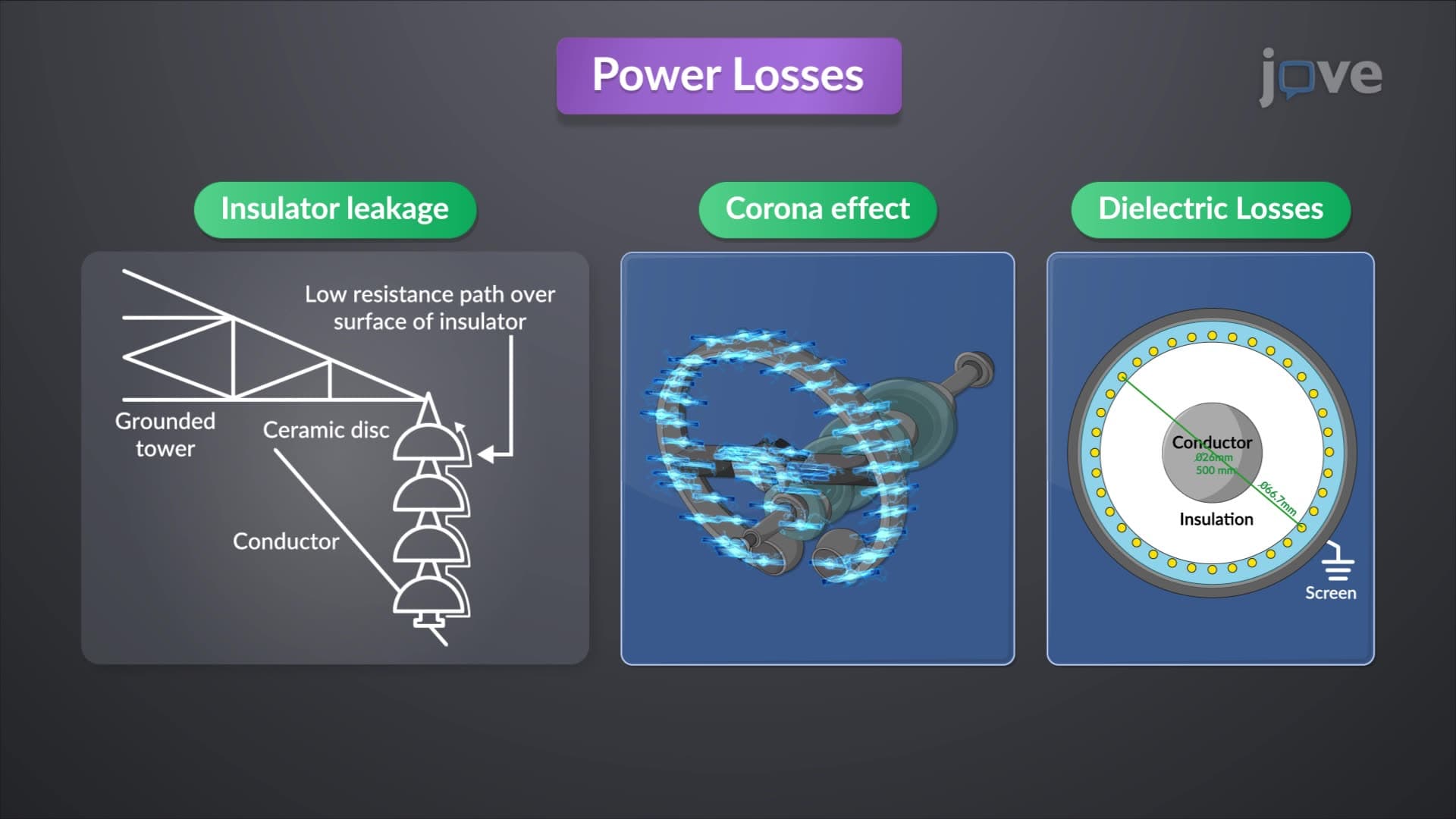

Video Summary: What Is Lossy Lines and Overvoltages
When your smartphone suddenly shuts down during a thunderstorm, you're witnessing the effects of overvoltages and transmission line losses in action. Insulation coordination protects electrical systems from these dangerous voltage spikes that can destroy equipment instantly. Power companies across the US, like Pacific Gas & Electric in California, use sophisticated insulation coordination strategies to prevent cascading blackouts when lightning strikes transmission lines. Understanding what is lossy lines and overvoltages reveals how electrical energy degrades as it travels through conductors and why protective systems are essential. Watch the full video on JoVE Coach to master this concept with expert-led visuals and step-by-step explanations.
Lossy lines and overvoltages represent fundamental challenges in electrical power systems that engineers must address to ensure reliable electricity delivery. When electrical signals travel through transmission lines, they encounter two primary loss mechanisms: resistance in the conductors themselves and conductance through the insulation between conductors. These losses cause signal attenuation, meaning the voltage and current decrease as they travel along the line.
The behavior of lossy lines requires sophisticated mathematical analysis using propagation constants and Laplace transforms. For a single-phase two-wire circuit, engineers incorporate constant series resistance (R) and shunt conductance (G) into the fundamental voltage and current equations. The propagation constant (γ) becomes γ = √[(R + jωL)(G + jωC)], where ω represents angular frequency, L is inductance, and C is capacitance.
For distortionless lines, a special condition exists where R/L = G/C. This relationship allows engineers to rewrite equations using simplified parameters (delta and sigma) that describe both forward and backward traveling waves with consistent attenuation rates. Students preparing for AP Physics or college electrical engineering courses should focus on understanding how these mathematical relationships translate to real-world power system behavior.
Three distinct mechanisms cause power losses in transmission systems. Resistive losses, following I²R relationships, occur due to current flow through conductor resistance - this explains why high-voltage transmission is preferred for long distances. Conductance losses relate to voltage across conductors and stem from insulator leakage, corona effects around conductors, and dielectric losses in underground cables.
Corona discharge, visible as blue glows around high-voltage lines during humid conditions, represents a significant loss mechanism that utilities like Con Edison in New York actively monitor and mitigate through proper conductor sizing and spacing.
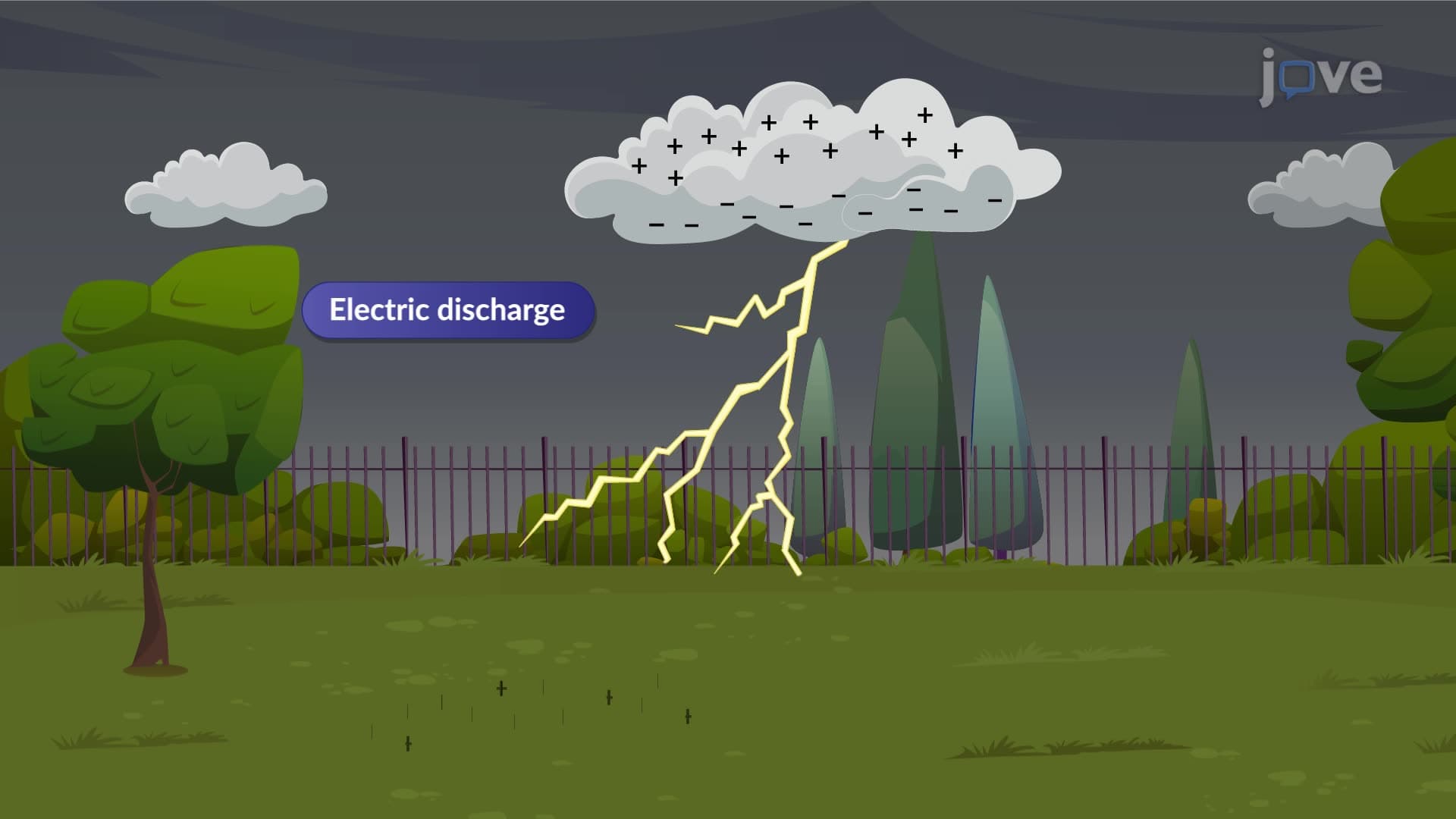
Overvoltages exceed normal operating voltage limits and originate from three primary sources. Lightning strikes can inject millions of volts into power systems within microseconds. Switching surges occur when circuit breakers operate, creating transient overvoltages. Power frequency overvoltages develop during system faults or load rejections.
The 2003 Northeast blackout demonstrates why insulation coordination is critical - inadequate protection against overvoltages contributed to the cascading failure affecting 50 million people across the US and Canada. Modern power systems employ surge arresters, protective relaying, and coordinated insulation levels to prevent such events.
Related Micro-courses