13 Concepts
11 Concepts
9 Concepts
8 Concepts
13 Concepts
16 Concepts
9 Concepts
11 Concepts
15 Concepts
11 Concepts
14 Concepts
20 Concepts
11 Concepts
7 Concepts
5 Concepts
7 Concepts
10 Concepts
7 Concepts
7 Concepts
5 Concepts
9 Concepts
7 Concepts
7 Concepts
7 Concepts
10 Concepts
4 Concepts
7 Concepts
6 Concepts
8 Concepts
9 Concepts
7 Concepts
5 Concepts
5 Concepts
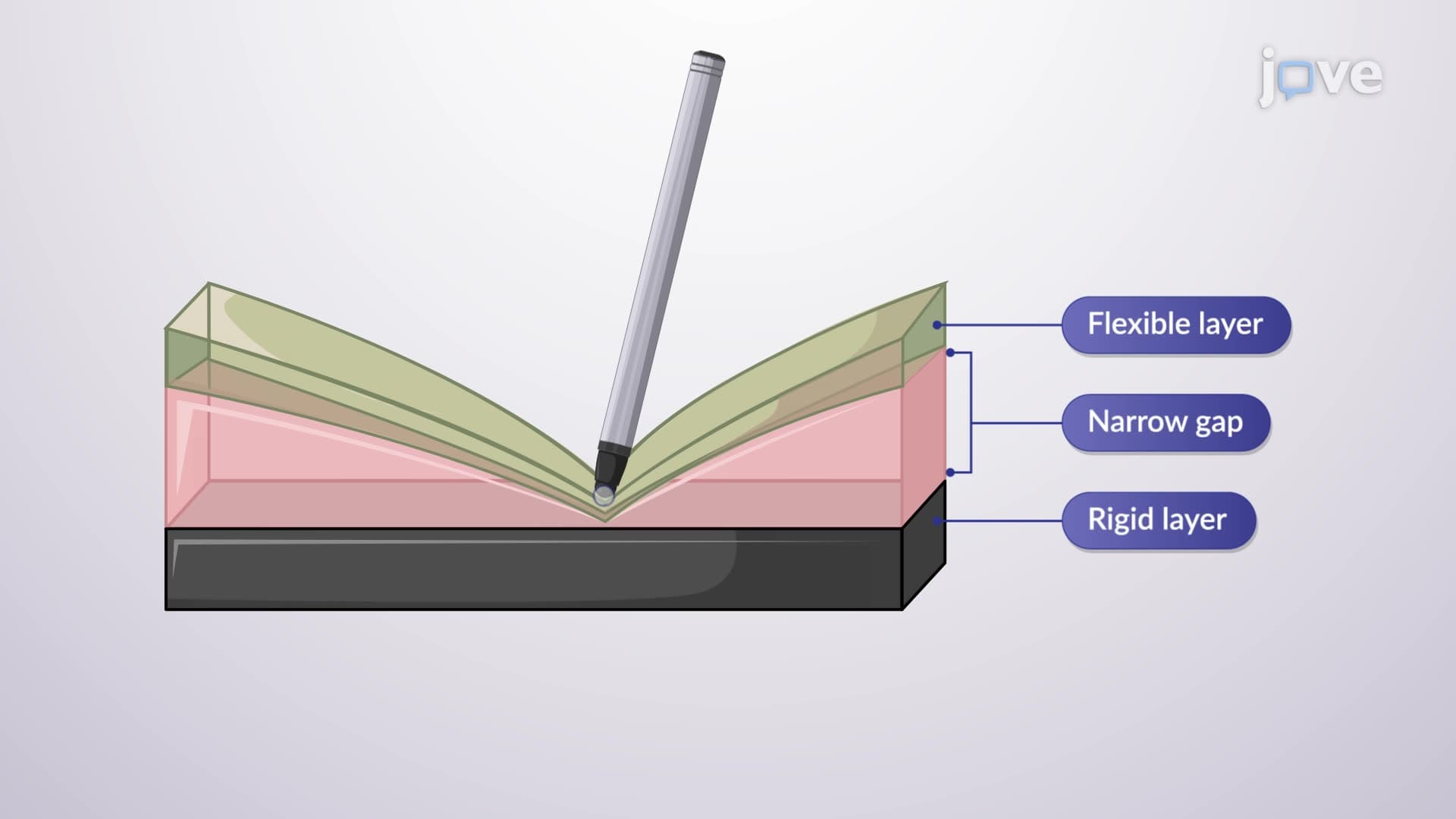
Electric circuits form the foundation of modern electronics, from smartphone batteries to household appliances. This comprehensive course explores circuit components, fundamental laws like Ohm's law Kirchhoff, and essential analysis techniques including voltage current relationships, series parallel connections, and practical applications in touchscreen technology. Master these electric circuits fundamentals through JoVE Coach's expert-guided instruction and real-world examples from American engineering systems.
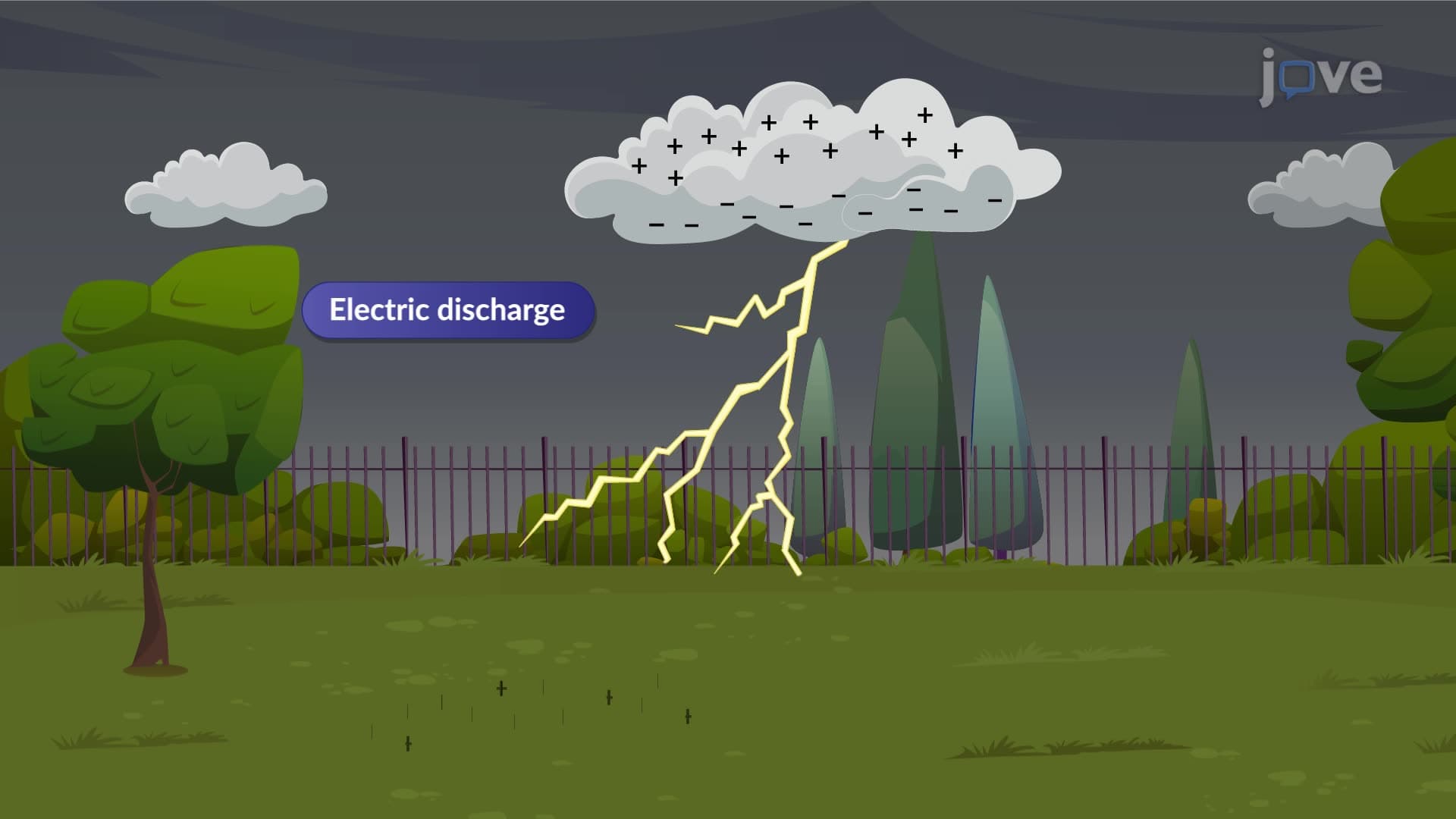
1. Charge and Current Fundamentals: Electric charge represents matter's inherent property responsible for electrical phenomena, measured in coulombs. Current measures the time rate of charge flow in amperes, with conventional current direction opposite to electron flow. Understanding these concepts helps explain how batteries power devices like laptops and smartphones. Direct current (DC) remains constant over time, while alternating current (AC) varies sinusoidally, delivering electricity to American homes through the power grid system.
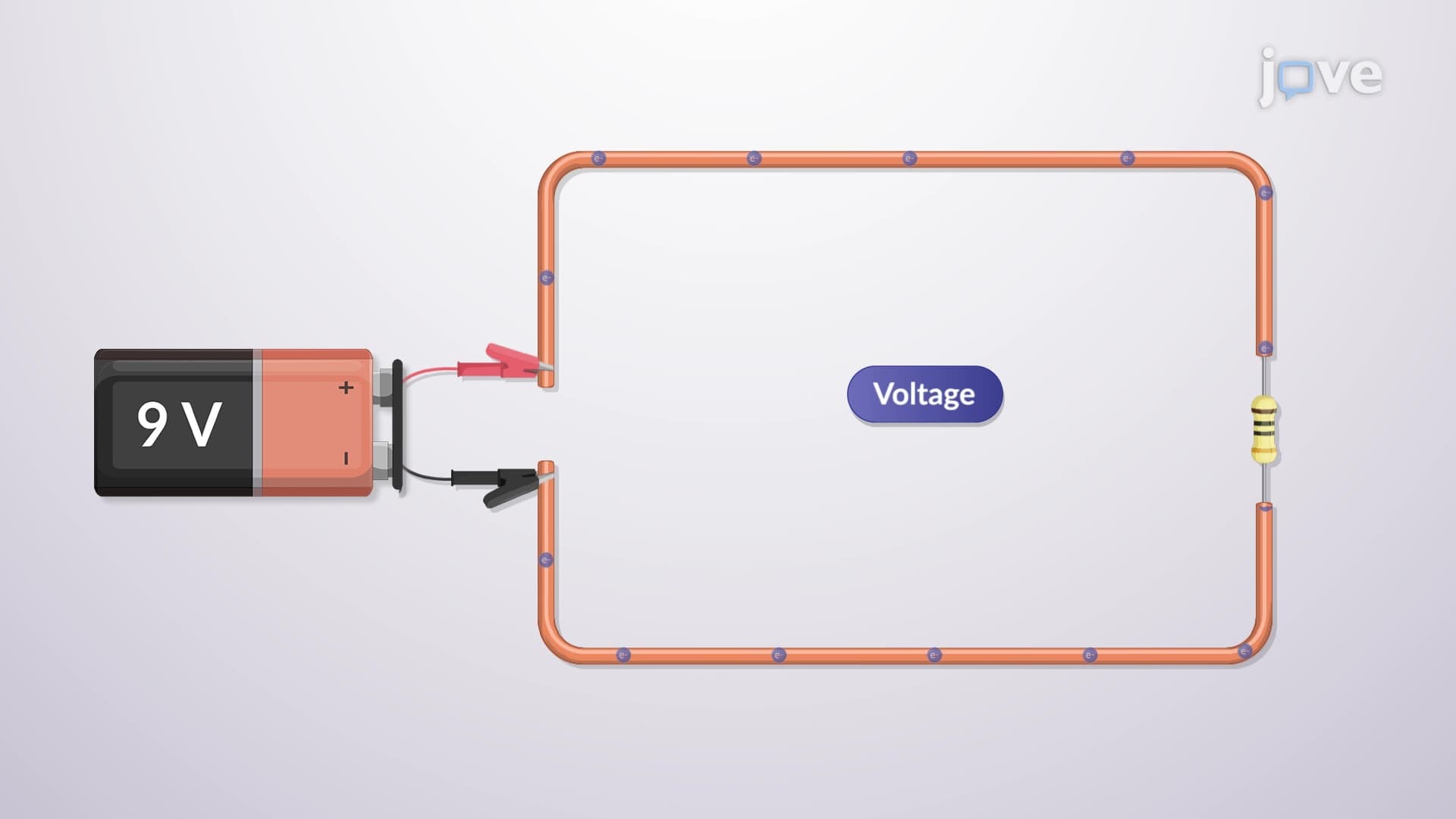
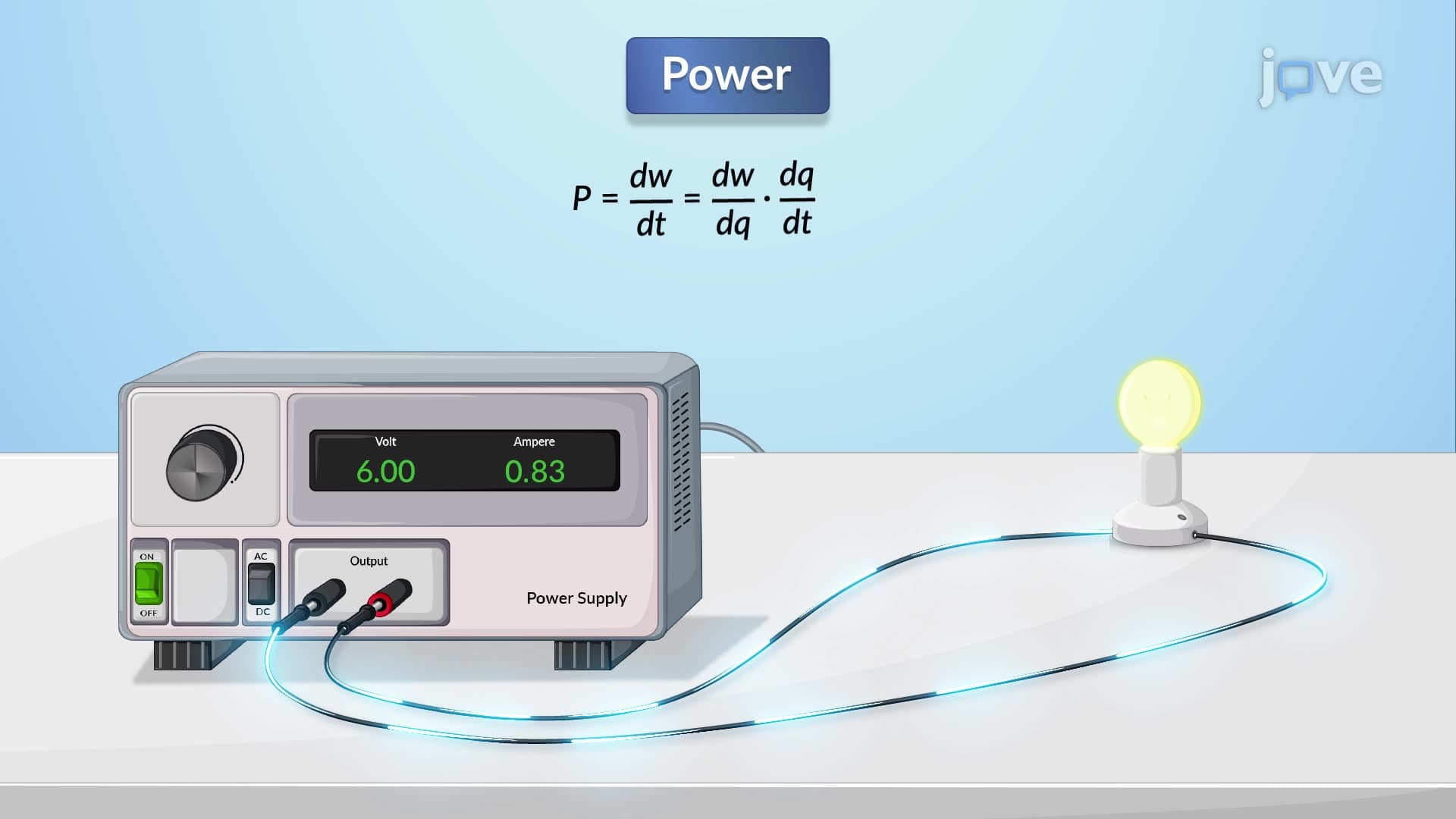
2. Voltage and Energy Relationships: Voltage represents the energy required to transport unit charge between two points, measured in volts. This electromotive force drives electron movement in conductors, similar to water pressure in plumbing systems. Power measures energy transfer rate in watts, calculated as the product of voltage and current. Energy conservation principles ensure total power supplied equals total power absorbed in circuits, explaining why electric utility companies measure household consumption in kilowatt-hours.
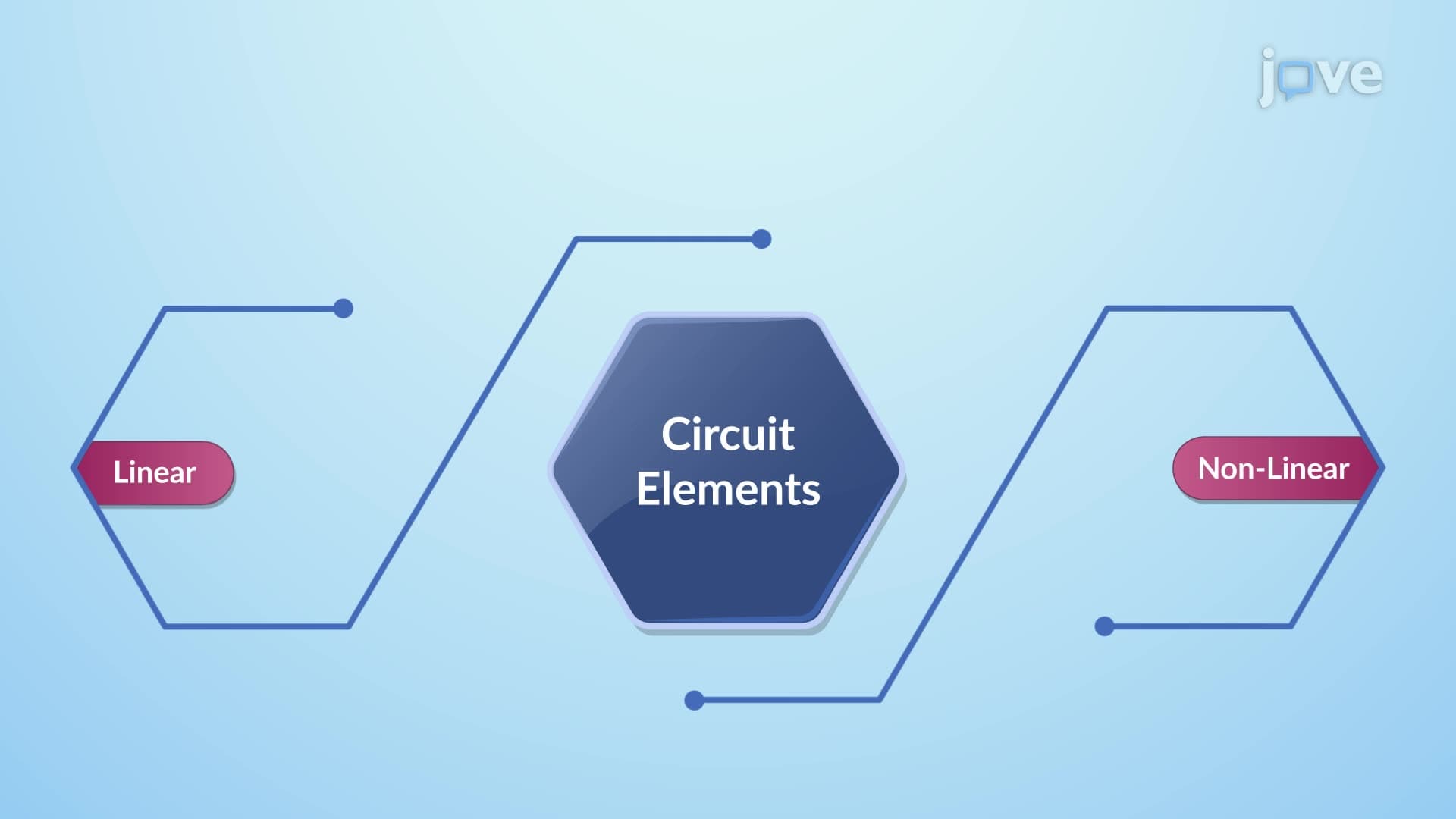
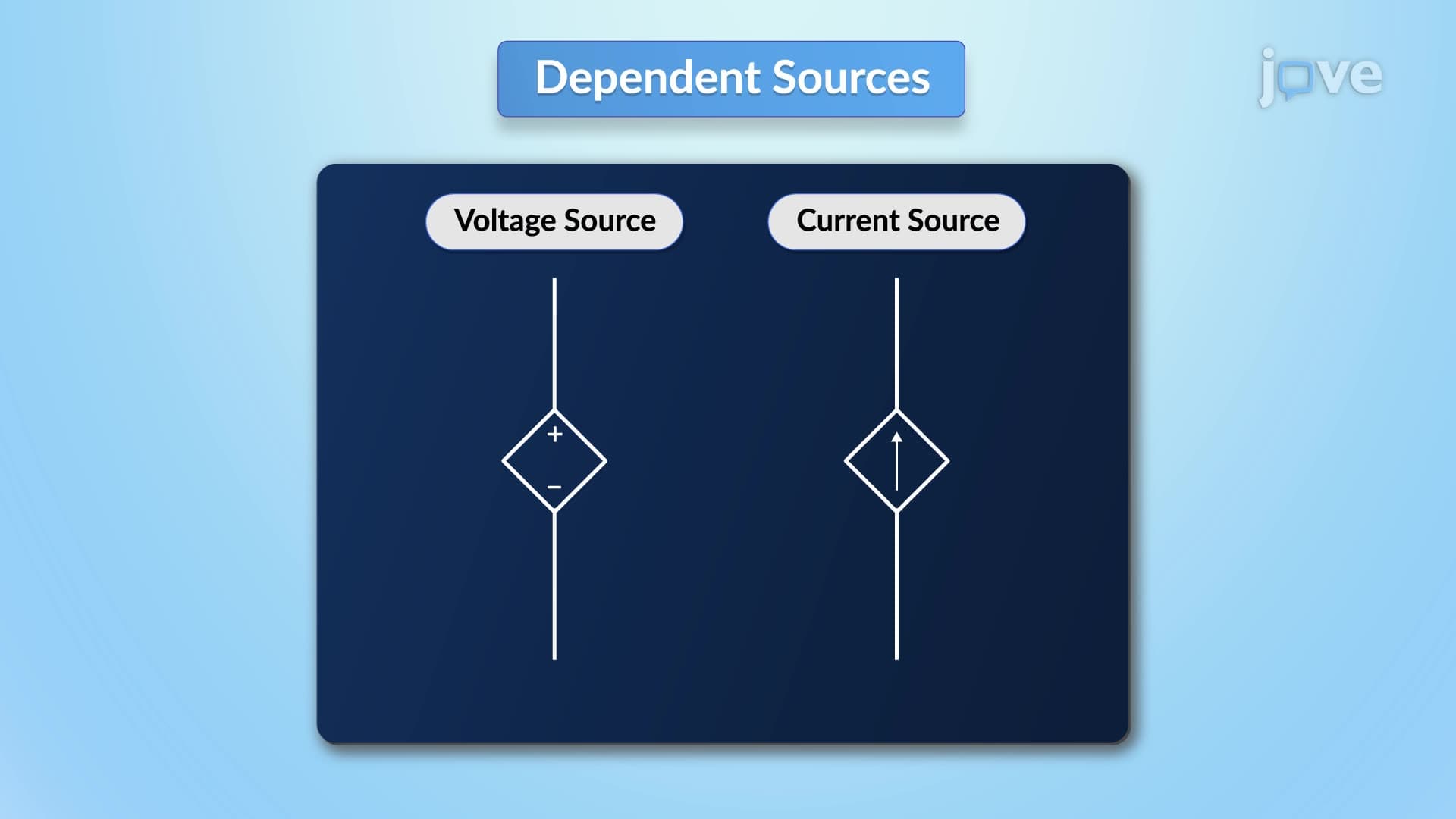
3. Circuit Elements and Classification: Circuit components divide into active elements (generating energy) like batteries and generators, and passive elements (absorbing energy) including resistors, capacitors, and inductors. Linear elements obey superposition and homogeneity principles, while nonlinear elements like thermistors exhibit temperature-dependent behavior. Understanding these classifications helps engineers design everything from simple flashlight circuits to complex computer processors used in American manufacturing.
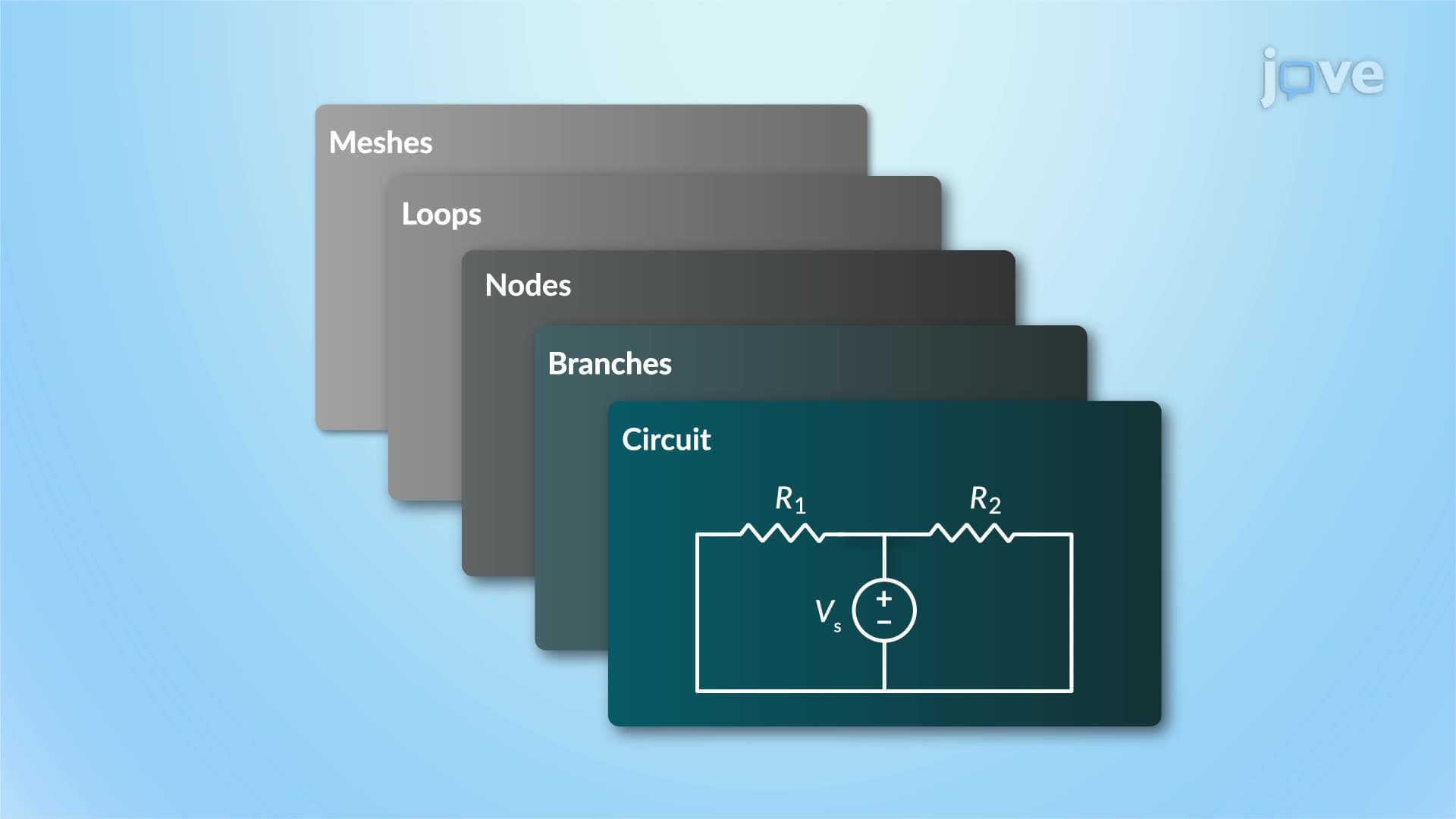
4. Network Topology and Terminology: Electrical networks consist of interconnected elements forming branches, nodes, loops, and meshes. Branches represent two-terminal elements, nodes connect multiple branches, and loops create closed paths. Independent loops contain branches not shared with other loops, while meshes represent the simplest closed paths. This terminology provides the foundation for analyzing circuits in American electrical systems, from residential wiring to industrial control panels.
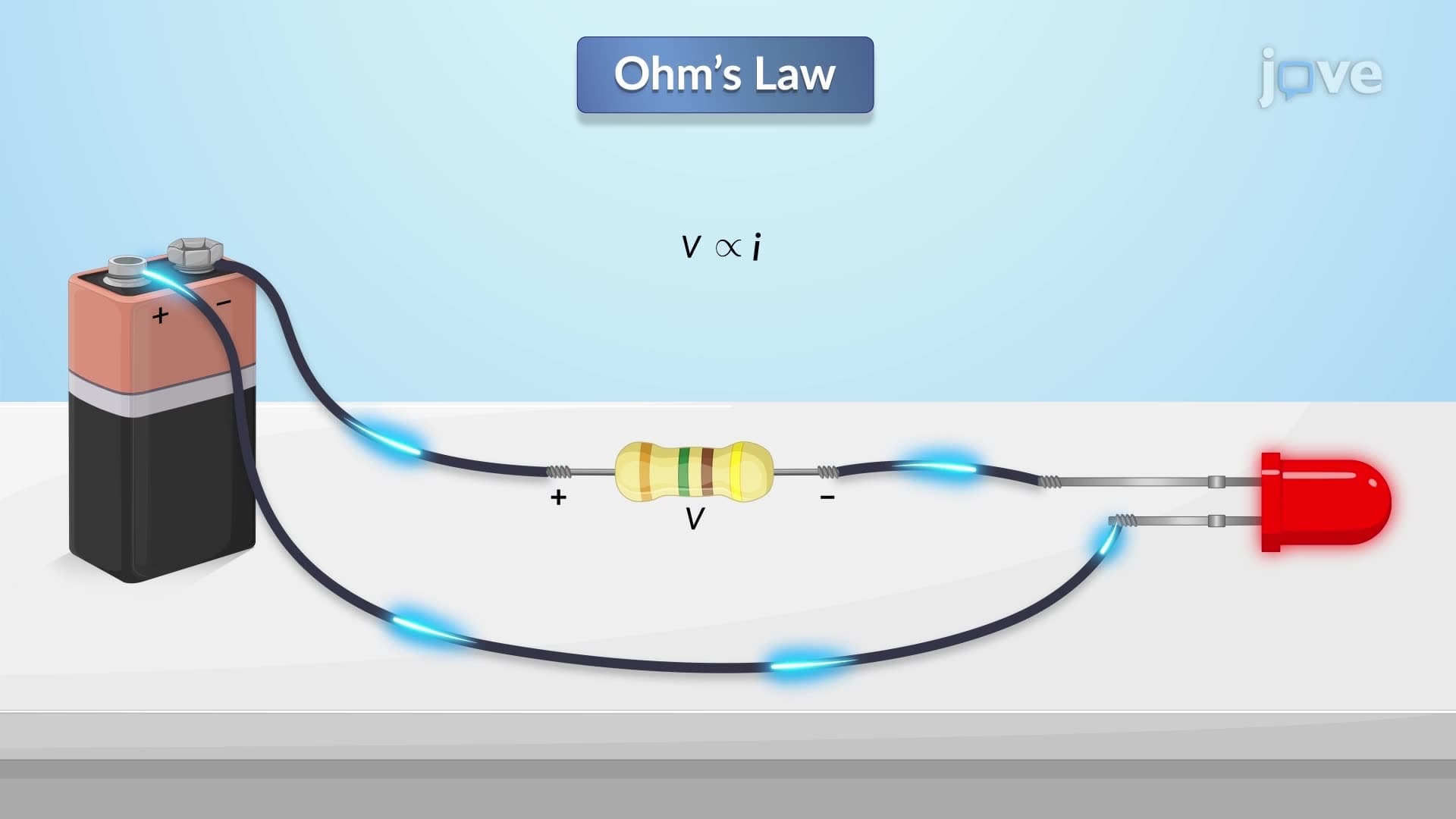
5. Ohm's Law Applications: Georg Simon Ohm's law states that current through a material is directly proportional to applied voltage under constant conditions. This fundamental relationship (V = IR) enables calculations for circuit analysis and component selection. Ohmic materials follow this linear relationship, while nonohmic materials exhibit nonlinear behavior. Engineers use Ohm's law daily when designing circuits for American electronics, from smartphone chargers to electric vehicle charging stations.
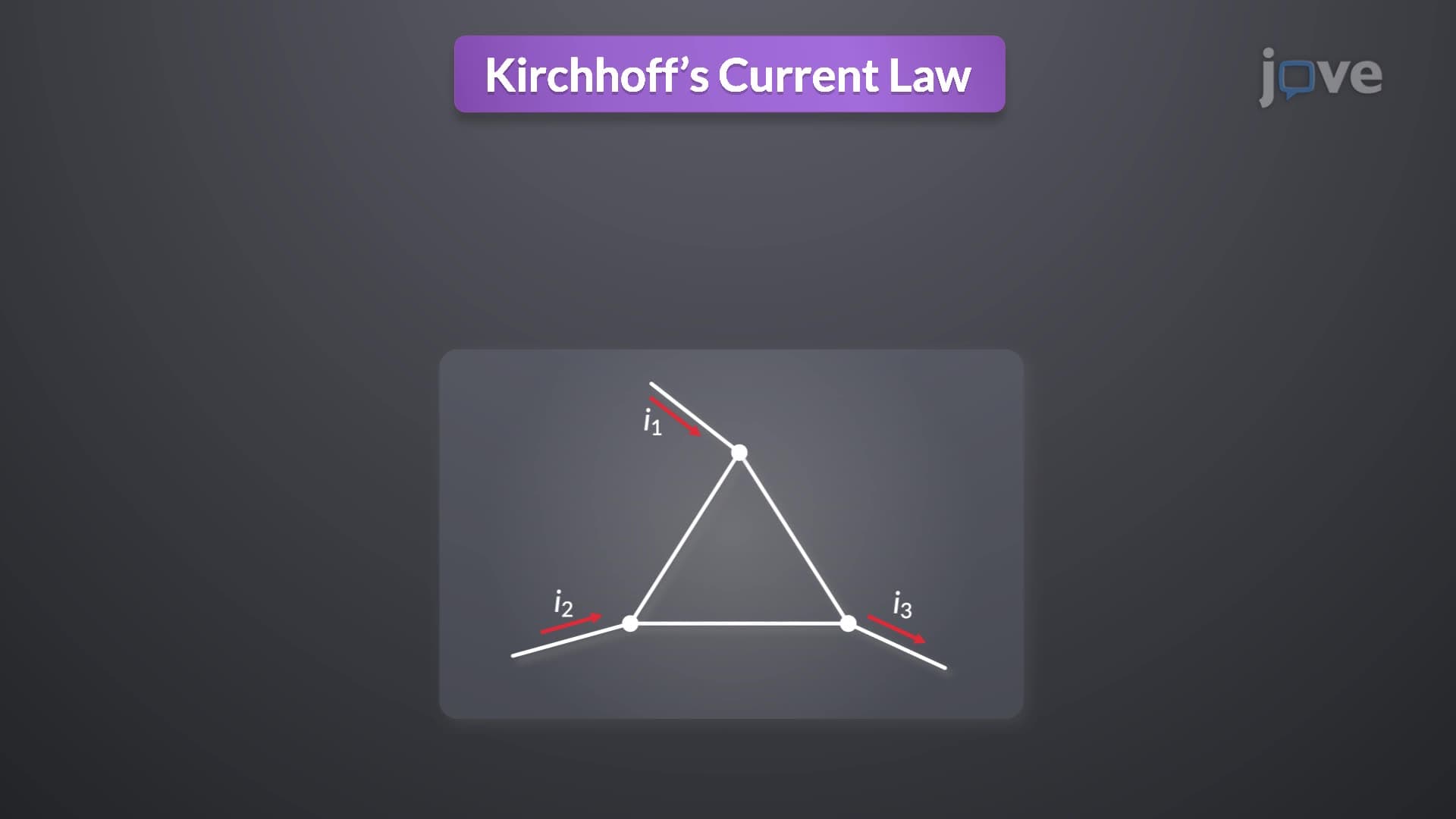
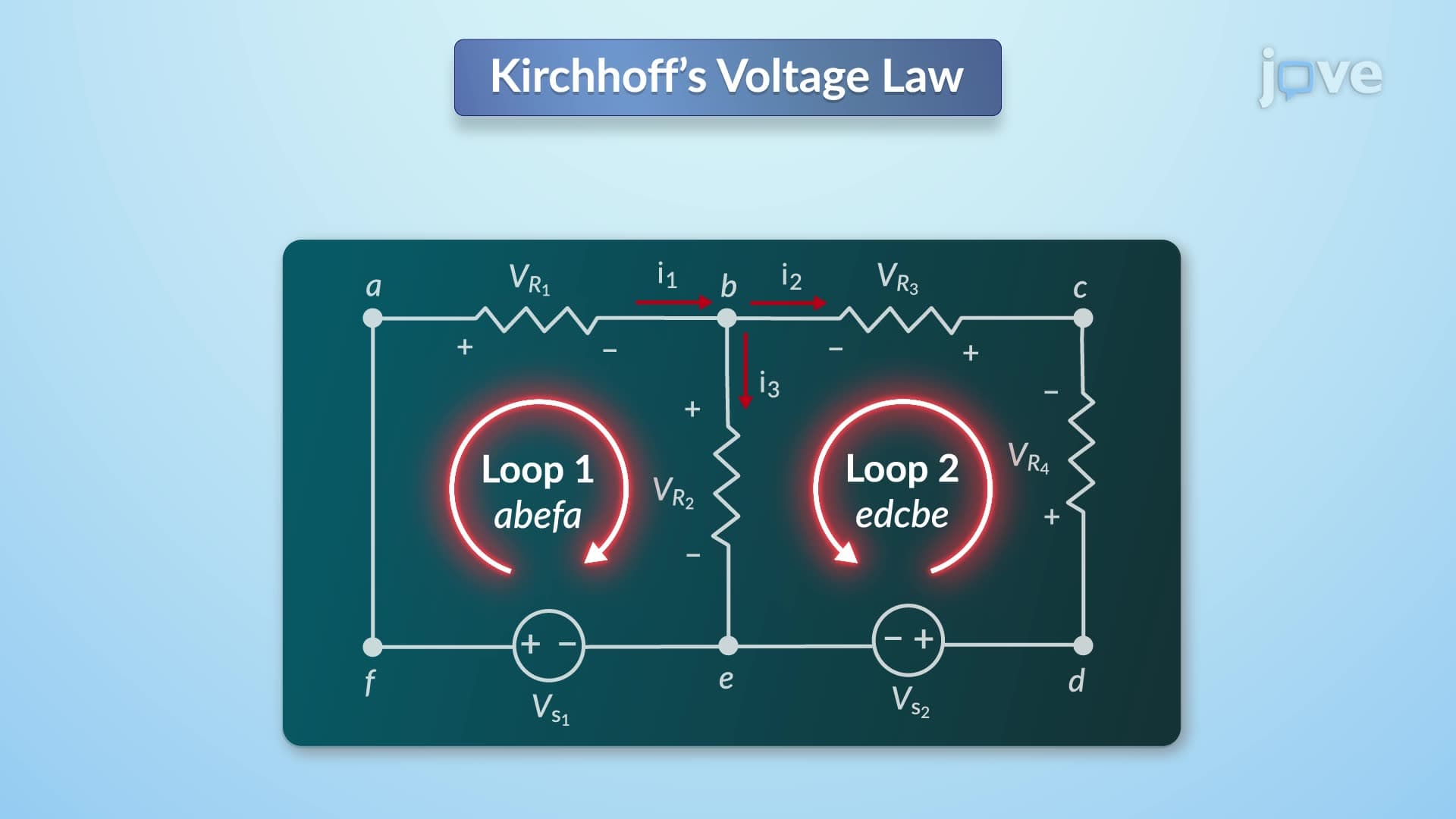
6. Kirchhoff's Laws for Circuit Analysis: Kirchhoff's Current Law (KCL) states that total current entering a node equals total current leaving, based on charge conservation. Kirchhoff's Voltage Law (KVL) requires that algebraic sum of voltages around any closed loop equals zero, reflecting energy conservation. These laws enable systematic analysis of complex circuits found in American infrastructure, including power distribution systems and electronic control circuits in manufacturing facilities.
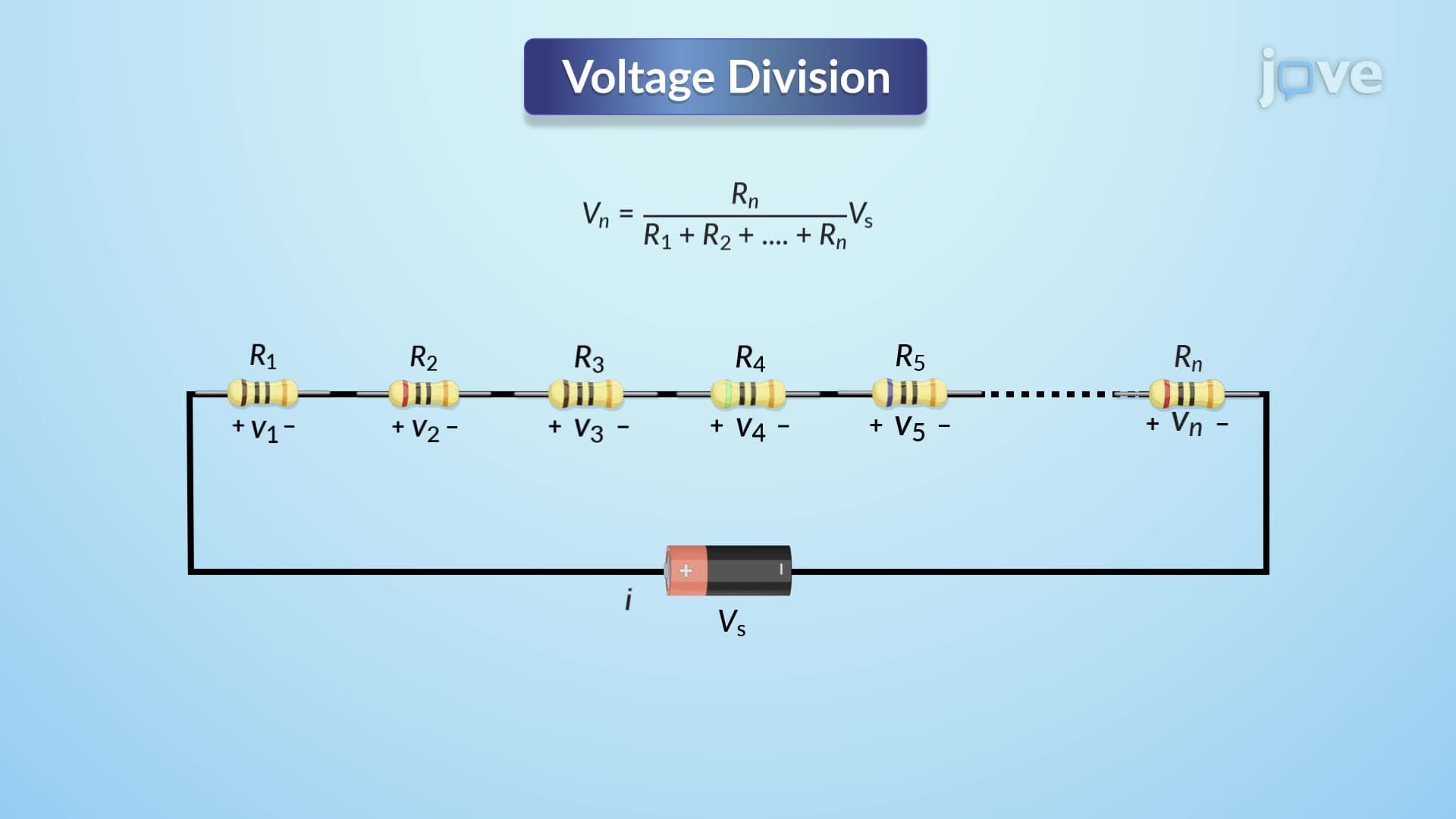
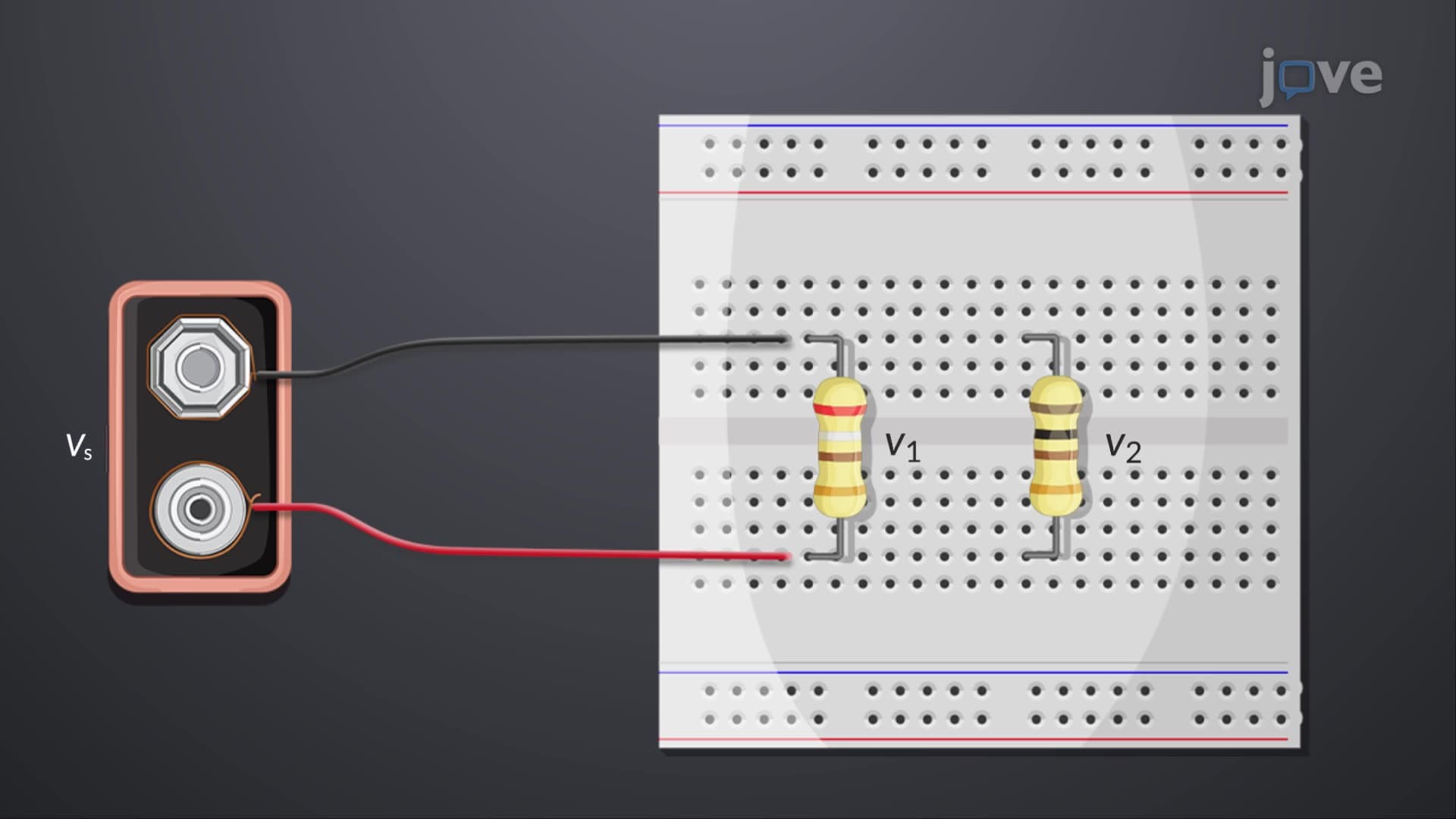
7. Voltage and Current Division Principles: Series-connected resistors share the same current while dividing source voltage proportionally to their resistance values. Parallel-connected resistors experience identical voltage while dividing source current inversely proportional to their resistances. These principles explain how voltage dividers create reference levels in electronic circuits and how current dividers distribute power in parallel-connected devices like household appliances sharing electrical outlets.
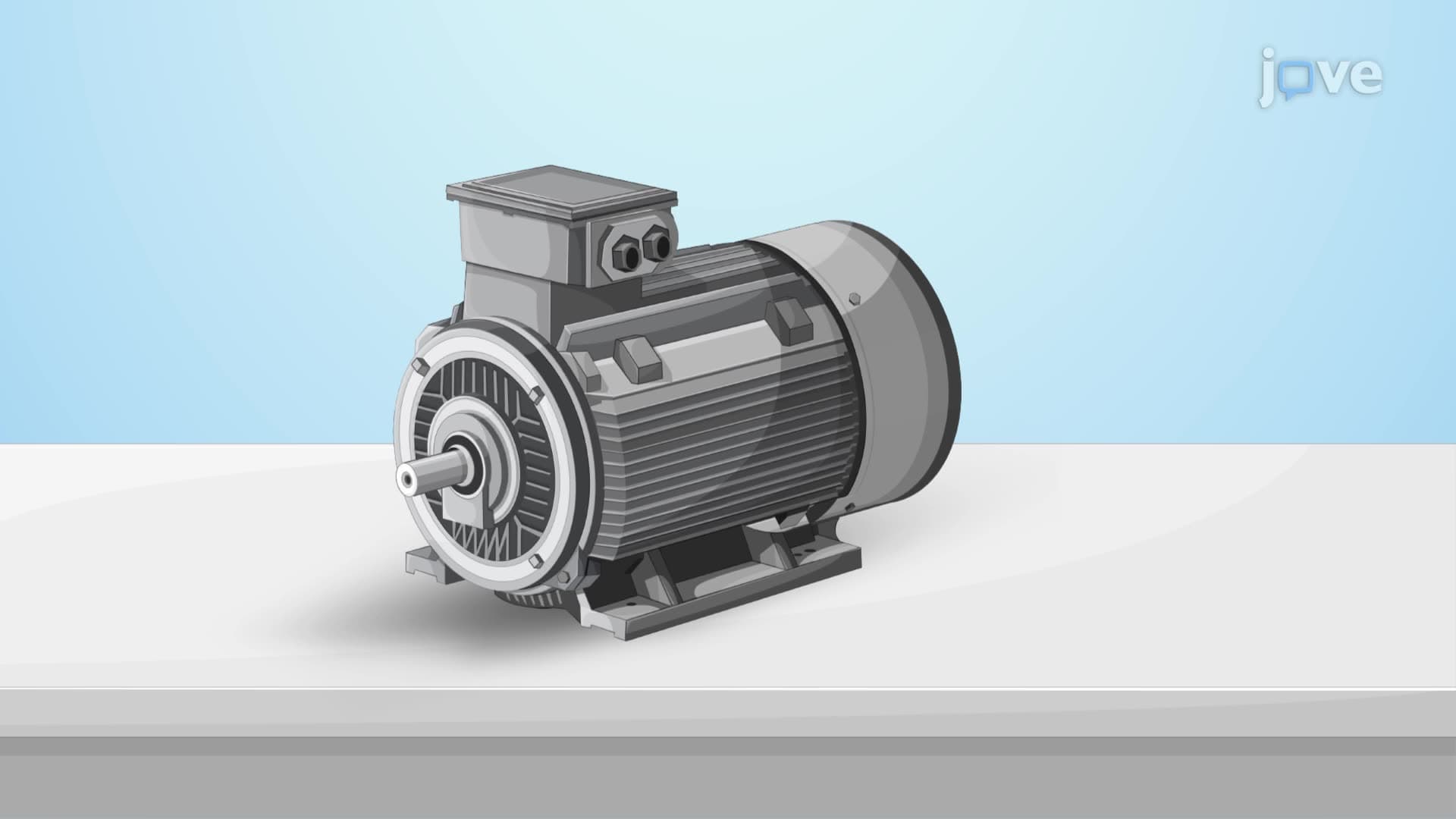
8. Equivalent Resistance and Network Simplification: Complex resistor networks can be simplified using equivalent resistance calculations. Series resistors sum directly, while parallel resistors combine as reciprocals. Delta-Y transformations enable analysis of three-terminal networks common in three-phase power systems. These techniques streamline analysis of practical circuits, from residential electrical panels distributing power throughout American homes to complex industrial motor control systems.