Loading video…


 13 Concepts
 23.7K views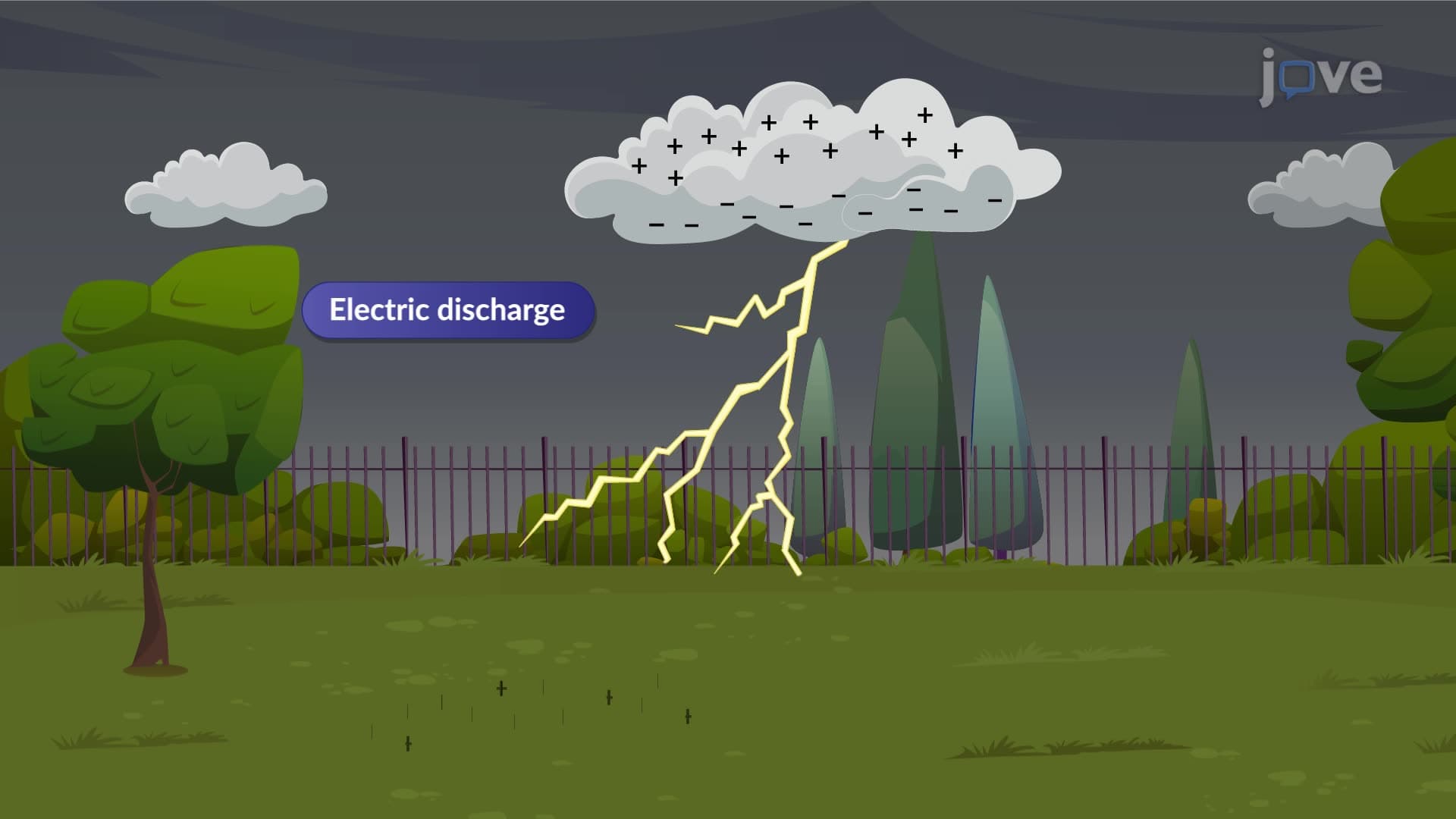

Video Summary: What Is Charge and Current
Did you know that a single lightning bolt carries enough voltage to power a typical American home for weeks? Understanding voltage-the driving force behind electrical phenomena-begins with grasping charge and current fundamentals. When you plug your smartphone charger into a wall outlet, you're witnessing the practical application of these electrical principles that govern everything from household circuits to Tesla's electric vehicles. What is Charge And Current explores how electric charge creates the flow of current that powers our modern world. Watch the full video on JoVE Coach to master this concept with expert-led visuals and step-by-step explanations.
Electric charge and current form the cornerstone of electrical engineering and physics, providing the fundamental framework for understanding voltage and all electrical phenomena. These concepts appear extensively in AP Physics courses, SAT Subject Tests, and college-level physics curricula across American universities.
Electric charge represents a fundamental property of matter, much like mass or volume. Every atom contains positively charged protons in its nucleus and negatively charged electrons orbiting around it. When an atom has equal numbers of protons and electrons, it remains electrically neutral-a state that most matter maintains under normal conditions.
The quantization of charge means that all electric charge exists in discrete packets equal to the elementary charge (approximately 1.6 × 10^-19 coulombs). This principle explains why you can't have half an electron's worth of charge-it's physically impossible. When students work through AP Physics problems involving charge calculations, they must remember that all answers should be integer multiples of this fundamental unit.
Charge conservation represents another crucial principle: the total electric charge in an isolated system never changes. During electrostatic induction-like when you rub a balloon against your hair-charges redistribute but the total amount remains constant. This principle helps explain phenomena from lightning formation to the operation of Van de Graaff generators commonly demonstrated in American high school physics classrooms.
Electric current occurs when electric charges move through a conductor, creating the flow that powers everything from LED lights to electric vehicle charging stations. The ampere (amp) measures current as the amount of charge passing through a cross-section per unit time. One ampere equals one coulomb of charge flowing past a point every second.
Conventional current direction, established before scientists understood electron flow, defines current as moving from positive to negative terminals. Although electrons actually flow in the opposite direction, this convention remains standard in American engineering curricula and appears consistently on MCAT physics sections.
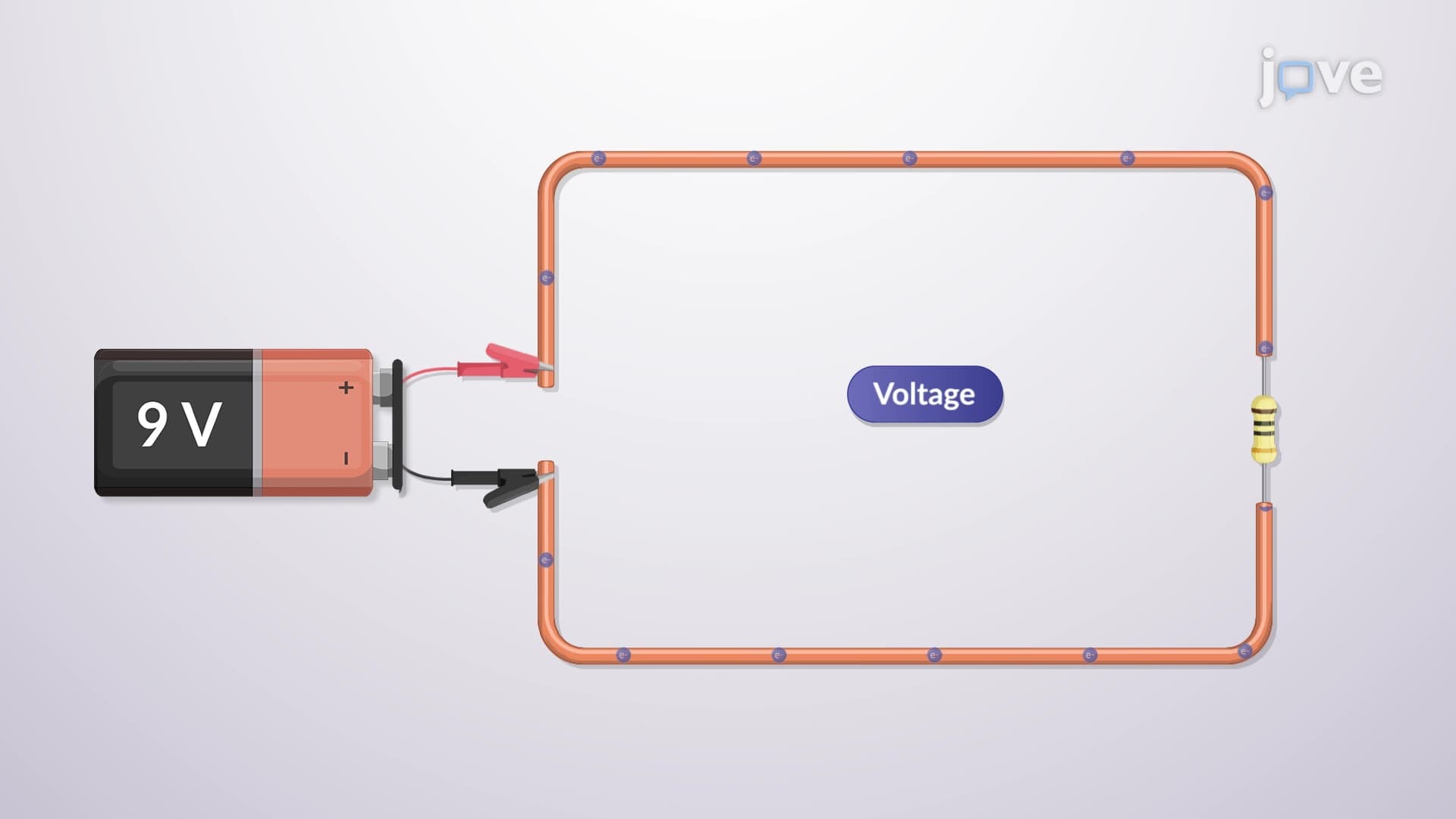
Direct current (DC) maintains constant magnitude and direction over time, making it ideal for battery-powered devices like smartphones, laptops, and Tesla vehicles. The steady voltage provided by DC sources enables precise control of electronic components and efficient energy storage in lithium-ion batteries.
Alternating current (AC) varies sinusoidally with time, reversing direction typically 60 times per second in American electrical systems (60 Hz). AC power transmission proves more efficient over long distances, explaining why the electrical grid uses AC from power plants to neighborhoods, then converts to DC for sensitive electronics through power adapters and transformers.
Related Micro-courses