Loading video…


 13 Concepts
 23.7K views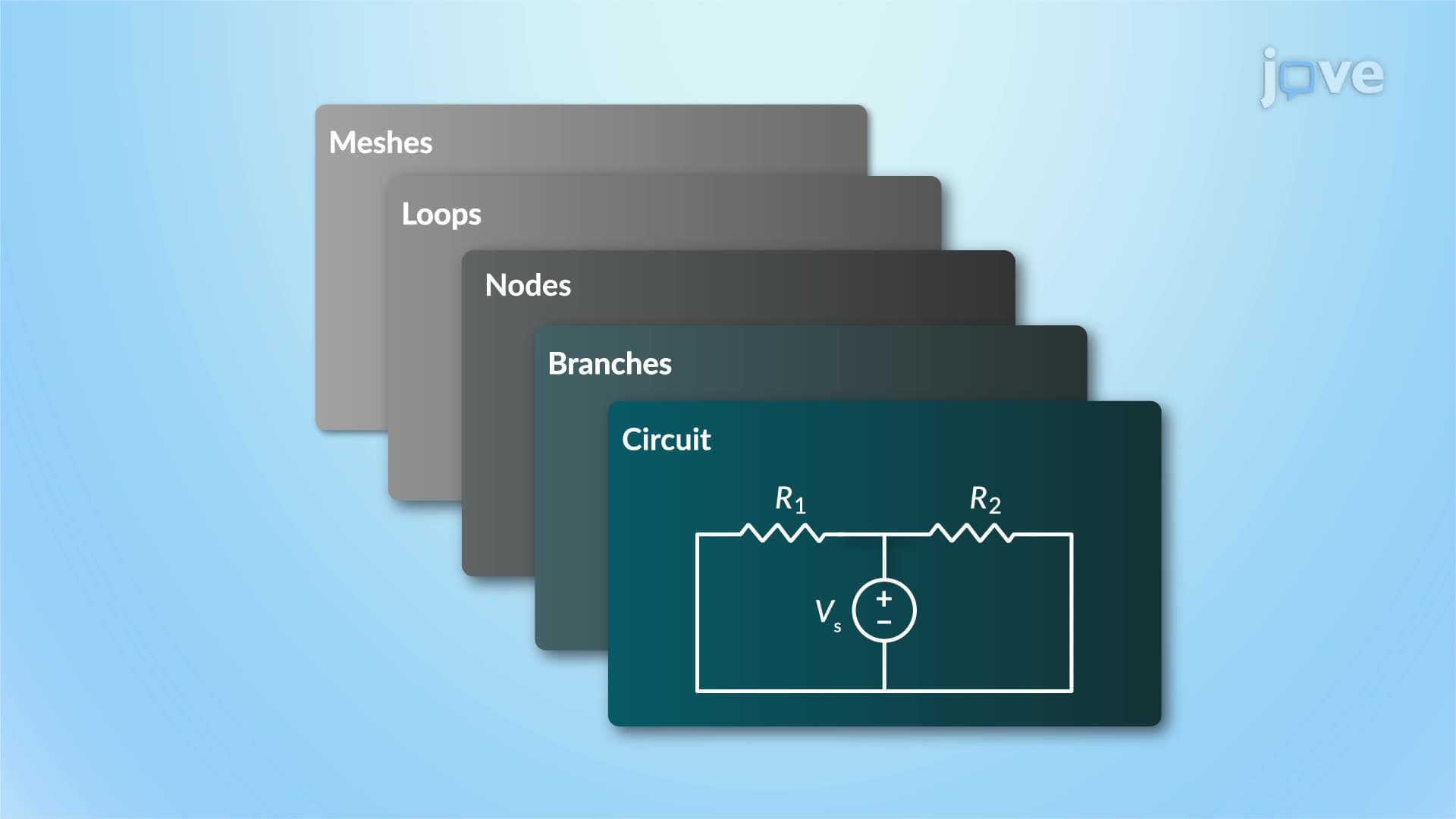

Video Summary: What Is Circuit Terminology
Every smartphone charger, Tesla battery pack, and NASA spacecraft relies on independent and dependent sources working together in complex electrical networks. Understanding circuit terminology becomes crucial when distinguishing between power sources that operate autonomously versus those controlled by other circuit elements. For instance, the lithium-ion battery in your iPhone acts as an independent voltage source, while the charging circuitry contains dependent sources that adjust output based on battery status. Watch the full video on JoVE Coach to master this concept with expert-led visuals and step-by-step explanations.
Circuit terminology forms the foundation of electrical engineering analysis, providing a standardized language for describing how electrical components interact. The distinction between networks and circuits represents a fundamental concept: while electrical networks encompass any interconnected system of components, circuits specifically require closed paths for current flow. This distinction becomes critical when analyzing power distribution systems like those used by utility companies across the United States.
Independent and dependent sources represent two primary categories of electrical power sources with distinctly different behaviors. Independent sources maintain constant output regardless of circuit conditions, think of a standard AA battery that provides 1.5 volts whether powering a TV remote or a small LED. These sources include independent voltage sources (like car batteries) and independent current sources (like photodiodes in solar panels).
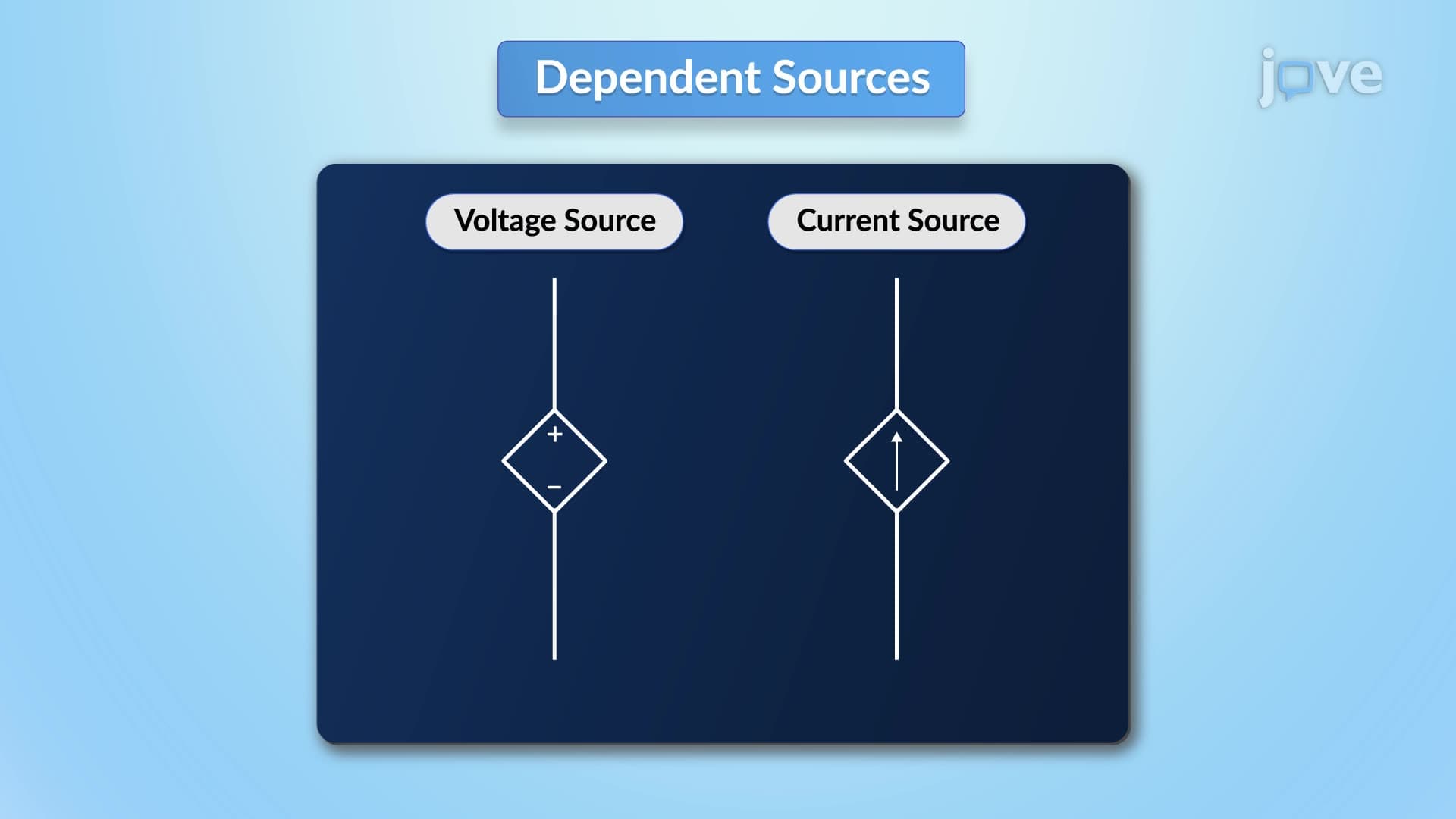
Dependent sources, conversely, have outputs controlled by voltage or current elsewhere in the circuit. Types of independent and dependent sources include voltage-controlled voltage sources (VCVS), current-controlled voltage sources (CCVS), voltage-controlled current sources (VCCS), and current-controlled current sources (CCCS). Modern amplifiers, like those in Bose speakers or Tesla's audio systems, rely heavily on dependent sources to boost signal strength based on input conditions.
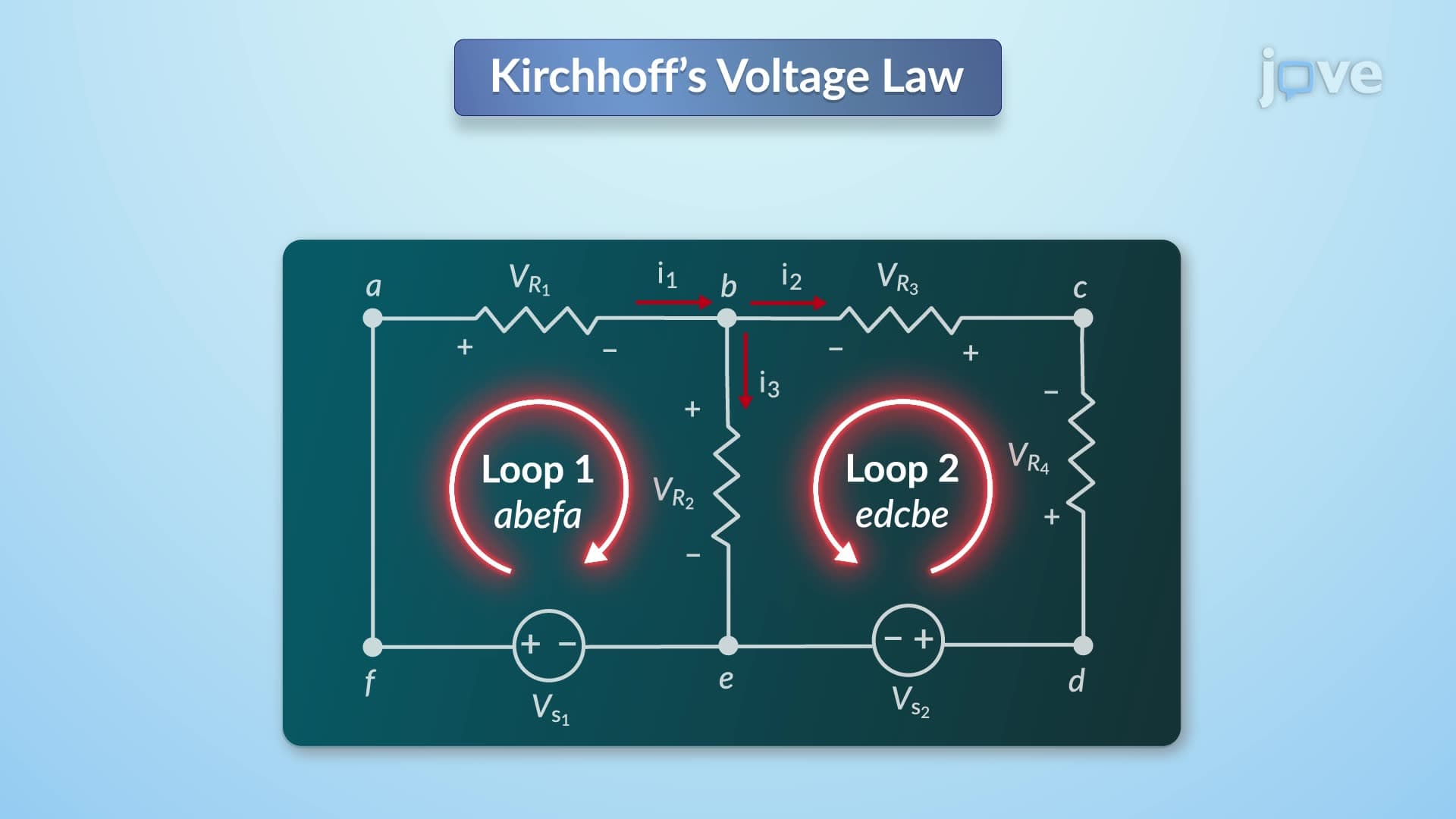
The independent and dependent sources overview must include understanding circuit structure through branches, nodes, loops, and meshes. Branches represent individual two-terminal elements, each resistor, capacitor, or source counts as one branch. Nodes serve as connection points where three or more branches meet, visualized as dots in circuit diagrams.
Loops create closed paths through the circuit without repeating any node, while meshes represent the simplest possible loops containing no other loops within them. This topology becomes essential for techniques like mesh current analysis, commonly taught in college-level courses like those at MIT or Stanford's electrical engineering programs.
Understanding independent and dependent sources proves crucial for analyzing everything from smartphone charging circuits to electric vehicle power management systems. Tesla's Supercharger network, for example, uses sophisticated dependent source configurations to adjust charging rates based on battery temperature and charge level. Similarly, Apple's MagSafe wireless charging system employs dependent sources that modify power delivery based on device proximity and alignment.
Students preparing for AP Physics C exams or college-level circuit analysis courses will encounter these concepts in problems involving operational amplifiers, transistor circuits, and power supply design. The fundamental theorem of network topology (b = n + l - 1, where b represents branches, n represents nodes, and l represents independent loops) appears frequently in engineering coursework and professional licensing examinations.
Related Micro-courses