Loading video…


 13 Concepts
 23.7K views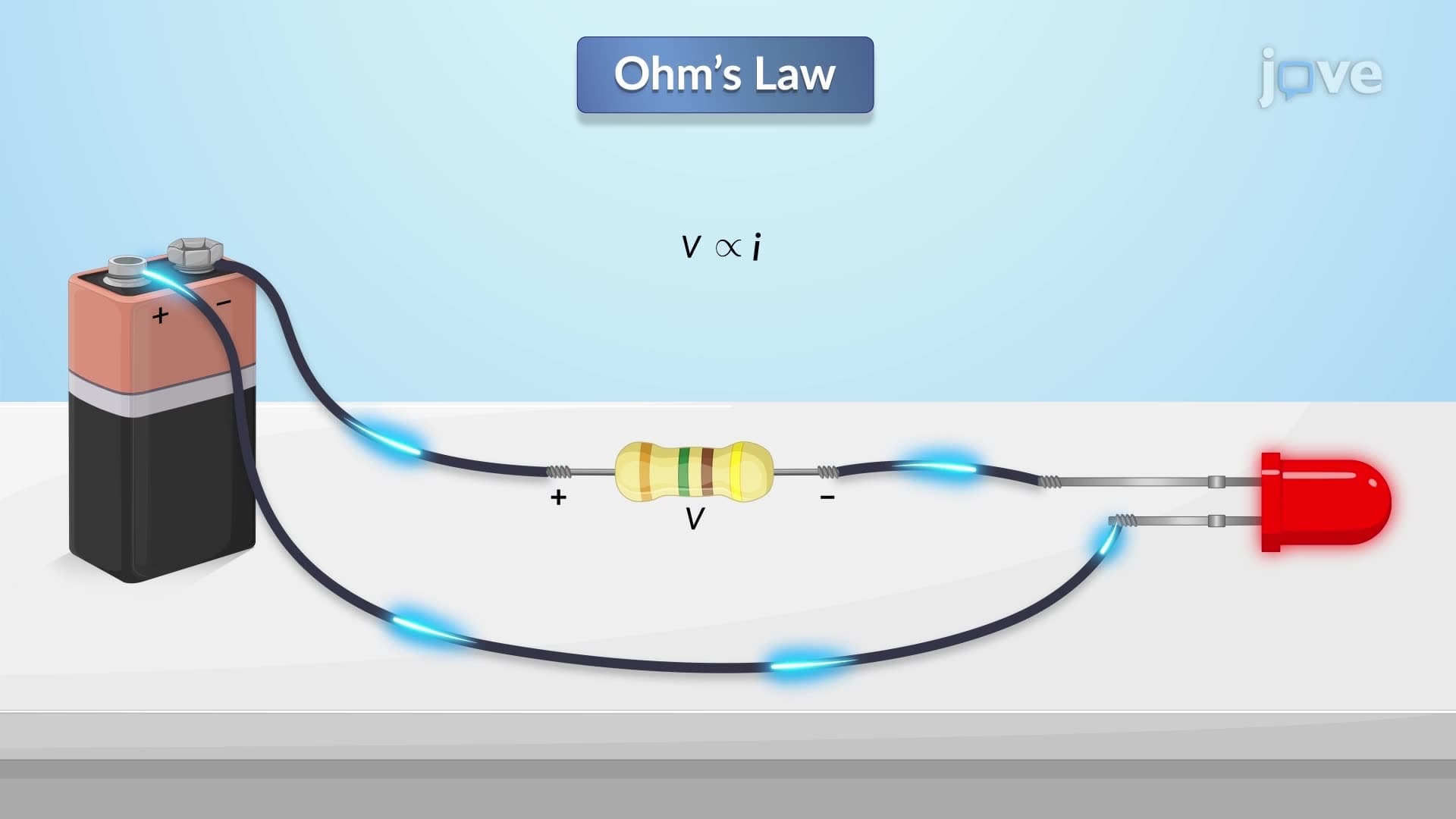

Video Summary: What Is Ohms Law
Ever wonder why your phone charger gets warm or why dimmer switches work? Kirchhoff's current law and fundamental electrical principles like What is Ohm's Law explain these everyday phenomena. This electrical engineering cornerstone governs current flow in circuits, from simple flashlights to complex power grids across the United States. The law describes how voltage, current, and resistance interact in predictable ways. Watch the full video on JoVE Coach to master this concept with expert-led visuals and step-by-step explanations.
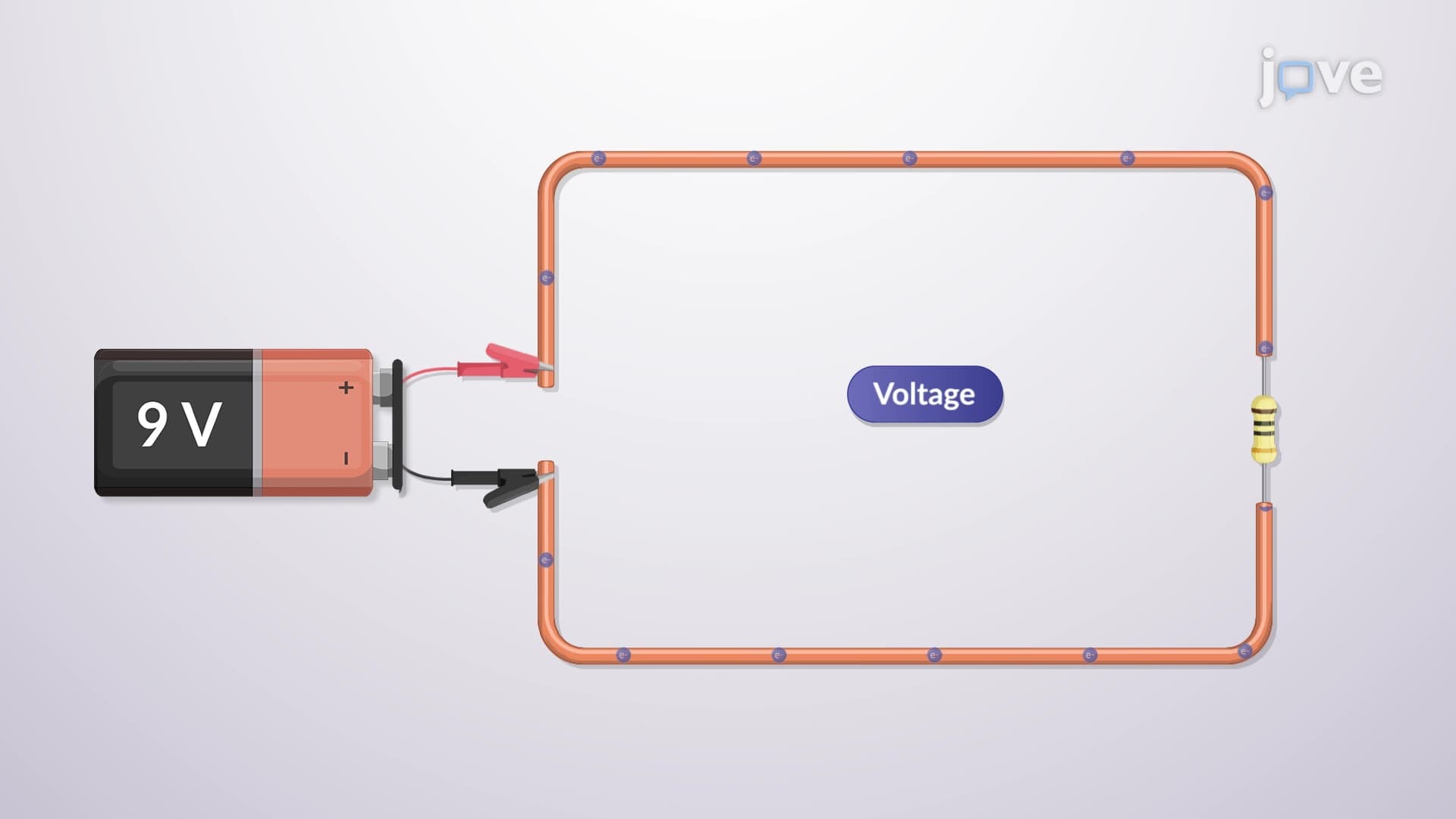
What is Ohm's Law represents one of the most fundamental principles in electrical engineering and physics. This law, formulated by German physicist Georg Simon Ohm in 1827, establishes that the voltage across a resistor is directly proportional to the current flowing through it. The mathematical expression is V = I × R, where V represents voltage in volts, I represents current in amperes, and R represents resistance in ohms.
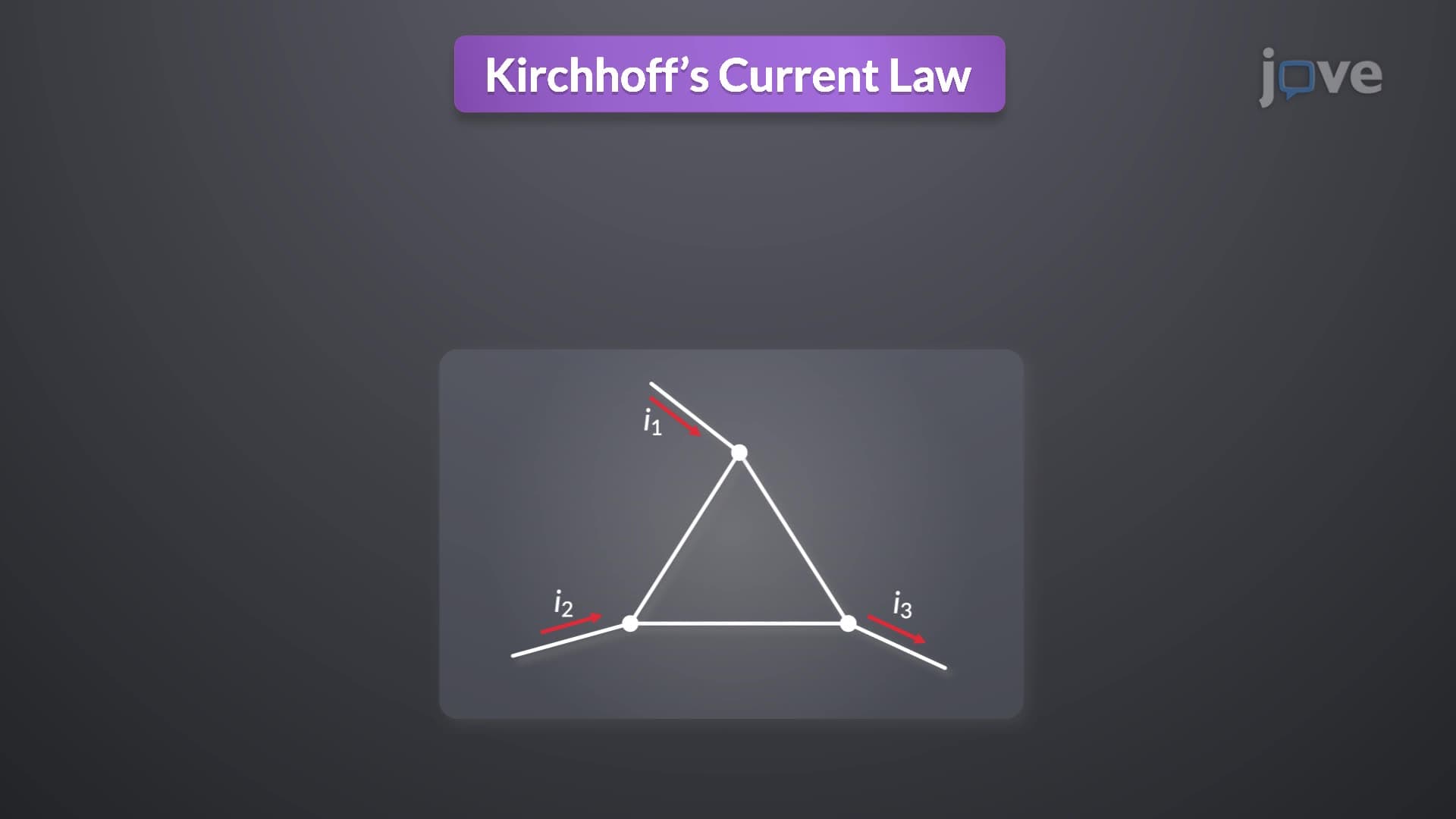
While closely related to Ohm's Law, kirchhoff's current law definition focuses on current conservation at circuit nodes. The kirchhoff's current law definition states that the total current entering a junction equals the total current leaving that junction. This principle, combined with Ohm's Law, forms the backbone of circuit analysis taught in AP Physics courses and undergraduate electrical engineering programs across American universities like MIT, Stanford, and Georgia Tech.
Understanding what is kirchhoff's current law in detail reveals its crucial role in analyzing complex electrical networks. In practical applications, from household wiring systems to industrial power distribution networks across the United States, these laws govern safe and efficient electrical design. American electrical engineers use these principles to design everything from smartphone circuits to the electrical systems in Tesla vehicles manufactured in Texas and California.
Resistance depends on material properties and physical dimensions. The resistance of a conductor is directly proportional to its length and inversely proportional to its cross-sectional area, expressed as R = ρL/A, where ρ (rho) represents resistivity. Copper wiring used in American homes has low resistivity, making it an excellent conductor, while rubber insulation has high resistivity, preventing dangerous current flow. This relationship appears frequently on the MCAT physics section and AP Physics C exams.
Students preparing for standardized tests like the SAT Subject Test in Physics or college-level assessments will encounter these concepts regularly. Understanding both the theoretical foundations and practical applications ensures success in academic settings and real-world engineering applications.
Related Micro-courses