Loading video…


 13 Concepts
 23.7K views

Video Summary: What Is Equivalent Resistance
Ever wonder how your smartphone's touchscreen detects exactly where you tap? The design example resistive touchscreen relies on equivalent resistance principles to pinpoint your finger's location with remarkable precision. Modern touchscreen technology, like those used in medical devices at Mayo Clinic, transforms complex resistor networks into simplified equivalent circuits. Understanding what is equivalent resistance becomes crucial when analyzing how these networks convert between Y (wye) and delta configurations to optimize electrical performance. Watch the full video on JoVE Coach to master this concept with expert-led visuals and step-by-step explanations.
What is equivalent resistance forms the foundation for analyzing complex electrical circuits by reducing them to simpler, mathematically equivalent forms. This concept becomes particularly powerful when dealing with three-terminal networks commonly found in industrial applications across the United States, from power grid systems operated by companies like General Electric to sophisticated medical equipment used in hospitals nationwide.
The design example resistive touchscreen demonstrates how equivalent resistance calculations transform between two fundamental three-terminal configurations. In a Y (wye) network, three resistors connect to a central node, resembling the letter Y. Conversely, a delta network arranges three resistors in a triangular configuration without a central connection point. These transformations prove essential for AP Physics C students and electrical engineering undergraduates studying circuit analysis.
When converting from delta to Y configuration, each Y-network resistor equals the product of two adjacent delta resistors divided by the sum of all three delta resistors. For example, if a delta network contains resistors of 6Ω, 8Ω, and 12Ω, the equivalent Y-network resistor values become 2Ω, 3.69Ω, and 1.85Ω respectively. This mathematical relationship appears frequently on college-level physics exams and engineering licensure tests.
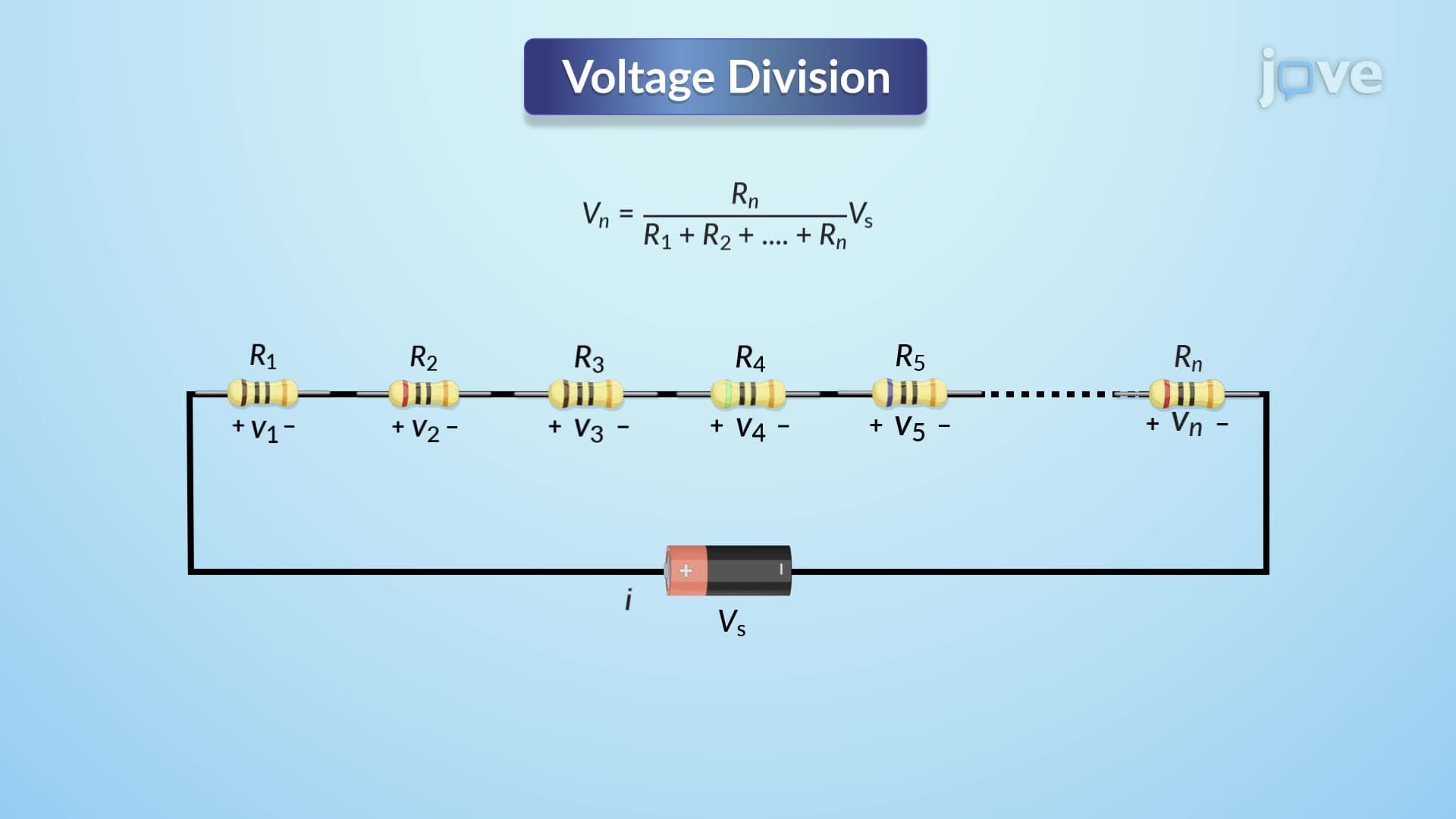
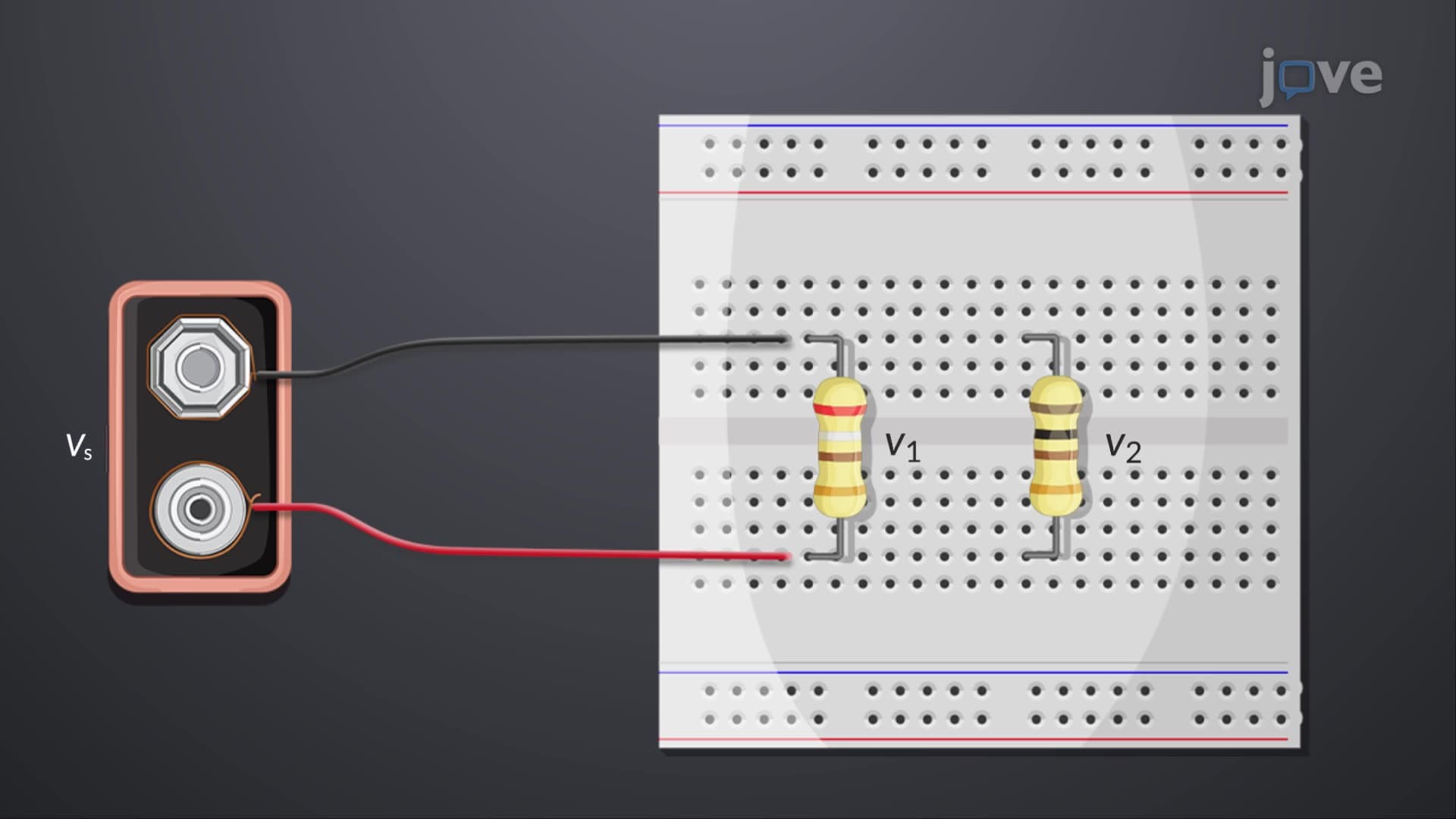
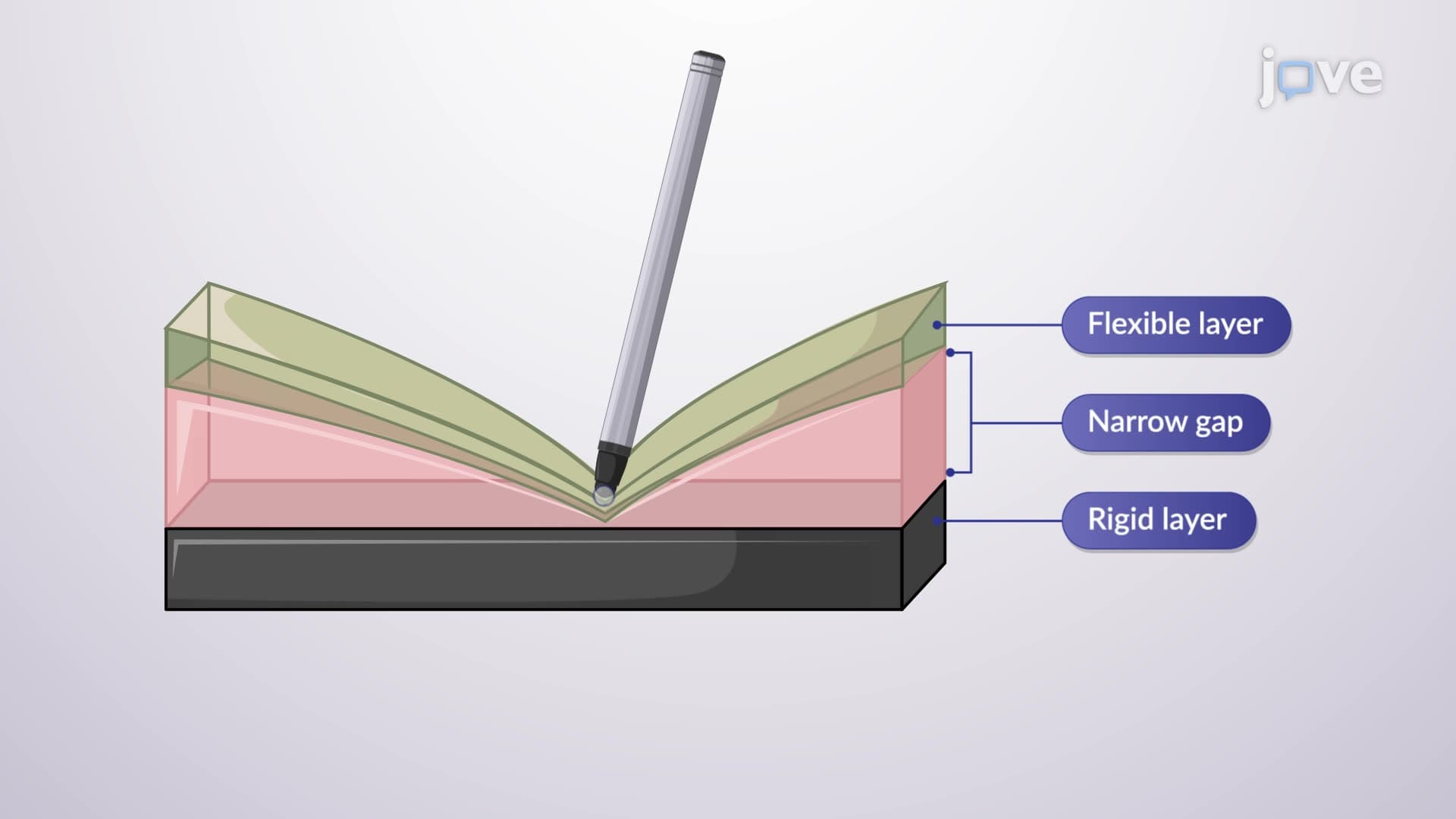
The design example resistive touchscreen concept illustrates how equivalent resistance enables precise position detection. When you press a resistive touchscreen, two conductive layers make contact, creating a voltage divider circuit. The touchscreen controller measures voltages at different points, using equivalent resistance calculations to determine exact X and Y coordinates. Major US technology companies like Apple and Microsoft rely on these principles for device interfaces.
Three-phase electrical transmission systems, backbone of America's power grid, utilize Y-delta transformations to optimize power delivery efficiency. Utility companies like Pacific Gas & Electric employ these equivalent resistance concepts to balance loads across transmission lines, reducing energy losses and improving system reliability.
Students preparing for standardized tests like the AP Physics C exam, MCAT physics sections, or engineering fundamentals exams encounter equivalent resistance problems regularly. The design example resistive touchscreen study guide approach helps visualize abstract mathematical relationships through concrete technological examples. College courses in electrical engineering at institutions like MIT and Stanford emphasize these transformations as fundamental tools for circuit analysis, making mastery essential for academic success and professional engineering practice.
Related Micro-courses