Loading video…


 13 Concepts
 23.7K views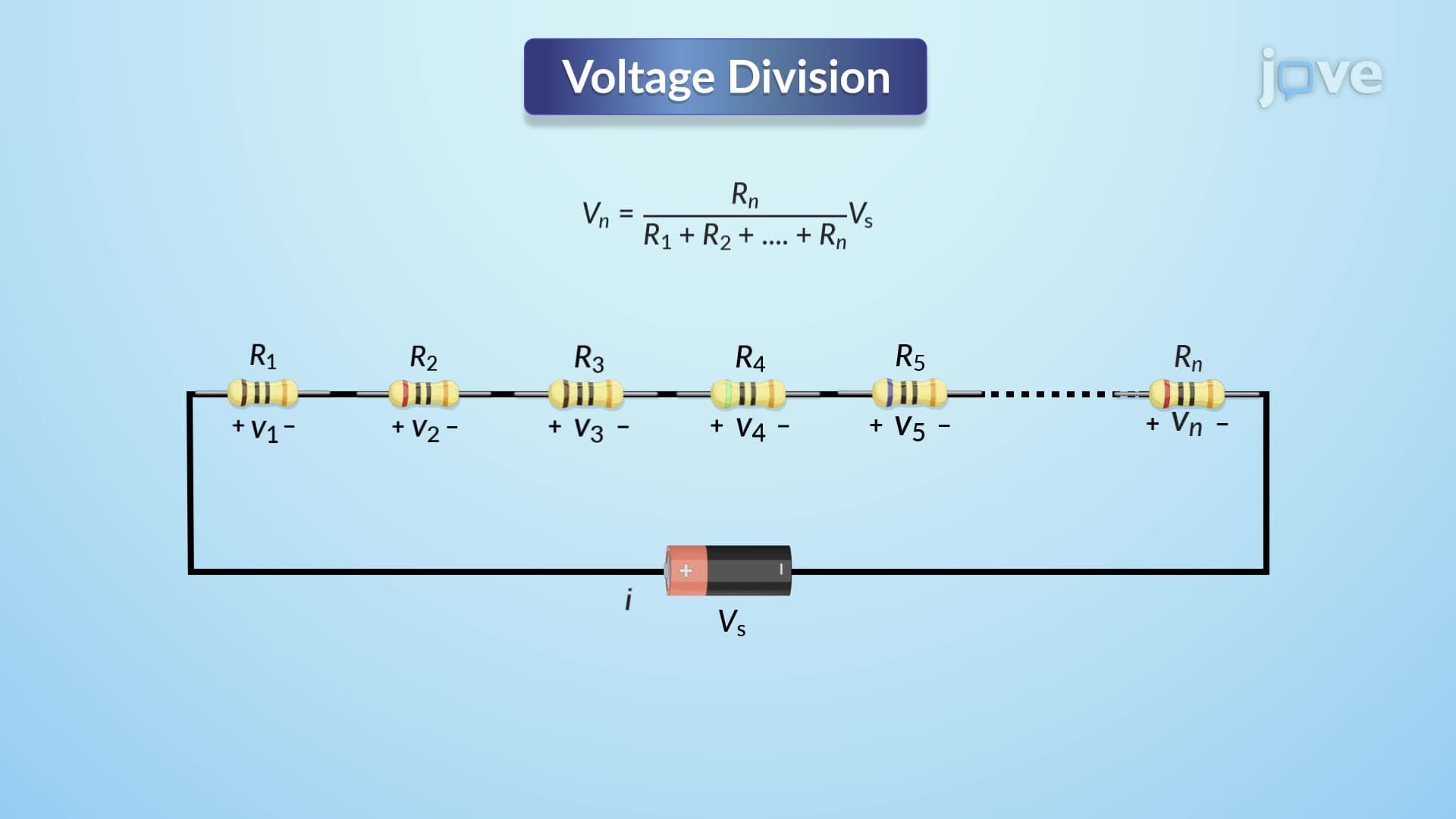

Video Summary: What are Voltage Dividers
Ever wonder how your smartphone's volume control works or how dimmer switches adjust light brightness? Current dividers are fundamental circuits that split electrical current between multiple parallel paths, much like how a river divides at a fork. These circuits are essential components in everything from audio equalizers in recording studios to LED brightness controls in Times Square billboards. Understanding current dividers helps explain how electronic devices manage power distribution efficiently. Watch the full video on JoVE Coach to master this concept with expert-led visuals and step-by-step explanations.
While voltage dividers split voltage across series resistors, current dividers operate on the opposite principle by splitting current across parallel resistors. In a current divider circuit, the total current from the source divides among multiple parallel branches, with each branch carrying a portion of the total current inversely proportional to its resistance. This fundamental difference makes current dividers essential for applications requiring precise current control and distribution.
Current dividers overview reveals several common configurations used in electronic systems. The simplest type involves two parallel resistors, where current splits according to the inverse ratio of their resistances. More complex types include multi-branch current dividers with three or more parallel paths, weighted current dividers used in digital-to-analog converters, and precision current dividers found in measurement equipment. Each type serves specific purposes in circuit design, from basic current sensing to sophisticated signal processing applications.
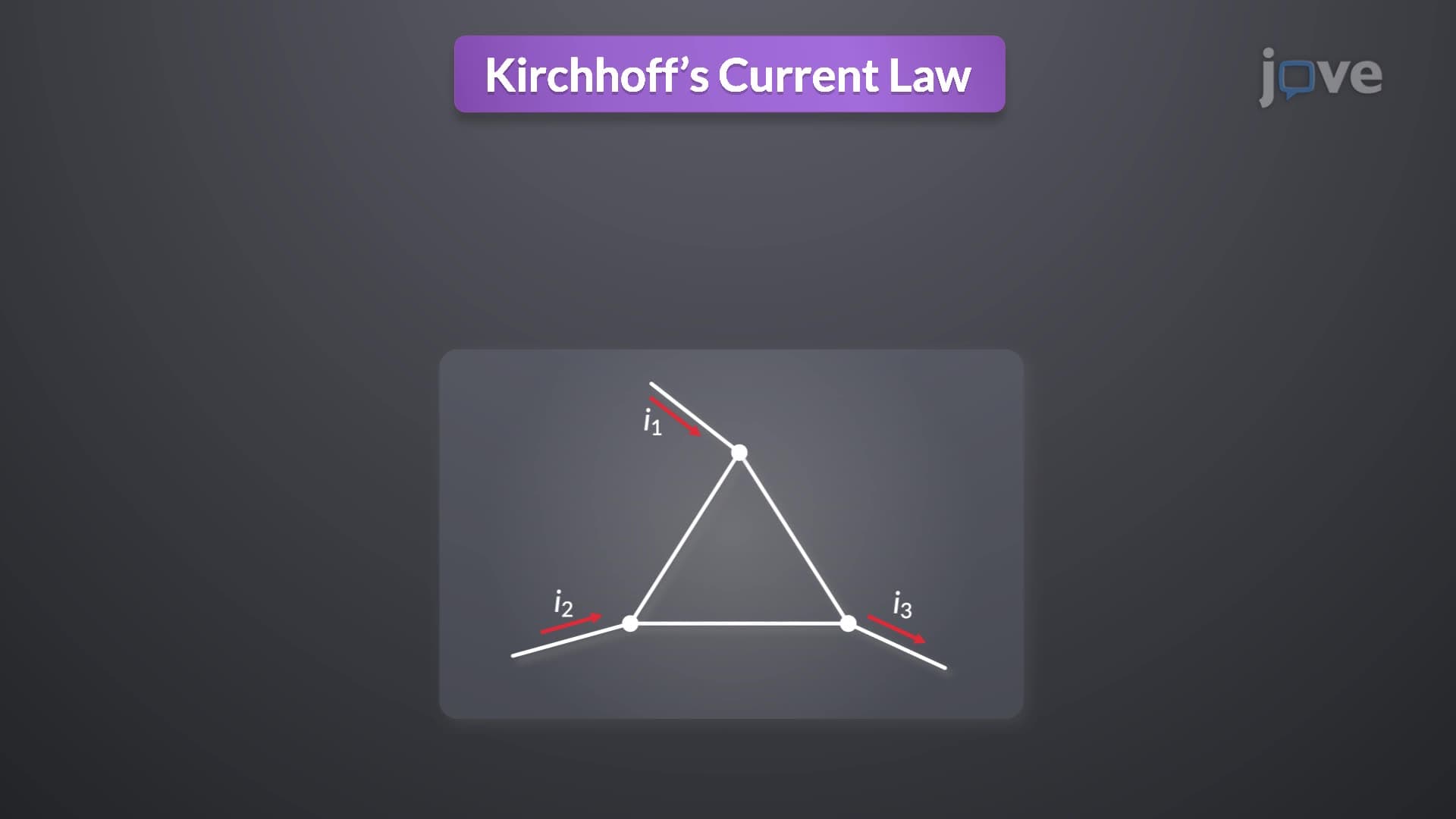
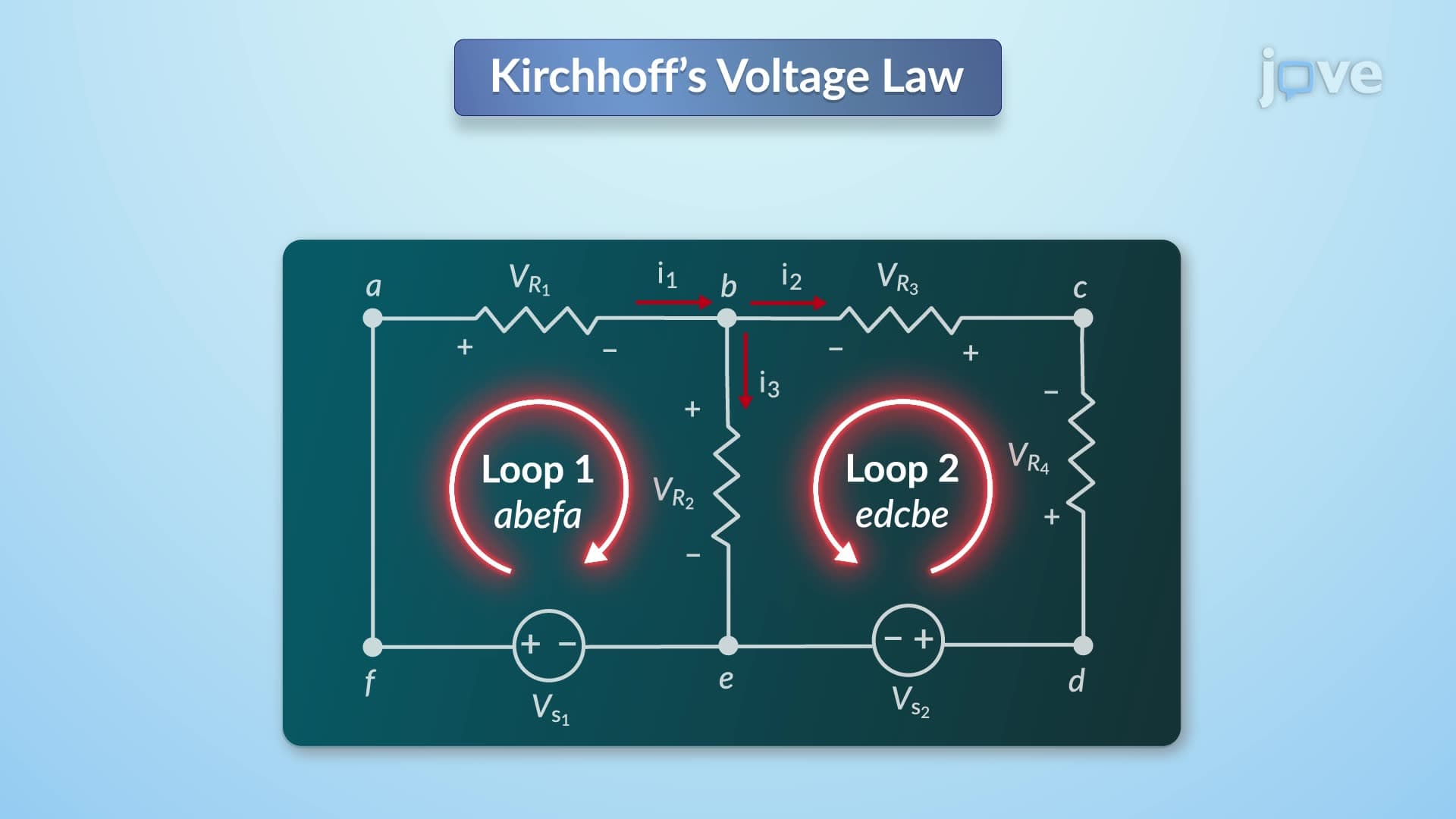
The current dividers concept relies on Kirchhoff's Current Law (KCL), which states that current entering a junction equals current leaving it. For a two-resistor current divider, the current through each resistor equals: I1 = I(total) × R2/(R1 + R2) and I2 = I(total) × R1/(R1 + R2). Notice how the current through each resistor is inversely related to its resistance value, smaller resistances carry more current, following the path of least resistance principle that students encounter in AP Physics courses.
Current dividers study guide applications span numerous industries. Audio mixing boards use current dividers to distribute signals between channels, while automotive systems employ them in sensor networks for engine management. Medical devices like ECG machines rely on precision current dividers for accurate readings. These circuits frequently appear on standardized tests including the MCAT Physics section, AP Physics C exams, and college-level electrical engineering coursework. Students preparing for the SAT Subject Test in Physics should understand both conceptual applications and quantitative problem-solving techniques involving current division calculations.
Related Micro-courses