13 Concepts
11 Concepts
9 Concepts
8 Concepts
13 Concepts
16 Concepts
9 Concepts
11 Concepts
15 Concepts
11 Concepts
14 Concepts
20 Concepts
11 Concepts
7 Concepts
5 Concepts
7 Concepts
10 Concepts
7 Concepts
7 Concepts
5 Concepts
9 Concepts
7 Concepts
7 Concepts
7 Concepts
10 Concepts
4 Concepts
7 Concepts
6 Concepts
8 Concepts
9 Concepts
7 Concepts
5 Concepts
5 Concepts

Operational amplifiers are versatile electronic building blocks essential for signal processing in modern technology. From fire alarm systems to ECG machines, these circuits amplify weak signals and perform mathematical operations like addition and differentiation. This comprehensive course covers fundamental op-amp principles and applications, exploring inverting and non-inverting configurations, feedback mechanisms, and practical design examples. Master these concepts through JoVE Coach's systematic approach to understanding how operational amplifiers function in real-world applications.
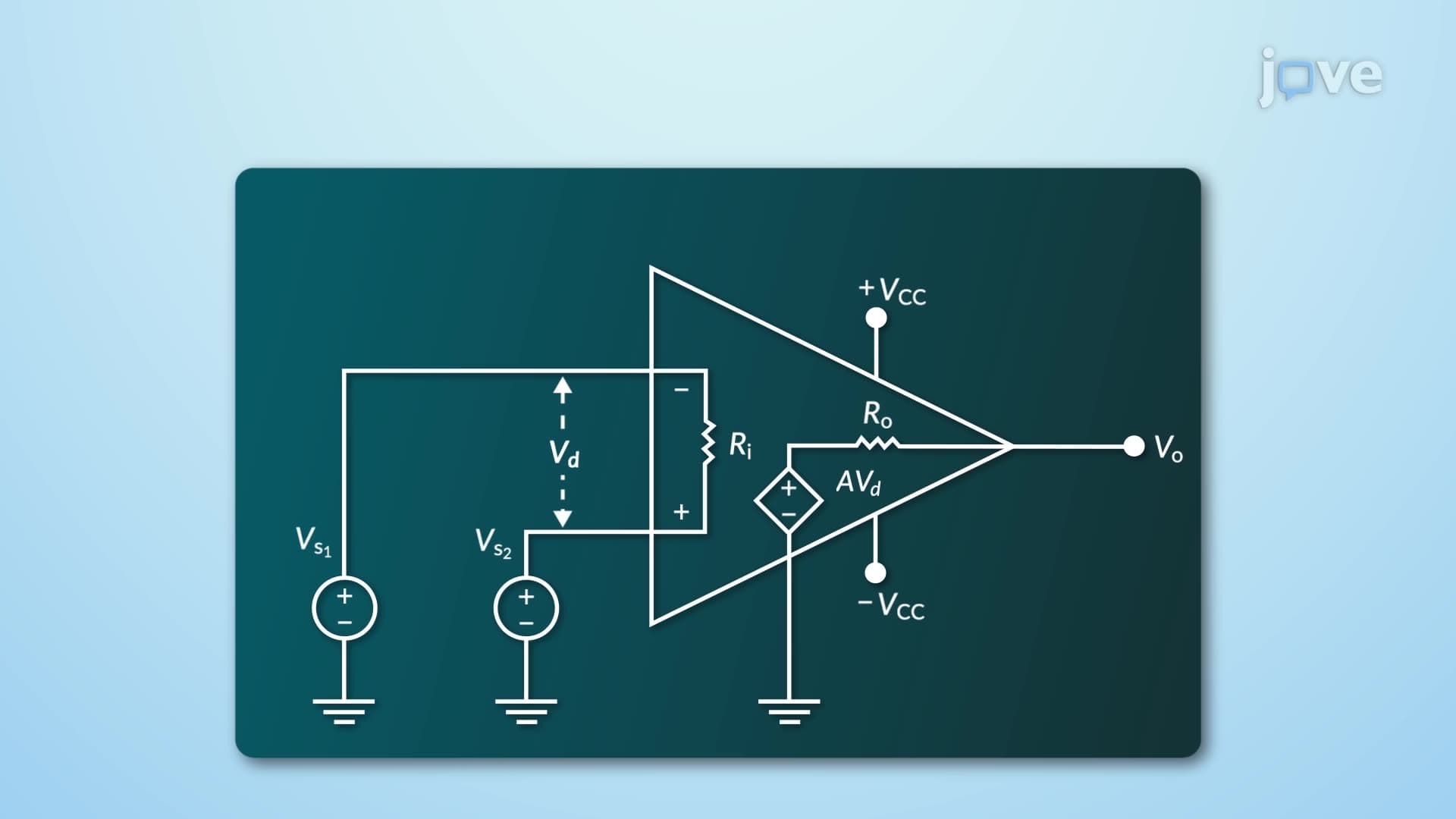
1. Operational Amplifier Fundamentals and Ideal Characteristics Understanding operational amplifiers begins with their basic structure and ideal properties. An ideal op-amp features infinite input resistance, zero output resistance, and infinite open-loop gain. The classic LM741 integrated circuit, housed in an 8-pin package, demonstrates practical op-amp implementation. Real-world applications include fire alarm systems where thermistors generate weak signals requiring amplification to trigger alarms. The triangular circuit symbol with inverting (-) and non-inverting (+) terminals represents these versatile components used throughout electronics, from audio equipment to medical devices like ECG machines.
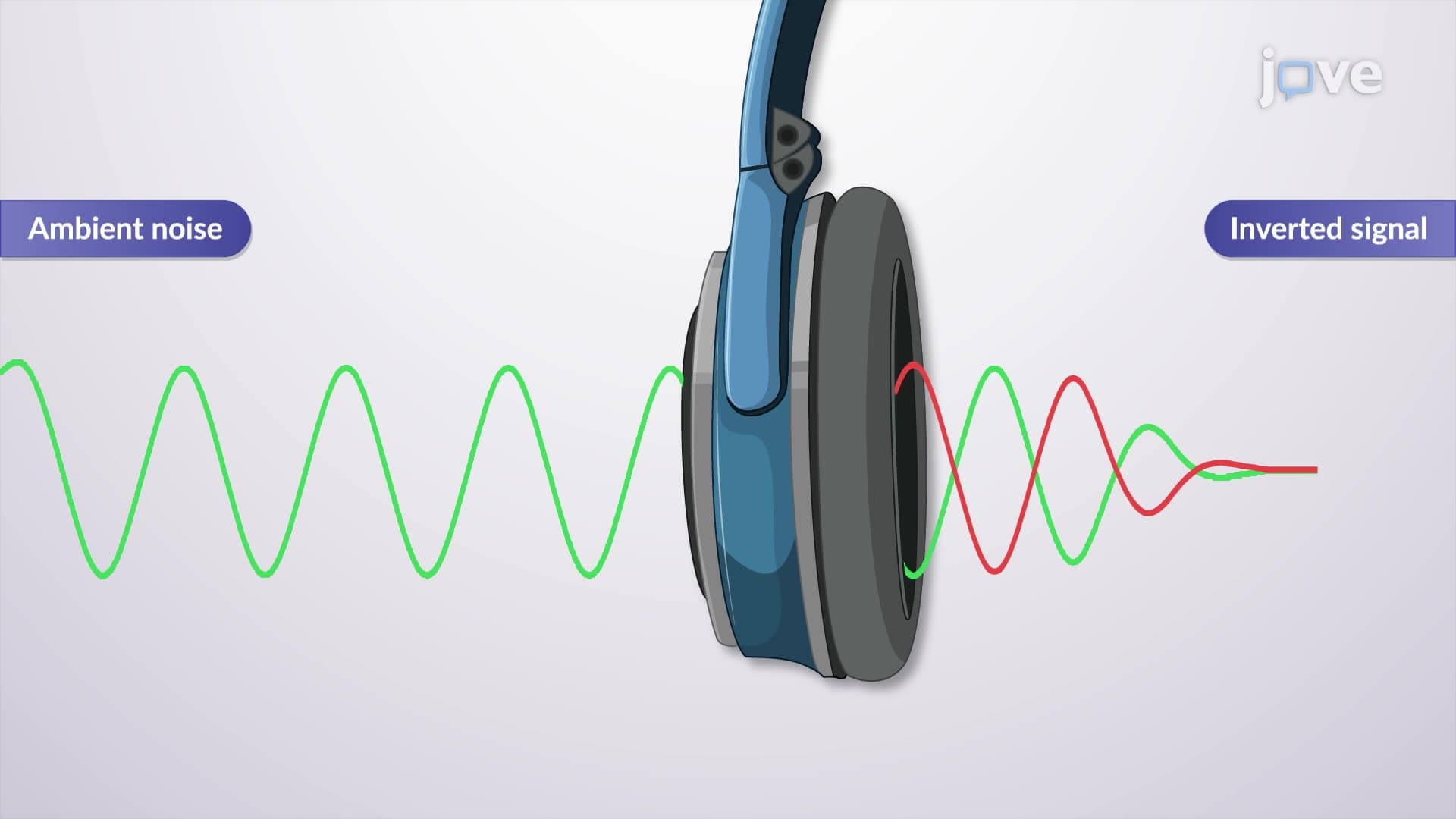
2. Inverting and Non-Inverting Amplifier Configurations Inverting amplifiers reverse signal polarity while providing controlled gain through feedback resistor ratios. These circuits excel in noise cancellation applications, such as active noise control headphones that invert ambient sound to create destructive interference. Non-inverting amplifiers maintain signal polarity and offer high input impedance, making them ideal for buffering high-impedance sources. Voltage followers, a special case with unity gain, prevent signal loading in audio systems when connecting high-impedance microphones to low-impedance recording equipment. Both configurations utilize negative feedback for stable, predictable operation.
3. Summing and Difference Amplifiers for Signal Processing Summing amplifiers combine multiple input signals with weighted gains, essential in audio mixing consoles found in recording studios and live sound reinforcement. Each input channel contributes to the final mix according to its resistor value, allowing sound engineers to balance multiple instruments and vocals. Difference amplifiers subtract one signal from another, useful for noise reduction in audio systems where identical noise appears on both signal lines. These circuits form the foundation of professional audio equipment and measurement instruments requiring signal combination or subtraction capabilities.
4. Practical Op-Amp Limitations and Performance Metrics Real operational amplifiers exhibit finite gain-bandwidth product, limiting high-frequency performance in applications like radio frequency amplifiers used in television and communication systems. Common-mode rejection ratio (CMRR) quantifies an op-amp's ability to ignore signals common to both inputs while amplifying differential signals. This characteristic proves crucial in medical instrumentation where ECG signals must be extracted from electrical noise. Understanding these limitations helps engineers select appropriate op-amps for specific applications, from precision measurement equipment to high-speed data acquisition systems used in scientific research.
5. Integrator, Differentiator, and Advanced Op-Amp Circuits Integrator circuits produce outputs proportional to the input signal's integral over time, essential in analog computers and control systems like automotive cruise control. Differentiator circuits generate outputs proportional to the input's rate of change, useful in edge detection and signal processing applications. Cascaded amplifier systems distribute gain across multiple stages, increasing overall bandwidth while maintaining total amplification. Instrumentation amplifiers, specialized three-op-amp circuits, provide high input impedance and excellent common-mode rejection for precision measurement in biomedical equipment and industrial sensors.