Loading video…


 9 Concepts
 9.2K views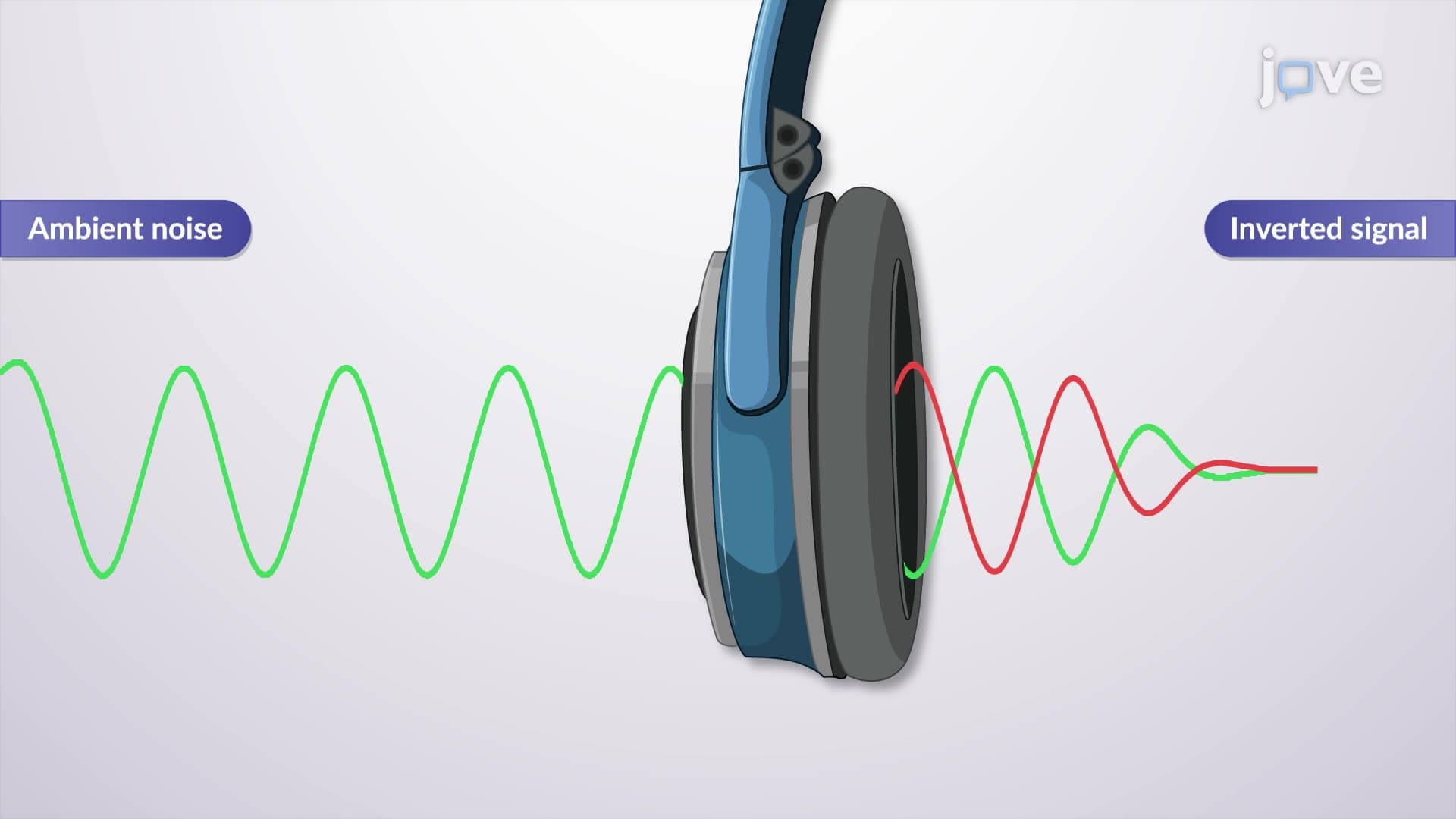

Video Summary: Inverting and Non Inverting Opamps Explained
Ever wondered how noise-canceling headphones eliminate background chatter on a busy New York subway? Sum and difference opamps make this possible by precisely controlling signal polarity and amplification. These fundamental operational amplifier configurations-inverting and non-inverting-form the backbone of countless electronic systems, from audio equipment at recording studios in Nashville to medical devices in hospitals across America. Understanding Inverting And Non Inverting Opamps Explained reveals how these circuits manipulate electrical signals with mathematical precision. Watch the full video on JoVE Coach to master this concept with expert-led visuals and step-by-step explanations.
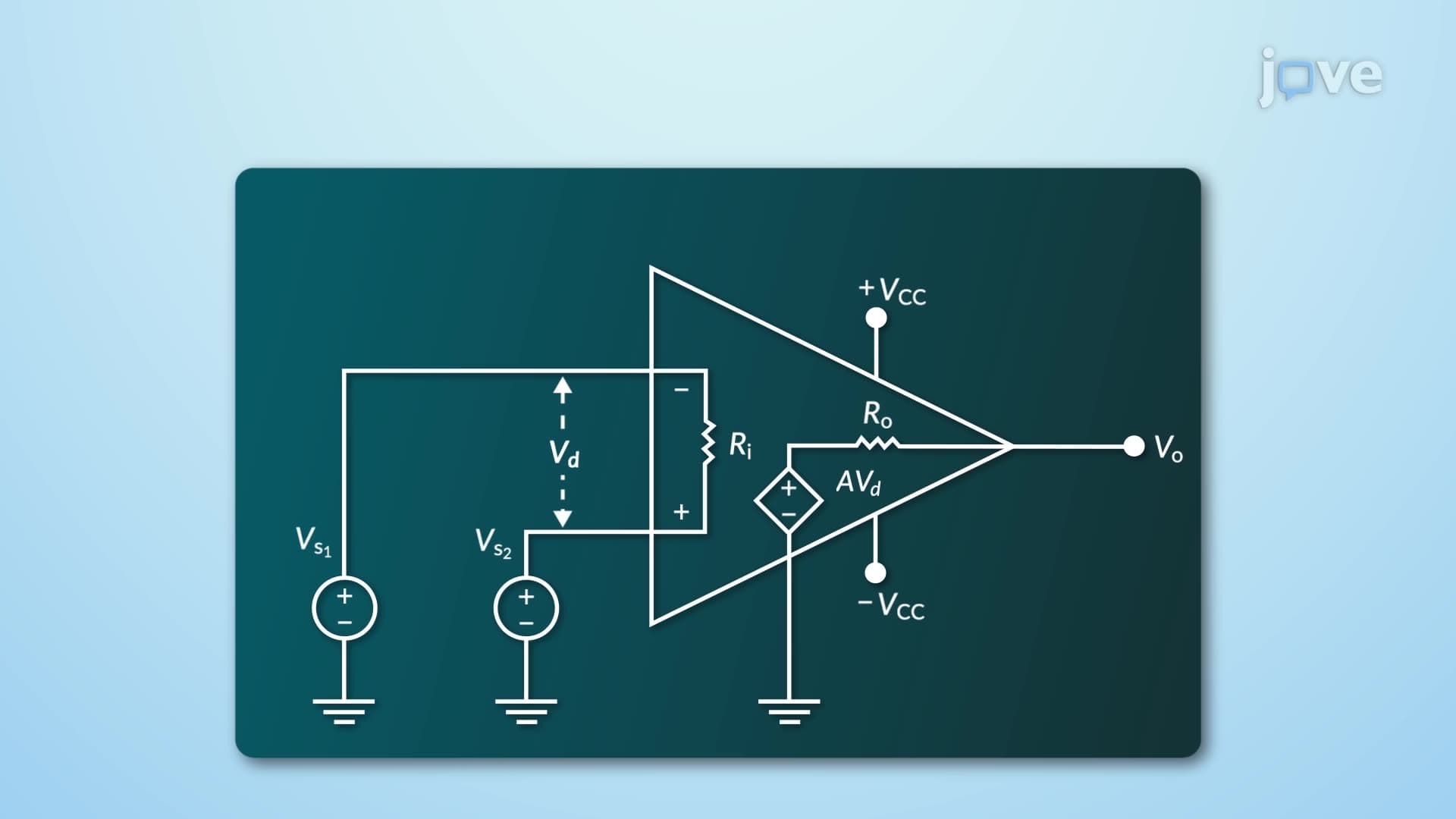
Operational amplifiers represent one of the most versatile building blocks in modern electronics, with inverting and non-inverting configurations serving distinct purposes in signal processing. The sum and difference opamps concept emerges from how these circuits handle input signals-either maintaining or reversing their polarity while providing controlled amplification.
The inverting amplifier creates a sum and difference opamps definition through its unique circuit topology. Input voltage connects through a resistor to the inverting terminal (marked with a minus sign), while the non-inverting terminal connects directly to ground. A feedback resistor bridges the inverting terminal and output, creating negative feedback essential for stable operation.
Using Kirchhoff's Current Law at the inverting terminal yields the voltage gain formula: Gain = -Rf/Rin, where Rf represents the feedback resistor and Rin the input resistor. The negative sign indicates signal inversion-a positive input produces a negative output. This characteristic proves invaluable in noise cancellation systems used by companies like Bose in their QuietComfort headphones, where inverted noise signals cancel unwanted ambient sound.
Non-inverting amplifiers demonstrate what is sum and difference opamps in detail by preserving input signal polarity. The input voltage applies directly to the non-inverting terminal (marked with a plus sign), while a voltage divider network connects between the output and ground, with the inverting terminal tapping the divider's midpoint.
The voltage gain equation becomes: Gain = 1 + (Rf/Rin), always yielding positive values greater than or equal to unity. When the feedback resistor short-circuits or the input resistor opens, gain equals exactly one, creating a voltage follower. This configuration appears frequently in biomedical equipment, such as ECG machines used in hospitals nationwide, where high input impedance prevents loading of sensitive biological signals.
These sum and difference opamps concepts frequently appear on AP Physics exams and college-level circuit analysis courses. Students studying electrical engineering at institutions like MIT or Stanford encounter these principles in introductory electronics courses, where understanding impedance matching becomes crucial for advanced system design.
Audio processing represents another significant application area. Recording studios in Los Angeles use inverting amplifiers for signal conditioning and non-inverting buffers for impedance isolation between mixing console stages. The sum and difference opamps study guide principles also apply to instrumentation amplifiers used in aerospace applications at companies like Boeing and Lockheed Martin.
Related Micro-courses