Loading video…


 9 Concepts
 9.2K views

Video Summary: What Is Sum and Difference Opamps
Ever wonder how audio mixing boards at concerts seamlessly blend dozens of instrument tracks into perfect harmony? The characteristics of practical op amps make this possible through summing and difference amplifiers-specialized circuits that either combine multiple signals or isolate the difference between two inputs. From noise-canceling headphones to professional recording studios like Abbey Road in Nashville, these operational amplifier configurations are fundamental to modern audio engineering and signal processing. Watch the full video on JoVE Coach to master this concept with expert-led visuals and step-by-step explanations.
Sum and difference operational amplifiers represent two fundamental building blocks in analog electronics that demonstrate the practical characteristics of op amps in signal processing applications. These circuits showcase how operational amplifiers can manipulate multiple input signals to produce mathematically predictable outputs, making them essential for students preparing for AP Physics, electrical engineering coursework, and professional electronics work.
A summing amplifier, also called an adder circuit, uses the inverting input configuration of an operational amplifier to combine multiple input signals into a single output. The circuit typically employs multiple input resistors (R1, R2, R3, etc.) connected to the inverting terminal, with a feedback resistor (Rf) providing the gain control. Using Kirchhoff's Current Law at the summing junction, the total current flowing through the feedback resistor equals the sum of all input currents.
The output voltage relationship becomes: Vout = -Rf(V1/R1 + V2/R2 + V3/R3 + ...). This weighted sum capability makes summing amplifiers invaluable in audio mixing consoles used by major recording studios like Electric Lady Studios in New York, where multiple instrument tracks must be proportionally combined. Students encountering this concept in college-level electronics courses or AP Physics C will find that understanding the mathematical relationships prepares them for more complex analog circuit analysis.
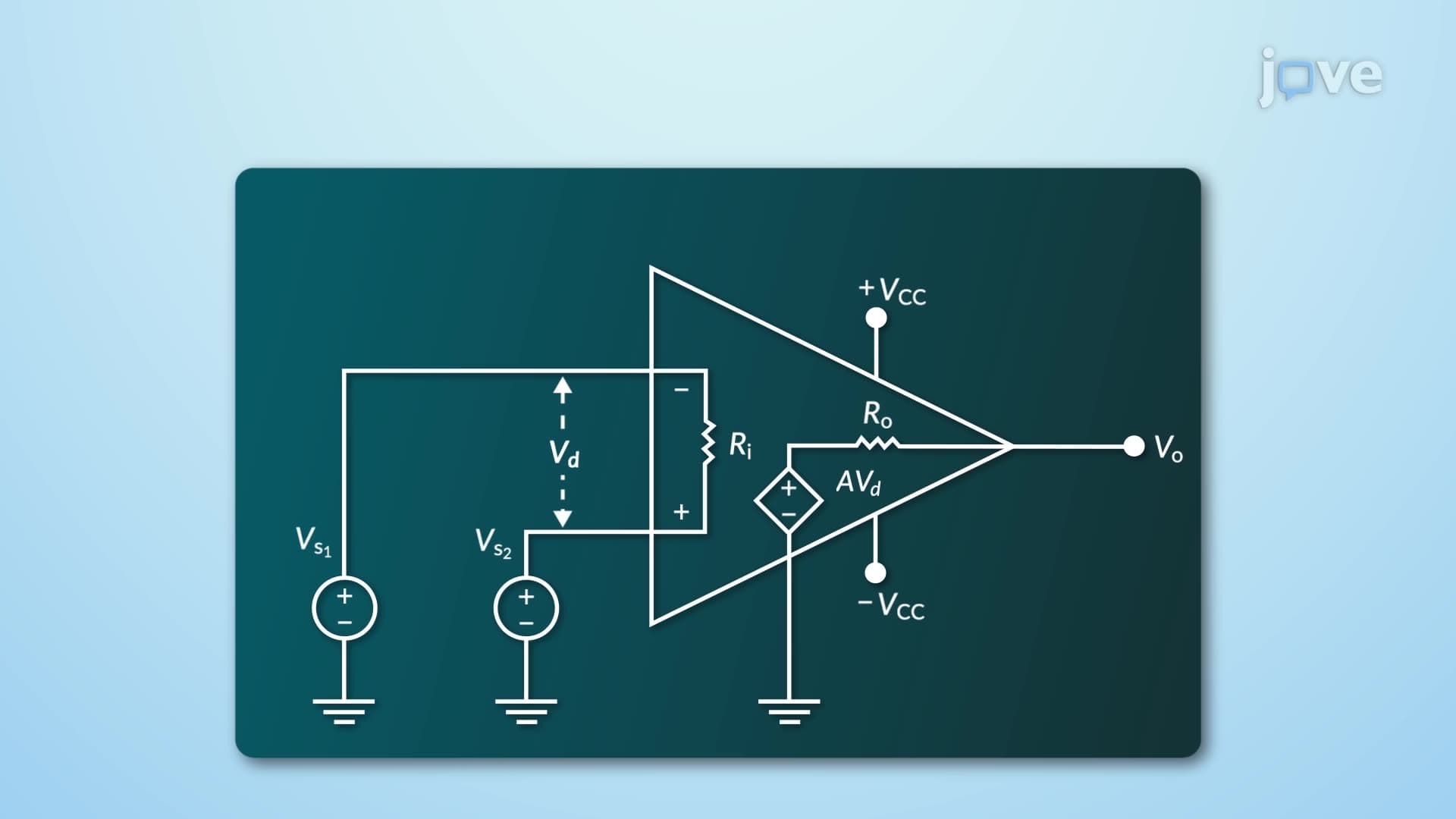
Difference amplifiers, or subtractors, amplify the voltage difference between two input signals while ideally rejecting any common-mode signals present at both inputs simultaneously. This circuit configuration uses both the inverting and non-inverting inputs of the operational amplifier, with carefully matched resistor ratios determining the circuit's performance.
For optimal subtraction, the resistance ratios must satisfy specific conditions: R2/R1 = R4/R3. When R1 = R2 and R3 = R4, the circuit functions as a unity-gain subtractor where Vout = V2 - V1. This precise resistor matching requirement explains why professional instrumentation amplifiers, such as those used in medical equipment at facilities like Johns Hopkins Hospital, require high-precision components to achieve excellent common-mode rejection ratios.
These operational amplifier configurations find extensive use in real-world applications beyond academic examples. Audio engineers at major venues like Madison Square Garden rely on summing amplifiers for mixing live performances, while difference amplifiers enable noise-canceling headphones to subtract unwanted ambient sounds from the desired audio signal.
Students preparing for the MCAT's physics section or electrical engineering qualifying exams should recognize that practical op-amp characteristics-including finite gain, input bias currents, and offset voltages-can affect circuit performance. Understanding these limitations helps explain why precision applications require careful component selection and circuit design considerations that extend beyond ideal operational amplifier theory.
Related Micro-courses