Loading concepts…


13 Concepts
11 Concepts
9 Concepts
8 Concepts
13 Concepts
16 Concepts
9 Concepts
11 Concepts
15 Concepts
11 Concepts
14 Concepts
20 Concepts
11 Concepts
7 Concepts
5 Concepts
7 Concepts
10 Concepts
7 Concepts
7 Concepts
5 Concepts
9 Concepts
7 Concepts
7 Concepts
7 Concepts
10 Concepts
4 Concepts
7 Concepts
6 Concepts
8 Concepts
9 Concepts
7 Concepts
5 Concepts
5 Concepts
 9 Concepts
 5K Views
 Popular topics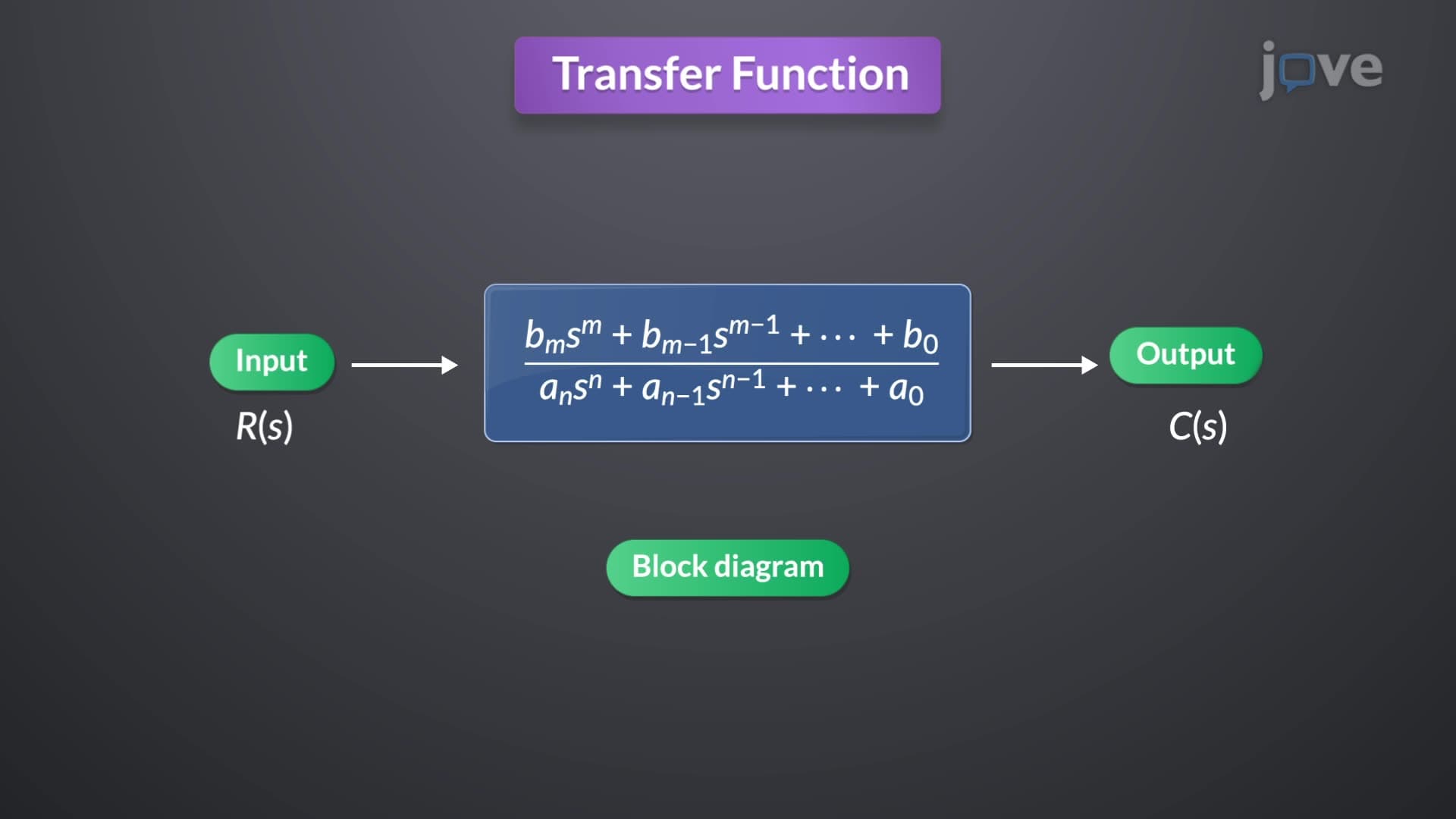

Modeling in time and frequency domain provides essential mathematical frameworks for analyzing dynamic systems across electrical, mechanical, and electromechanical applications. Students explore transfer functions, state space representations, and linearization techniques used in aerospace engineering at Boeing, automotive control systems at Ford, and biomedical devices throughout US hospitals. JoVE Coach guides learners through systematic approaches to transform complex differential equations into manageable mathematical models for system analysis.
1. Transfer Function Fundamentals and Mathematical Derivation: Transfer functions represent the mathematical relationship between system inputs and outputs in the frequency domain using Laplace transforms. Starting with nth-order linear differential equations, students learn to apply zero initial conditions and algebraic manipulation to create transfer function expressions. The denominator directly relates to the characteristic polynomial, providing insight into system stability and response characteristics. Real-world applications include analyzing amplifier circuits in audio equipment manufactured by companies like Bose, or examining suspension systems in vehicles produced by General Motors for improved ride quality.
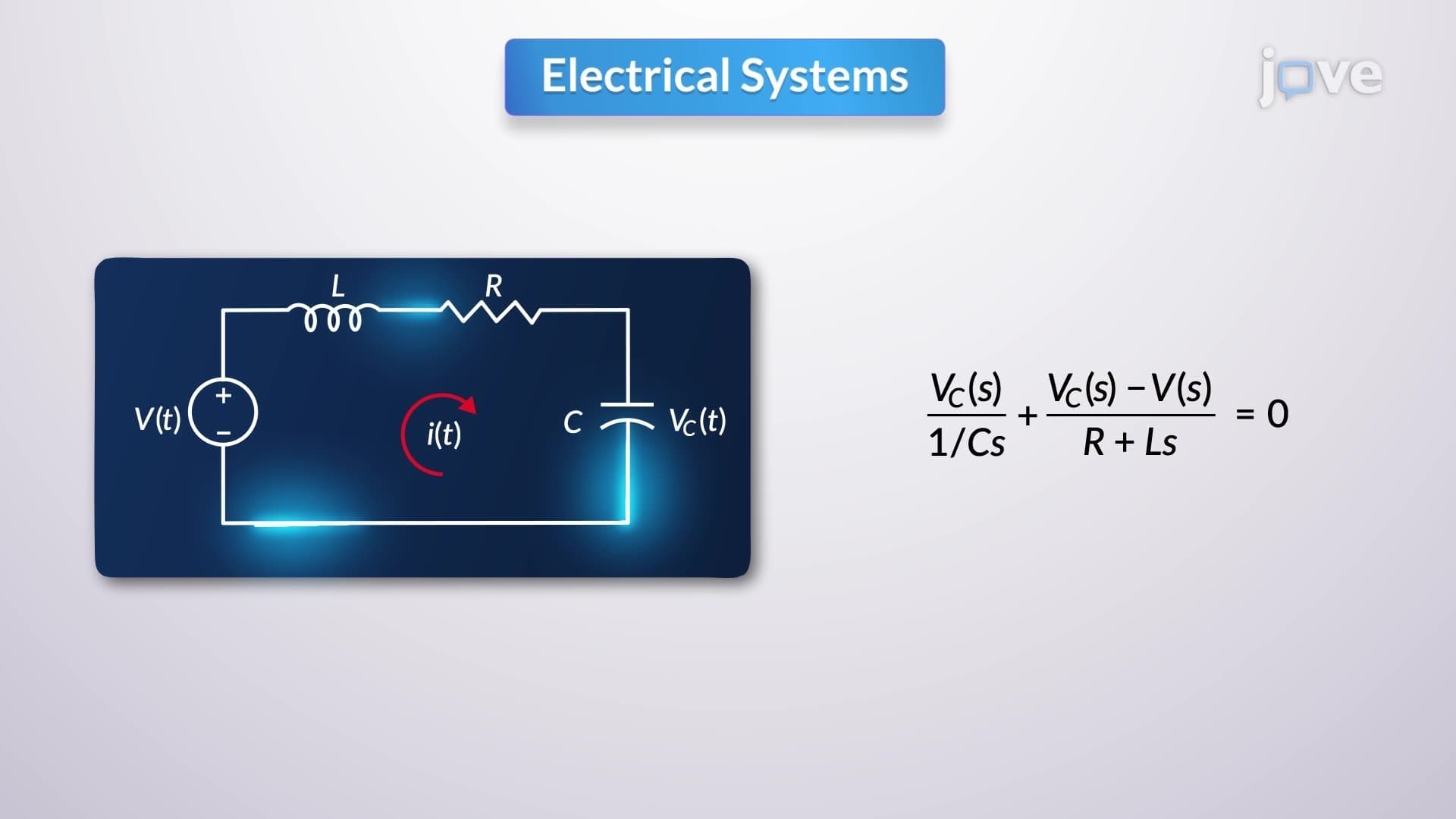
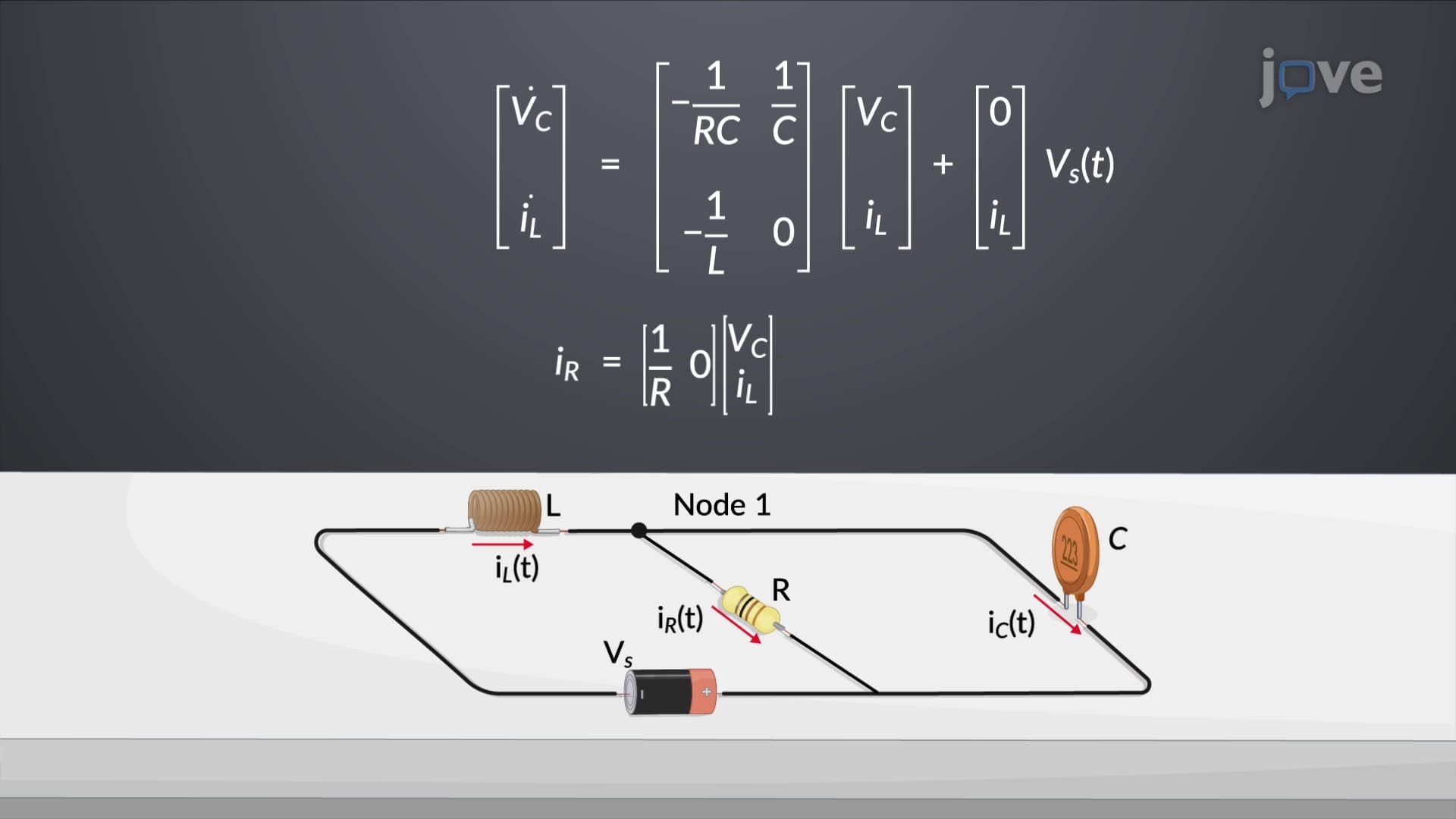
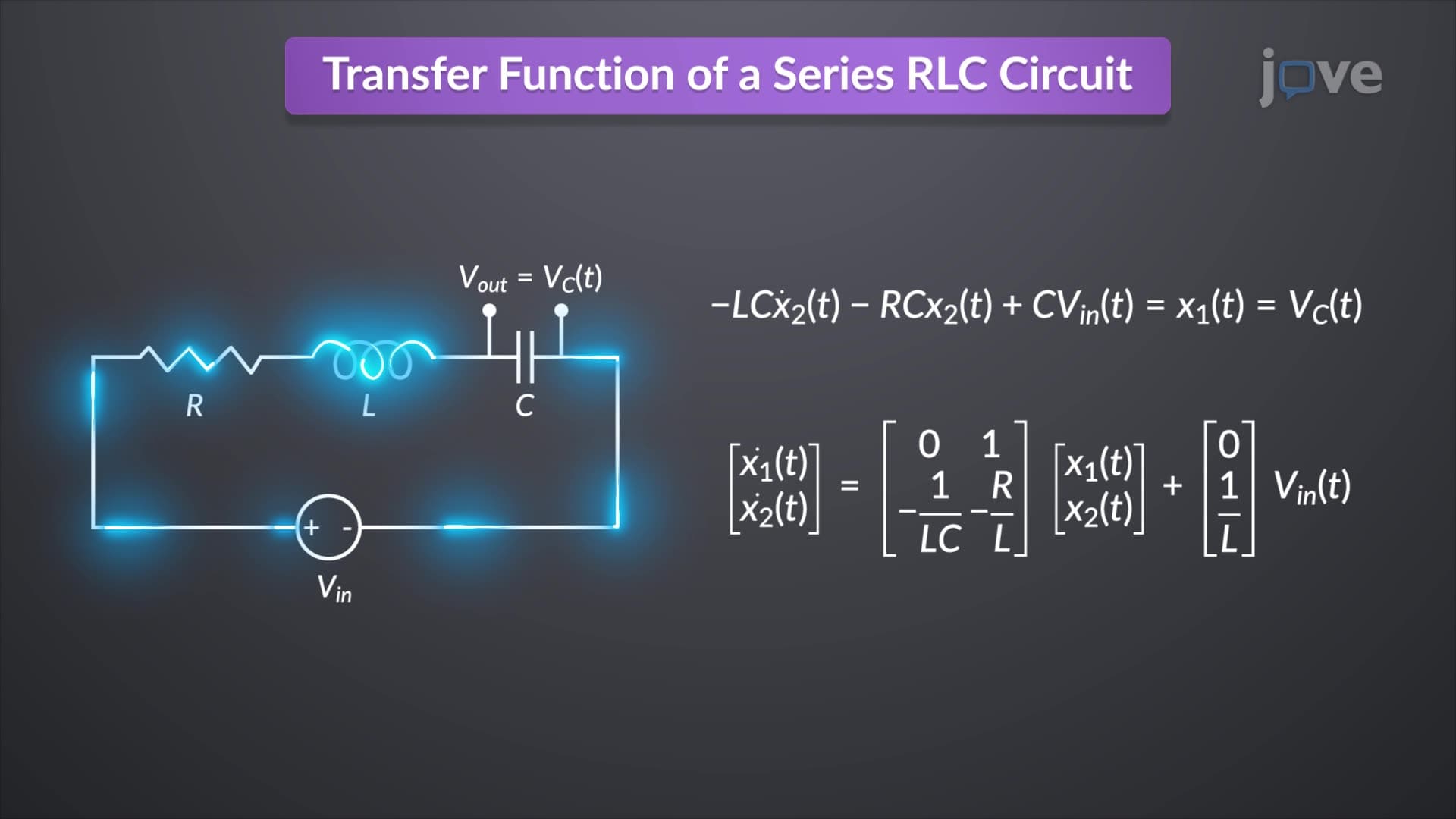
2. Electrical Network Analysis Using RLC Circuits: Electrical systems modeling focuses on resistors, capacitors, and inductors as fundamental building blocks. Students apply Kirchhoff's voltage and current laws to derive transfer functions relating input voltages to output responses across circuit elements. Impedance concepts extend resistance principles to reactive components, enabling frequency-dependent analysis. Practical examples include power supply circuits in smartphones designed by Apple, or filtering networks in radio transmitters used by broadcast stations across the United States, demonstrating how theoretical concepts directly impact consumer electronics and communication systems.
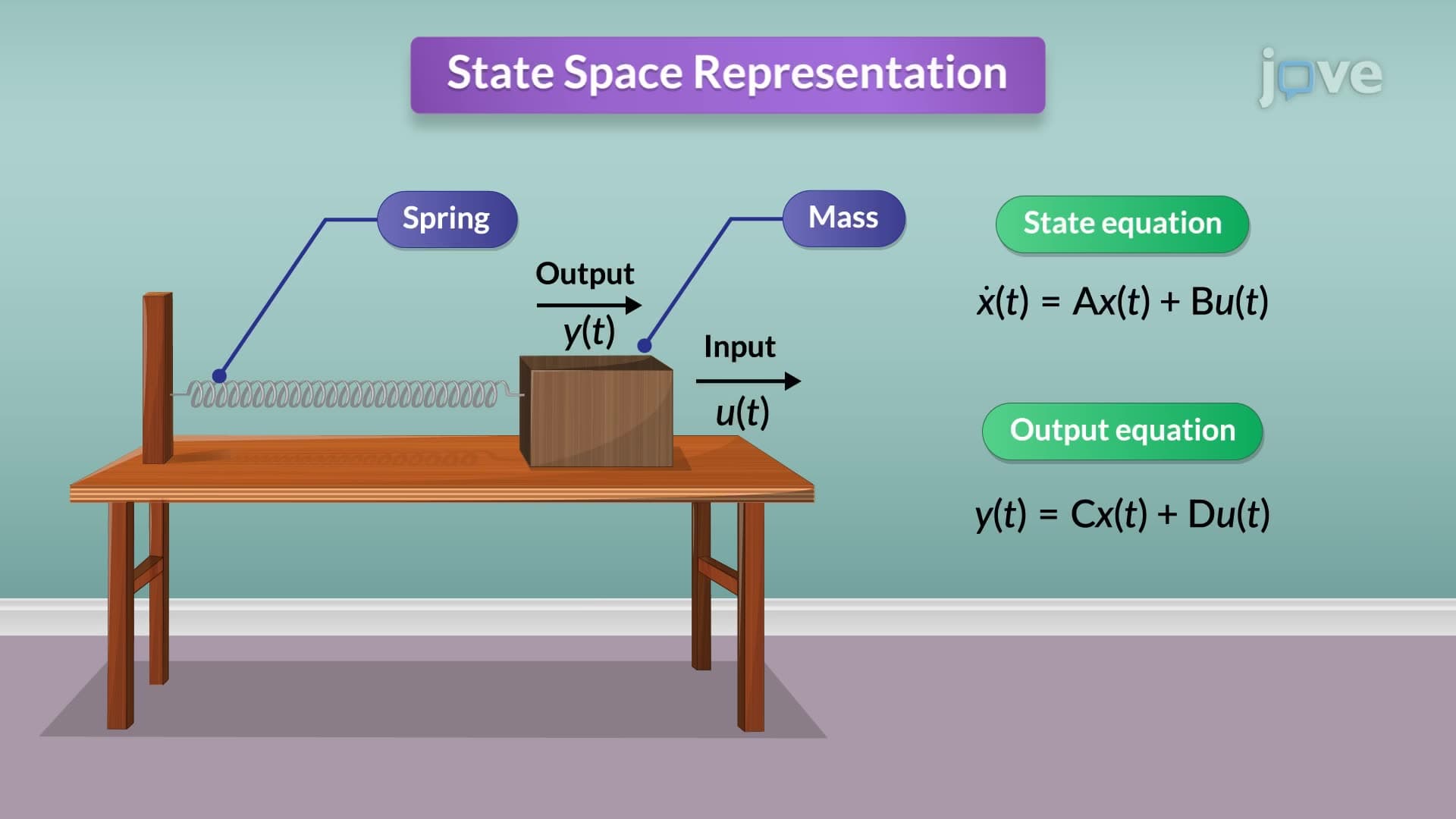
3. Mechanical System Modeling with Springs, Masses, and Dampers: Mechanical systems utilize springs for energy storage, masses for inertia, and dampers for energy dissipation, analogous to electrical components. Newton's laws provide the foundation for developing differential equations that describe translational and rotational motion. Students learn to identify state variables and apply force balance principles to create mathematical models. Applications span automotive shock absorber design at companies like Monroe, seismic isolation systems protecting buildings in earthquake-prone California regions, and precision positioning systems used in manufacturing equipment throughout US industrial facilities.
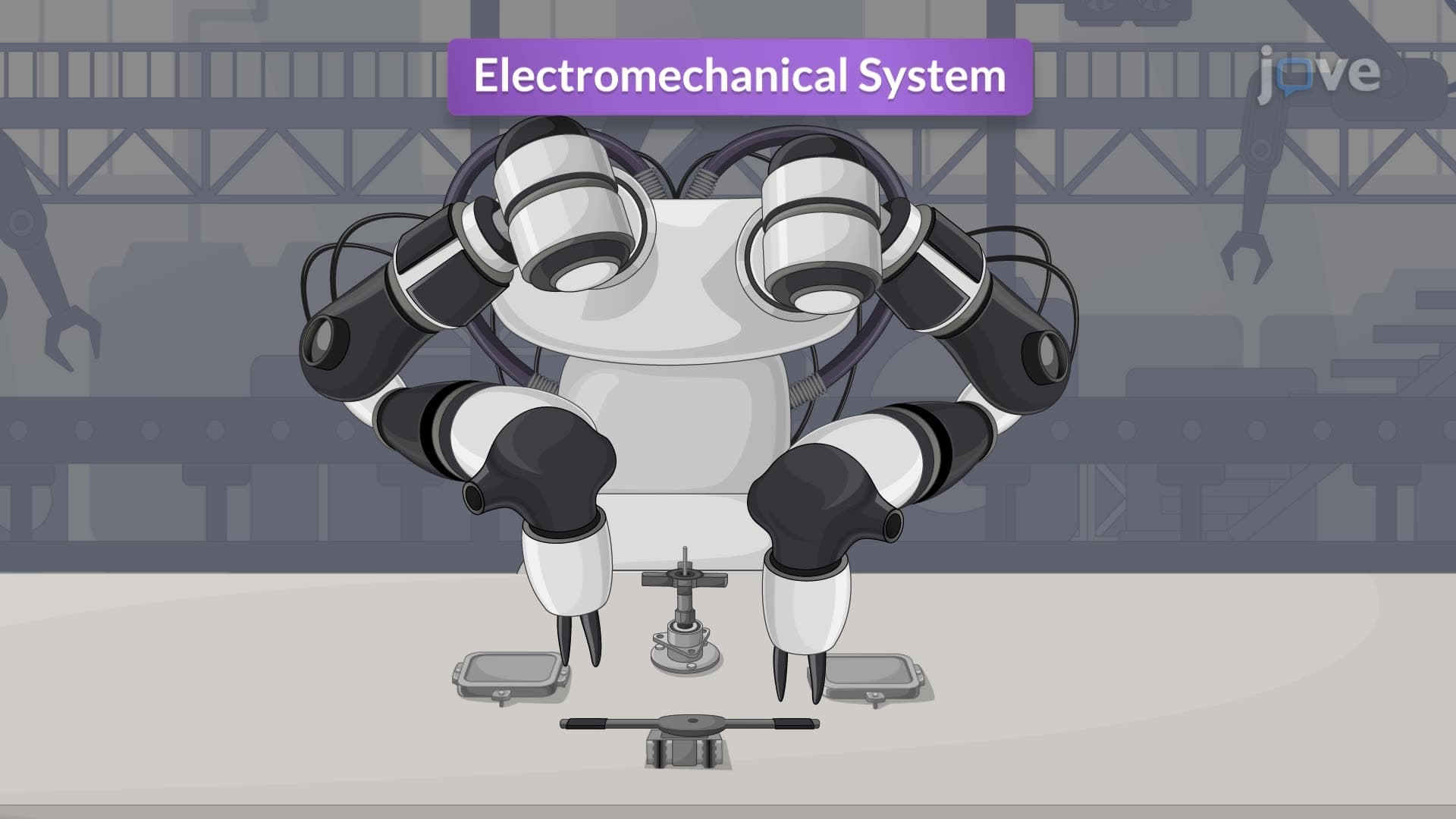
4. Electromechanical Systems and DC Motor Analysis: Electromechanical systems combine electrical and mechanical components, with DC motors serving as prime examples of energy conversion between domains. Students examine armature circuits, back EMF effects, and torque generation mechanisms to develop comprehensive system models. The integration of electrical voltage inputs with mechanical angular displacement outputs demonstrates interdisciplinary engineering principles. Real applications include servo motors in robotic surgical systems used in hospitals nationwide, actuators in aerospace applications at NASA facilities, and precision drive systems in manufacturing equipment produced by companies like Rockwell Automation.
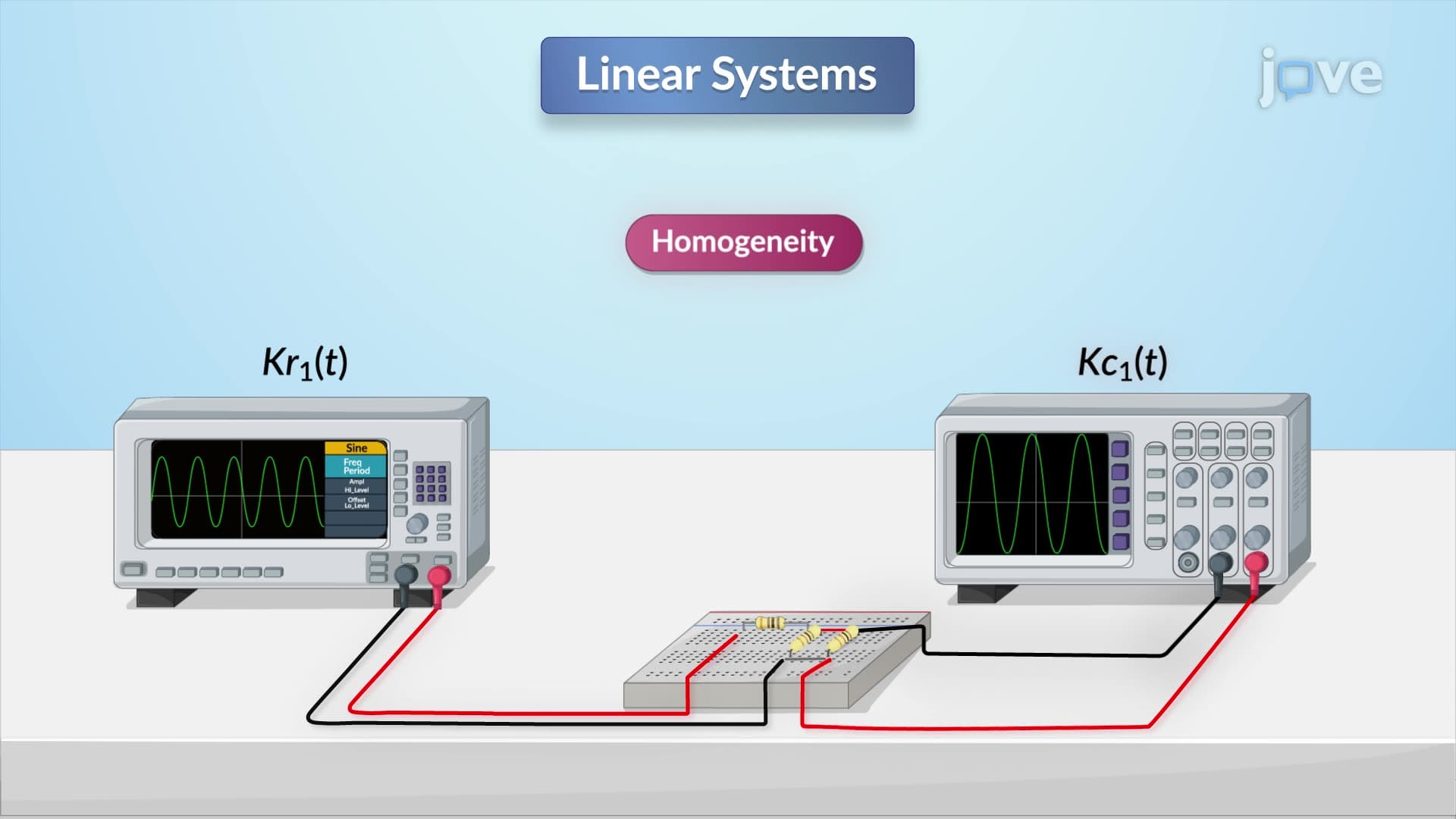
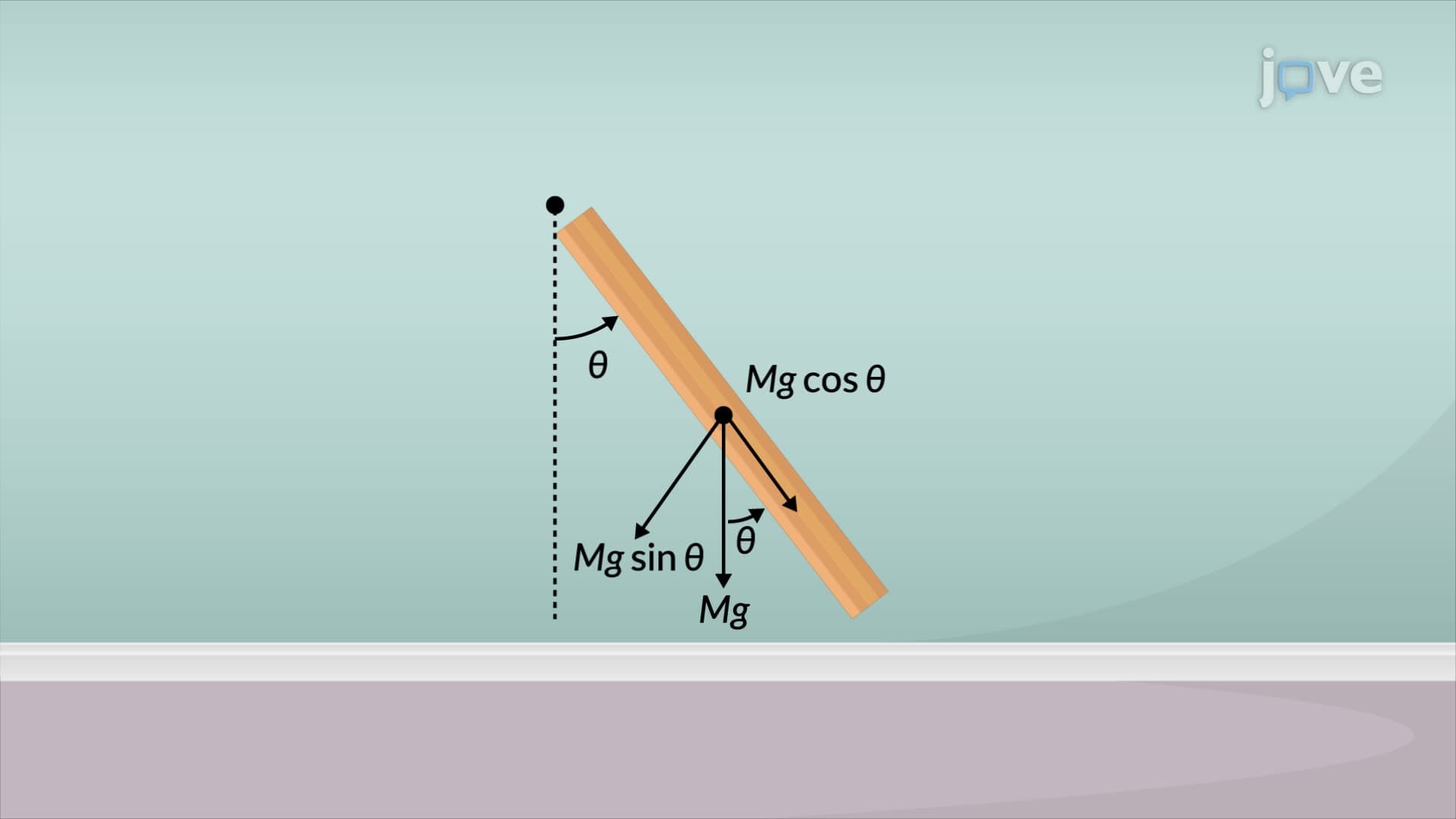
5. Linearization Techniques for Nonlinear Systems: Many real-world systems exhibit nonlinear behavior that requires linearization around operating points for analysis using linear system tools. Taylor series expansion provides the mathematical foundation for approximating nonlinear functions with linear equivalents for small signal analysis. Students learn to identify equilibrium points and apply perturbation methods to develop linearized models suitable for control system design. Examples include aircraft flight control systems developed by Boeing for stable operation around cruise conditions, or temperature control systems in semiconductor fabrication facilities where precise linear operation ensures product quality and manufacturing consistency.
6. State Space Representation and Vector-Matrix Formulation: State space methods provide powerful tools for analyzing multiple-input, multiple-output systems and nonlinear dynamics using first-order differential equation sets. Students learn to select appropriate state variables, typically energy storage element quantities, and formulate state equations in standard vector-matrix form. This approach enables computer simulation and modern control techniques essential for complex system analysis. Applications include satellite attitude control systems managed by NASA mission control, multi-variable process control in chemical plants operated by companies like DuPont, and coordinated control of power grid systems managed by regional transmission organizations across the United States.
7. Conversion Between Transfer Functions and State Space Models: System analysis often requires transformation between different mathematical representations to leverage specific analytical advantages. Students master techniques for converting transfer functions to state space form using phase variable methods, and reverse transformations using matrix algebra and Laplace domain manipulation. These skills enable engineers to select optimal modeling approaches for specific applications. Examples include flight simulation software development at companies like Boeing for pilot training programs, control system design for autonomous vehicles being developed by companies like Tesla, and process optimization in manufacturing systems throughout US industrial facilities requiring flexible mathematical modeling approaches.