Loading video…


 9 Concepts
 5K views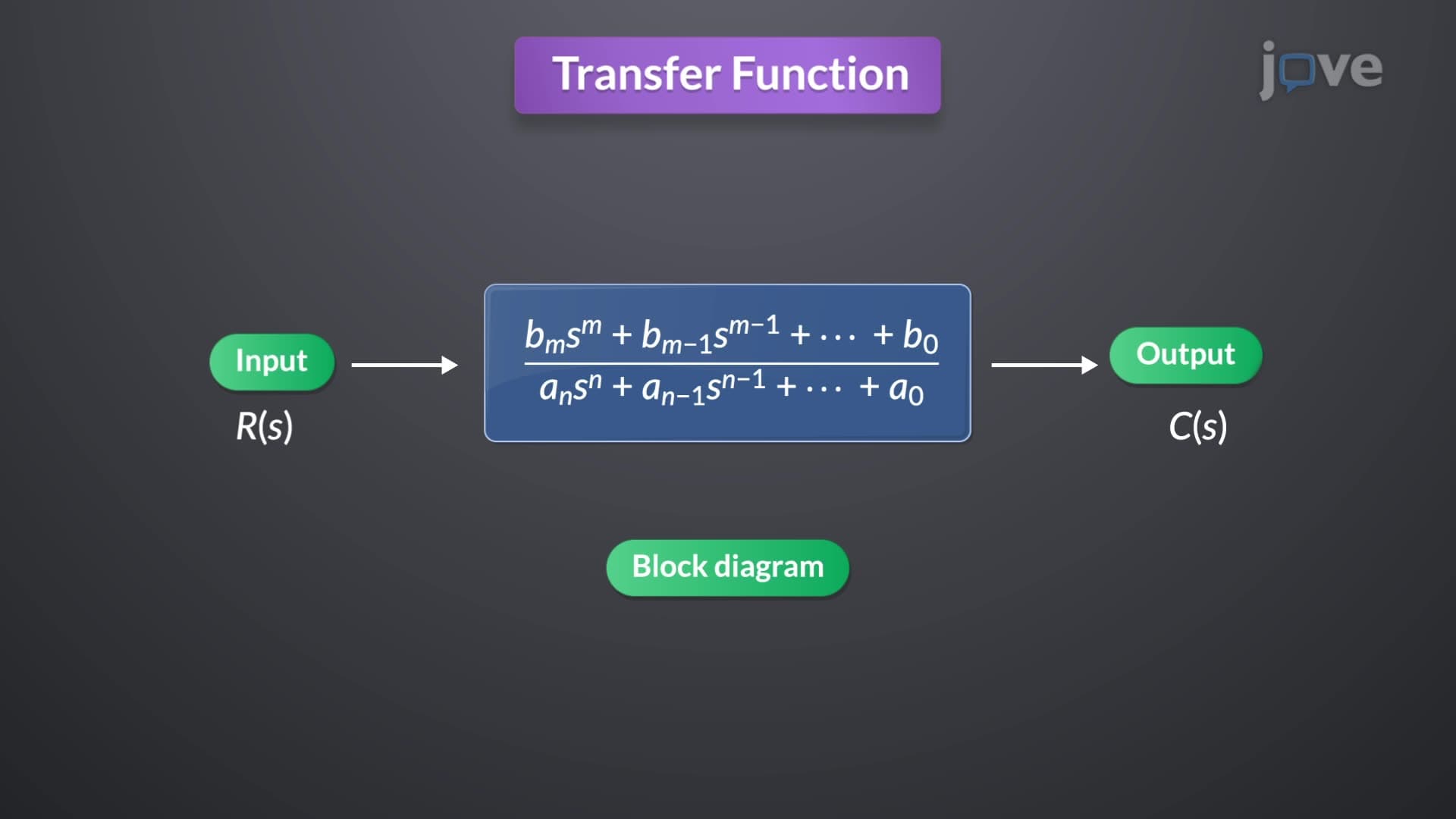

Video Summary: What Is Transfer Function
Ever wonder how NASA engineers predict spacecraft behavior before launch? Electrical systems rely on mathematical tools called transfer functions to model complex behaviors without expensive trial-and-error testing. The transfer function represents a system's output response to any input in the frequency domain, transforming challenging differential equations into manageable algebraic expressions through Laplace transforms. This concept is fundamental in analyzing everything from power grids to satellite communication systems across the United States. Watch the full video on JoVE Coach to master this concept with expert-led visuals and step-by-step explanations.
A transfer function serves as the mathematical backbone for analyzing electrical systems throughout engineering applications. This powerful tool transforms complex time-domain differential equations into manageable frequency-domain algebraic expressions, enabling engineers to predict system behavior without physical prototyping.
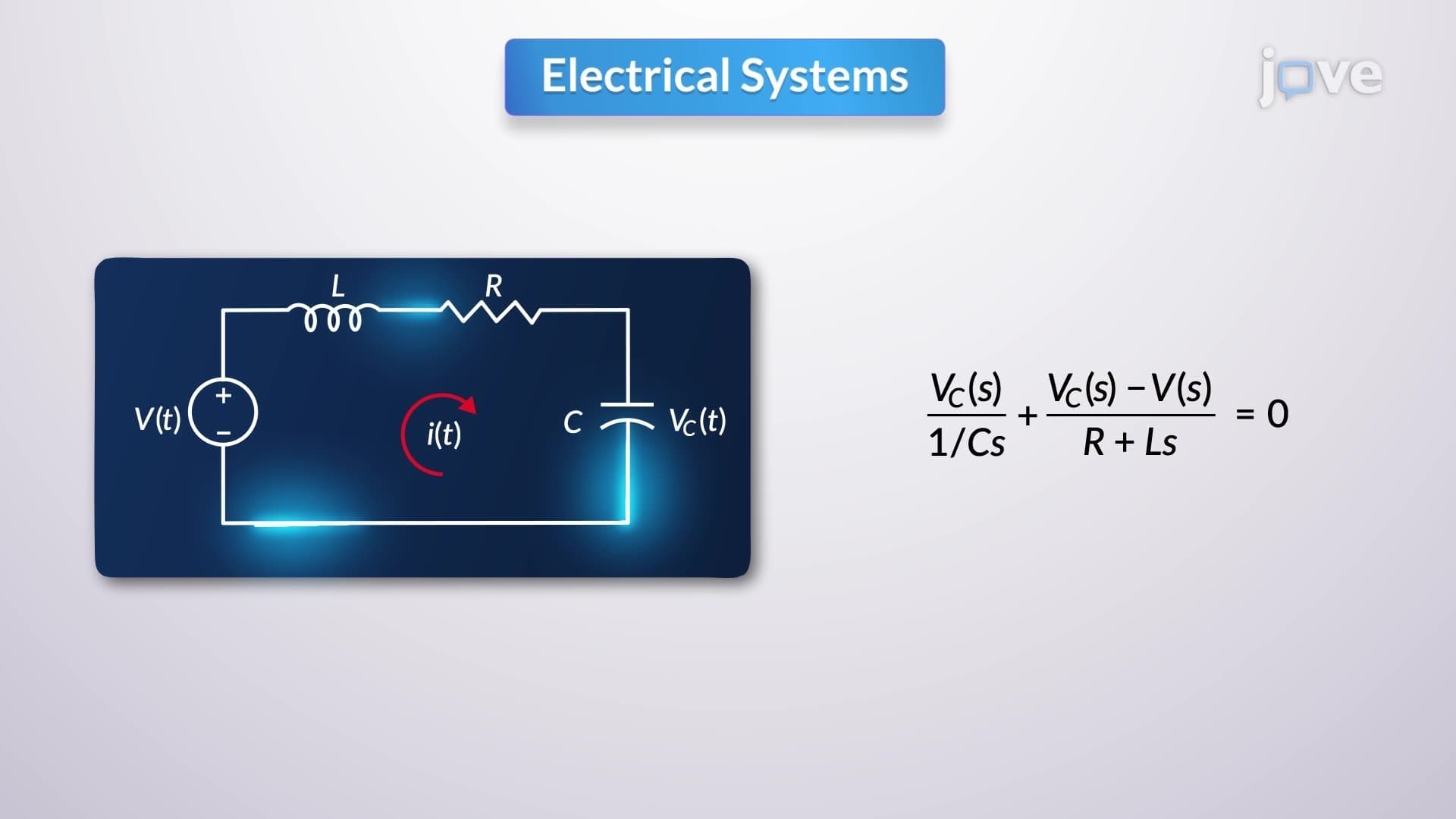
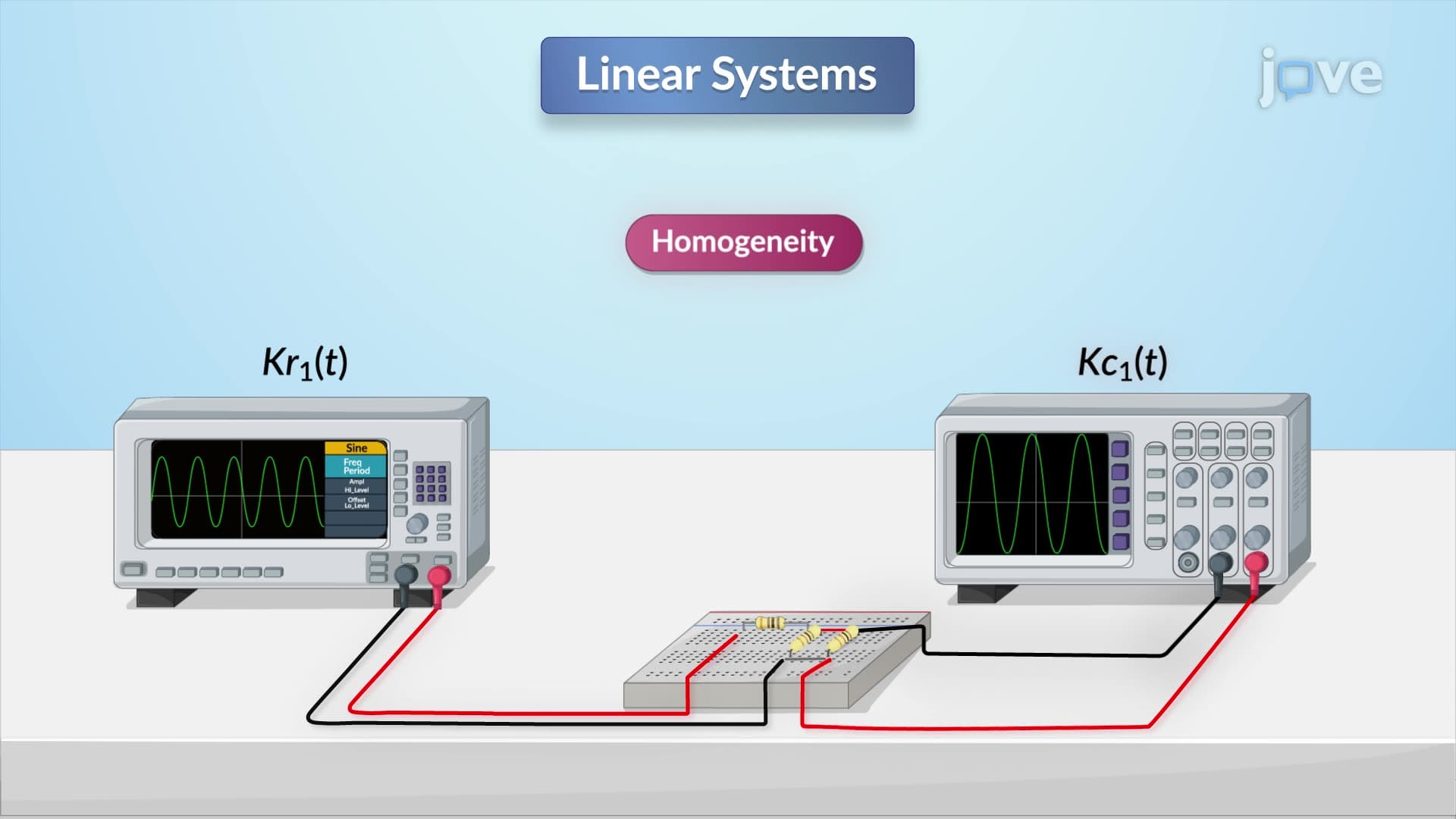
The transfer function emerges when we apply the Laplace transform to linear, time-invariant differential equations. Consider an nth-order system where input and output variables are related through differential equations. By assuming zero initial conditions-a standard practice in system analysis-engineers can focus purely on the system's inherent characteristics rather than transient startup effects.
The mathematical elegance lies in the ratio: Transfer Function = Output Laplace Transform / Input Laplace Transform. This ratio remains constant for any given system, making it invaluable for electrical systems overview and analysis. Students preparing for AP Physics or college-level control systems courses will encounter this concept frequently in examinations and practical applications.
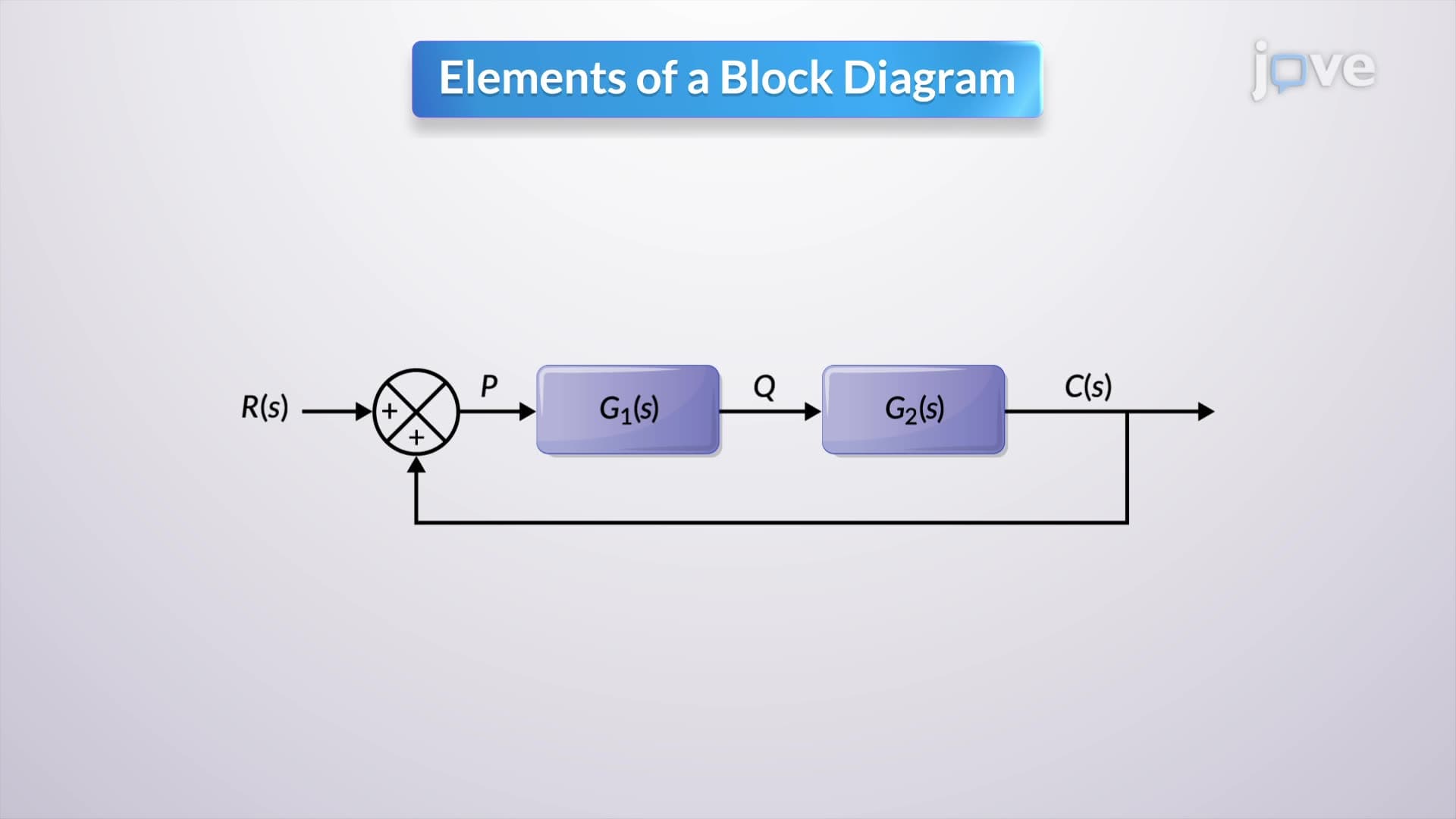
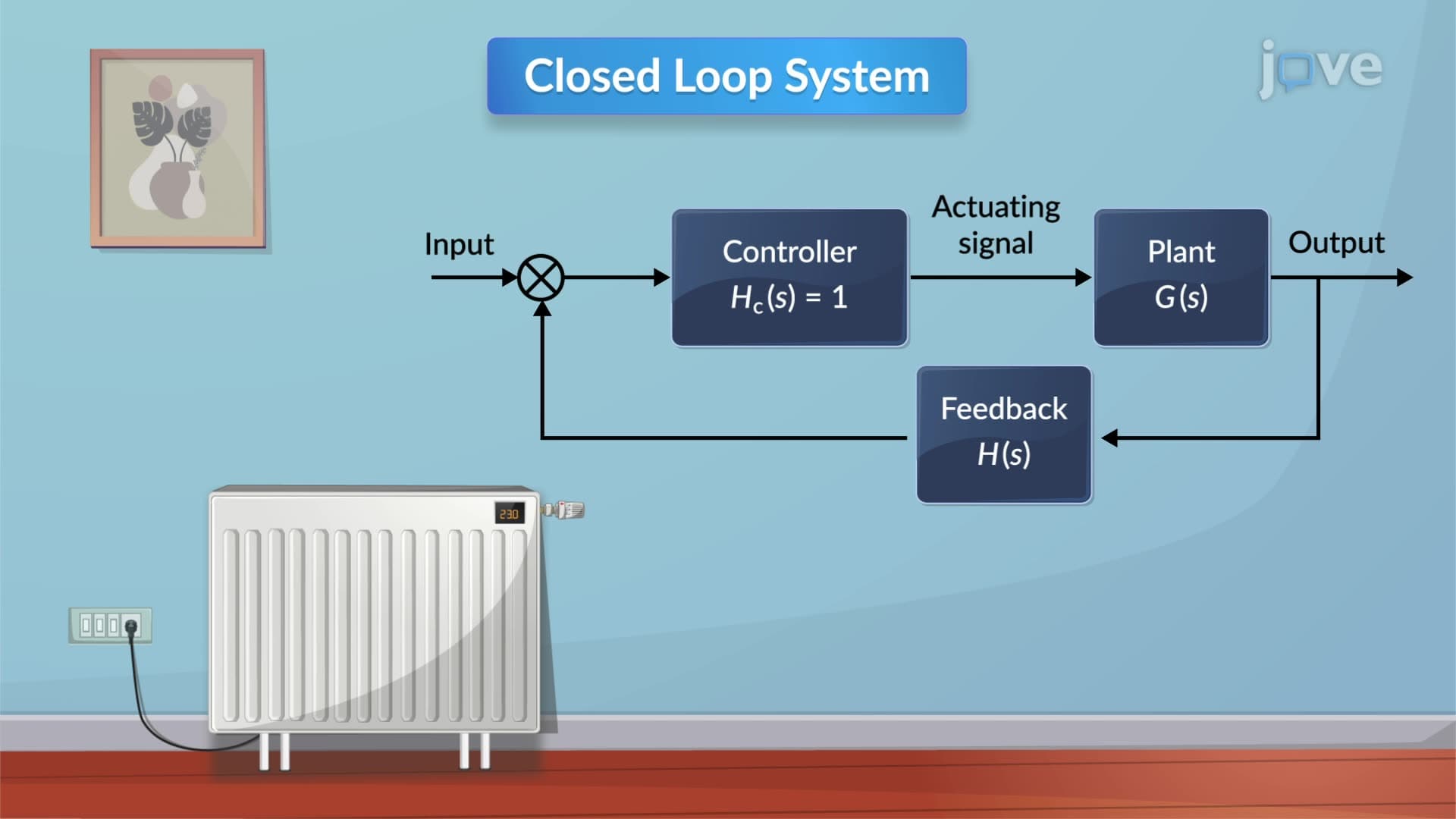
Transfer functions translate seamlessly into block diagram representations, where inputs enter from the left, outputs emerge on the right, and the transfer function occupies the central block. This visual approach helps students grasp types of electrical systems more intuitively. For instance, when analyzing power distribution systems across states like Texas or California, engineers use block diagrams to model transformer behavior, transmission line characteristics, and load responses.
Major US corporations like General Electric and Boeing extensively use transfer function analysis. In aerospace applications, transfer functions model everything from flight control systems to communication arrays. The Federal Aviation Administration requires rigorous mathematical modeling before approving aircraft systems-transfer functions provide the mathematical foundation for these safety-critical analyses.
Students studying electrical systems basics should recognize that transfer functions appear in countless applications: smartphone charging circuits, electric vehicle powertrains, and even smart grid technologies deployed across American cities. The characteristic polynomial found in the transfer function's denominator directly relates to system stability-a crucial consideration when designing infrastructure that millions depend upon daily.
Related Micro-courses