Loading video…


 9 Concepts
 5K views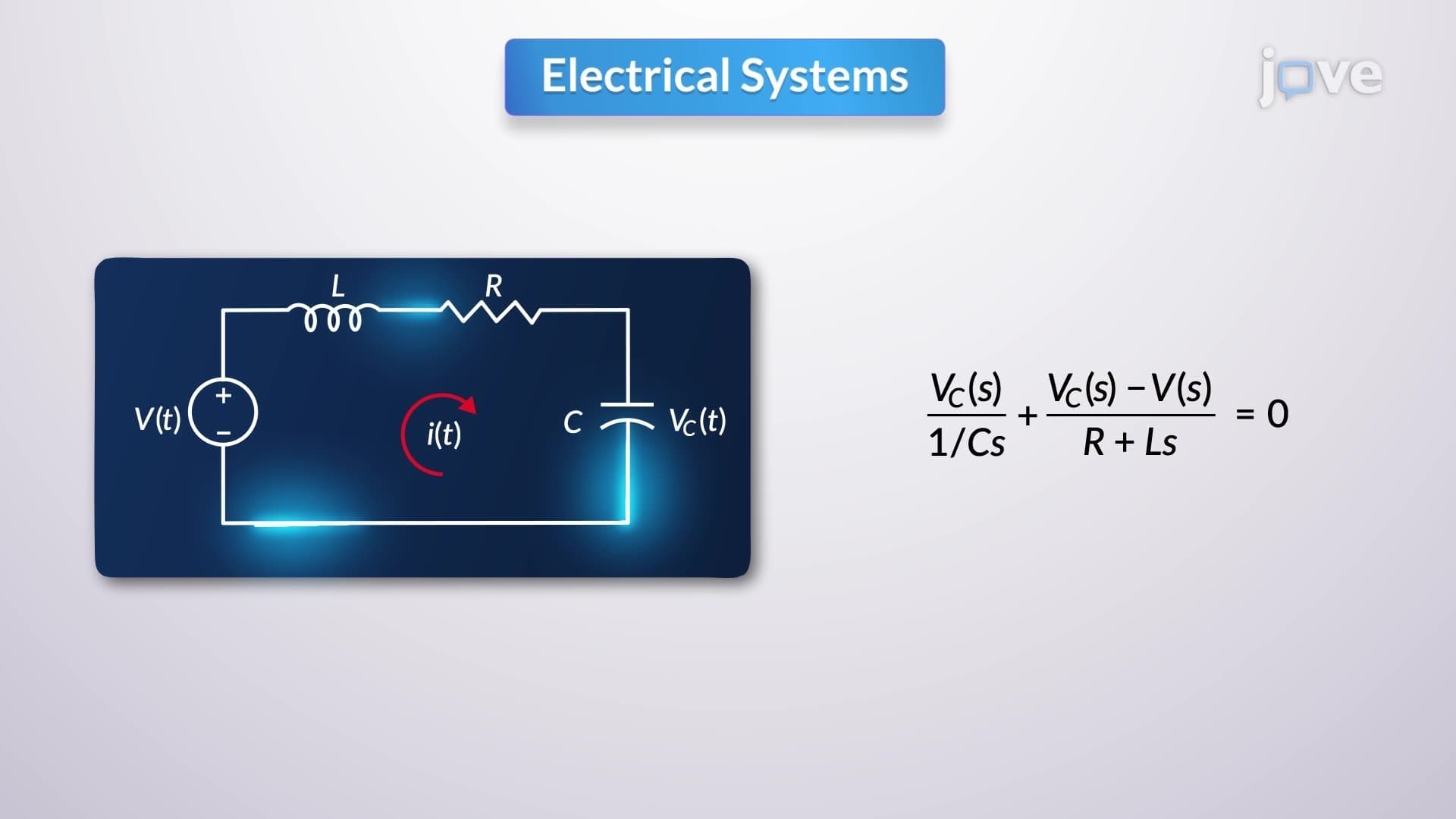

Video Summary: What are Electrical Systems
Ever wondered how your smartphone instantly responds to your touch or how Tesla's autopilot processes thousands of signals per second? Mechanical systems form the foundation for understanding these complex technologies, but electrical networks provide the computational backbone. From the power grid supplying electricity to New York City to the intricate circuits in medical devices at Johns Hopkins Hospital, electrical systems rely on three fundamental components: resistors, capacitors, and inductors combined through Kirchhoff's laws and transfer functions. Watch the full video on JoVE Coach to master this concept with expert-led visuals and step-by-step explanations.
What are electrical systems? At their core, electrical systems are networks of interconnected components that manipulate electrical energy to perform useful functions. Unlike mechanical systems that deal with physical motion and forces, electrical systems process information and energy through controlled electron flow. These systems form the backbone of everything from the power grid supplying electricity to Los Angeles to the sophisticated control systems managing traffic lights in Manhattan.
Electrical networks rely on three essential passive components, each serving distinct functions. Resistors oppose current flow and convert electrical energy to heat-think of the heating elements in your home's electric furnace. Capacitors store electrical energy in electric fields, enabling applications like camera flash units and power factor correction in industrial facilities. Inductors store energy in magnetic fields and resist changes in current, making them crucial for transformers in electrical substations across the United States.
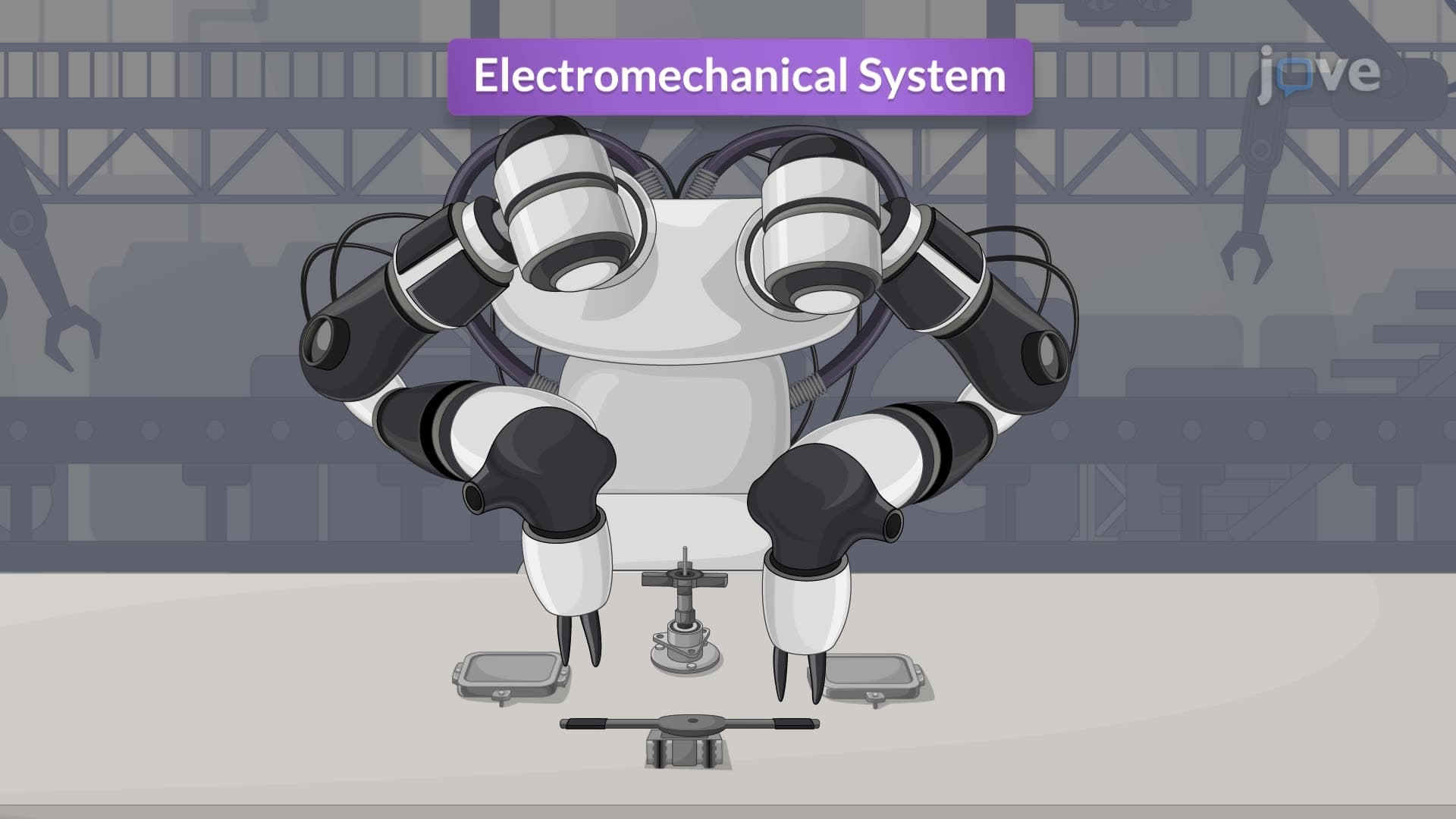
Types of mechanical systems often require electrical control interfaces, highlighting the interconnected nature of these engineering disciplines. For instance, the robotic assembly lines at Ford's Michigan plants combine mechanical actuators with sophisticated electrical control systems.
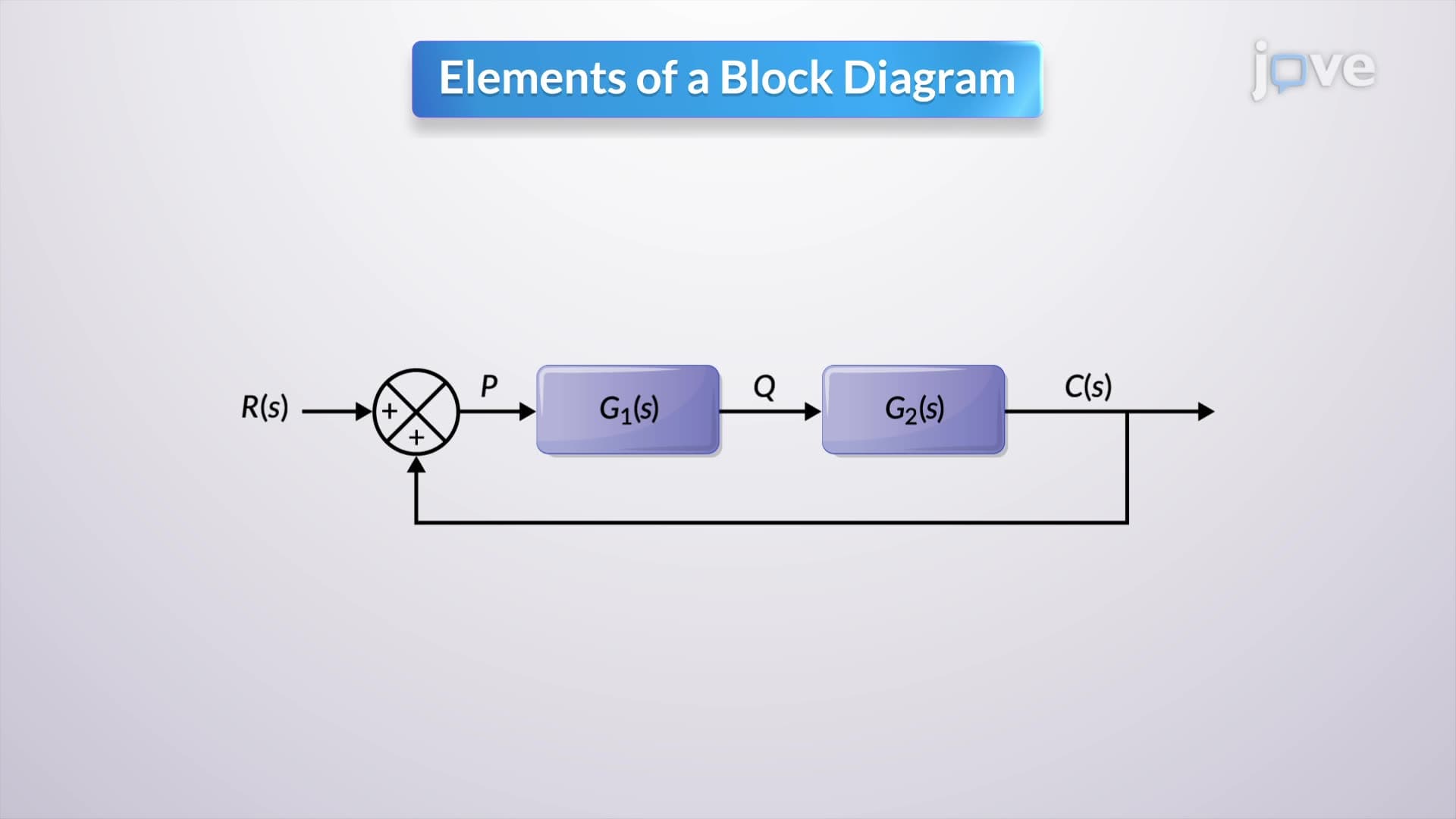
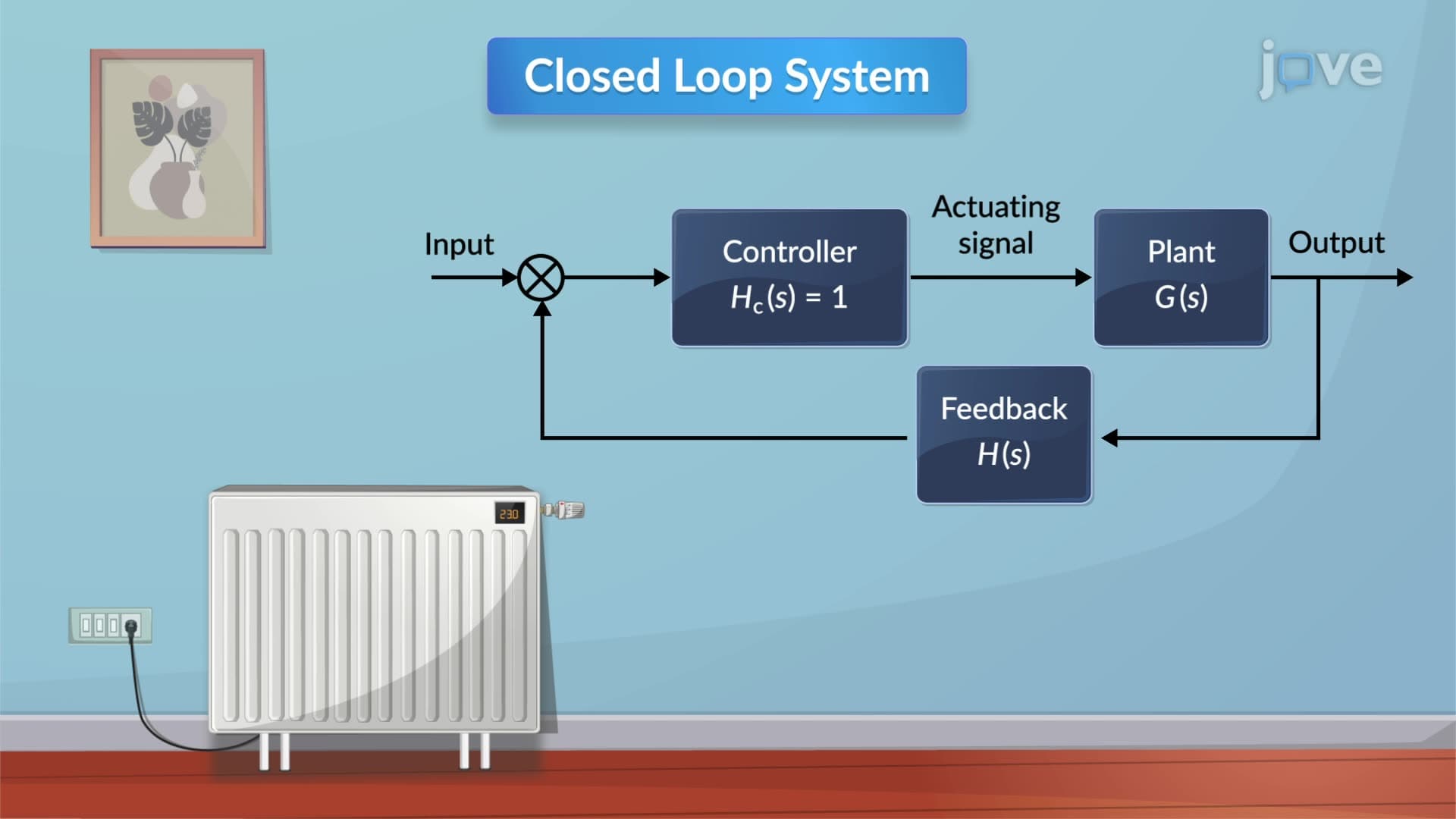
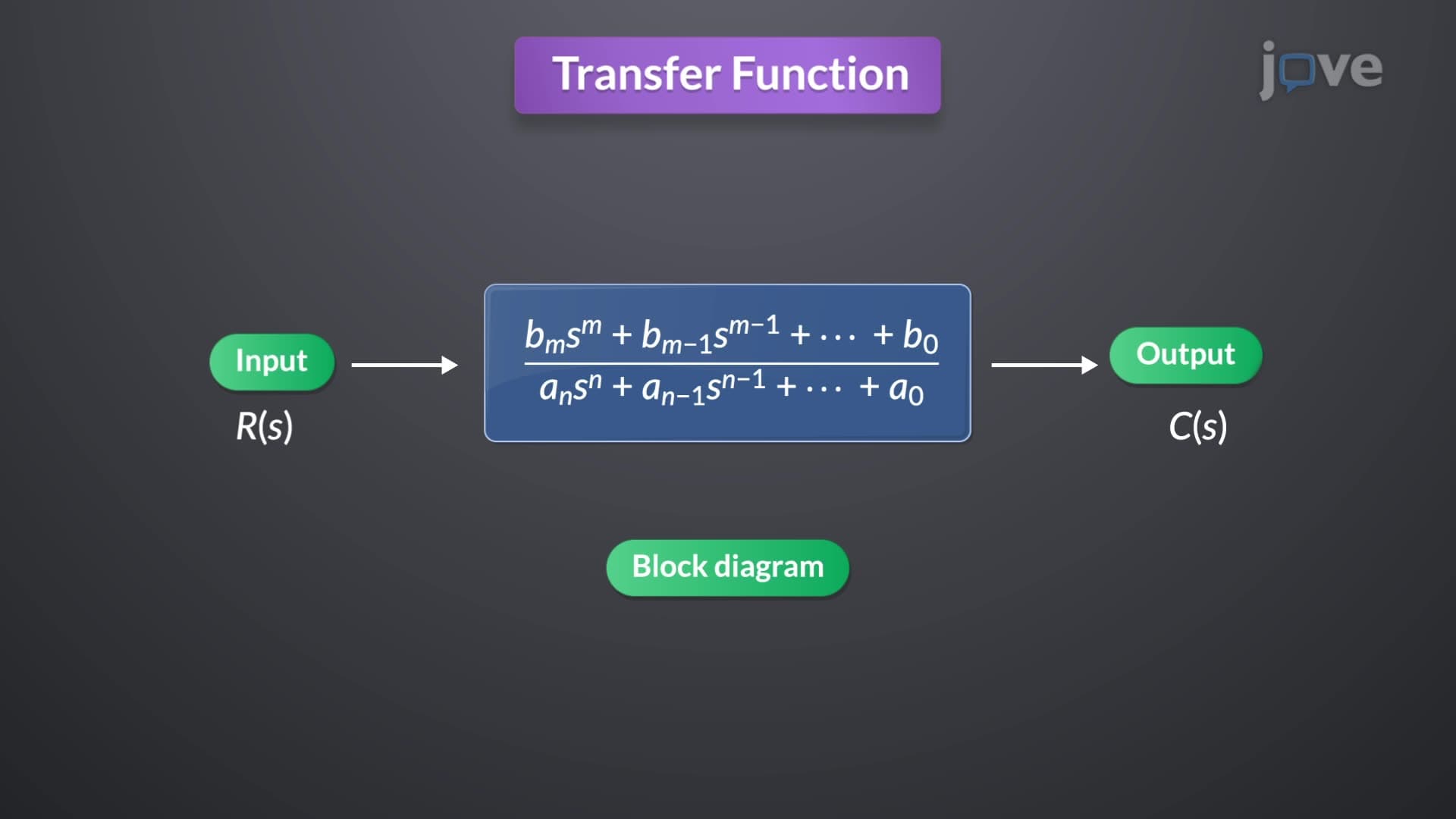
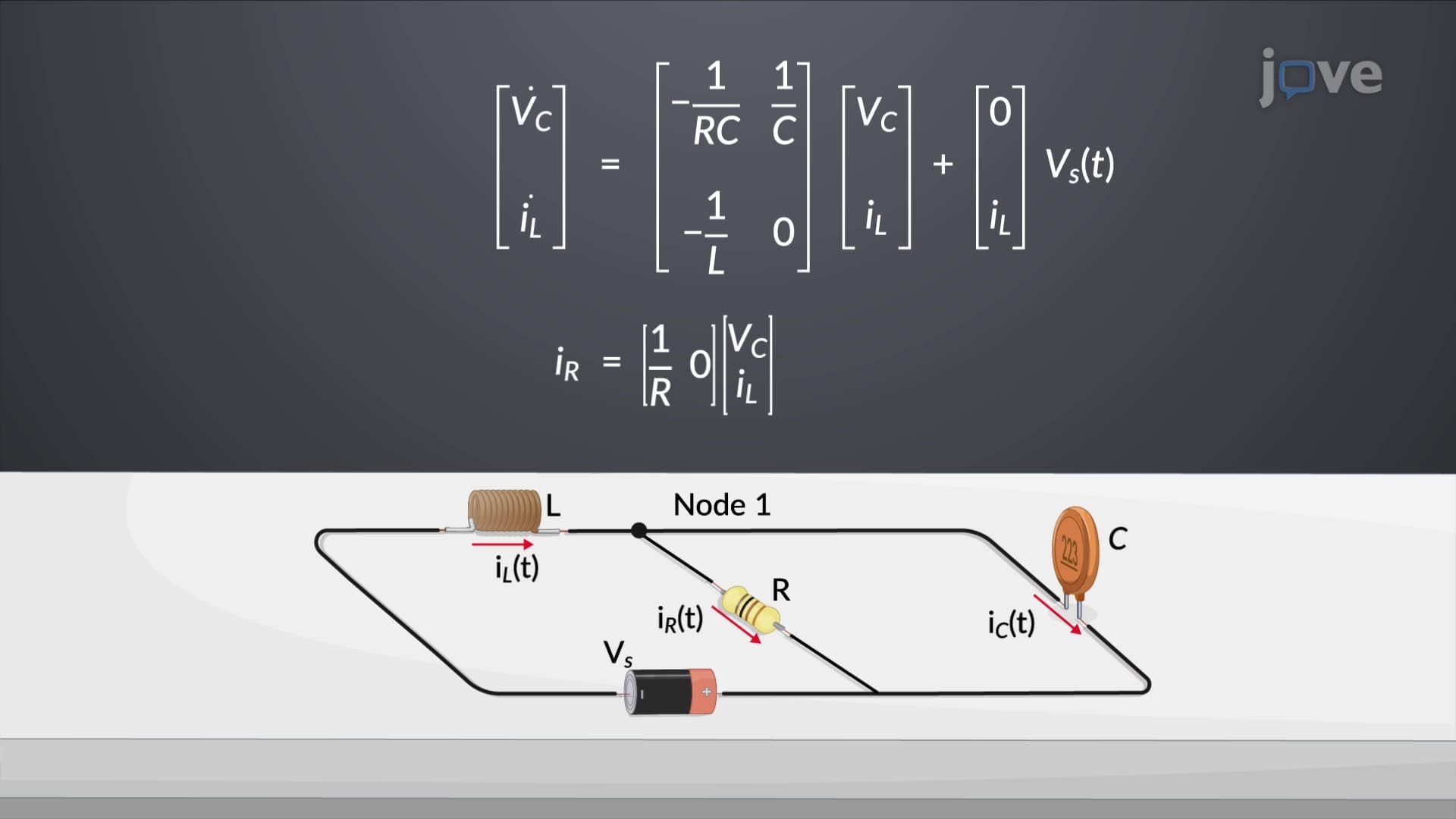
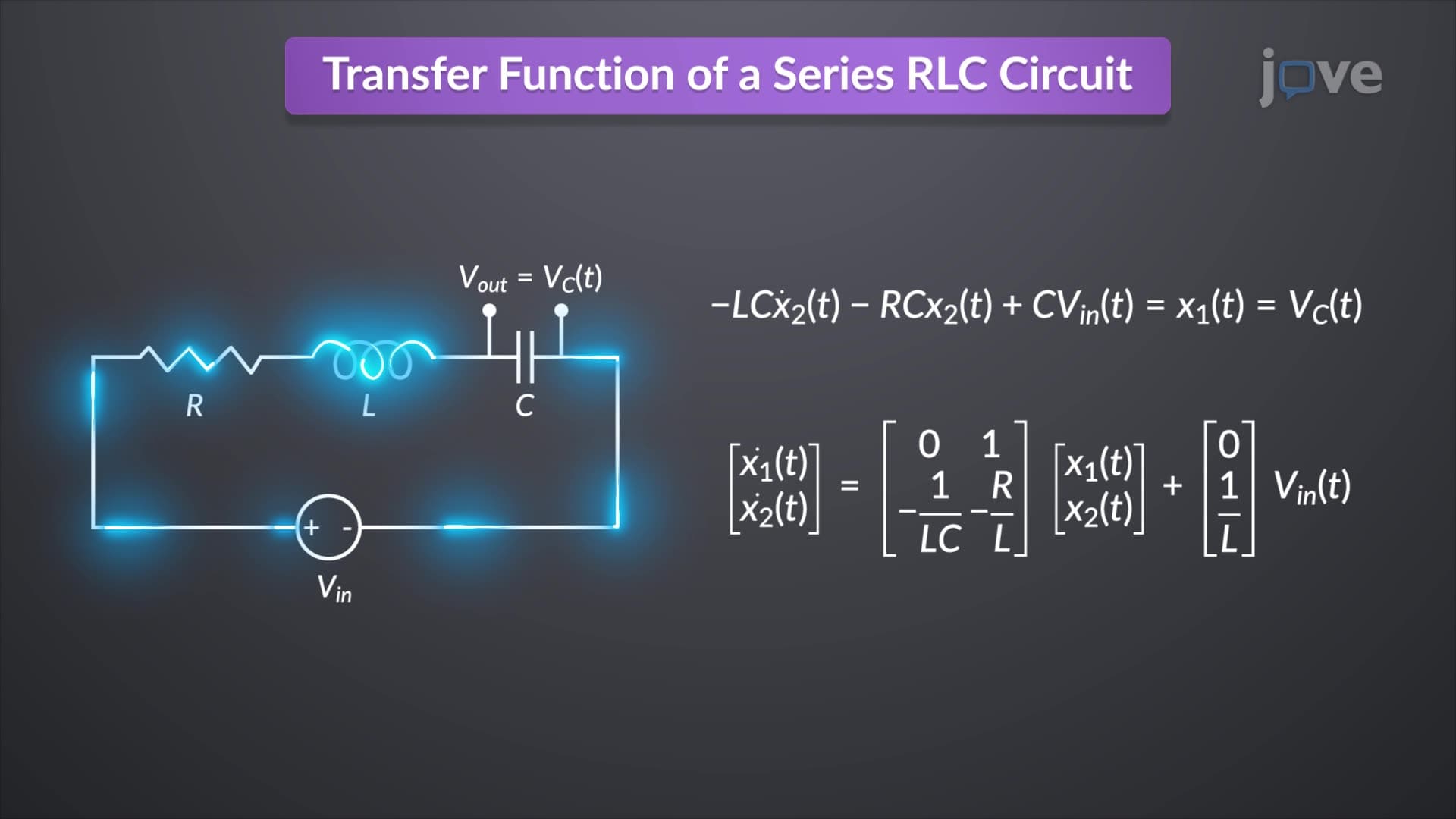
The mathematical foundation of electrical system analysis centers on transfer functions-mathematical relationships that describe how system outputs respond to inputs. When analyzing an RLC circuit using Kirchhoff's voltage law, engineers derive integro-differential equations that, when transformed using Laplace methods, yield manageable algebraic expressions. This process proves essential for designing everything from audio amplifiers to power supply circuits in data centers.
Students preparing for AP Physics or college-level electrical engineering courses encounter these concepts through systematic problem-solving approaches. The impedance concept extends beyond simple resistance, incorporating frequency-dependent behavior crucial for AC circuit analysis-a topic that appears regularly on MCAT physics sections.
Understanding mechanical systems provides valuable context for electrical system applications, particularly in mechatronic systems combining both domains. Modern automotive systems exemplify this integration: electric vehicle powertrains manufactured by companies like General Motors rely on sophisticated electrical controls managing mechanical components. Similarly, renewable energy systems across California's solar farms require electrical systems that interface with mechanical tracking mechanisms.
These principles extend to biomedical applications, where electrical systems monitor and control mechanical heart pumps in cardiac care units at Cleveland Clinic and other leading medical centers. Students pursuing healthcare careers encounter these interdisciplinary concepts in courses preparing them for NCLEX and HESI A2 examinations.
Related Micro-courses