Loading video…


 9 Concepts
 5K views

Video Summary: What are Mechanical Systems
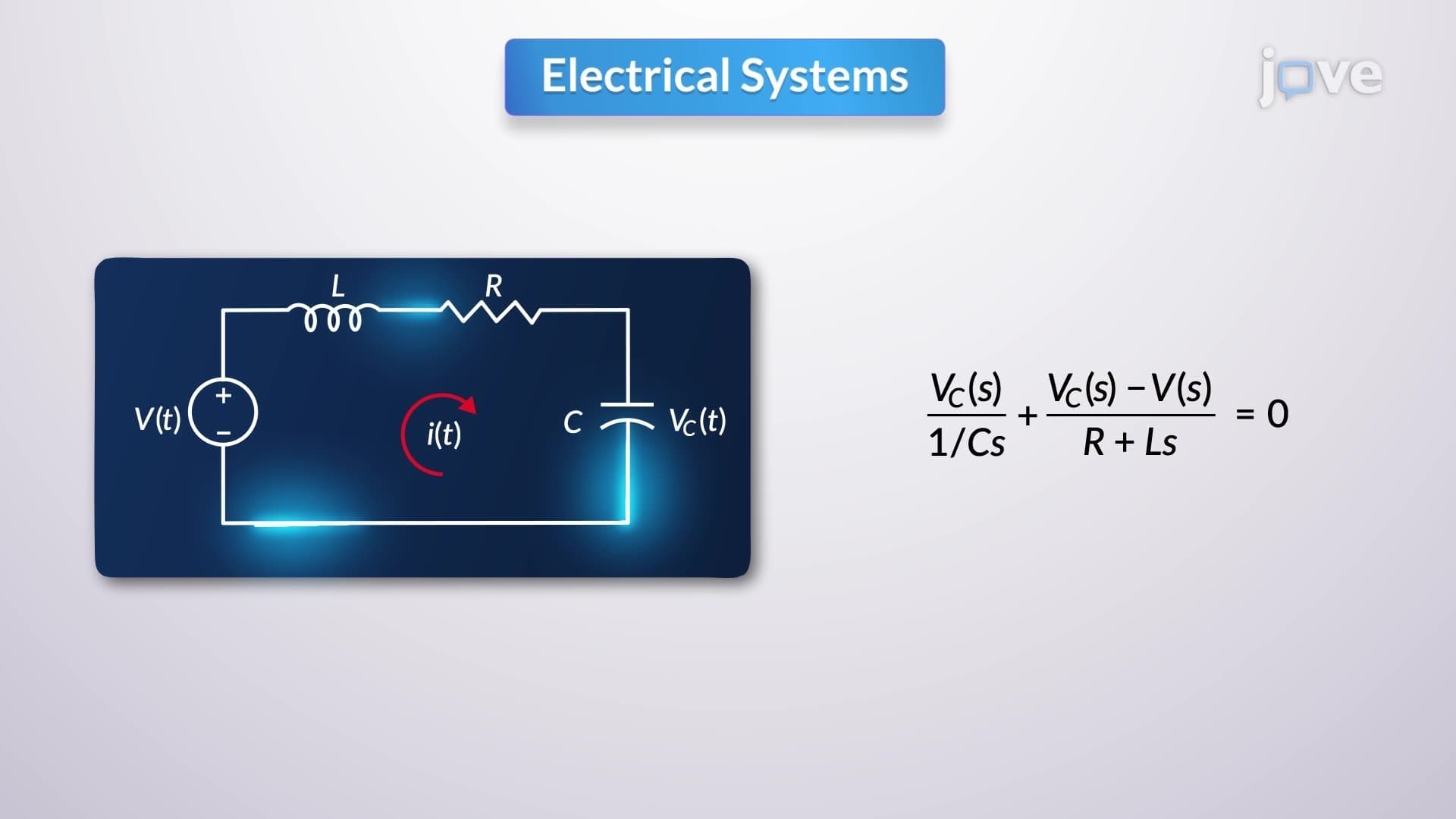
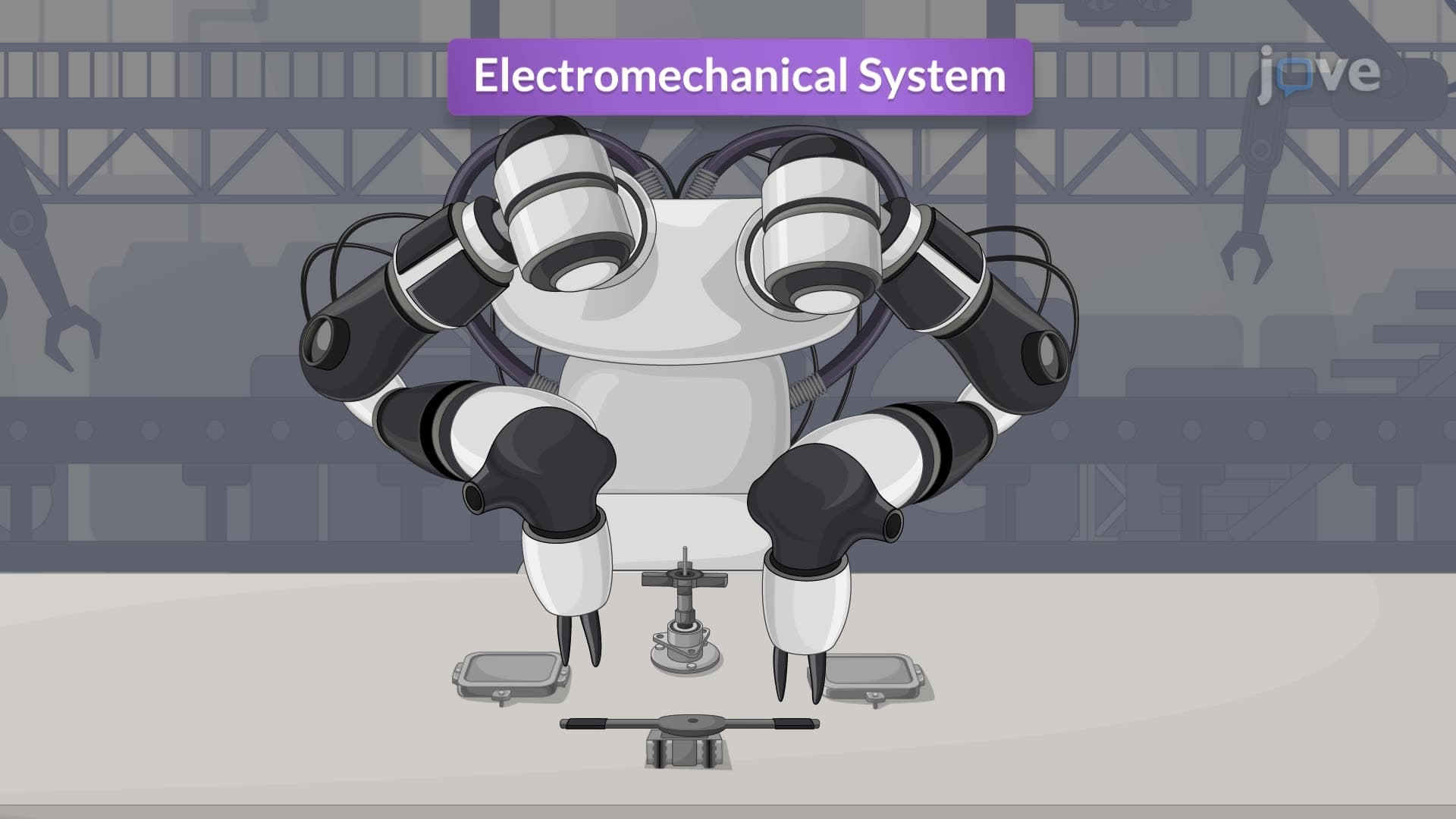
Ever wondered how your smartphone's vibrating motor works alongside its electrical circuits? Electro mechanical systems seamlessly blend electrical and mechanical components, much like how Tesla's Model 3 combines electric power with mechanical transmission systems. What are mechanical systems reveals the fascinating parallels between springs-masses-dampers and electrical inductors-capacitors-resistors, governed by similar mathematical principles. Understanding these analogies helps engineers design everything from automotive suspension systems to robotics at companies like Boston Dynamics. Watch the full video on JoVE Coach to master this concept with expert-led visuals and step-by-step explanations.
What are mechanical systems forms the foundation of engineering dynamics and control theory. These systems consist of interconnected mechanical components that store, transfer, and dissipate energy through physical motion. Unlike purely electrical circuits, mechanical systems involve tangible forces, displacements, and rotations that we can observe in everyday devices from car suspensions to building earthquake dampers.
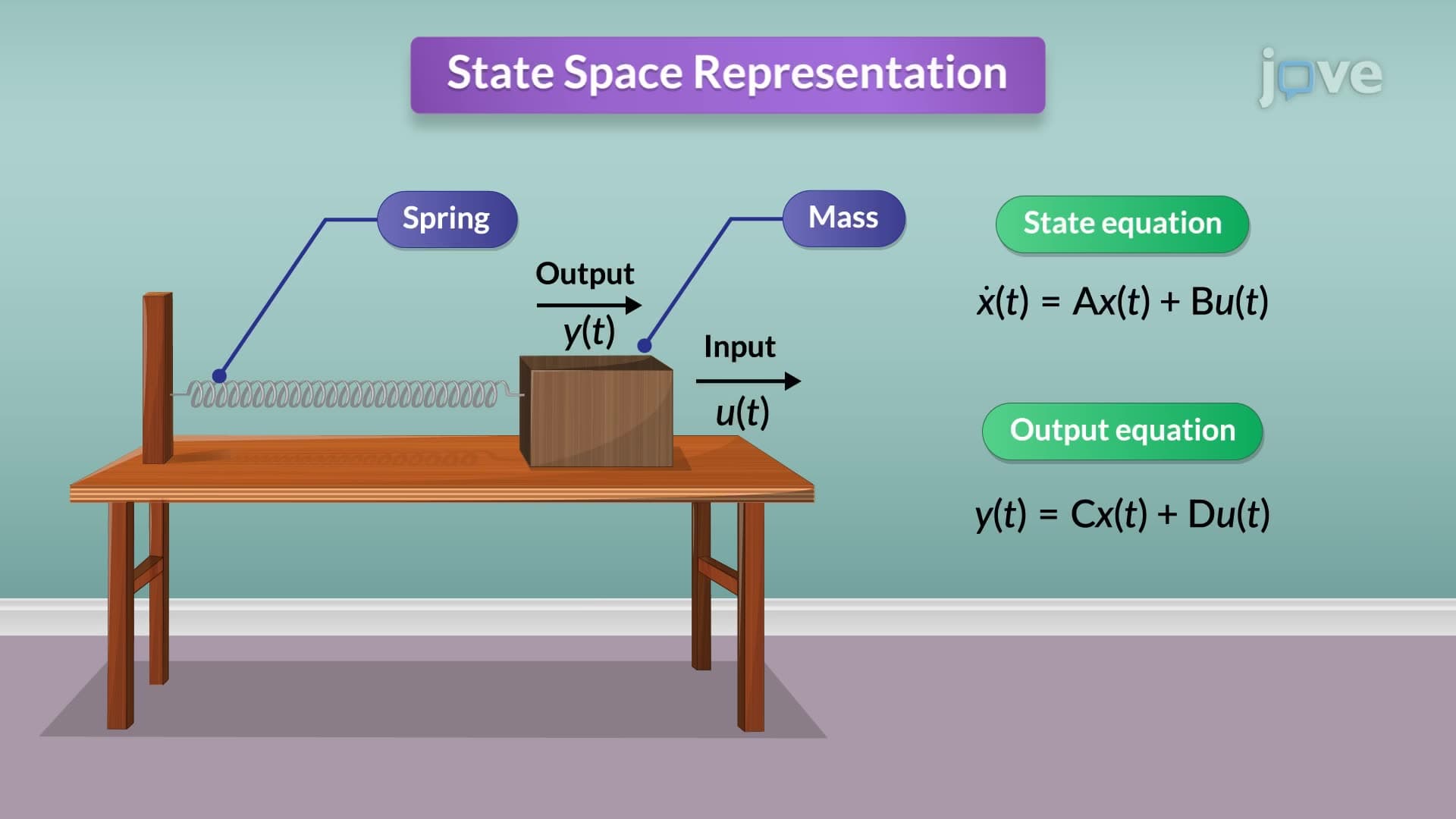
In translational systems, three primary elements define behavior. Springs store potential energy proportionally to displacement, following Hooke's law F = kx, where k represents spring stiffness. Masses store kinetic energy and resist acceleration according to Newton's second law F = ma. Viscous dampers dissipate energy through friction, creating forces proportional to velocity F = cv. These components mirror electrical networks: springs behave like capacitors (energy storage), masses like inductors (opposing change), and dampers like resistors (energy dissipation).
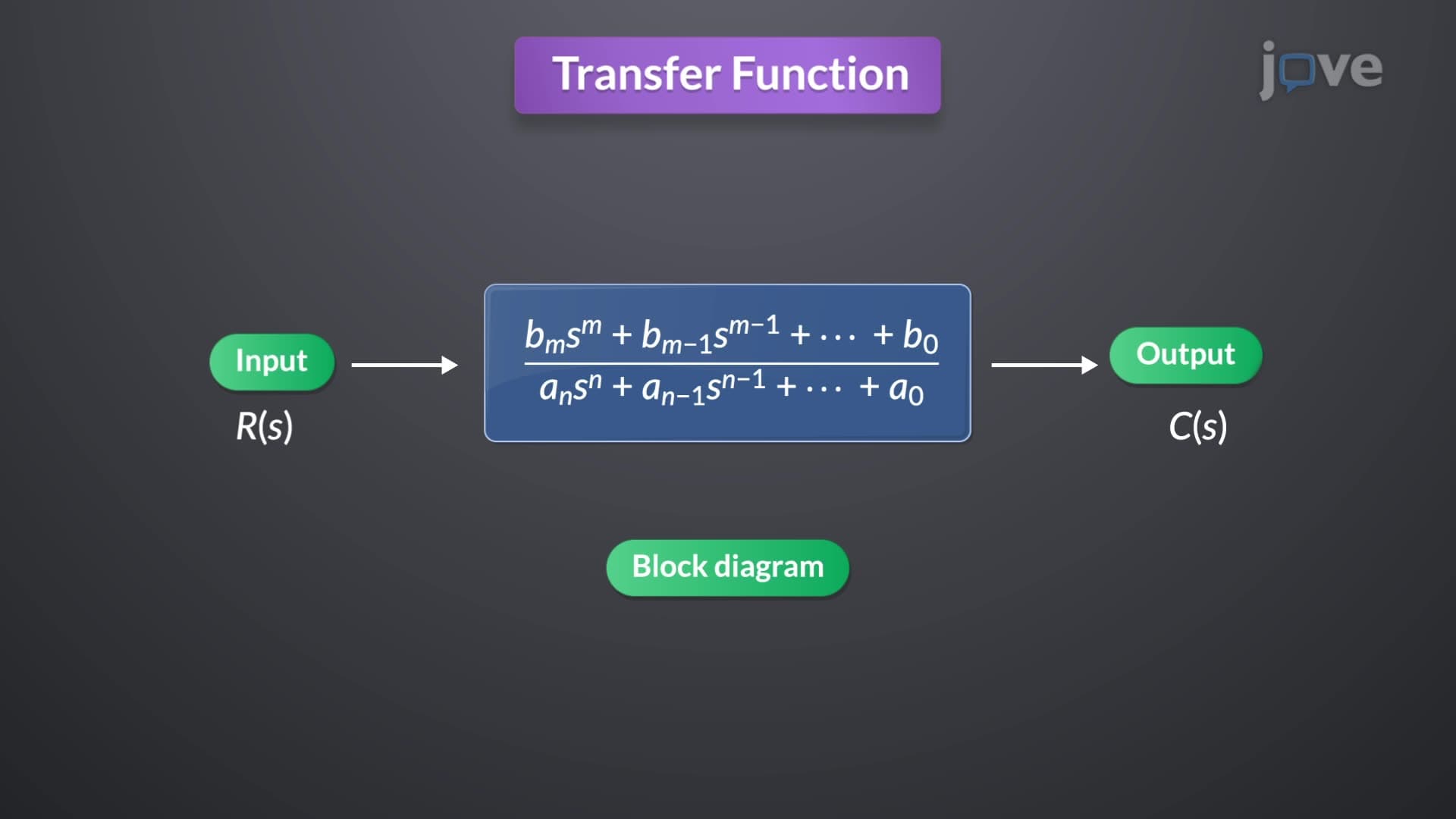
The mathematical foundation emerges from Newton's second law. For a mass experiencing applied force F(t), spring force, damping force, and inertial force: ma + cv + kx = F(t). This second-order differential equation governs system response. Applying Laplace transforms yields the transfer function X(s)/F(s) = 1/(ms² + cs + k), enabling frequency domain analysis crucial for control system design.
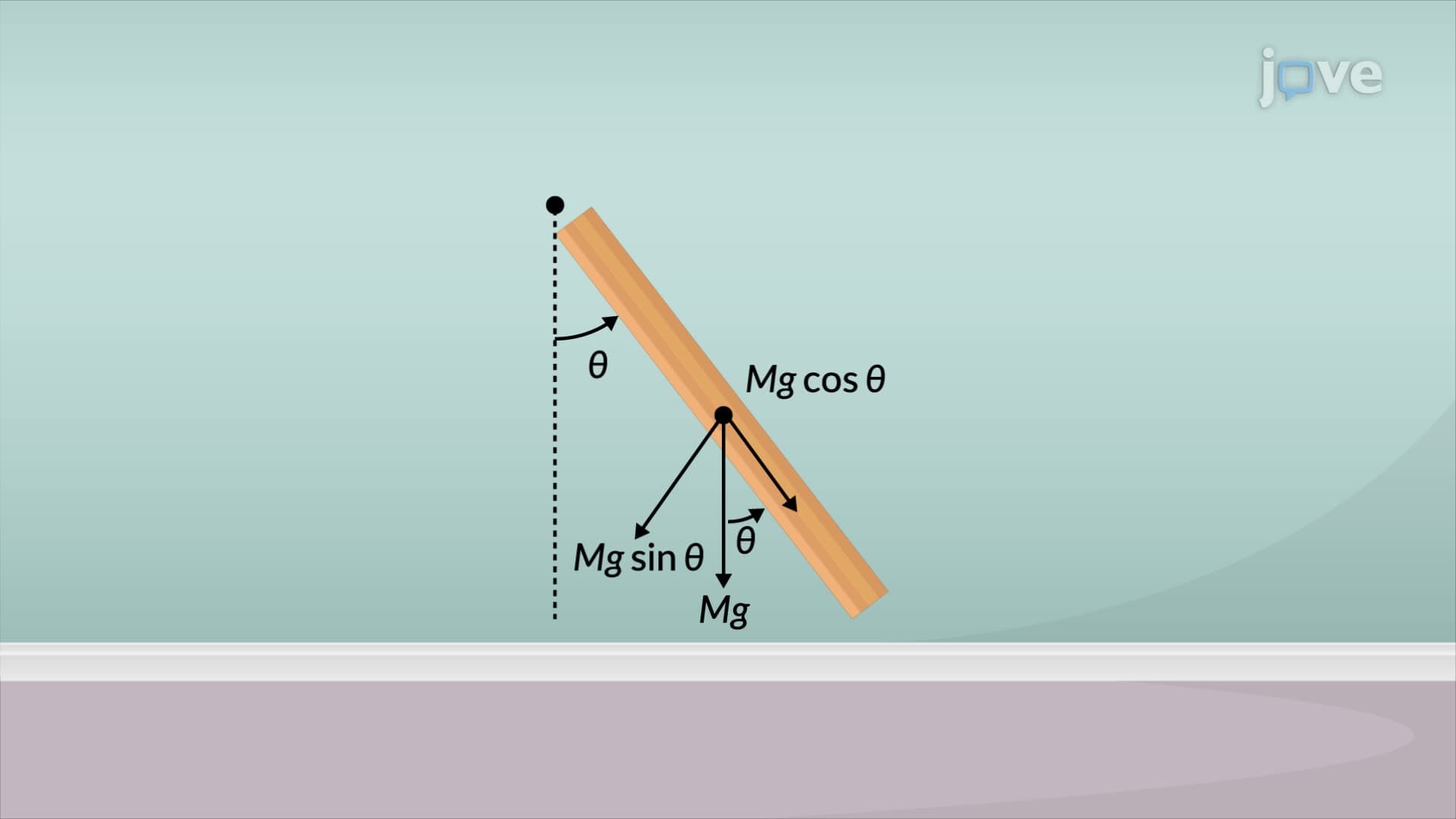
Types of electro mechanical systems include rotational variants where angular motion replaces linear displacement. Here, moments of inertia J replace mass, angular displacement θ replaces position x, and torque τ replaces force. The governing equation becomes Jα + cω + kθ = T(t), where α represents angular acceleration and ω angular velocity.
Real-world applications abound in US industry. General Motors uses these principles designing automotive suspension systems, while SpaceX applies rotational system analysis for rocket gimbal control. Boeing incorporates both translational and rotational mechanical system models in aircraft control surface design.
Students encounter these concepts in AP Physics, SAT Subject Tests, and undergraduate Mechanical Engineering coursework. What are electro mechanical systems overview becomes essential for MCAT physics sections, particularly in passages involving medical devices like MRI machines or robotic surgical systems.
Electro mechanical systems basics appear frequently in college dynamics courses, where students solve vibration problems using characteristic equations. Understanding electro mechanical systems concept proves valuable for internships at companies like Tesla, where mechanical and electrical systems integration defines modern automotive engineering.
Related Micro-courses