Loading video…


 9 Concepts
 5K views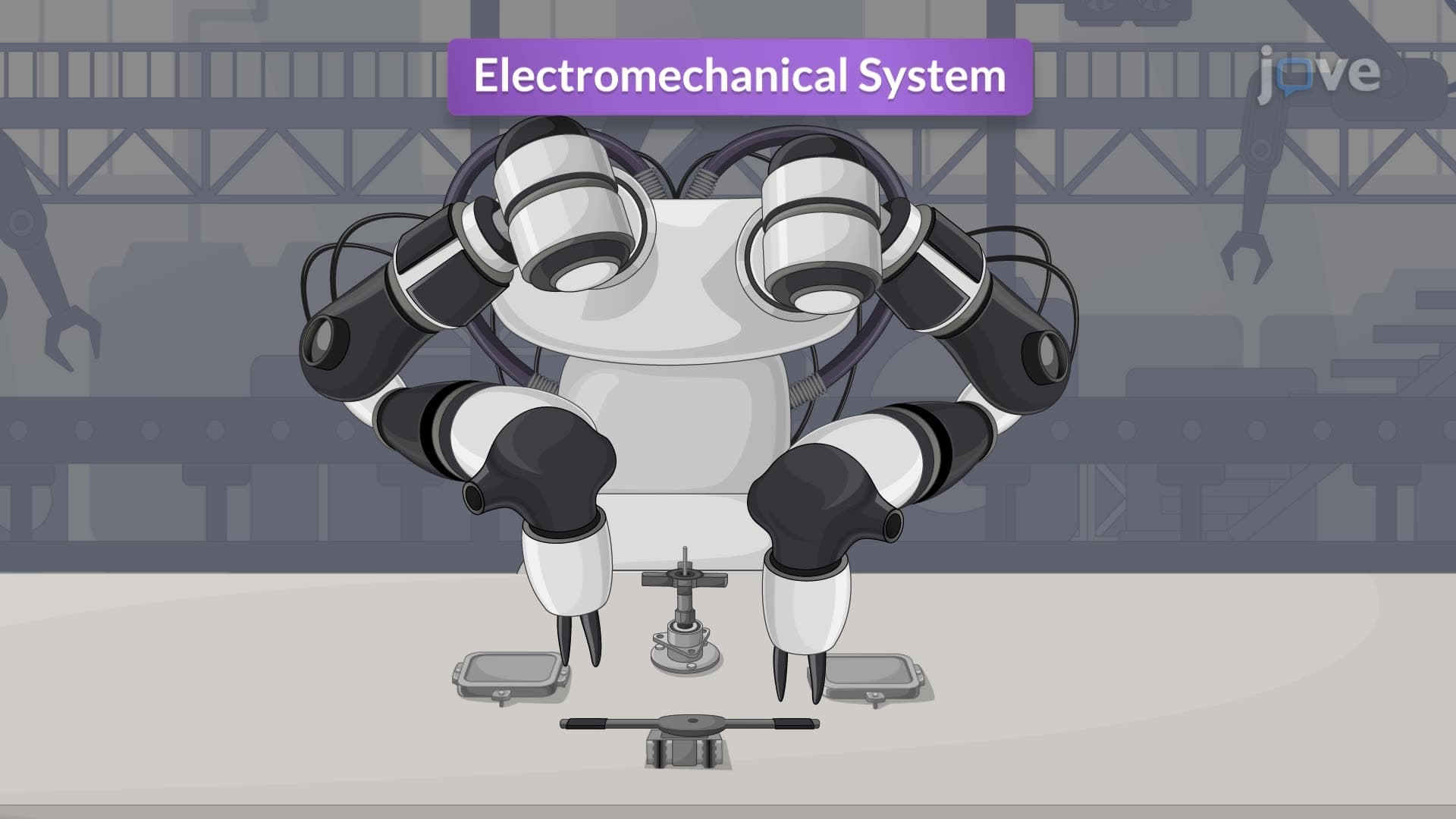

Video Summary: What are Electro Mechanical Systems
Did you know that the Tesla Model S accelerates from 0-60 mph using frequency-domain linear approximation methods to optimize its electric motor control? What are Electro Mechanical Systems becomes clear when examining DC motors in electric vehicles, where electrical voltage transforms into mechanical rotation through precise engineering calculations. Ford's assembly line robots demonstrate this seamless integration of electrical and mechanical components daily. Watch the full video on JoVE Coach to master this concept with expert-led visuals and step-by-step explanations.
What are Electro Mechanical Systems represent the cornerstone of modern engineering, seamlessly bridging the gap between electrical energy and mechanical motion. These sophisticated systems form the backbone of countless applications, from the precision robotics in Boeing's aircraft assembly lines to the advanced driver assistance systems in General Motors vehicles. At their core, electromechanical systems demonstrate how electrical inputs can be precisely converted into controlled mechanical outputs through carefully engineered components.
The DC motor serves as an exemplary model for understanding electromechanical principles. When analyzing these systems using frequency-domain linear approximation methods, engineers examine how current flowing through the armature circuit interacts with magnetic fields to generate torque. The fundamental relationship T = K × I (where T represents torque, K is the motor constant, and I is armature current) demonstrates the direct proportionality between electrical input and mechanical output.
Students preparing for AP Physics C or college-level control systems courses frequently encounter problems involving back EMF calculations. The back electromotive force, proportional to motor speed, creates a self-regulating mechanism that's crucial for understanding motor behavior. This concept appears regularly on engineering entrance exams and is fundamental to courses like MIT's 6.01 Introduction to EECS.
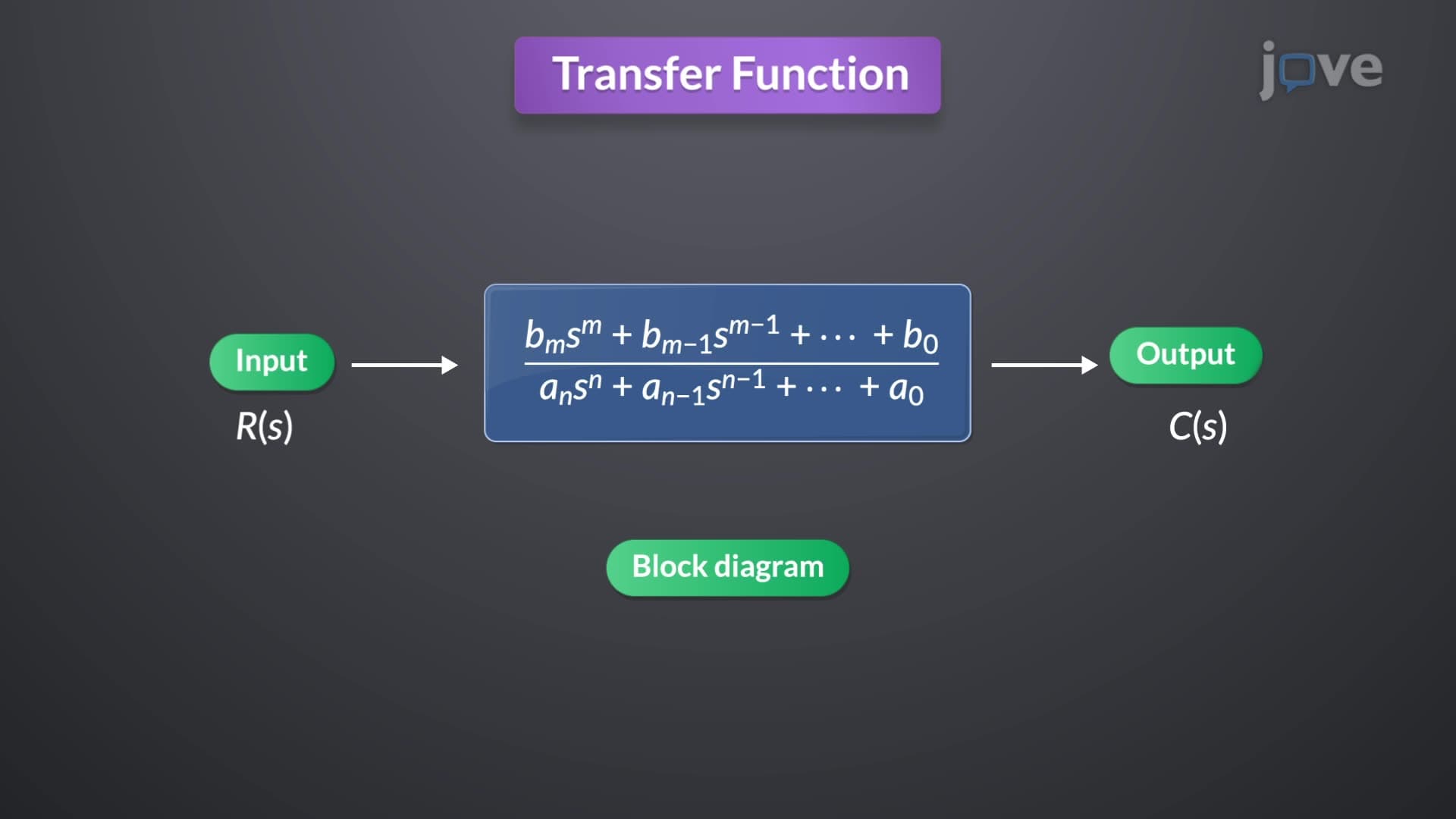
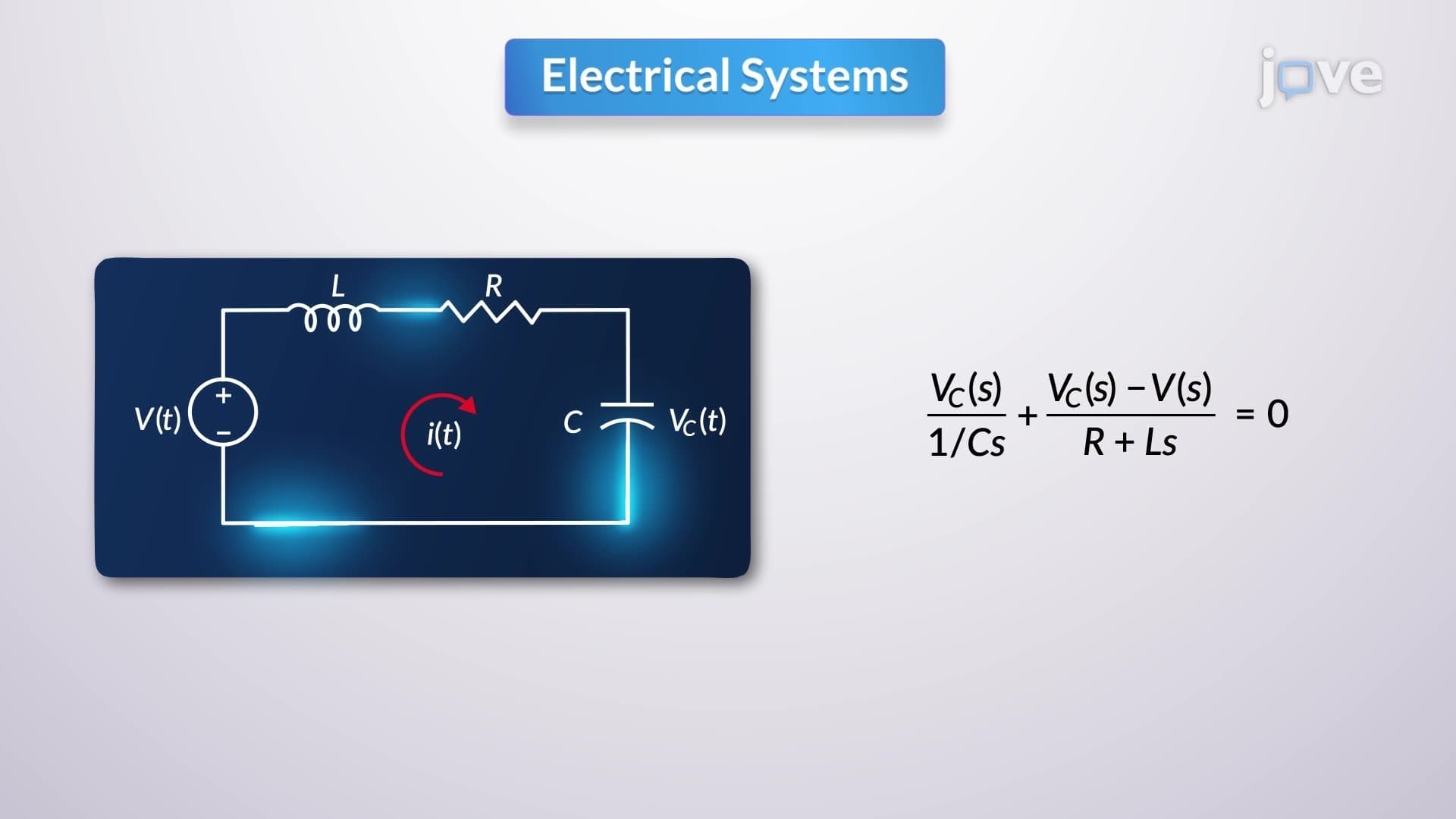
Frequency-domain linear approximation methods explained through transfer function analysis provide engineers with powerful tools for predicting system behavior. By applying Laplace transforms to the armature circuit equations, we obtain mathematical models that relate input voltage to output angular position. The simplification process, where armature inductance is assumed negligible compared to resistance, represents a common engineering approximation that students encounter in university-level control systems courses.
Major US manufacturers like Caterpillar rely on these principles for designing hydraulic-electric hybrid systems in construction equipment. The aerospace industry, including companies like Lockheed Martin, utilizes sophisticated electromechanical actuators for flight control surfaces. Understanding how to understand frequency-domain linear approximation methods becomes essential for students pursuing careers in robotics, automotive engineering, or industrial automation.
Students studying for the Fundamentals of Engineering (FE) exam will find these concepts particularly relevant in the electrical and computer engineering sections. The integration of electrical and mechanical systems knowledge proves invaluable for solving complex, multi-disciplinary engineering problems that appear on professional licensing examinations.
Related Micro-courses