13 Concepts
11 Concepts
9 Concepts
8 Concepts
13 Concepts
16 Concepts
9 Concepts
11 Concepts
15 Concepts
11 Concepts
14 Concepts
20 Concepts
11 Concepts
7 Concepts
5 Concepts
7 Concepts
10 Concepts
7 Concepts
7 Concepts
5 Concepts
9 Concepts
7 Concepts
7 Concepts
7 Concepts
10 Concepts
4 Concepts
7 Concepts
6 Concepts
8 Concepts
9 Concepts
7 Concepts
5 Concepts
5 Concepts
Power distributions form the backbone of electrical power delivery systems in the United States, encompassing everything from utility-scale transmission networks to residential service connections. This comprehensive course covers distribution system design principles, voltage regulation methods, and reliability standards used by American utilities. Through detailed analysis of radial loop distribution configurations and substation operations, students will master the fundamentals of electrical power distribution systems. Learn with JoVE Coach's expert-guided instruction.
1. Electric Power System Architecture: The complete power delivery chain begins with power plants converting energy sources into three-phase electrical power. Step-up transformers increase voltage levels for efficient long-distance transmission, while the transmission network delivers power through high-voltage lines and substations. Sub-transmission systems use step-down transformers to reduce voltages for regional distribution. Distribution substations further lower voltages to primary distribution levels, typically 4-35 kV, serving local communities. This hierarchical voltage structure, commonly used by utilities like ConEd in New York, minimizes power losses and ensures efficient energy delivery across vast distances.
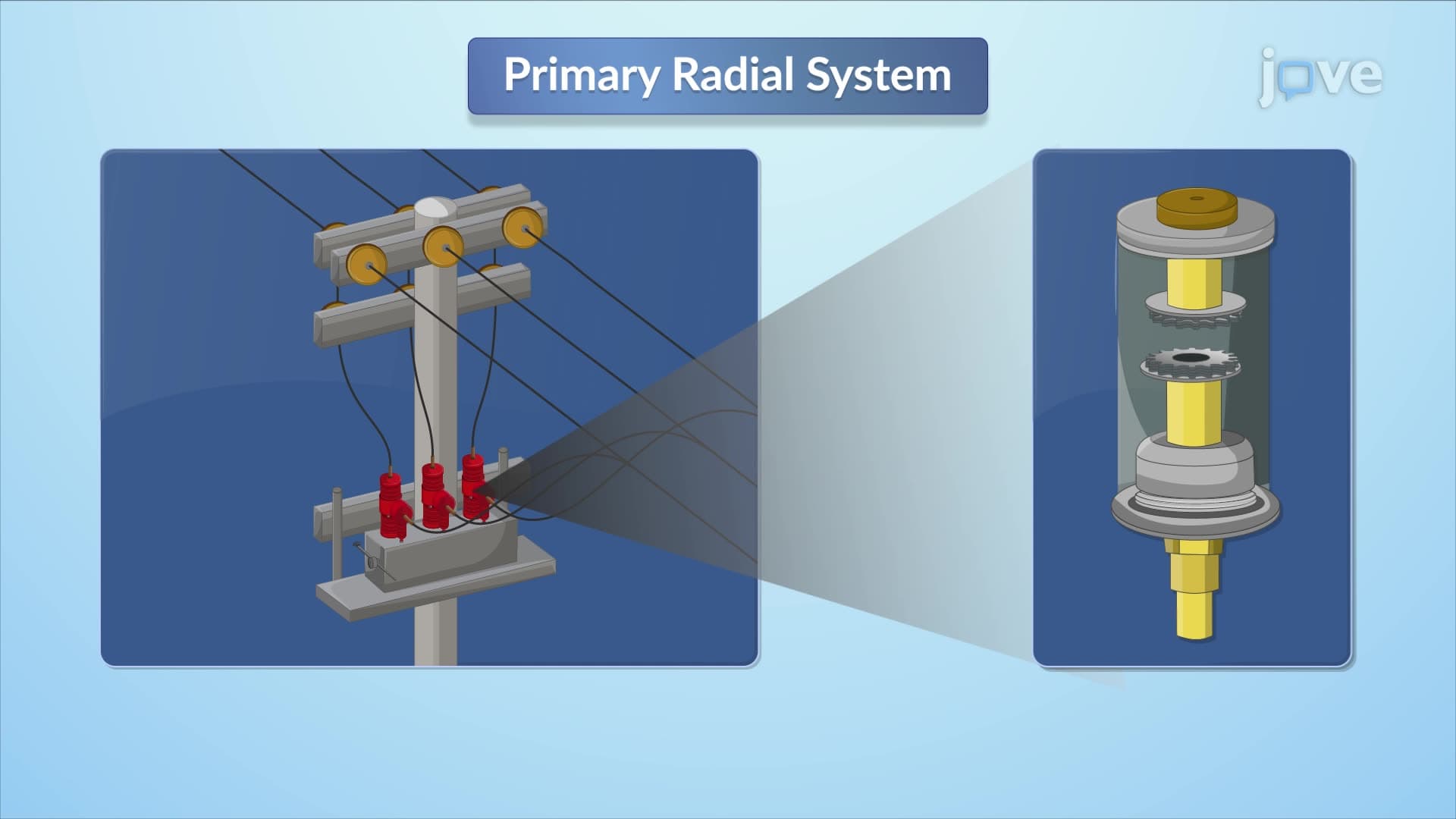
2. Primary Distribution System Configurations: Primary distribution systems utilize three main designs depending on load requirements and reliability needs. Radial systems feature individual feeders extending from substations, commonly used in suburban areas of states like Texas and California. Loop systems provide enhanced reliability by creating circular paths that can supply power from multiple directions, essential for commercial districts. Network systems employ interconnected feeders from multiple substations, typically found in dense urban areas like Manhattan. Each configuration incorporates protective devices including reclosers, sectionalizing fuses, and automatic switches to isolate faults and maintain service continuity.
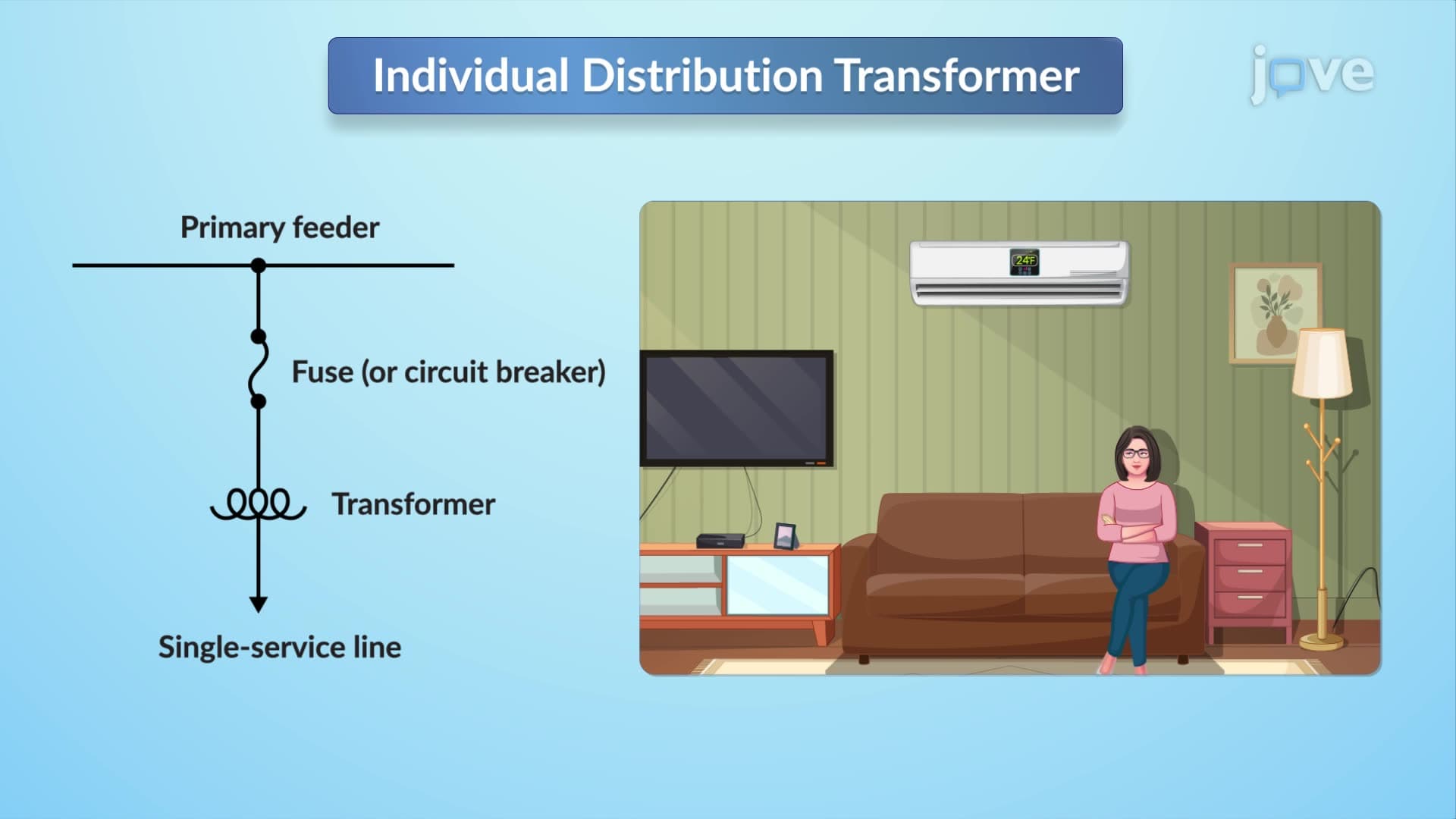
3. Secondary Distribution and Customer Service: Secondary distribution operates at utilization voltages, delivering power directly to customers through various system types. Individual transformer service supplies single large customers like factories or hospitals with dedicated equipment. Common secondary main systems connect multiple customers through shared distribution transformers, efficiently serving residential neighborhoods. Secondary networks provide exceptional reliability for high-density areas using multiple primary feeders and network transformers. Spot networks serve individual large buildings like skyscrapers or shopping centers, incorporating network protectors that automatically disconnect during faults to prevent service interruptions to other customers.
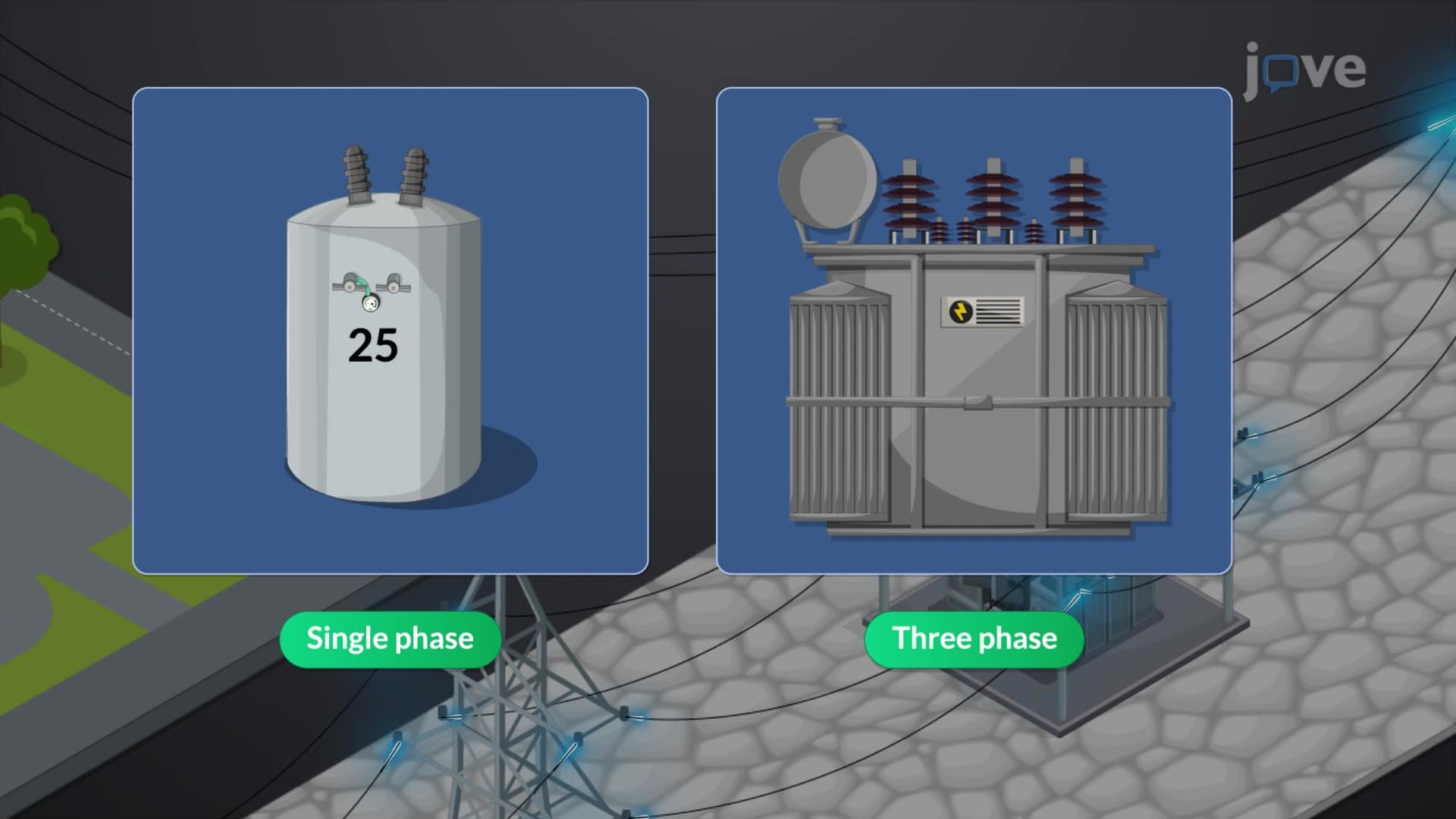
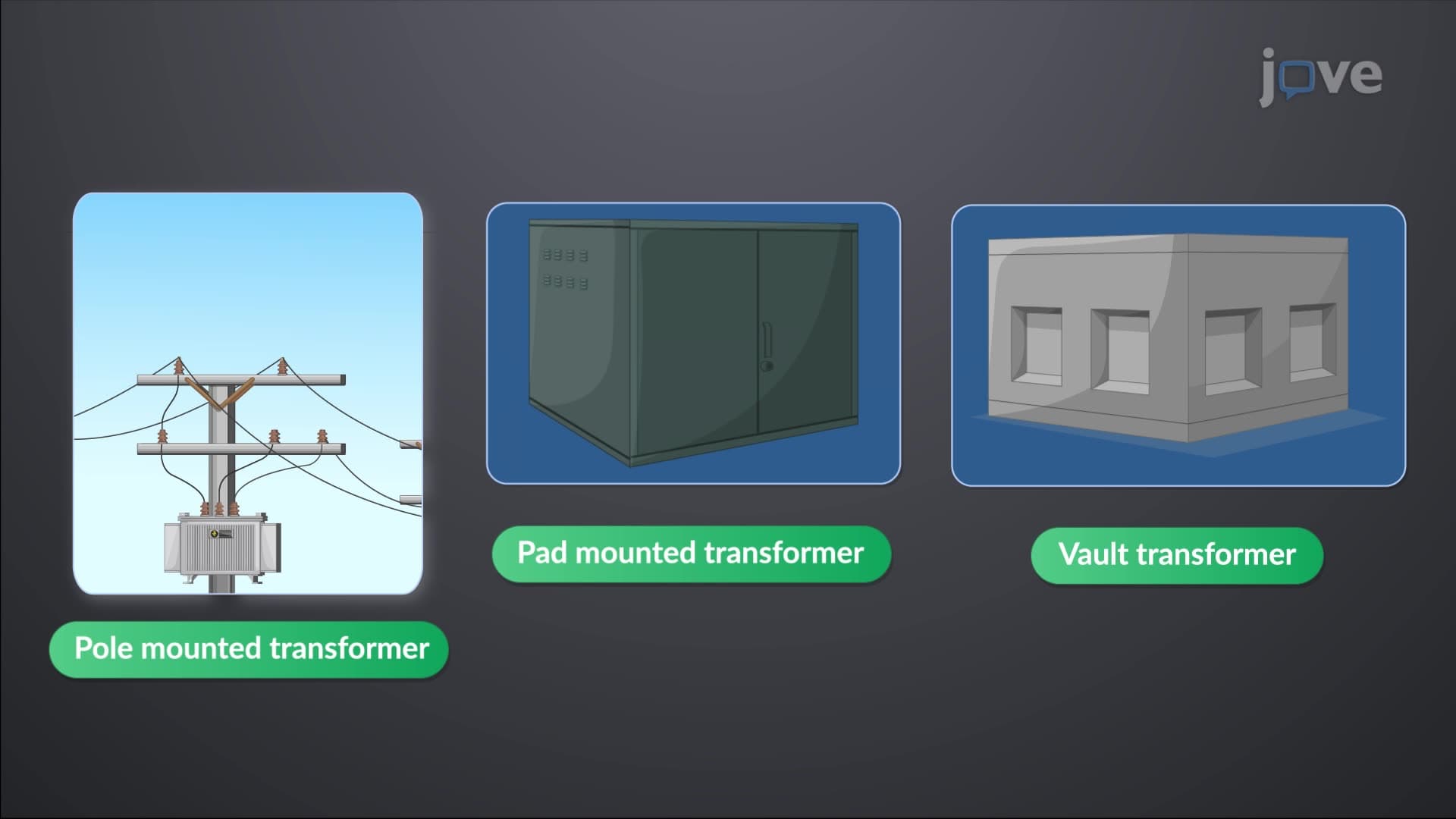
4. Distribution Transformer Applications: Distribution transformers serve as the critical interface between primary and secondary systems, with ratings typically ranging from 10 to 500 kVA. Substation transformers, rated in MVA, use mineral oil cooling and often include load tap changers for automatic voltage regulation. Pole-mounted transformers serve overhead distribution systems in residential areas. Padmount transformers provide underground service to commercial developments and newer residential subdivisions. Network transformers, installed in underground vaults, supply high-density urban areas. These transformers can temporarily handle overloads due to their thermal characteristics, making them suitable for varying load conditions common in American utility systems.
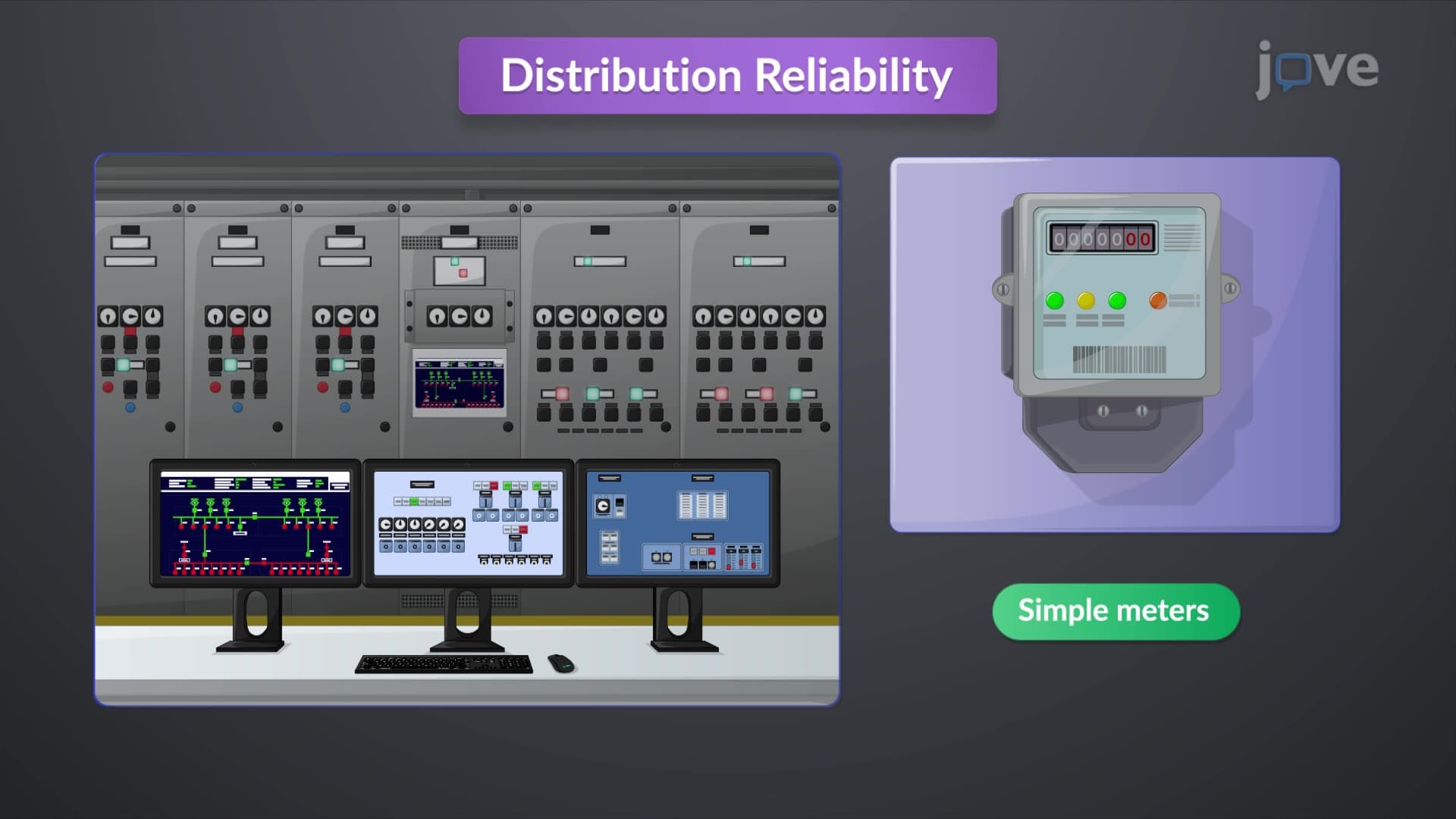
5. Distribution System Reliability and Automation: Modern utilities target 99.9772% service availability, equivalent to maximum two-hour annual outages per customer. Reliability metrics include SAIFI (System Average Interruption Frequency Index), measuring average customer interruptions, SAIDI (System Average Interruption Duration Index), calculating total outage time, and CAIDI (Customer Average Interruption Duration Index), determining average restoration time. Distribution automation enables remote control of sectionalizers, voltage regulators, and capacitor banks. Advanced monitoring systems provide real-time data to control centers, allowing utilities like Southern Company to quickly identify and isolate faults, significantly reducing customer interruption duration and improving overall system reliability.