13 Concepts
11 Concepts
9 Concepts
8 Concepts
13 Concepts
16 Concepts
9 Concepts
11 Concepts
15 Concepts
11 Concepts
14 Concepts
20 Concepts
11 Concepts
7 Concepts
5 Concepts
7 Concepts
10 Concepts
7 Concepts
7 Concepts
5 Concepts
9 Concepts
7 Concepts
7 Concepts
7 Concepts
10 Concepts
4 Concepts
7 Concepts
6 Concepts
8 Concepts
9 Concepts
7 Concepts
5 Concepts
5 Concepts
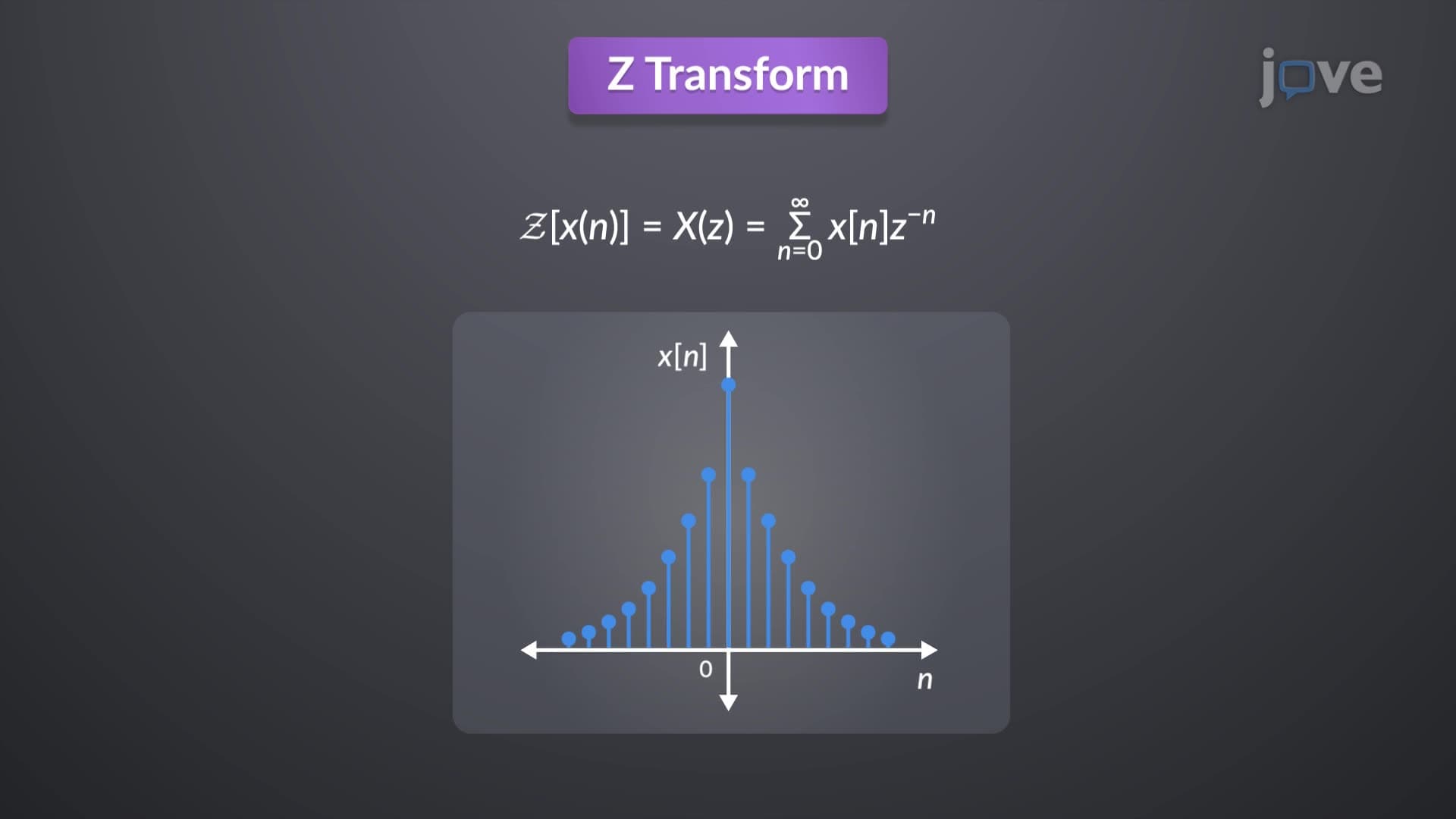
The z-transform is a powerful mathematical tool for analyzing Z-transform discrete systems, converting discrete-time signals into the z-domain for easier manipulation. This fundamental technique in digital signal processing transforms difference equations into algebraic equations, enabling engineers and students to solve complex problems in control systems, communications, and signal processing applications used throughout US industries. JoVE Coach provides comprehensive coverage of this essential engineering concept.
1. Z-Transform Fundamentals and Definition The z-transform converts discrete-time signals into the complex z-domain, serving as the discrete equivalent of the Laplace transform. This transformation expresses signals as infinite series involving powers of z⁻¹, where each term corresponds to a specific sampling instant. Unlike continuous transforms, the z-transform specifically handles sampled data systems common in digital computers, smartphones, and embedded systems used throughout American manufacturing and technology sectors.
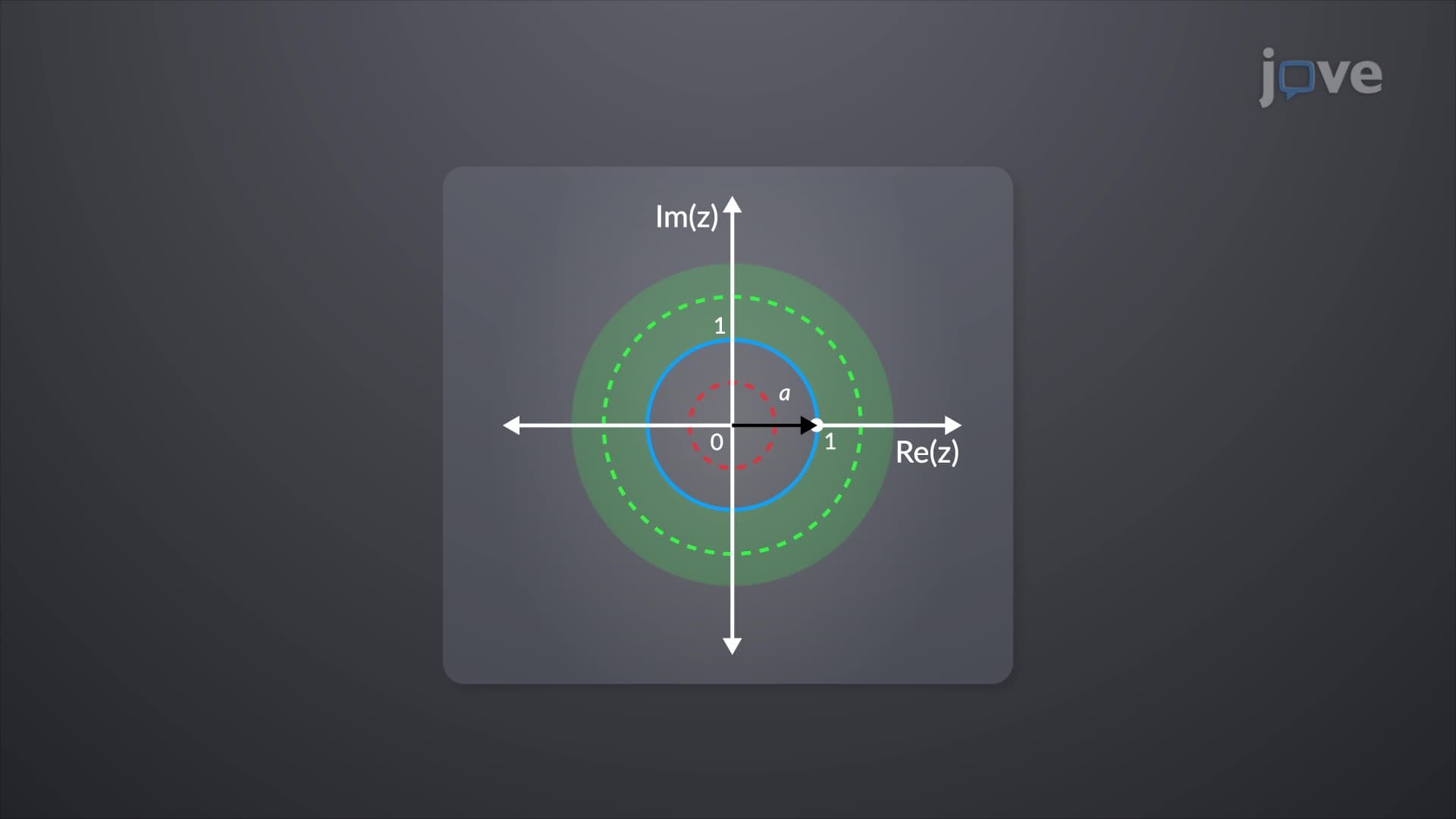
2. Region of Convergence (ROC) Analysis The ROC defines where the z-transform converges in the complex plane, directly impacting system stability and behavior. ROC patterns include regions inside circles, outside circles, or within annular regions. When the ROC includes the unit circle, systems remain stable-critical for applications like automotive control systems and aerospace guidance systems used by US companies like Boeing and General Motors. Understanding ROC enables engineers to predict system performance before implementation.
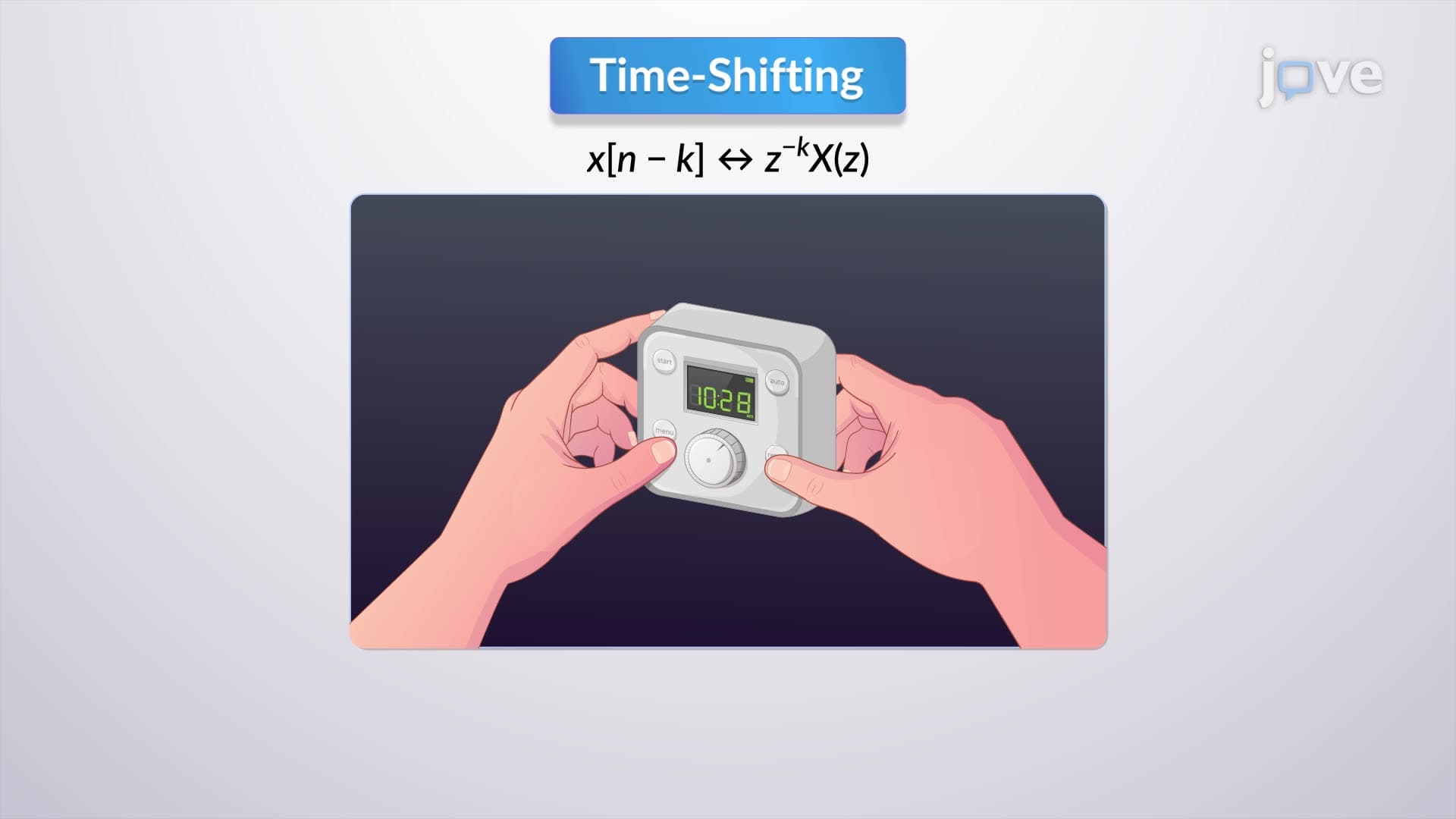
3. Essential Z-Transform Properties Key properties include linearity (linear combinations preserve z-transform relationships), time-shifting (delays multiply transforms by z⁻¹), and frequency scaling (exponential multiplication scales the z-domain). These properties simplify complex signal analysis in applications ranging from audio processing in American music production to radar systems used by the US military. Mastering these properties enables efficient problem-solving in digital filter design and system identification.
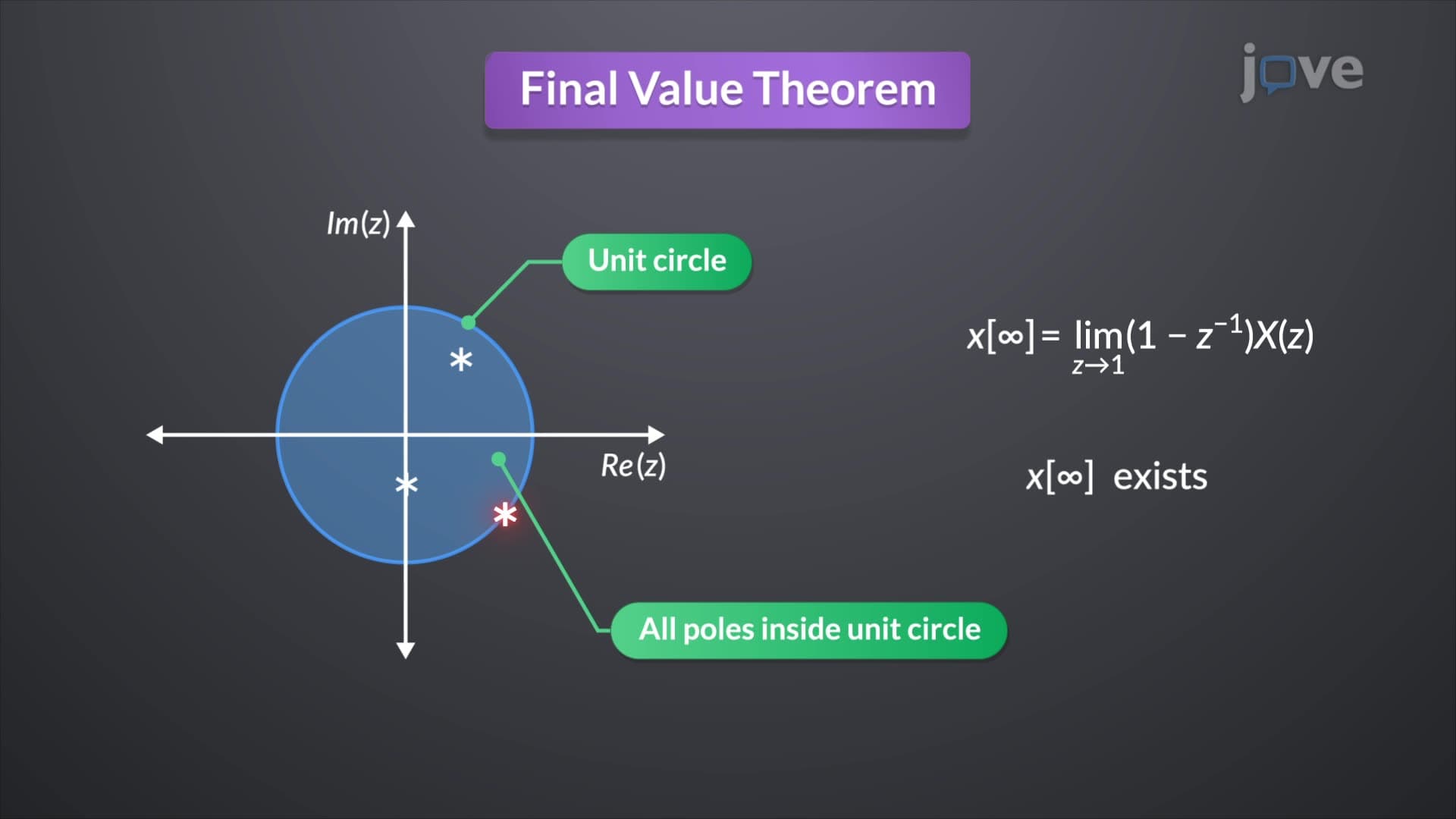
4. Advanced Properties and Theorems The convolution property transforms time-domain convolution into z-domain multiplication, essential for filter design in telecommunications. Initial and final value theorems predict signal behavior without computing complete inverse transforms. These advanced concepts prove invaluable in designing digital controllers for industrial automation systems used in American manufacturing plants, where rapid system response analysis determines production efficiency and safety.
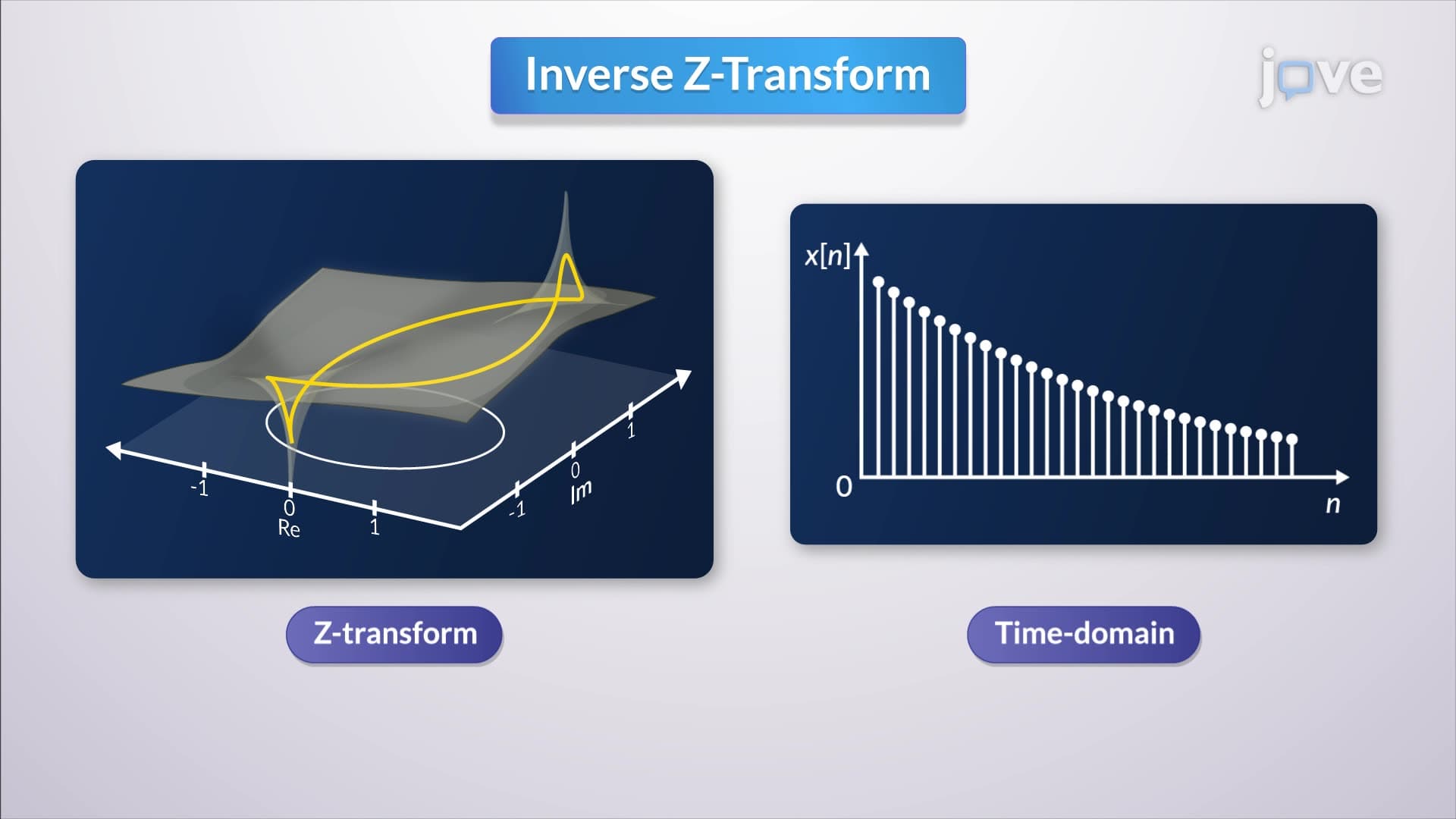
5. Inverse Z-Transform Techniques Partial fraction expansion decomposes complex z-domain expressions into simpler terms with known inverse transforms. This method converts rational functions back to time-domain sequences, enabling engineers to predict system outputs. Applications include designing digital filters for medical devices manufactured by US companies like Medtronic, where precise signal reconstruction ensures accurate patient monitoring and treatment delivery.
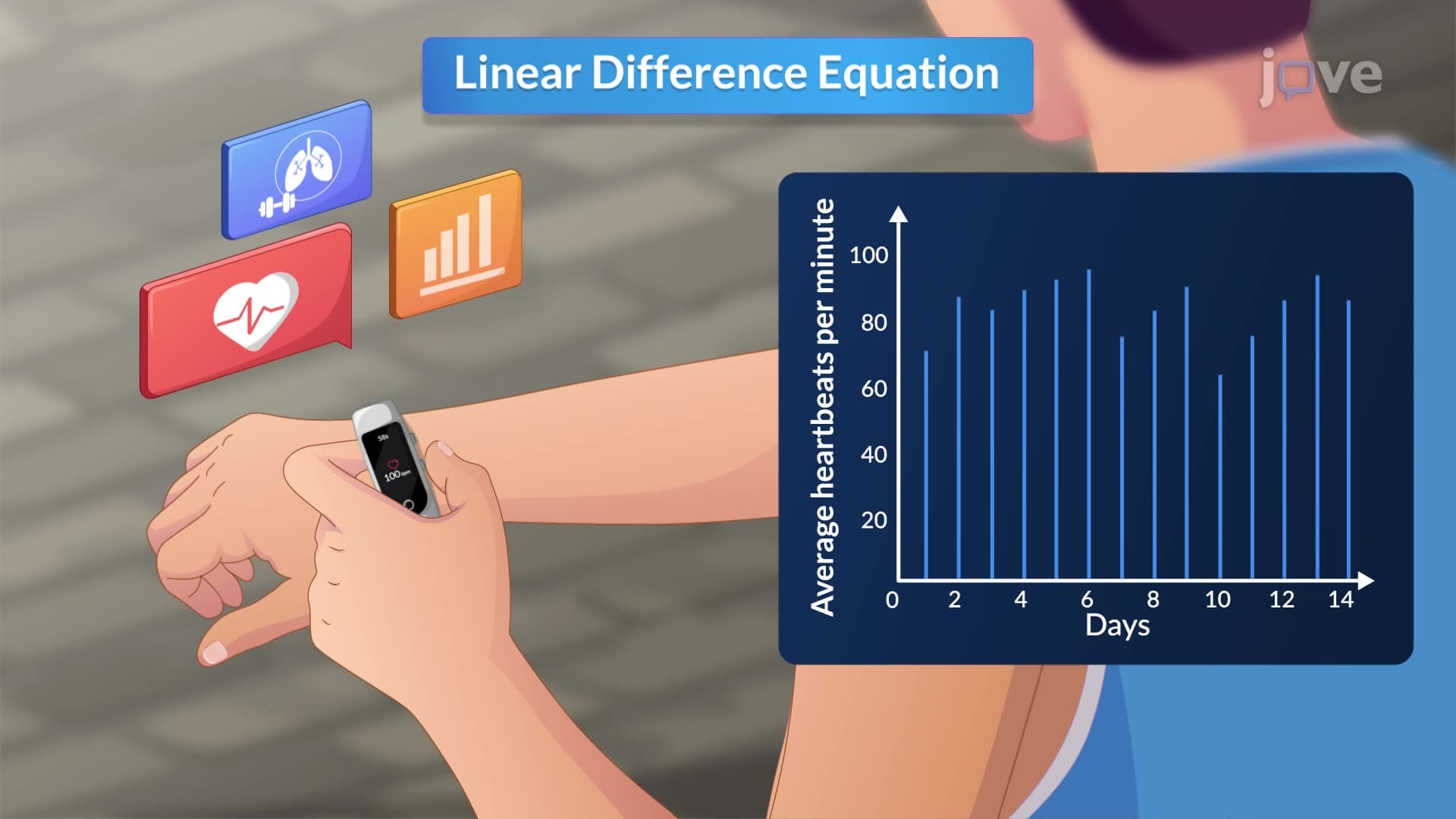
6. Difference Equation Solutions Linear difference equations represent most practical discrete-time systems, and z-transforms convert these into algebraic equations. This transformation method handles initial conditions systematically, providing complete solutions for system responses. US aerospace engineers apply these techniques in satellite communication systems and GPS technology, where difference equations model signal propagation delays and system dynamics critical for navigation accuracy.
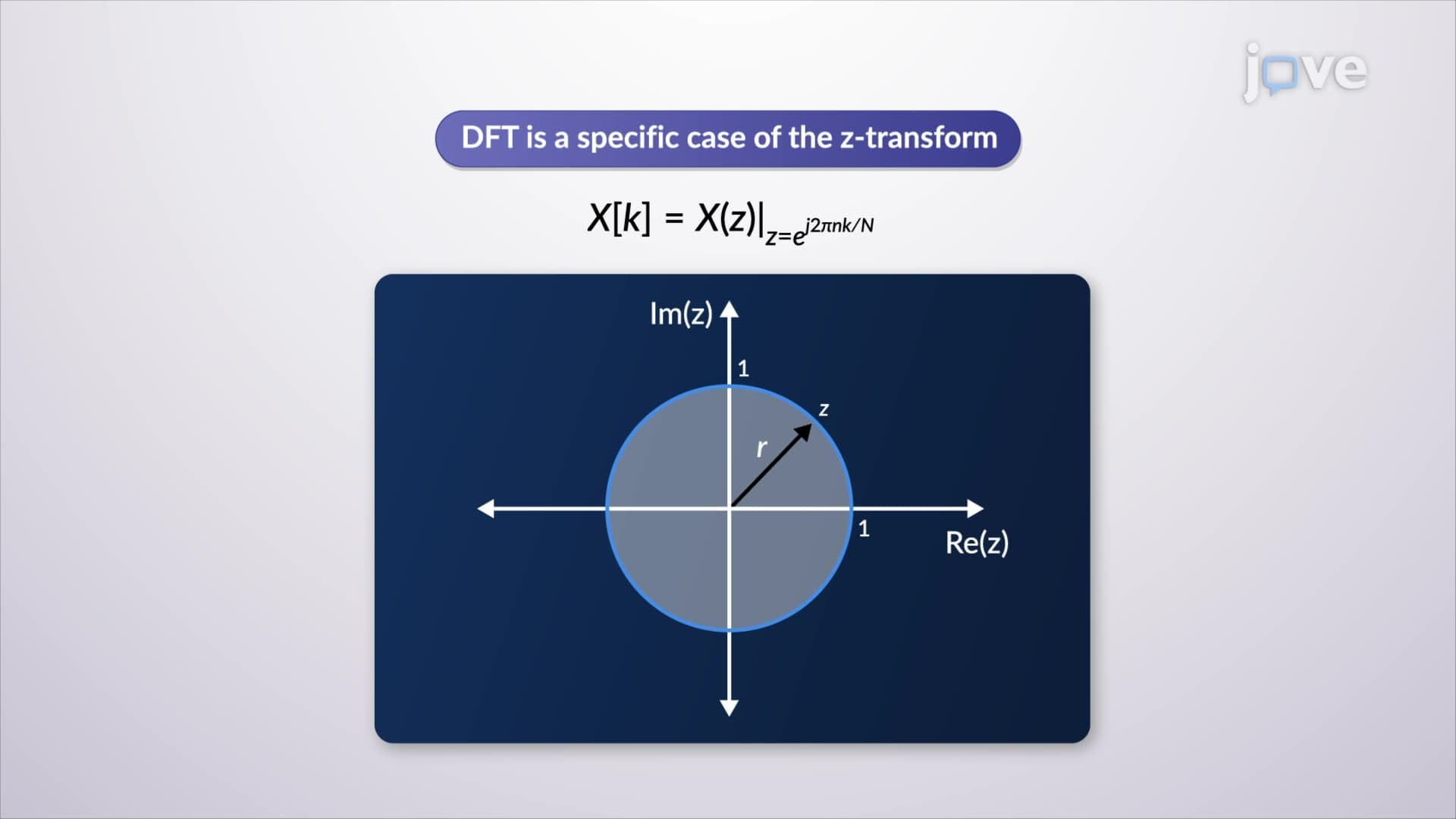
7. DFT and Z-Transform Relationships The Discrete Fourier Transform represents a special case of the z-transform evaluated at equally spaced points on the unit circle. This connection bridges time-domain analysis with frequency-domain processing, fundamental to applications like spectral analysis in environmental monitoring systems used by the EPA and NOAA. Understanding this relationship enables efficient computation of frequency content in signals ranging from seismic data to telecommunications.