13 Concepts
11 Concepts
9 Concepts
8 Concepts
13 Concepts
16 Concepts
9 Concepts
11 Concepts
15 Concepts
11 Concepts
14 Concepts
20 Concepts
11 Concepts
7 Concepts
5 Concepts
7 Concepts
10 Concepts
7 Concepts
7 Concepts
5 Concepts
9 Concepts
7 Concepts
7 Concepts
7 Concepts
10 Concepts
4 Concepts
7 Concepts
6 Concepts
8 Concepts
9 Concepts
7 Concepts
5 Concepts
5 Concepts
Transistors are fundamental semiconductor devices that form the backbone of modern electronics, from smartphones to computers used across American universities and industries. This comprehensive course, supported by JoVE Coach, explores both bipolar junction transistors (BJTs) and field-effect transistors (FETs), covering their operation principles, amplifier configurations, and switching applications essential for engineering students and professionals.
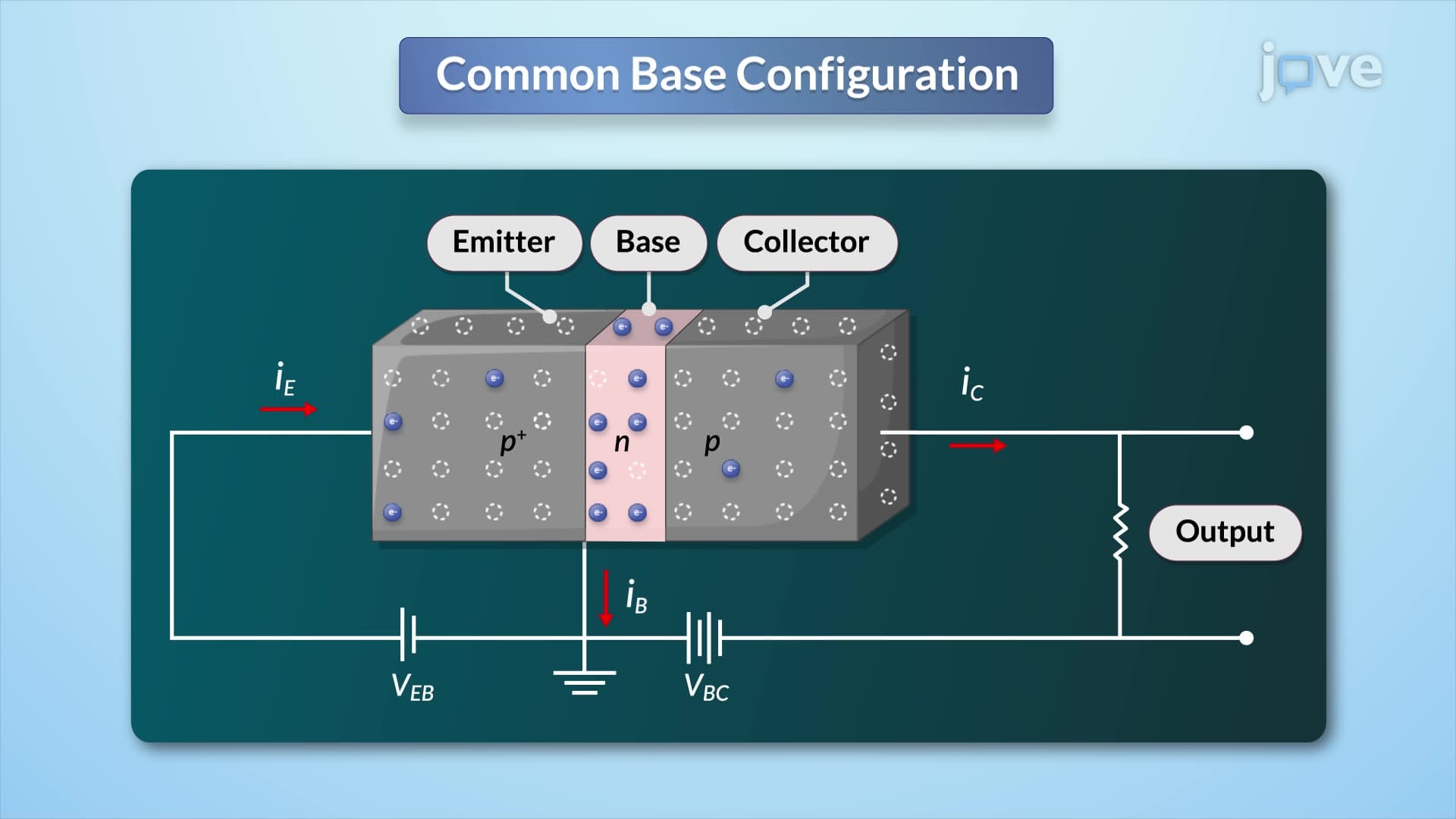
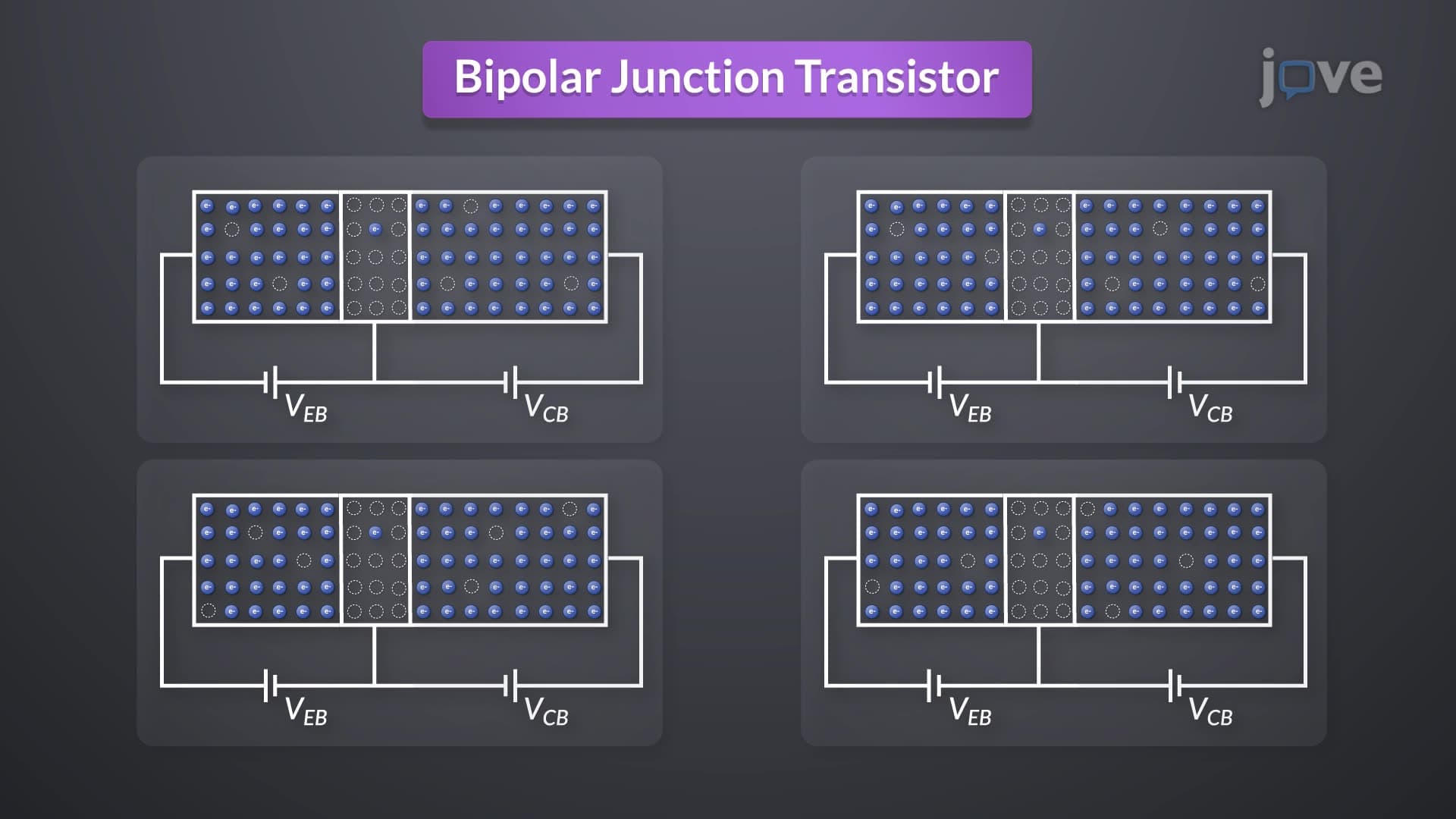
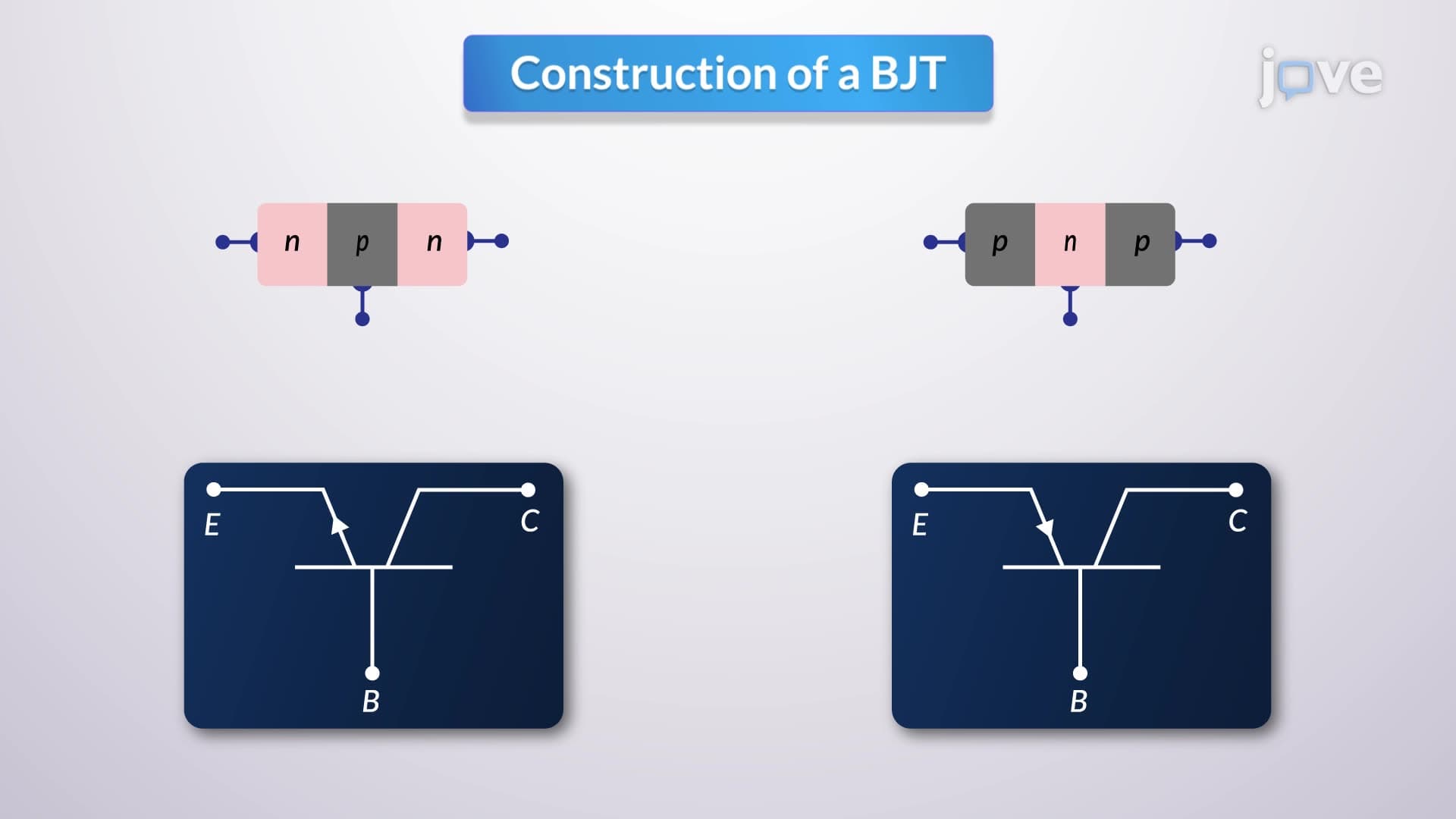
1. Bipolar Junction Transistor Fundamentals: BJTs consist of two p-n junctions forming three regions: emitter, base, and collector. The heavily doped emitter injects charge carriers, while the narrow base controls current flow to the lightly doped collector. NPN and PNP transistors differ in their doping arrangements, with current flow represented by arrow direction in circuit symbols. These devices are called "bipolar" because both holes and electrons contribute to current conduction, making them essential components in American-manufactured amplifiers and digital circuits found in consumer electronics.
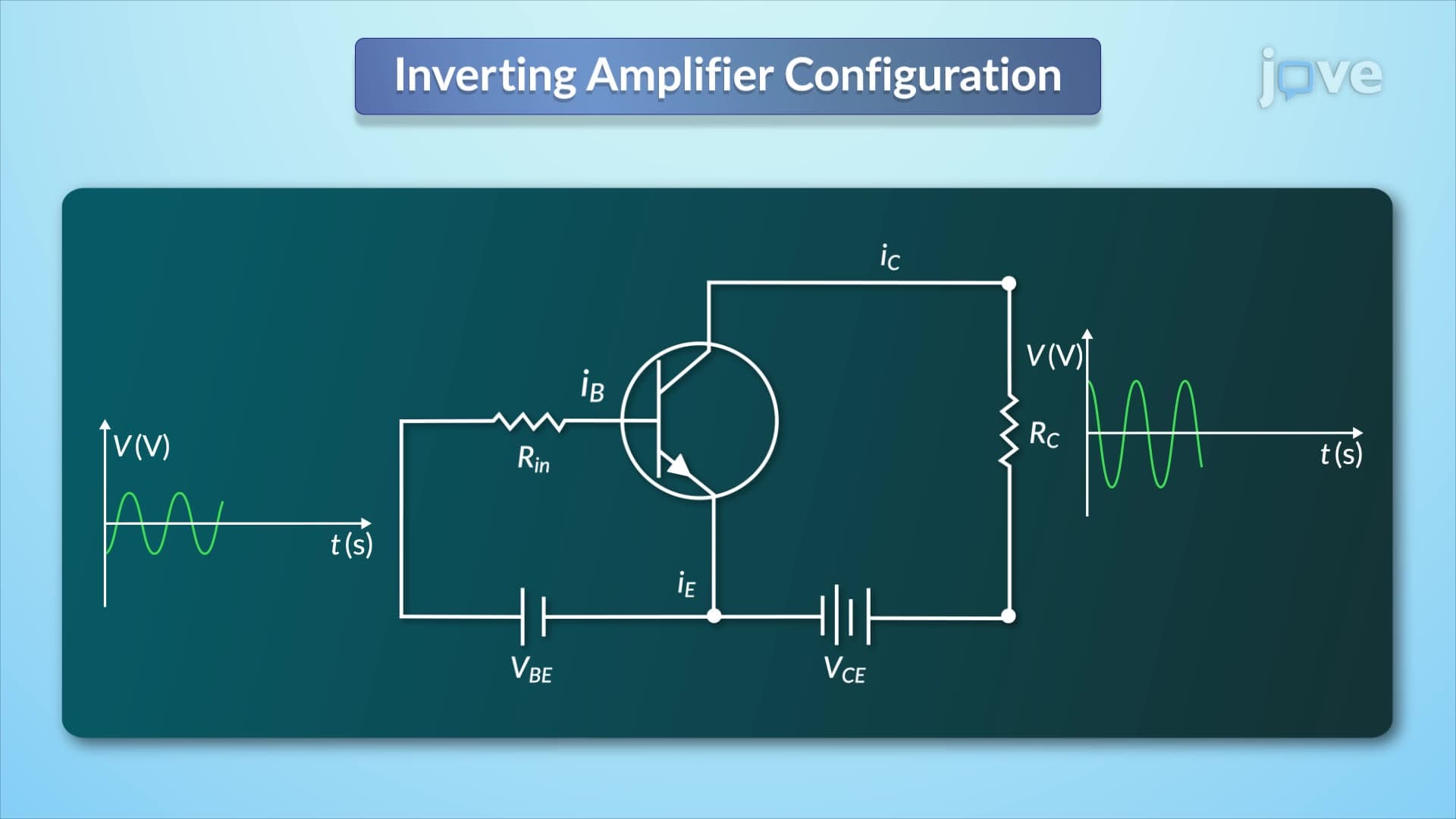
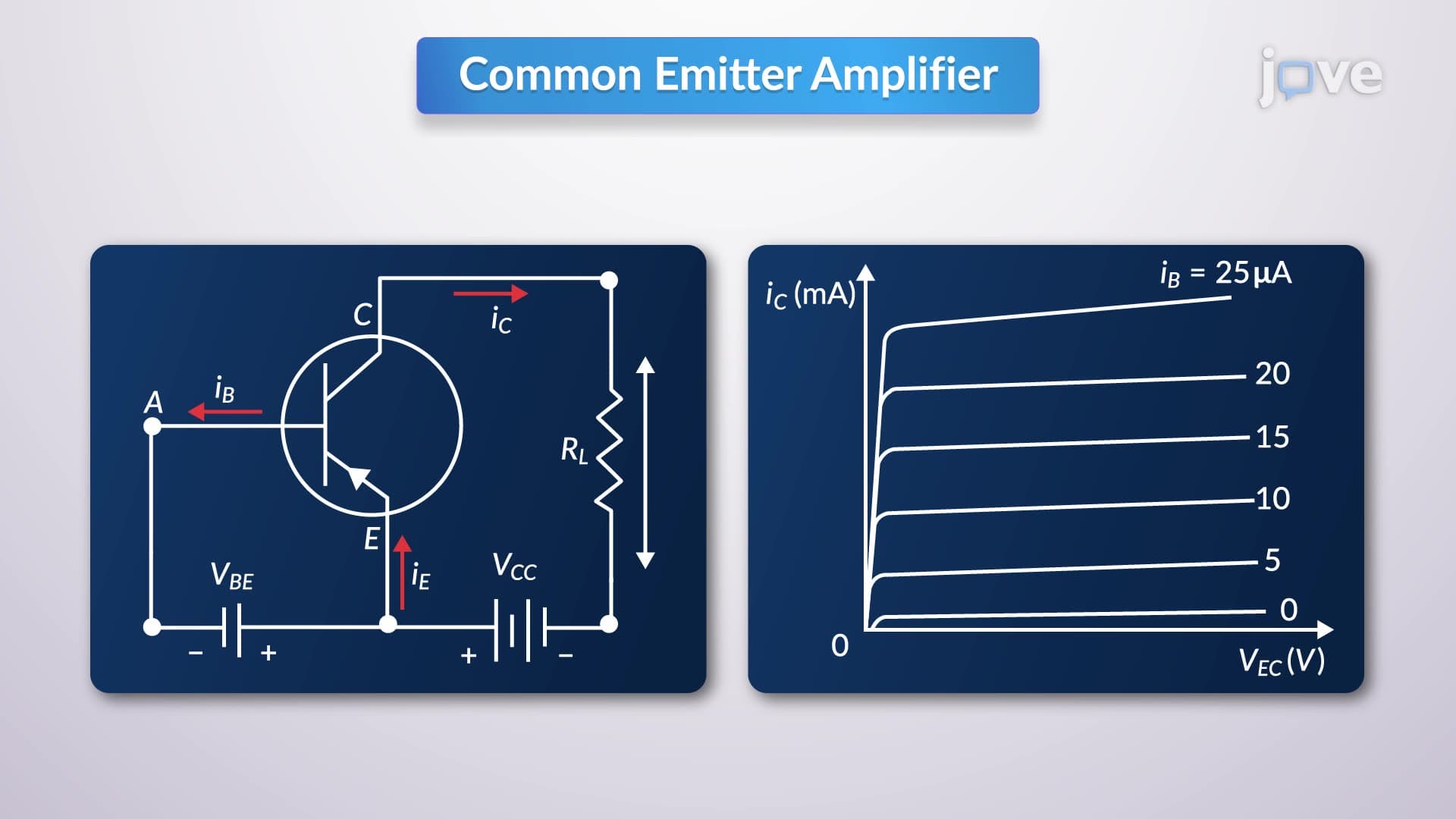
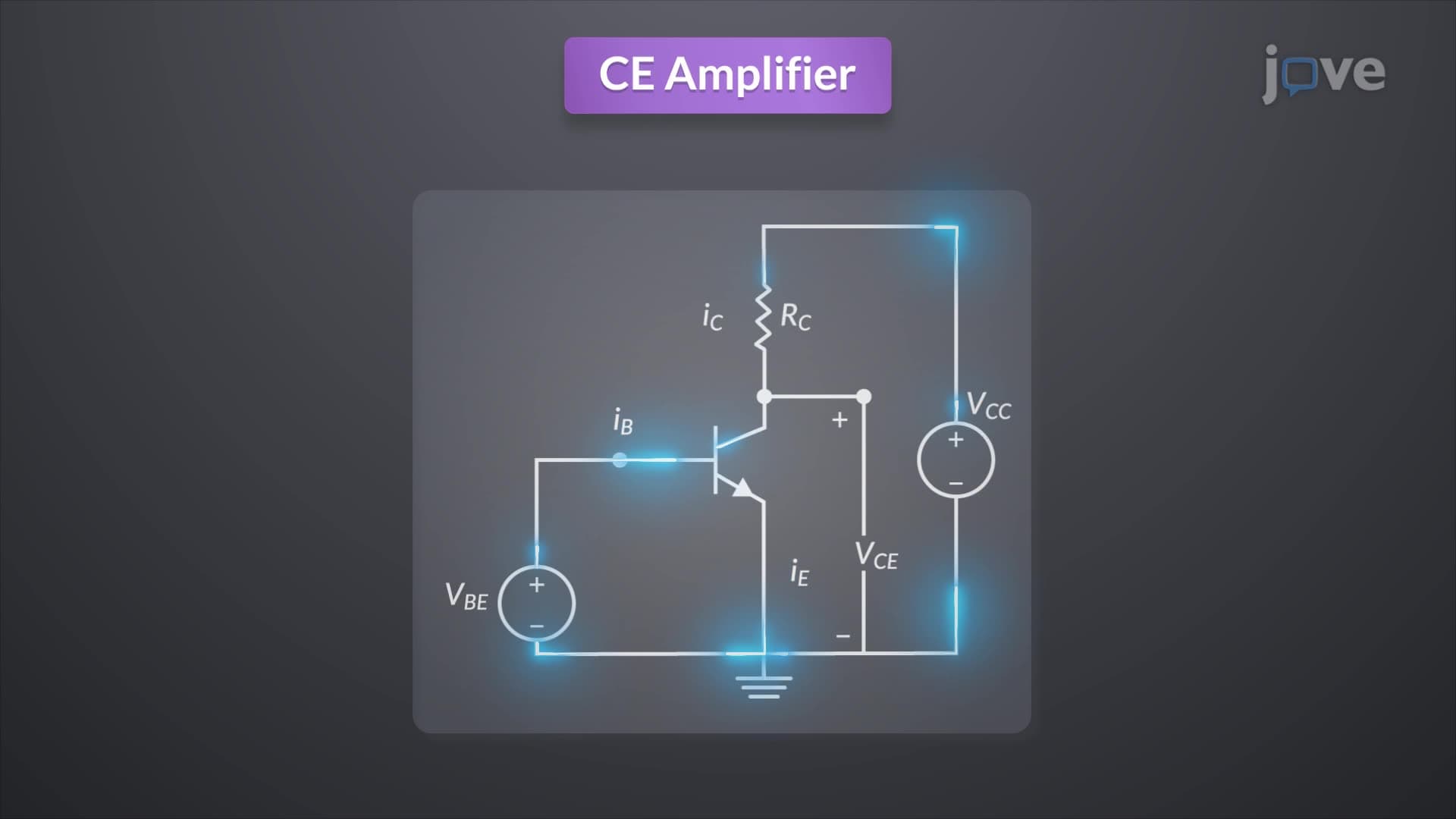
2. BJT Configuration Types and Applications: The three primary BJT configurations serve different purposes in electronic systems. Common emitter configuration, most popular in American amplifier designs, provides high current and voltage gain with 180-degree phase inversion. Common base configuration offers high voltage gain suitable for RF applications in communication equipment. Common collector (emitter follower) configuration provides impedance matching in audio equipment and buffer circuits used in American consumer electronics, offering high input impedance and current gain near unity voltage gain.
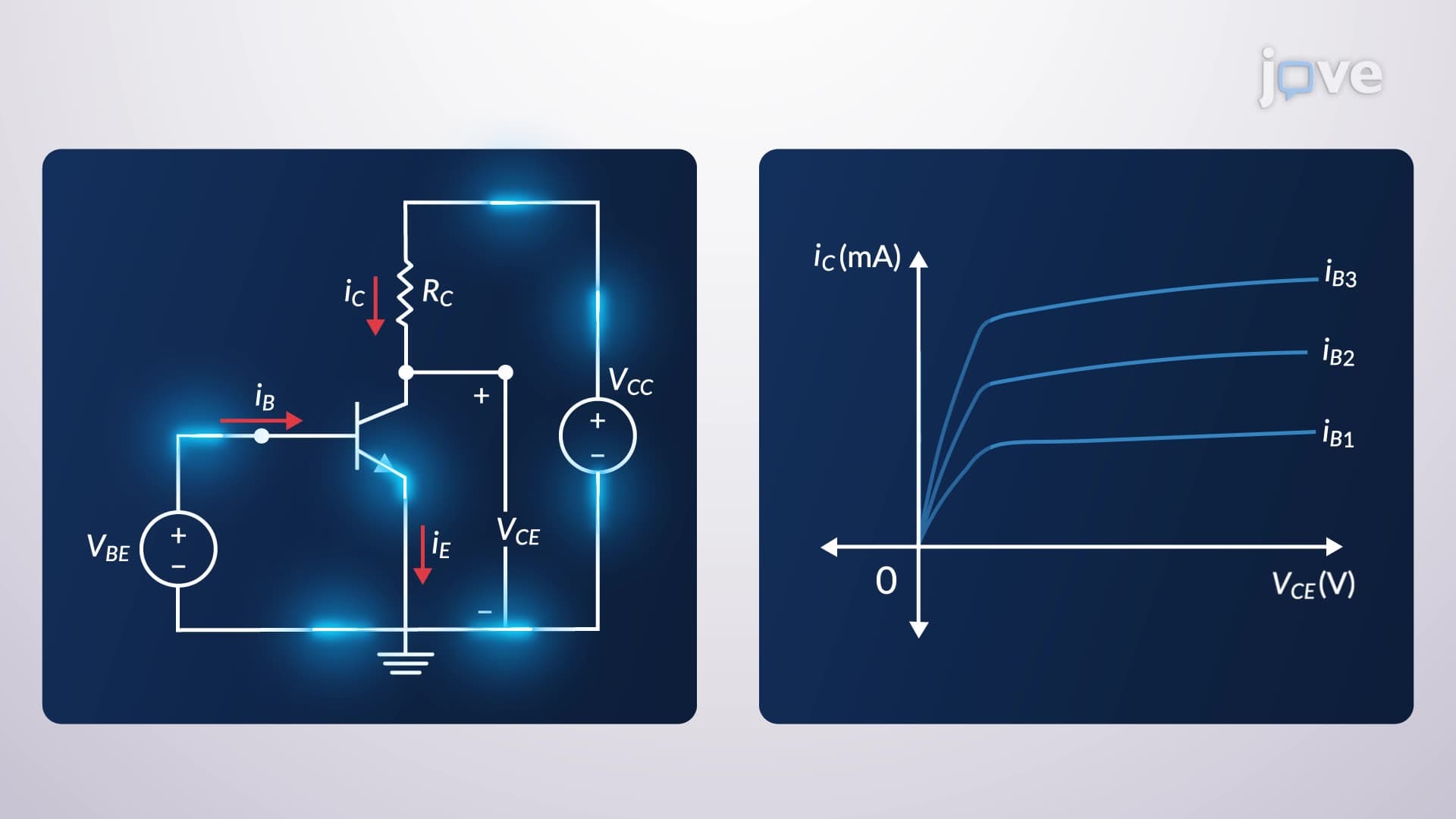
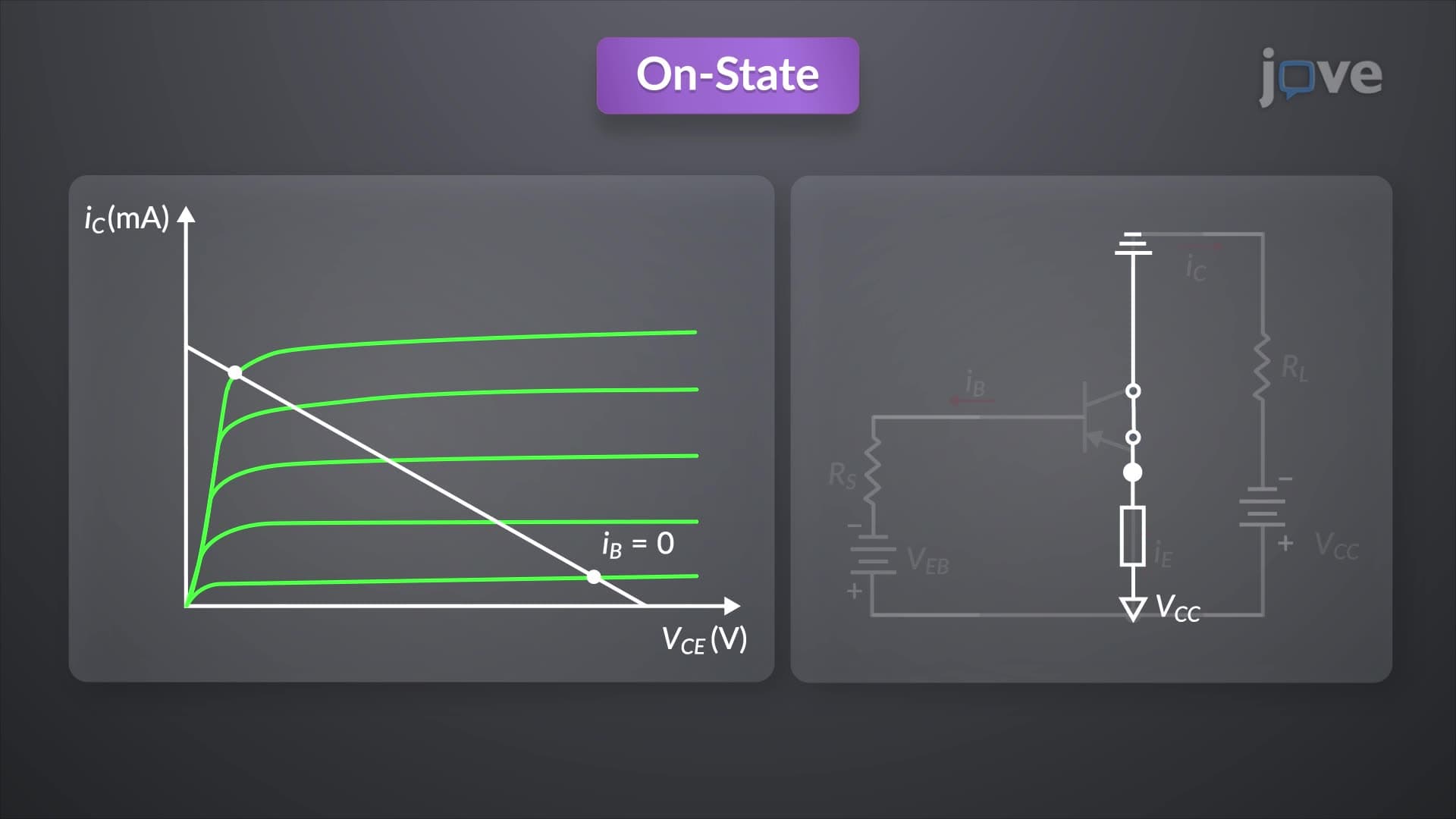
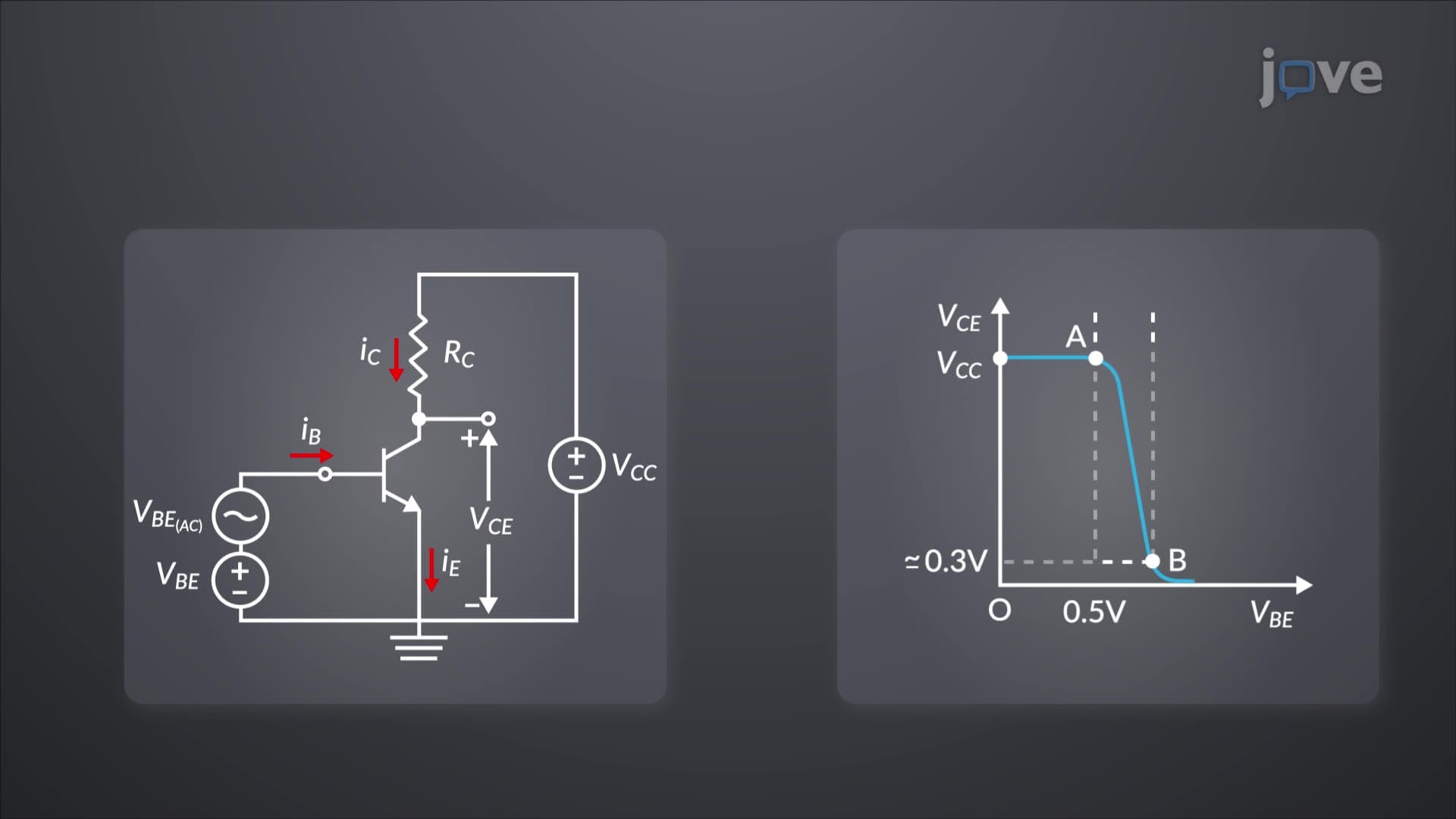
3. Transistor Operating Modes and Characteristics: BJTs operate in four distinct modes based on junction biasing conditions. Active mode enables amplification with forward-biased emitter-base and reverse-biased collector-base junctions. Saturation mode acts as a closed switch with both junctions forward-biased, commonly used in digital logic circuits found in American computer processors. Cut-off mode functions as an open switch with both junctions reverse-biased. The inverted mode, rarely used, reverses normal operation. Understanding these modes is crucial for designing circuits in American aerospace and automotive applications.
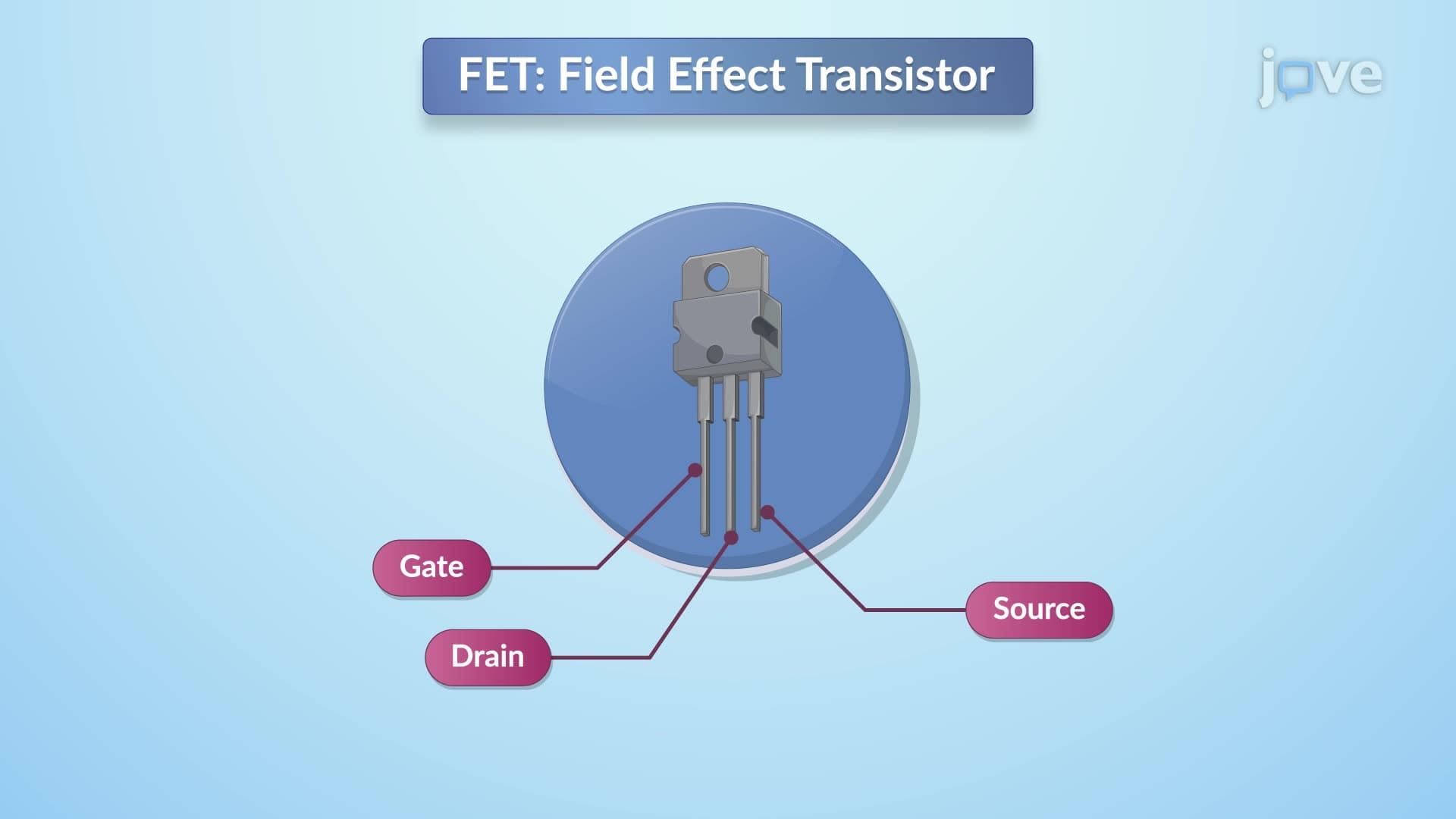
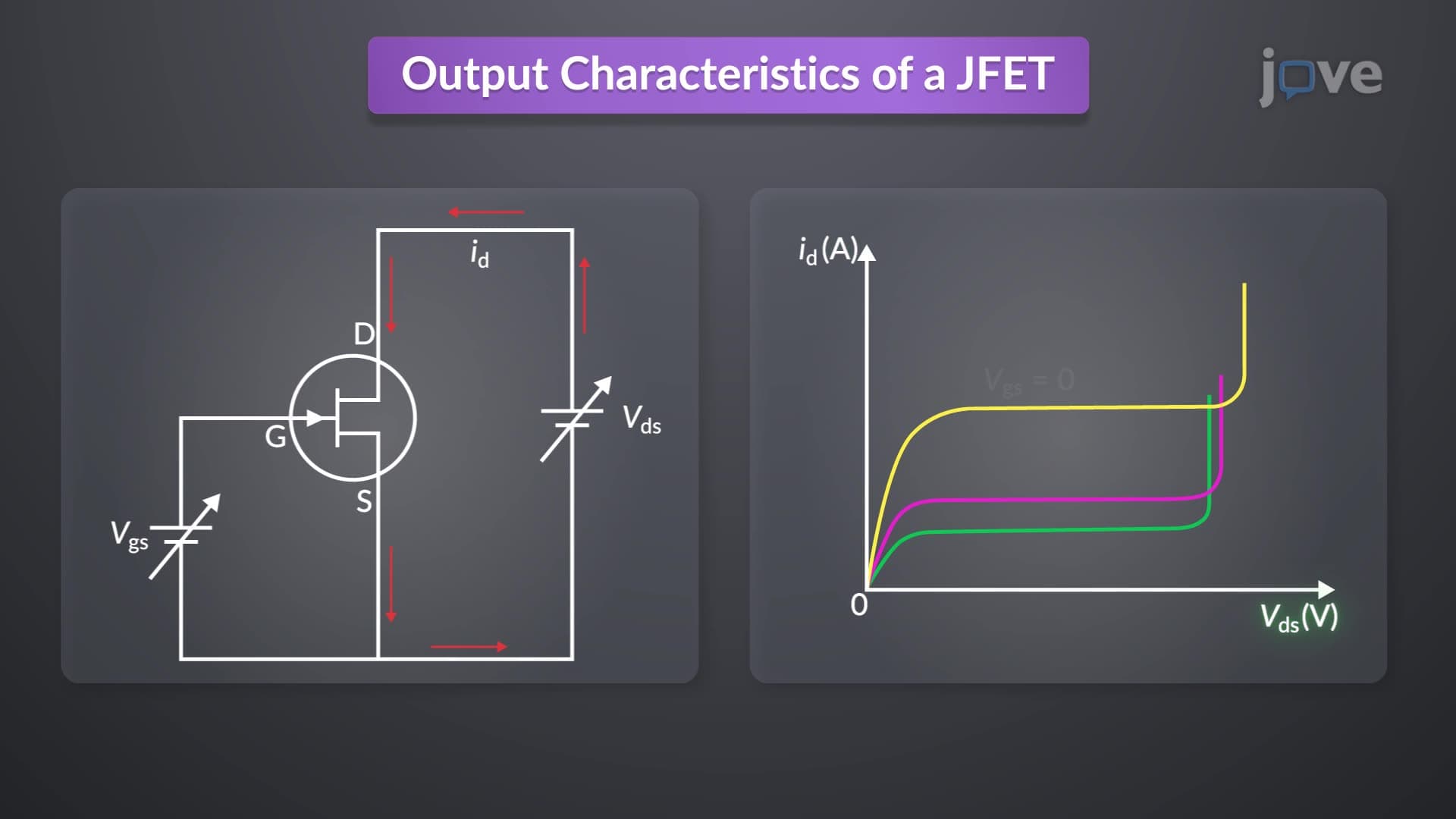
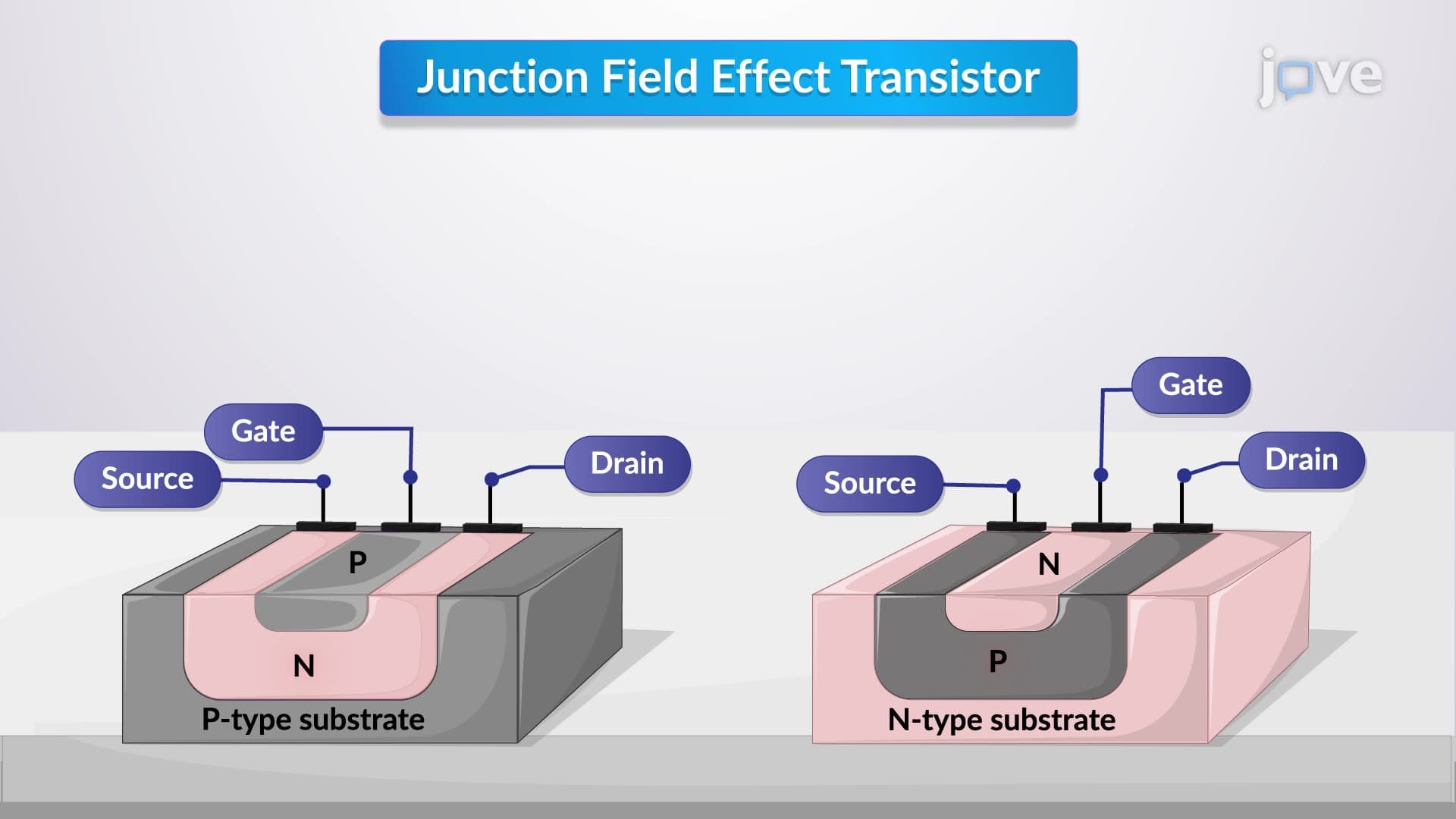
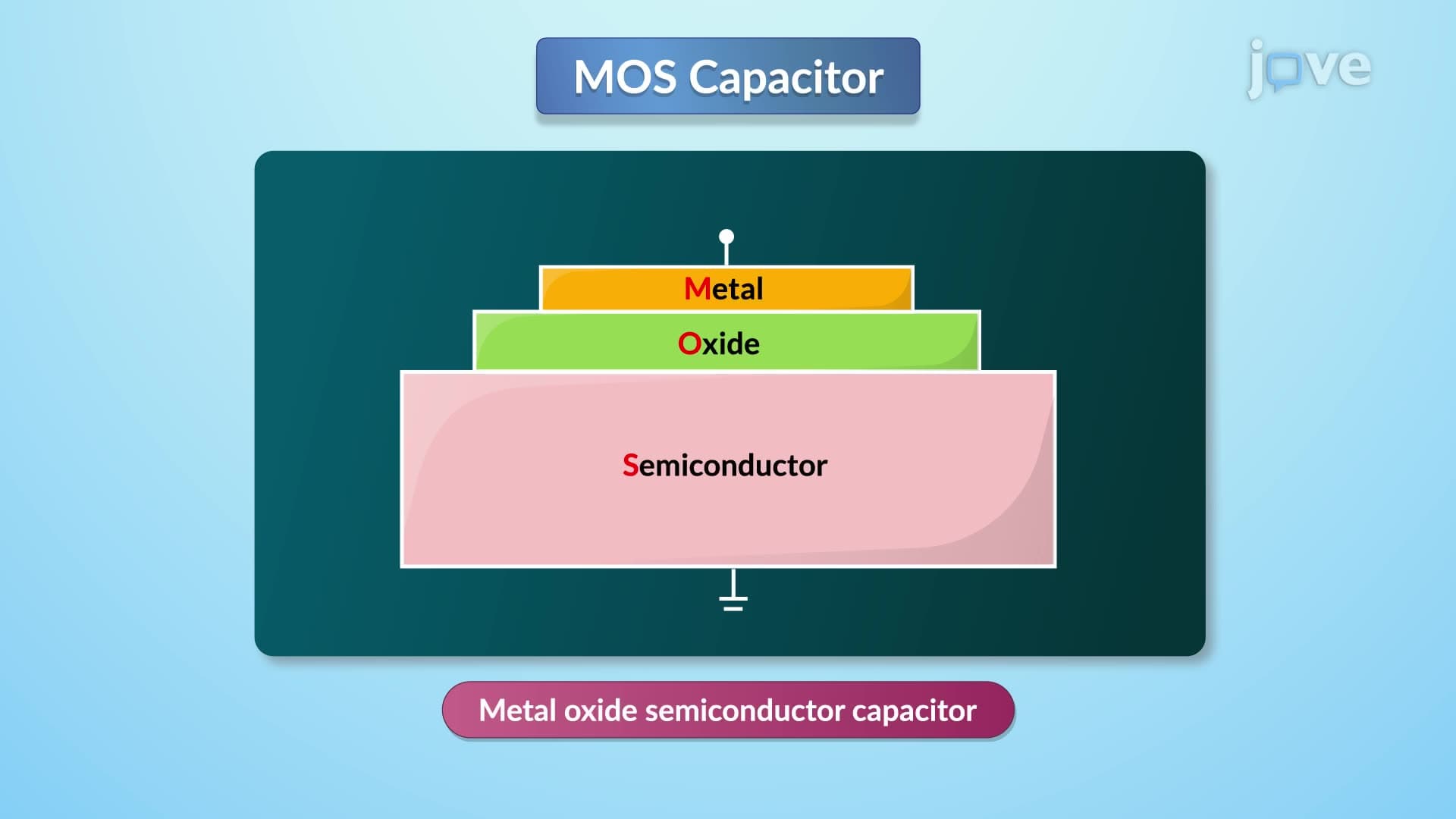
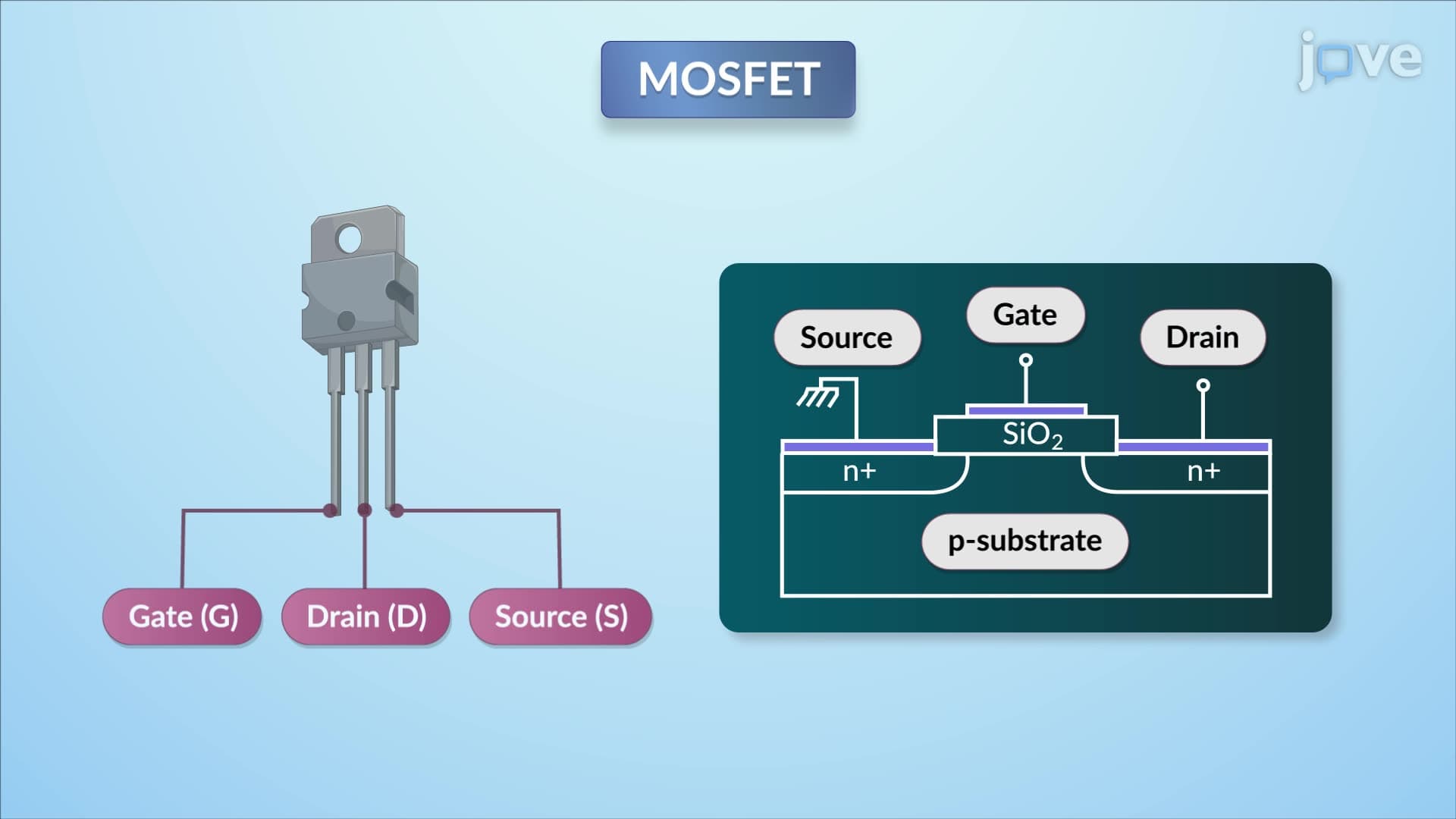
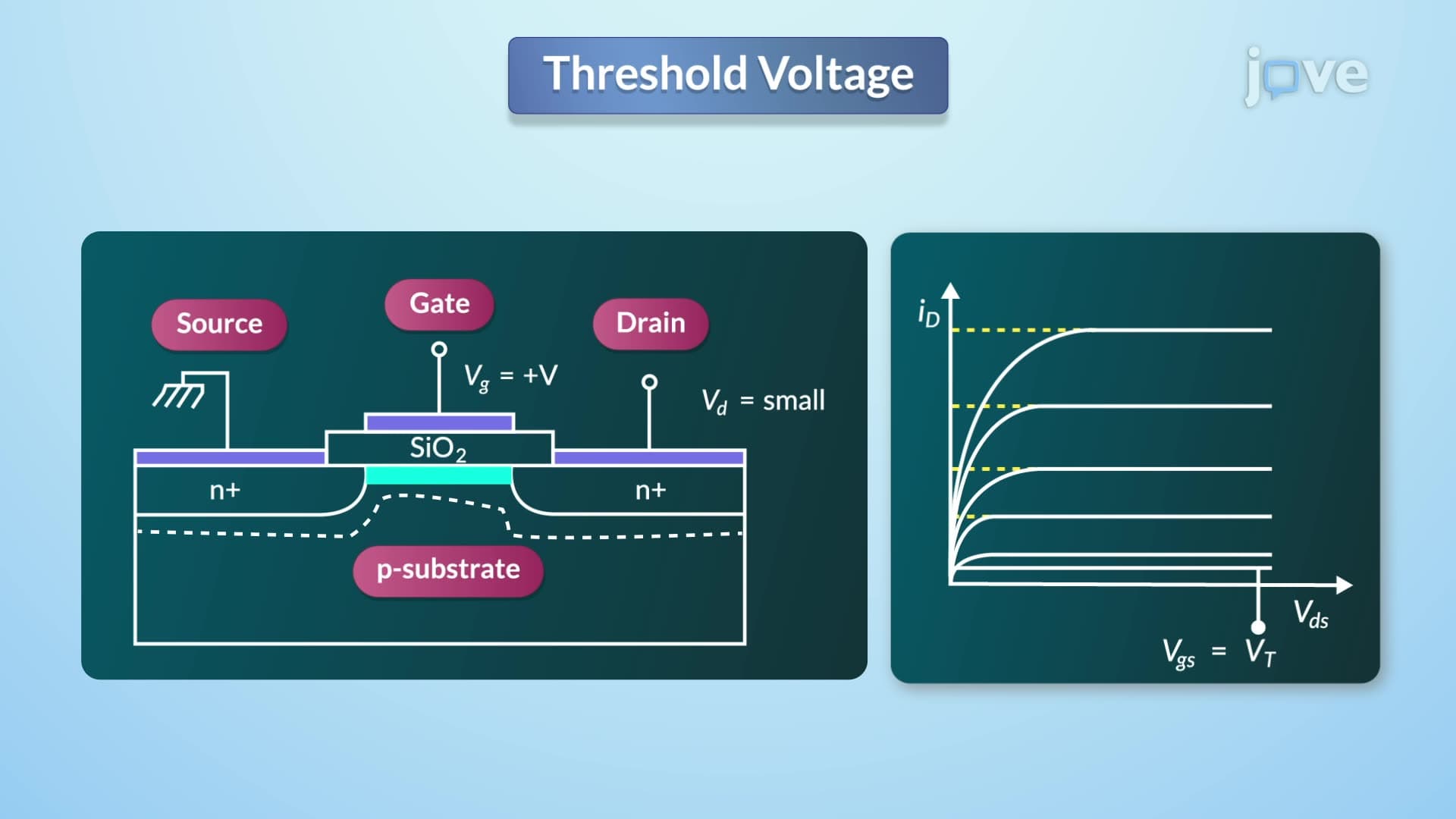
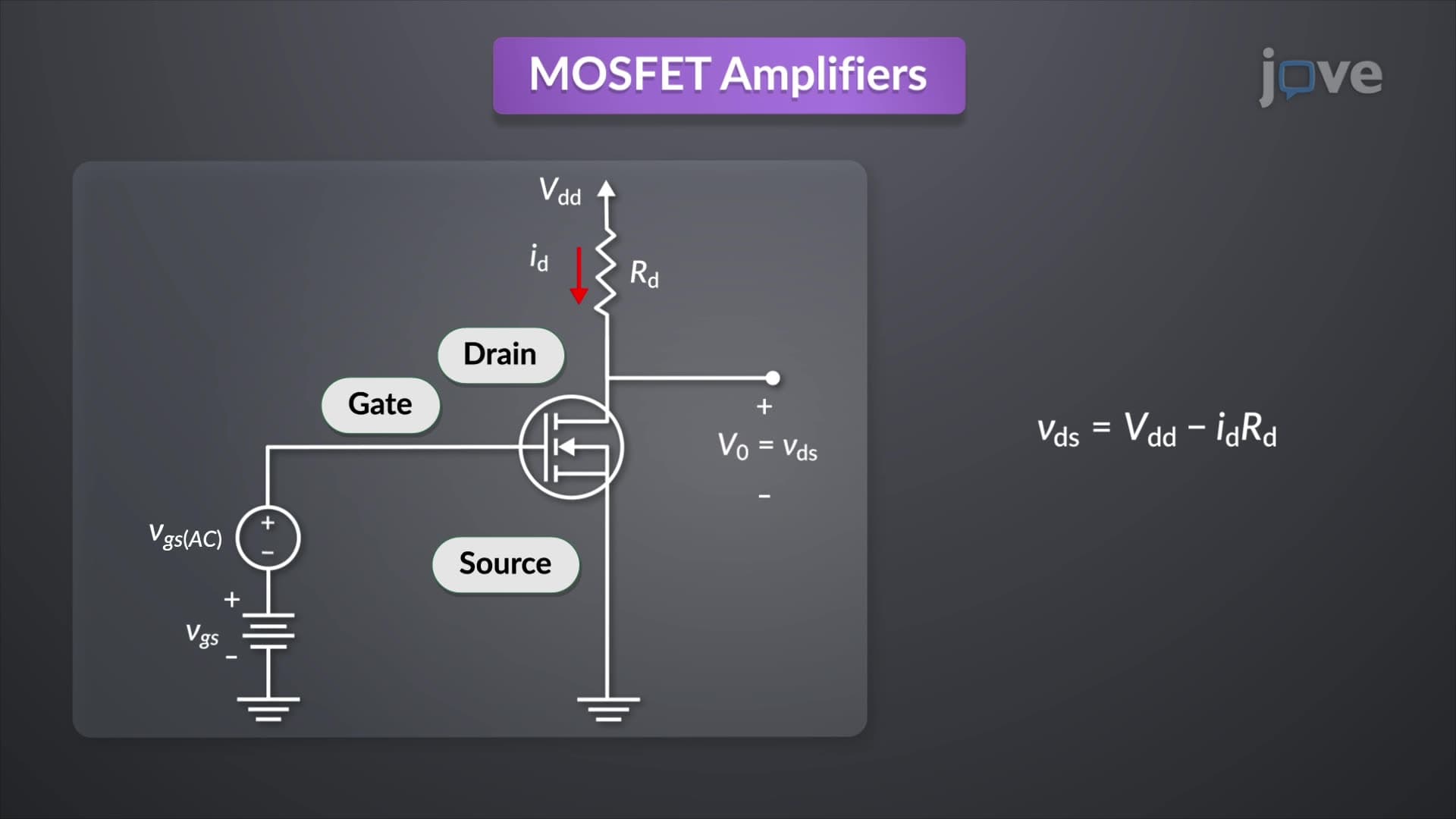
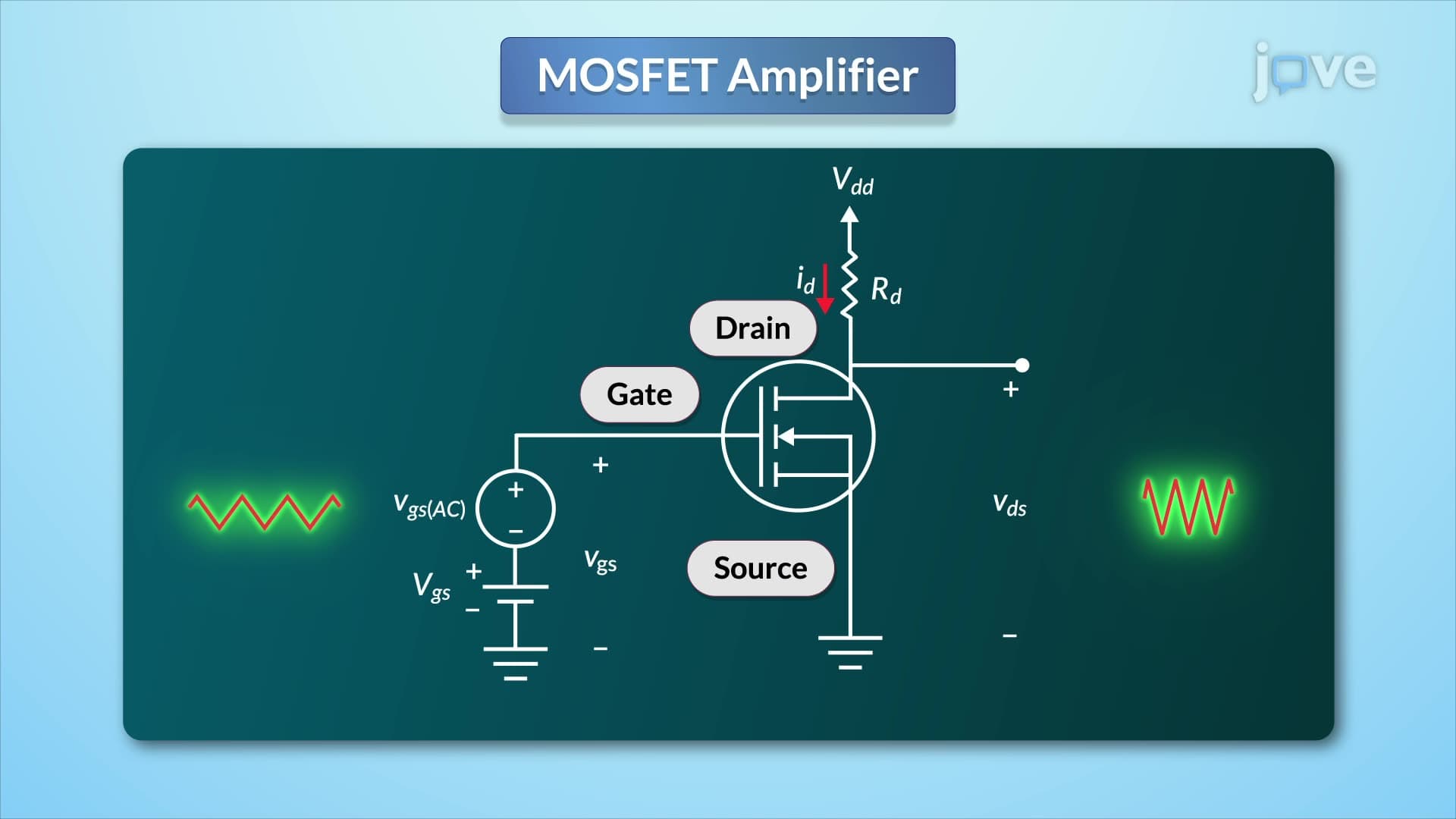
4. Field-Effect Transistor Types and Operation: FETs are unipolar devices controlling current through electric fields rather than current injection. JFETs use p-n junctions for gate control and are preferred in analog applications requiring low noise, such as audio equipment manufactured by American companies. MOSFETs, featuring metal-oxide-semiconductor construction, dominate digital integrated circuits due to their high input impedance and low power consumption. The gate voltage modulates channel conductivity between source and drain terminals, enabling precise current control in microprocessors and memory devices.
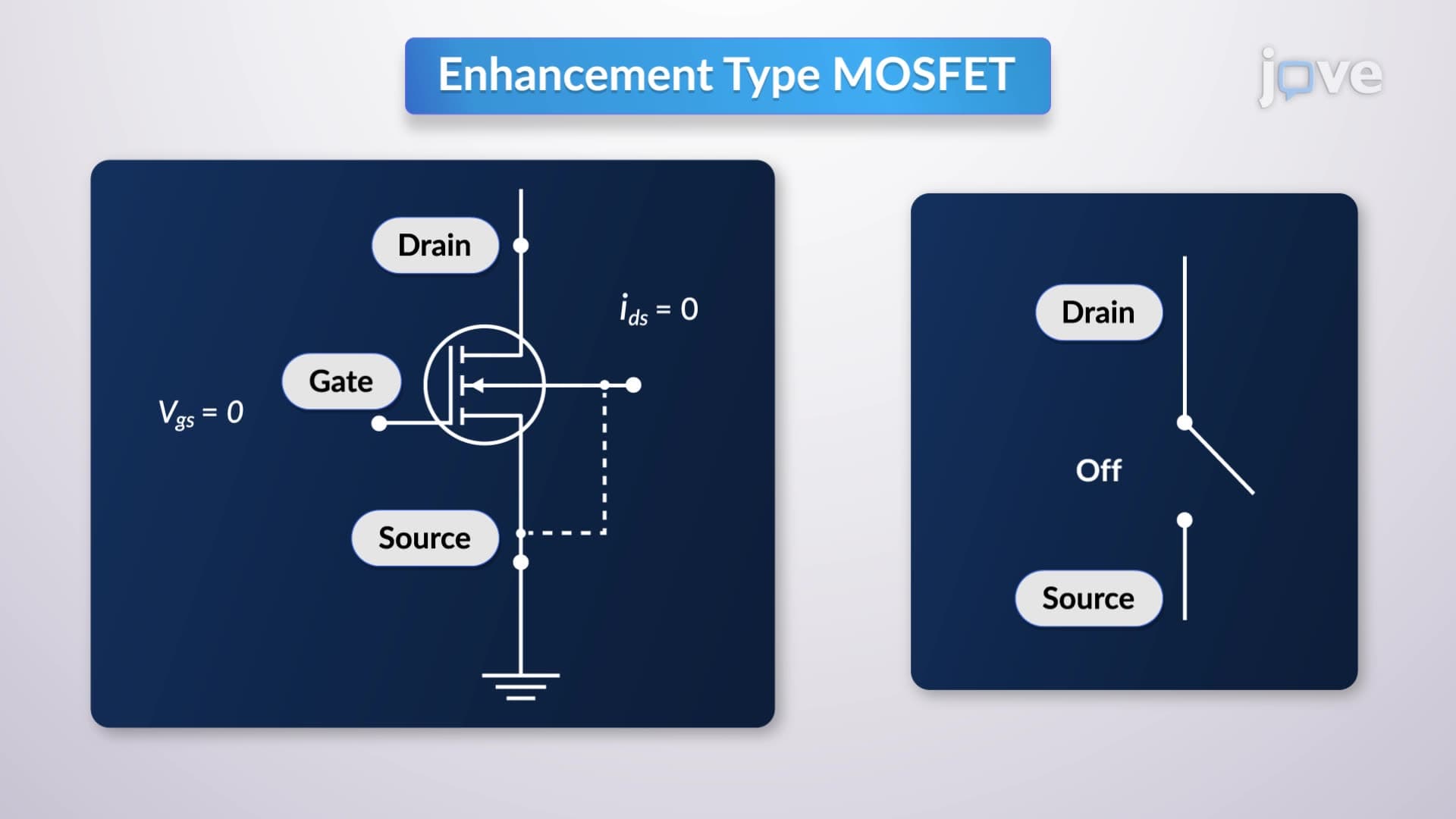
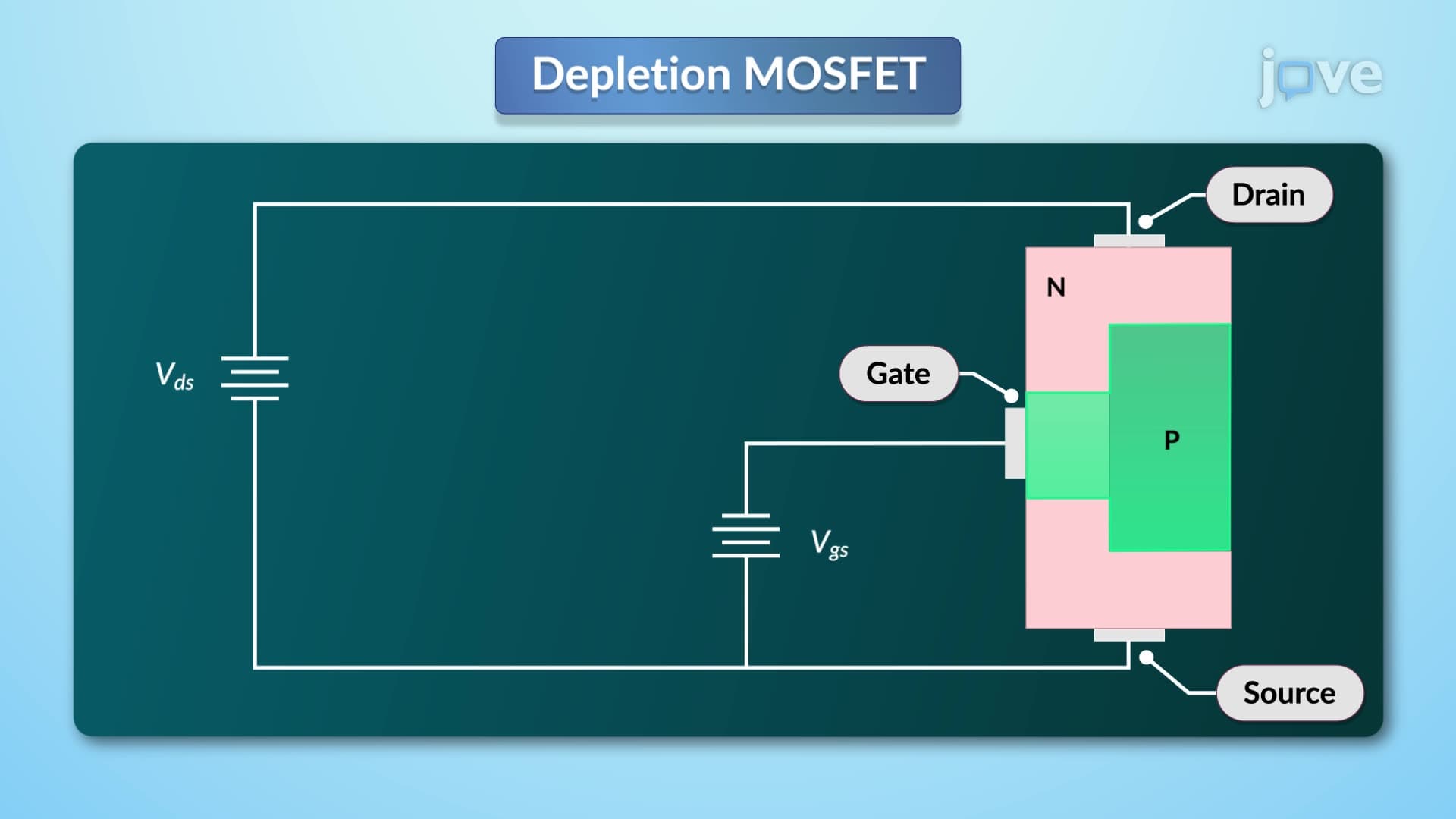
5. MOSFET Enhancement and Depletion Modes: Enhancement-mode MOSFETs remain off until gate voltage exceeds the threshold, making them ideal switches in American-designed power supplies and motor controls. Depletion-mode MOSFETs conduct current at zero gate voltage and require negative voltage to turn off, functioning like normally-on switches. These characteristics determine their applications in different circuit topologies, with enhancement-mode devices dominating CMOS logic gates in American semiconductor manufacturing and depletion-mode devices serving as current sources and load resistors.
6. Small-Signal Analysis and Amplifier Design: Small-signal analysis simplifies transistor behavior around the operating point using linear approximations. Transconductance relates output current changes to input voltage variations, determining amplifier gain when combined with load resistance. The hybrid-pi model represents BJT behavior with resistances and capacitances, while MOSFET models use similar approaches. This analysis method, taught in American engineering curricula, enables systematic design of amplifiers used in telecommunications equipment, audio systems, and instrumentation manufactured by companies like Texas Instruments and Analog Devices.
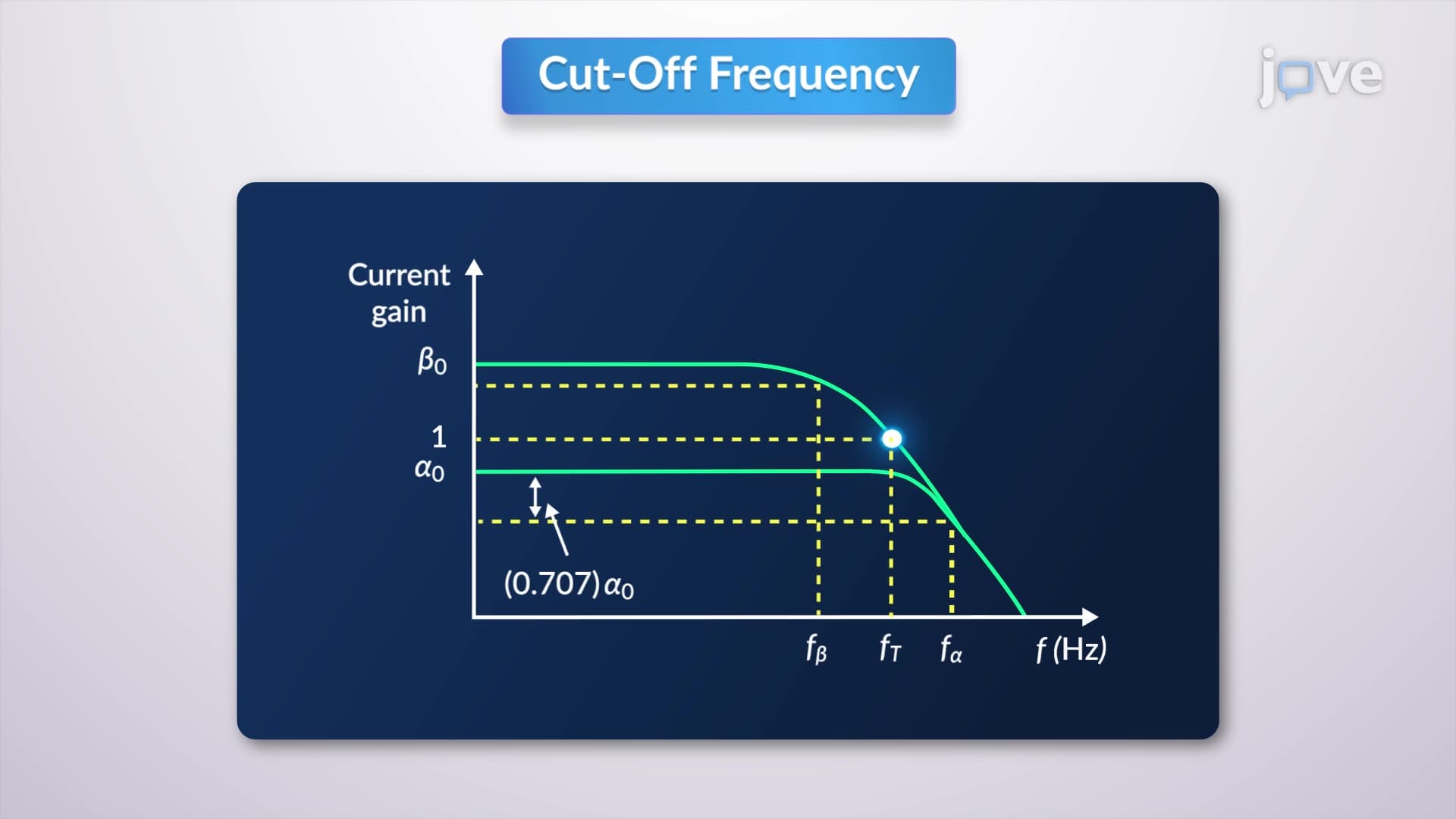
7. Frequency Response and High-Frequency Effects: Transistor performance degrades at high frequencies due to junction capacitances and carrier transit times. Cut-off frequency defines the point where current gain drops to 70.7% of its low-frequency value. Alpha and beta cut-off frequencies characterize common-base and common-emitter configurations respectively. Base transit time primarily limits high-frequency performance, leading to narrow-base designs in RF transistors used in American cellular infrastructure and satellite communication systems manufactured by companies serving the aerospace industry.