Loading video…


 20 Concepts
 16.9K views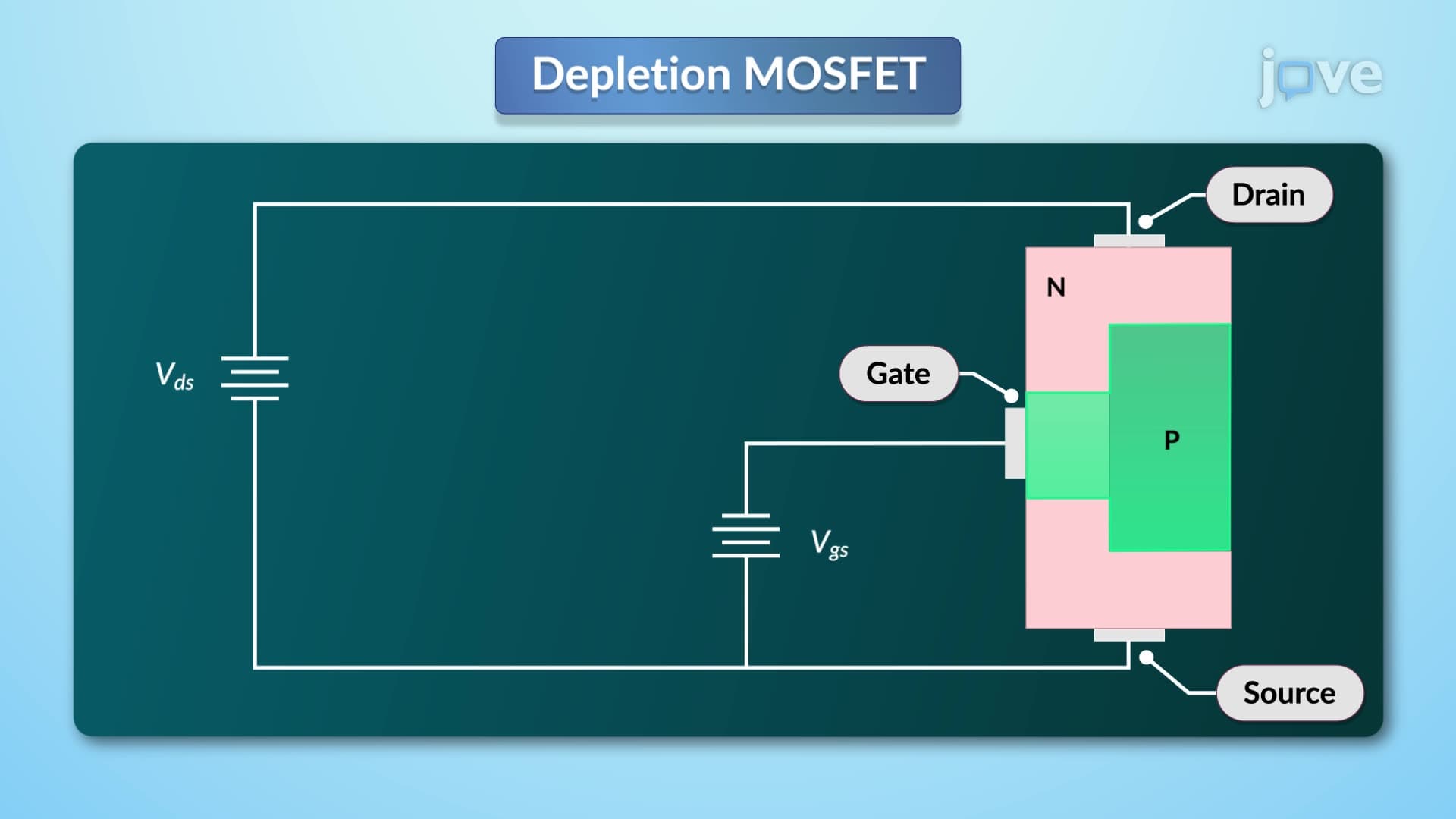

Video Summary: What Is Mosfet Depletion Mode
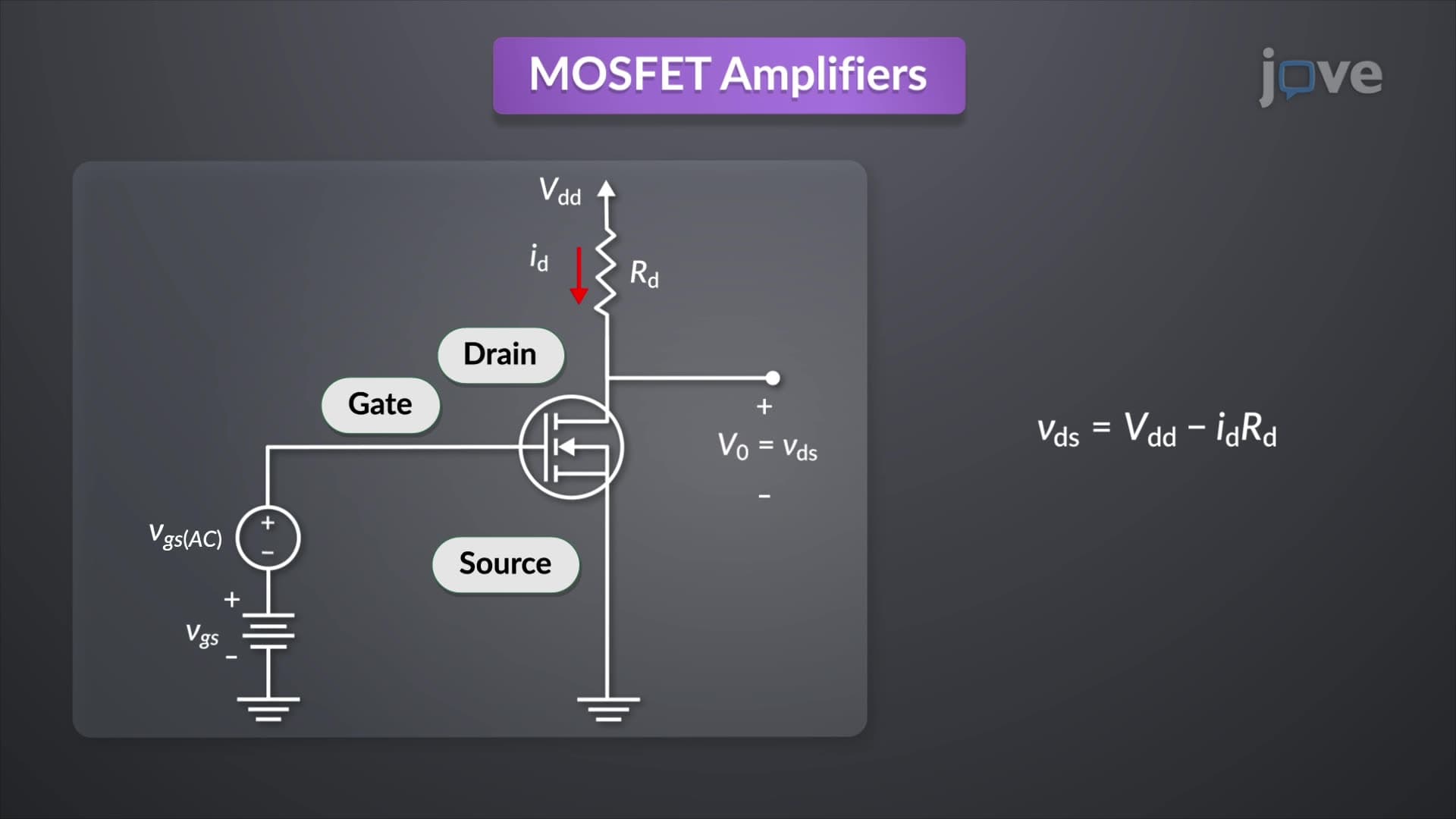
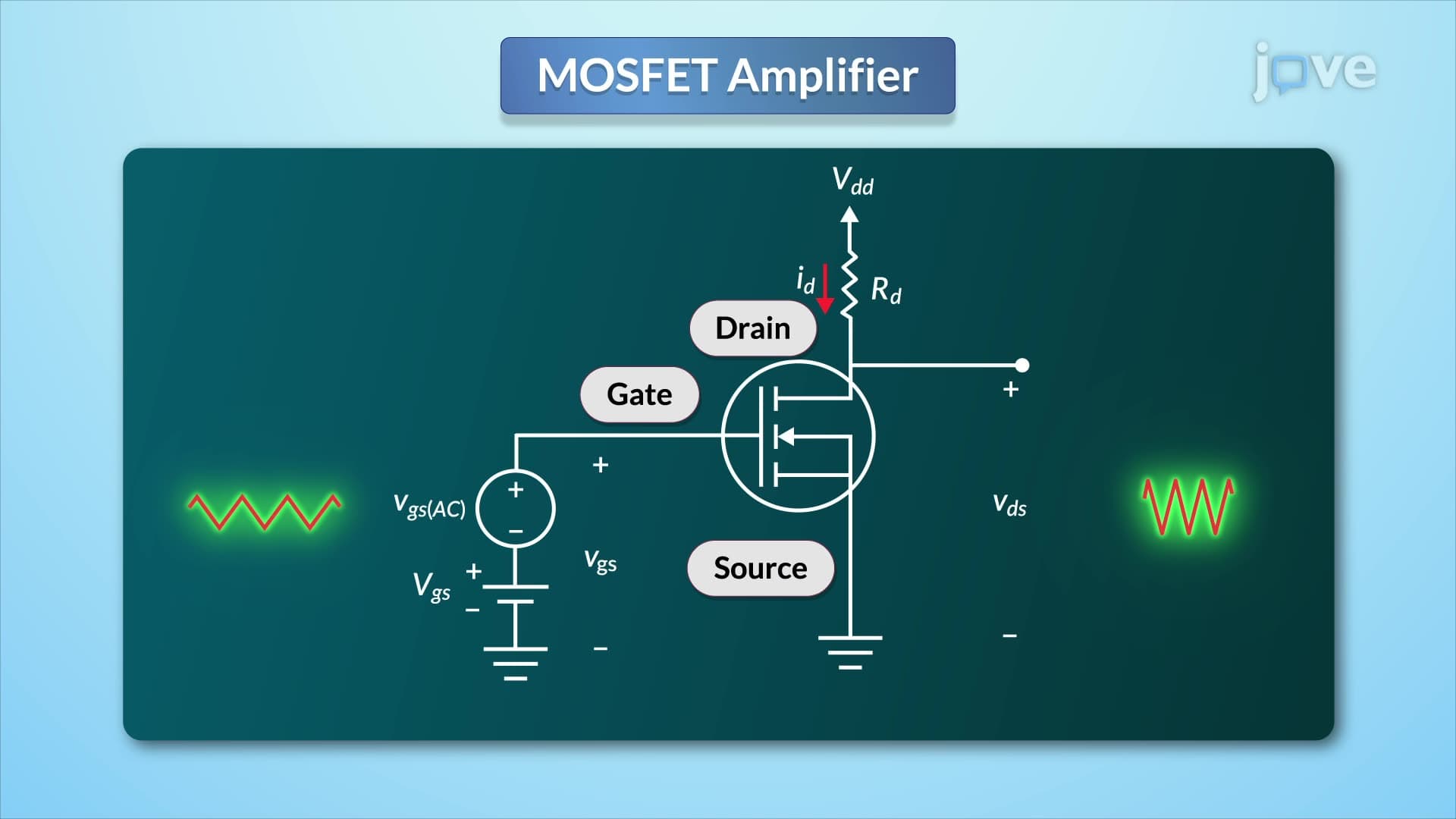
Ever wondered how your smartphone's power management system stays on even when the main circuits are off? MOSFET amplifiers using depletion-mode transistors make this possible by staying naturally "on" without any gate voltage. Unlike enhancement-mode devices, What is MOSFET Depletion Mode reveals transistors that conduct current in their default state. Texas Instruments uses these in their power management ICs for laptops and smartphones. Watch the full video on JoVE Coach to master this concept with expert-led visuals and step-by-step explanations.
Depletion-mode MOSFETs represent a unique class of field-effect transistors that challenge the conventional understanding of MOSFET amplifiers. Unlike their enhancement-mode counterparts, these devices are inherently conductive, creating an "always-on" switch that requires reverse bias to turn off. This fundamental difference makes them invaluable in specialized applications where fail-safe operation is critical.
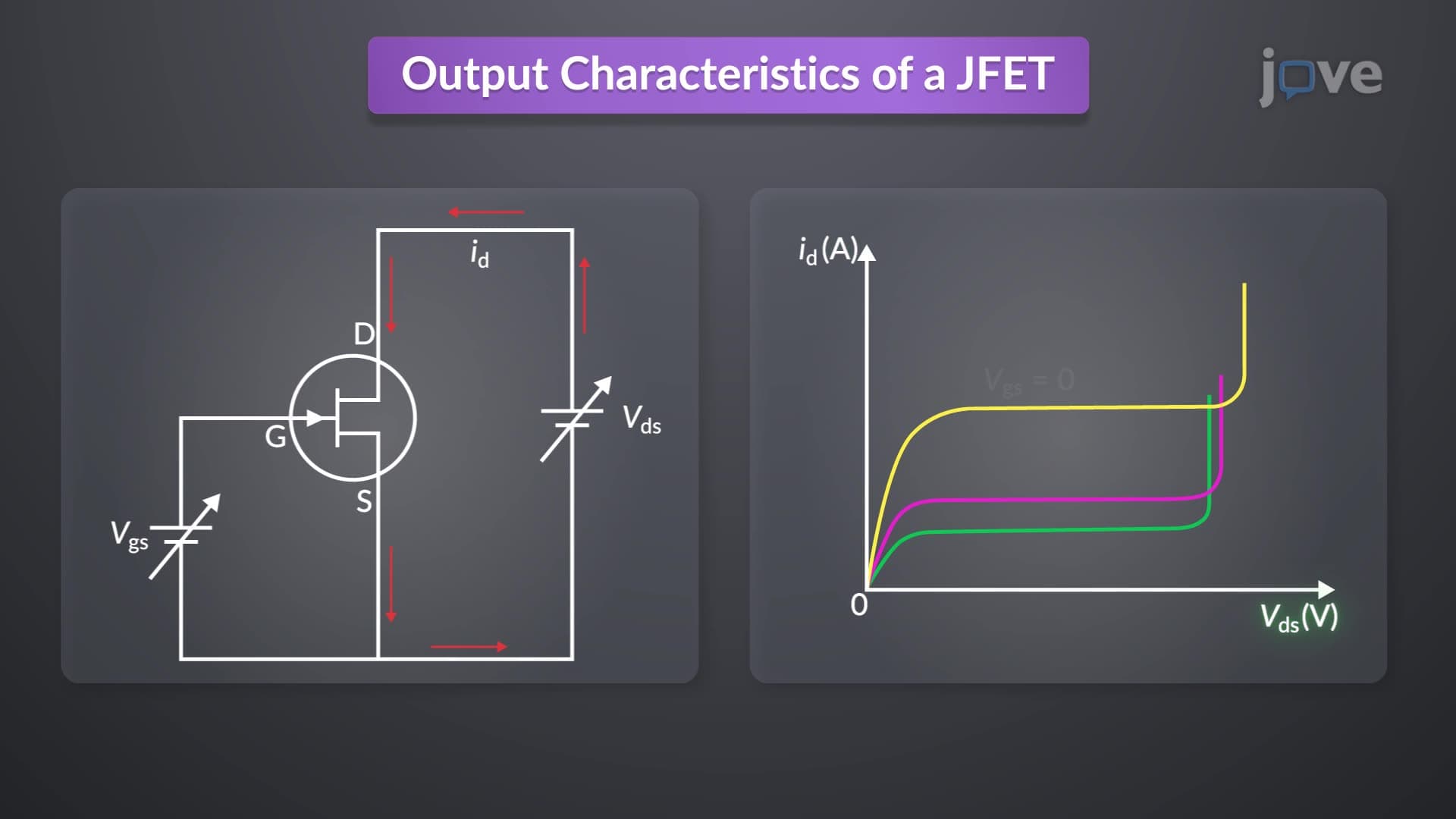
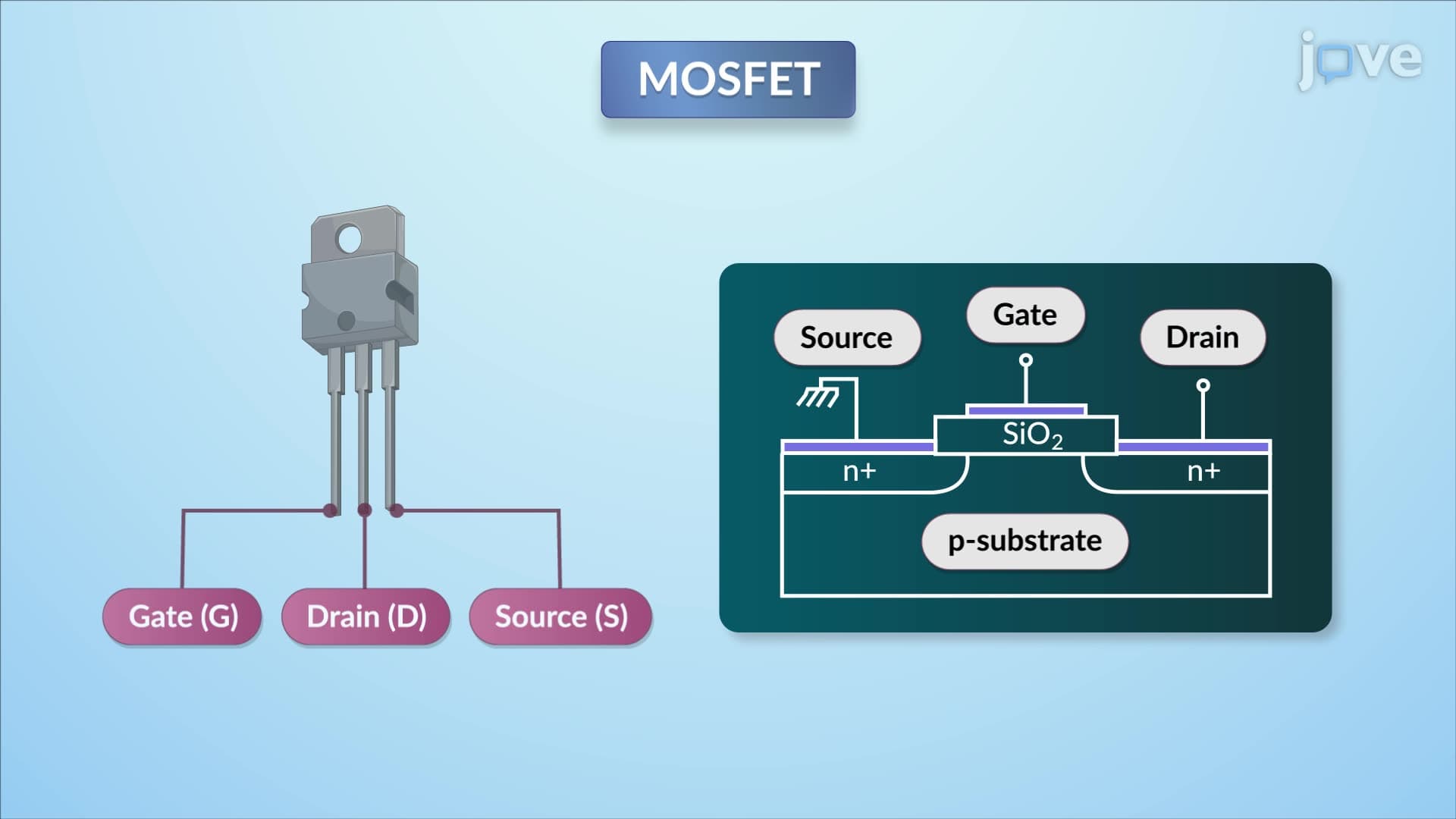
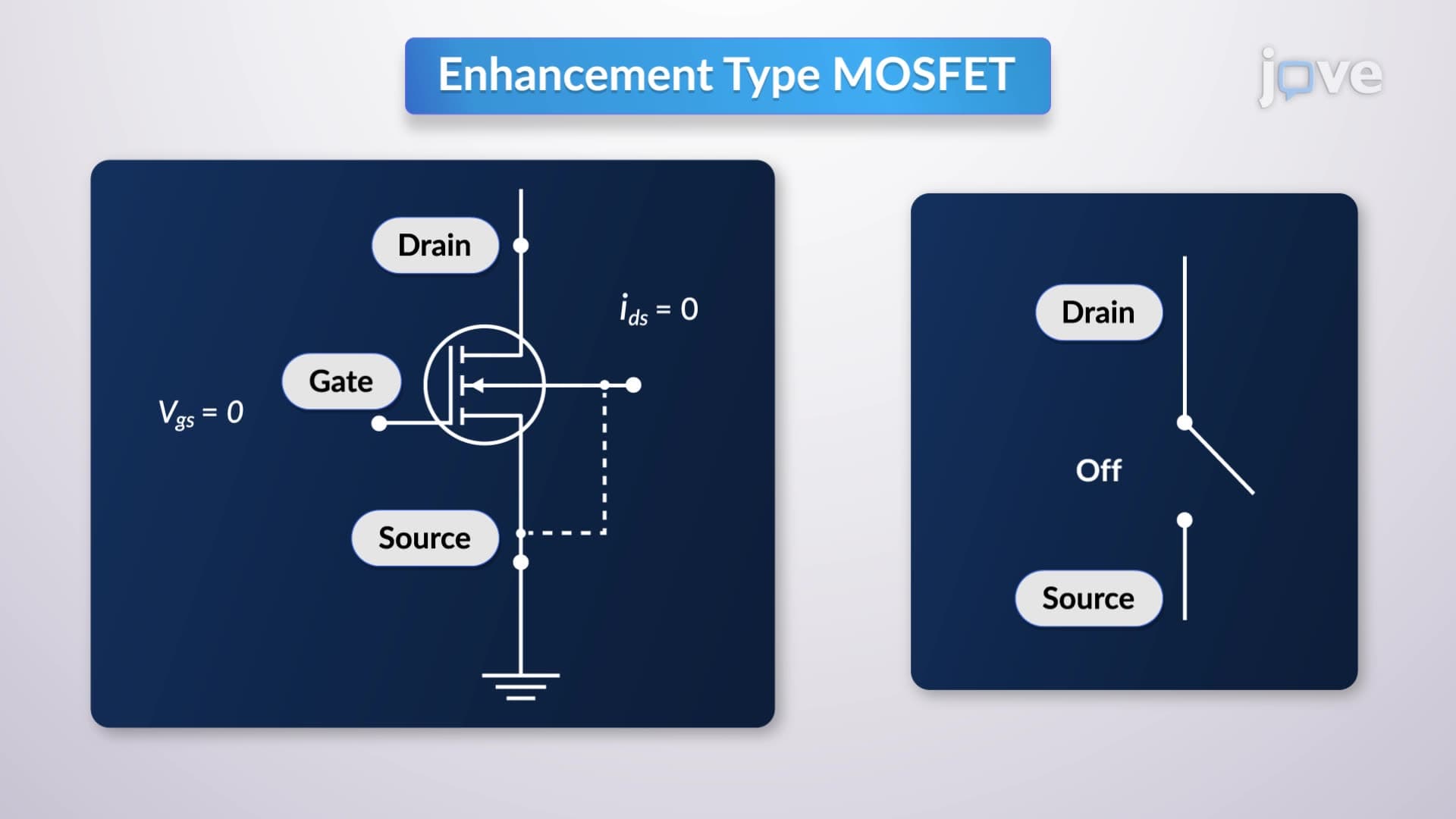
The secret behind depletion-mode operation lies in the manufacturing process. During fabrication, the channel region receives deliberate doping that creates a conductive path between drain and source terminals. This pre-existing channel means that even with zero gate-source voltage (VGS = 0), current flows freely through the device. For n-channel depletion MOSFETs, applying positive gate voltage actually increases conductivity by widening the channel, while negative voltage gradually pinches it off.
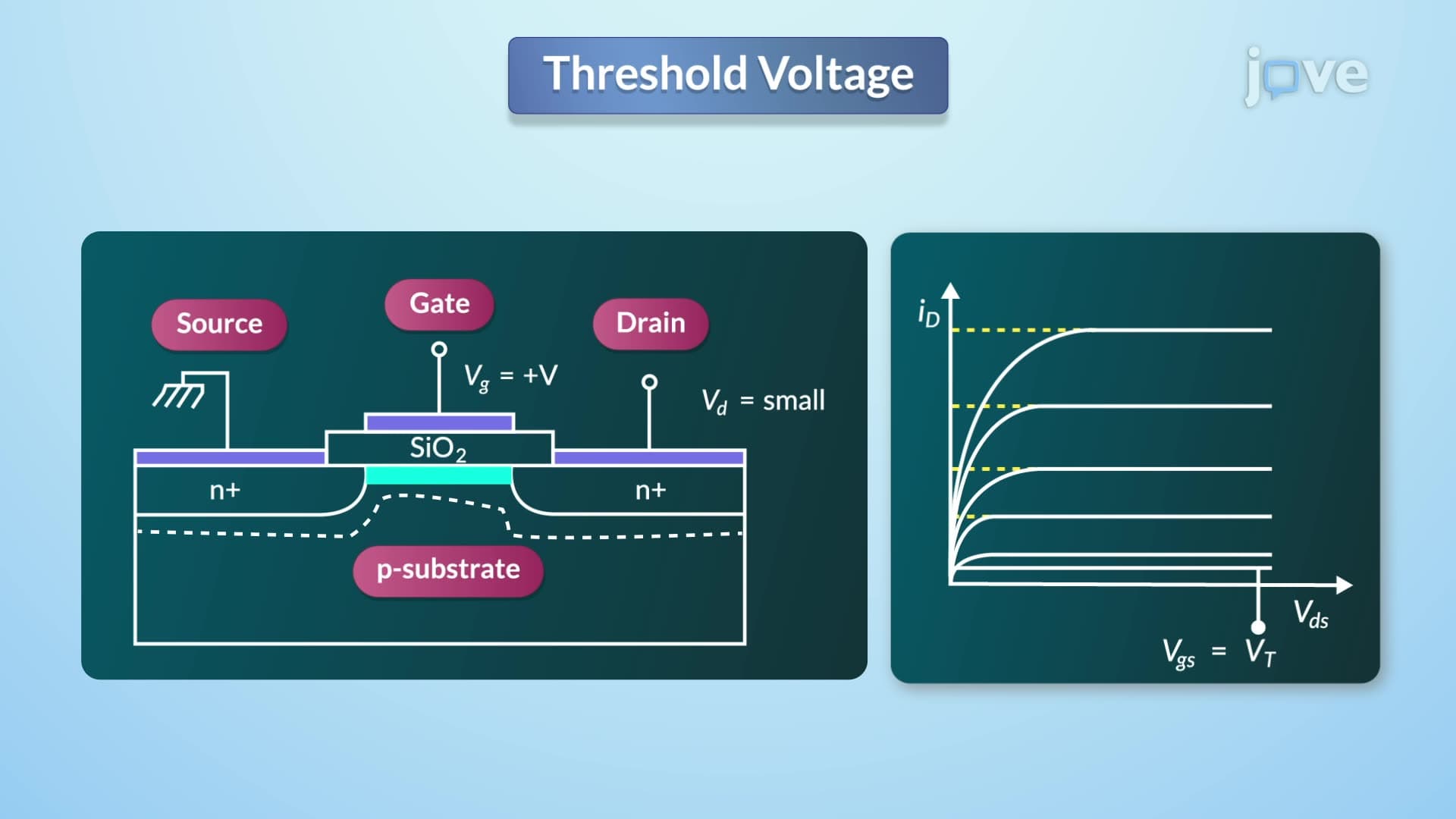
Two critical parameters define depletion-mode MOSFET behavior in mosfet amplifiers configurations. The threshold voltage (VT) represents the negative gate-source voltage required to completely shut off the channel-typically ranging from -2V to -8V for commercial devices. The saturation current (IDSS) indicates maximum current flow at VGS = 0, often several milliamperes to amperes depending on device size. Students preparing for AP Physics or college electronics courses should memorize these relationships, as they frequently appear in circuit analysis problems.
Major US semiconductor companies like Analog Devices and Linear Technology extensively use depletion-mode MOSFETs in power management applications. These devices excel as current sources in operational amplifier designs, load resistors in logic circuits, and essential components in switch-mode power supplies. Their normally-on characteristic provides inherent protection in automotive and aerospace applications where circuit failure must default to a safe, conductive state. Understanding these applications helps students connect theoretical knowledge to real-world engineering challenges encountered in internships at companies like Intel or Qualcomm.
Related Micro-courses