Loading video…


 20 Concepts
 16.9K views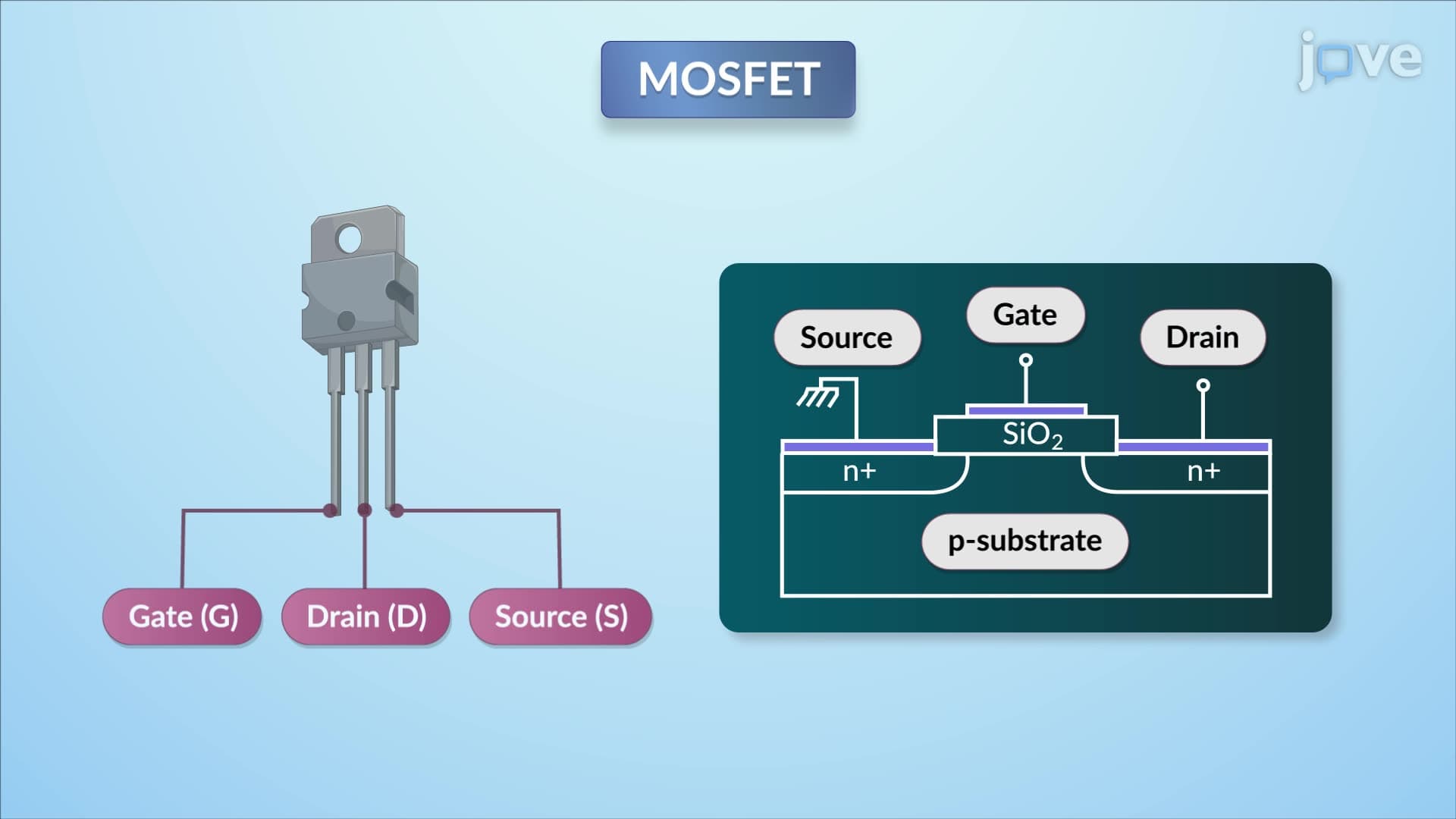

Video Summary: What Is Mosfet
The characteristics of mosfet devices power every smartphone, laptop, and Tesla you encounter daily, making them the world's most manufactured device with over 13 sextillion produced since 1960. Understanding what is MOSFET reveals how these three-terminal semiconductor switches control current flow through voltage manipulation, enabling everything from your iPhone's processor to electric vehicle power systems. Watch the full video on JoVE Coach to master this concept with expert-led visuals and step-by-step explanations.
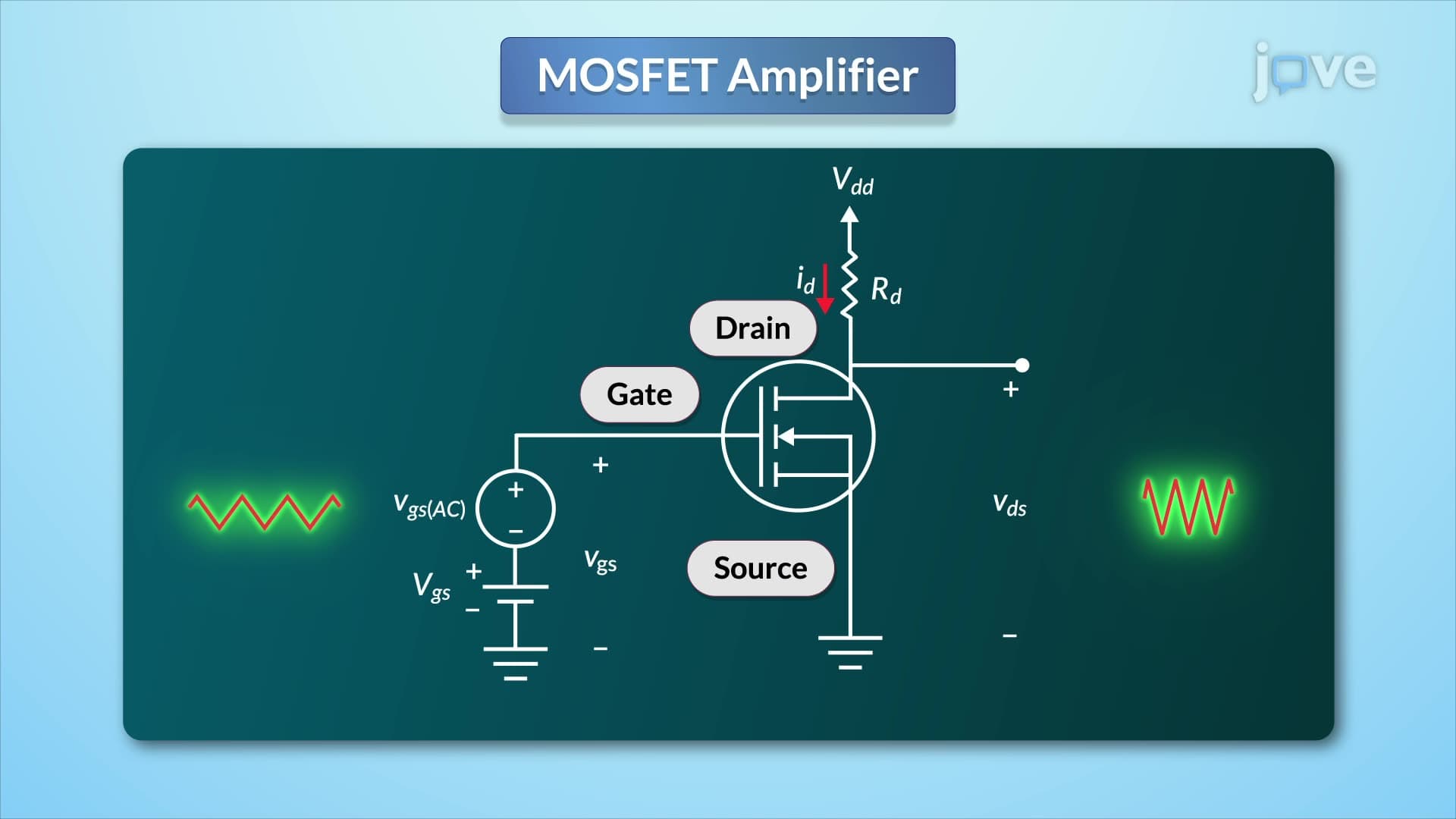
The Metal-Oxide-Semiconductor Field-Effect Transistor (MOSFET) represents one of the most crucial innovations in semiconductor technology, forming the backbone of virtually every electronic device we use today. From the processors in smartphones to the power controllers in electric vehicles, MOSFETs enable precise control of electrical current through voltage manipulation.
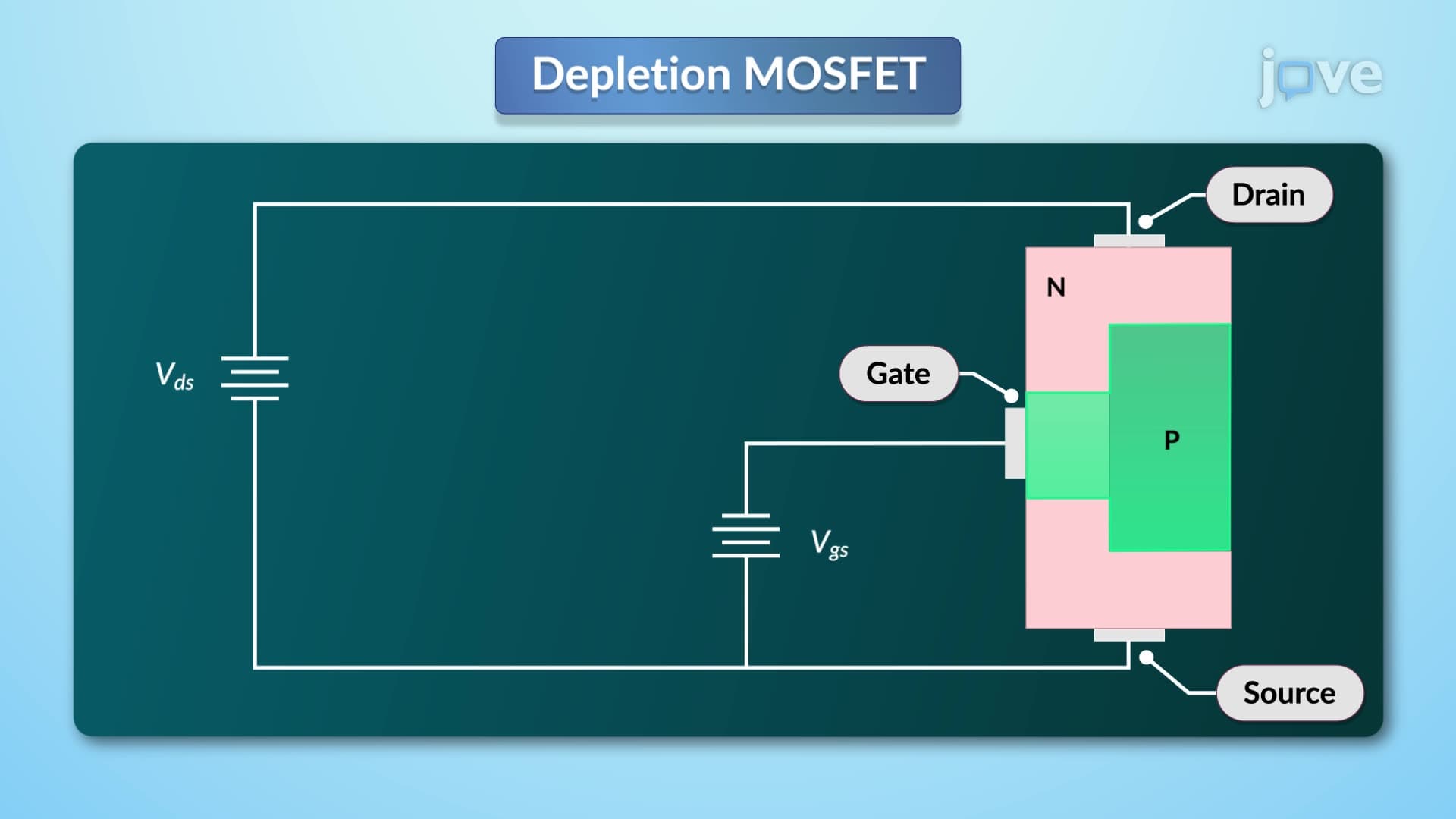
The characteristics of mosfet devices fundamentally depend on their channel type. N-channel MOSFETs use electrons as charge carriers and require positive gate voltages for operation, making them faster and more common in digital circuits. P-channel MOSFETs utilize holes as charge carriers and operate with negative gate voltages. This complementary behavior enables CMOS (Complementary Metal-Oxide-Semiconductor) technology, which powers everything from microprocessors to memory chips.
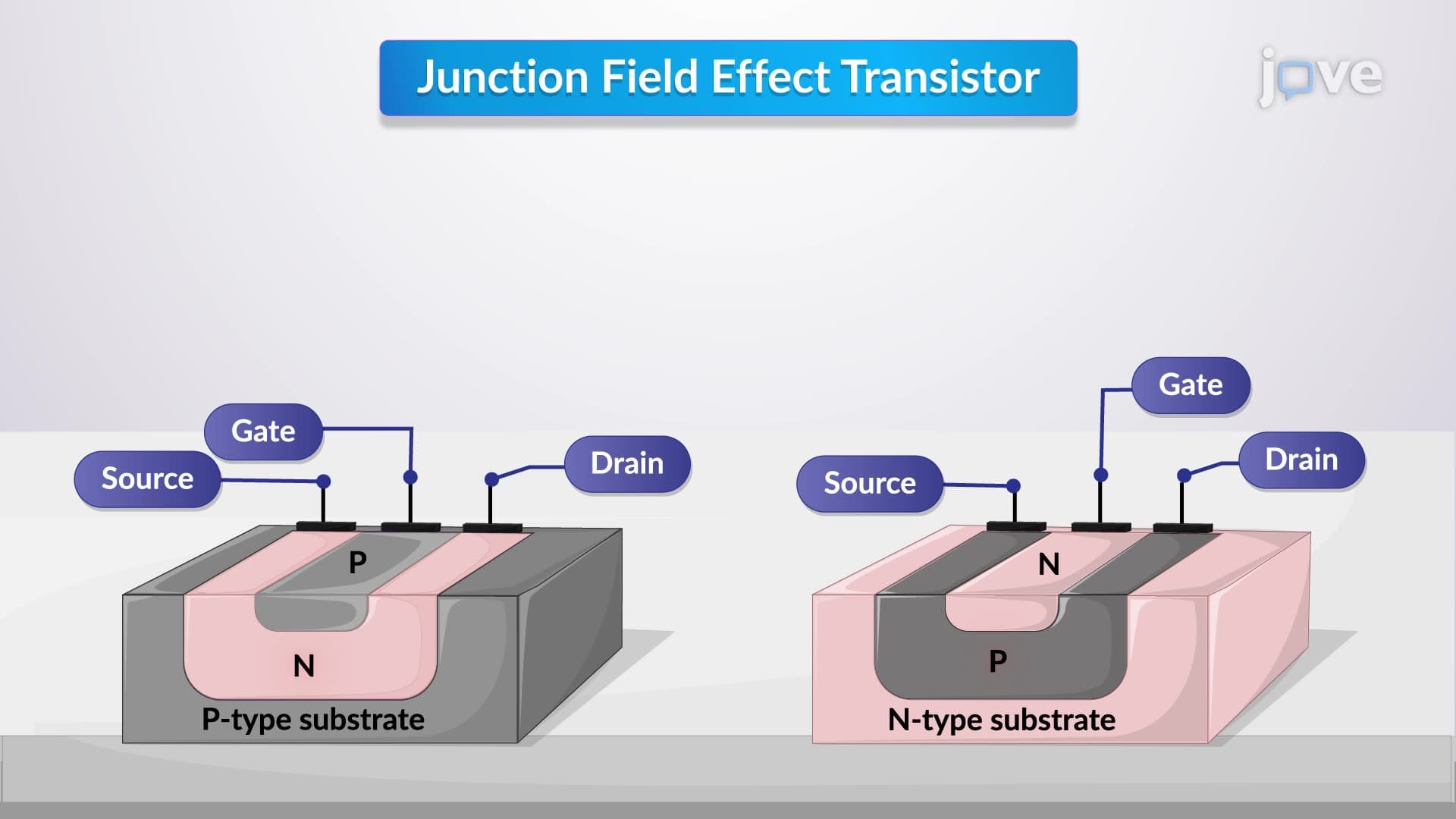
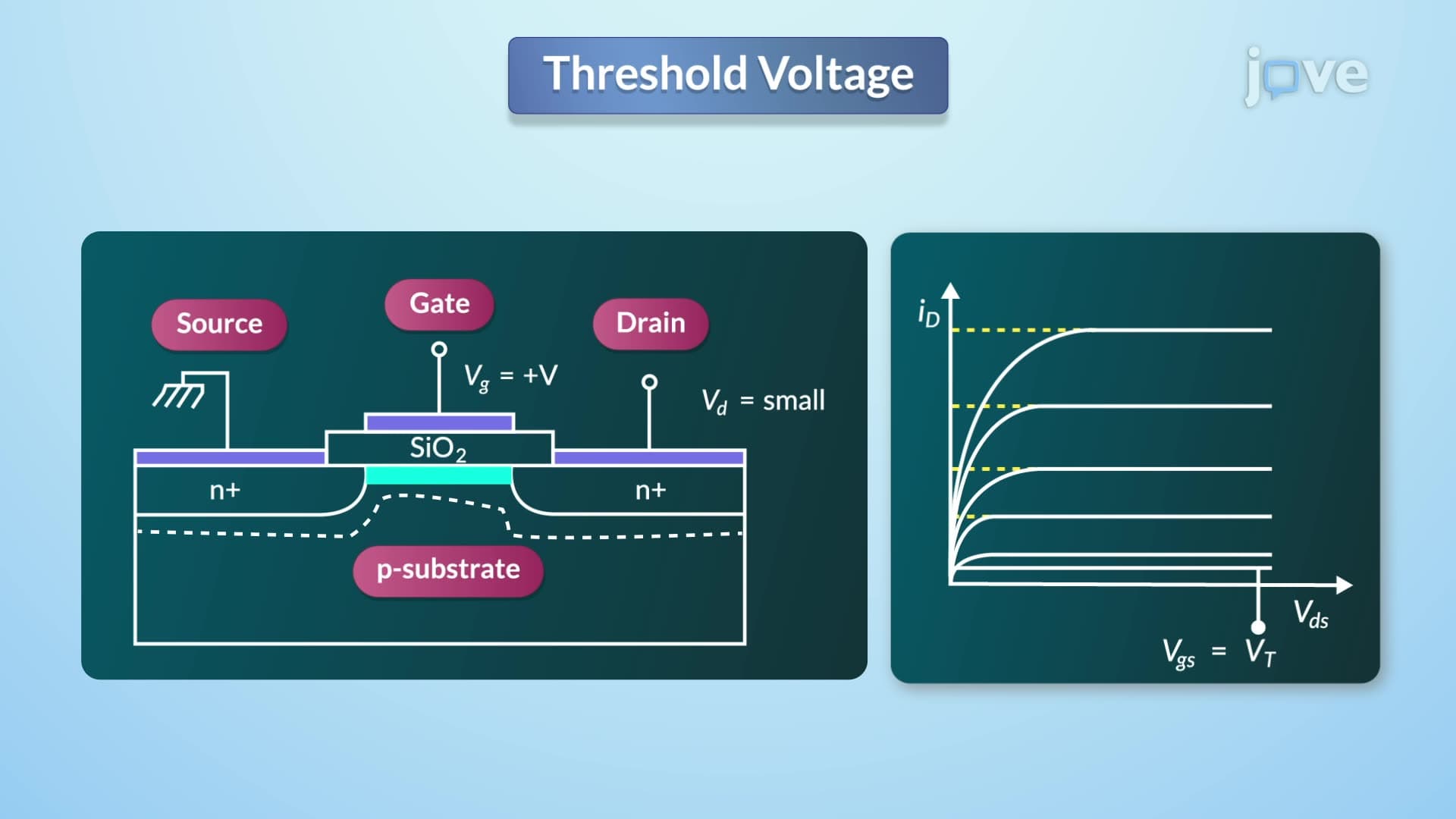
In n-channel devices, the substrate contains p-type material with heavily doped n-type source and drain regions. When positive voltage is applied to the gate, it creates an electric field that attracts electrons from the substrate, forming a conductive channel between source and drain. This inversion layer allows current to flow, with the channel conductance directly proportional to gate voltage.
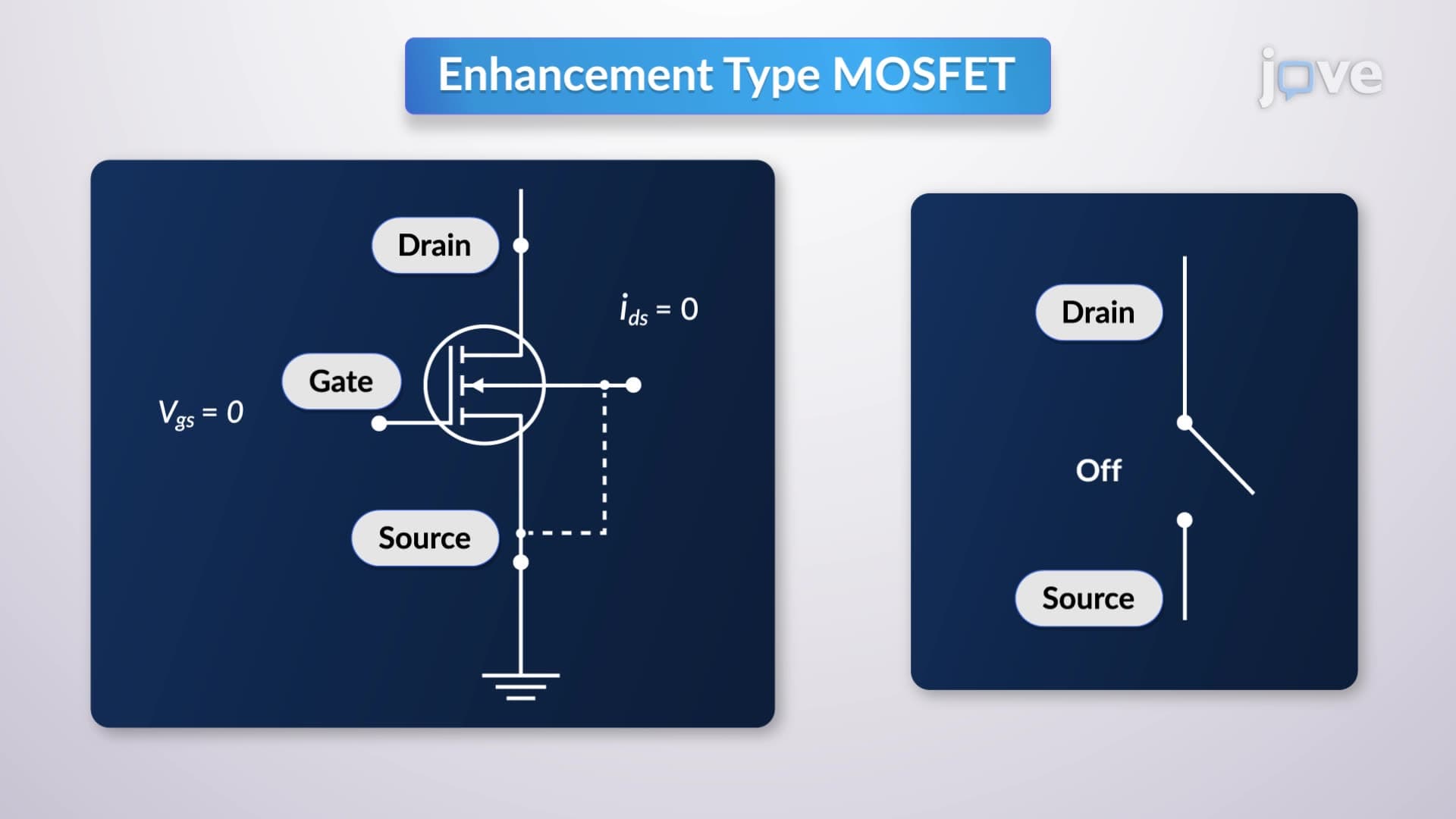
MOSFETs operate in three distinct regions that define their characteristics of mosfet overview. The cutoff region occurs when gate voltage is below the threshold voltage, resulting in minimal current flow. The triode or linear region provides proportional current control, making it ideal for analog applications and voltage-controlled resistors. The saturation region maintains constant current regardless of drain voltage increases, perfect for amplifier and switching applications.
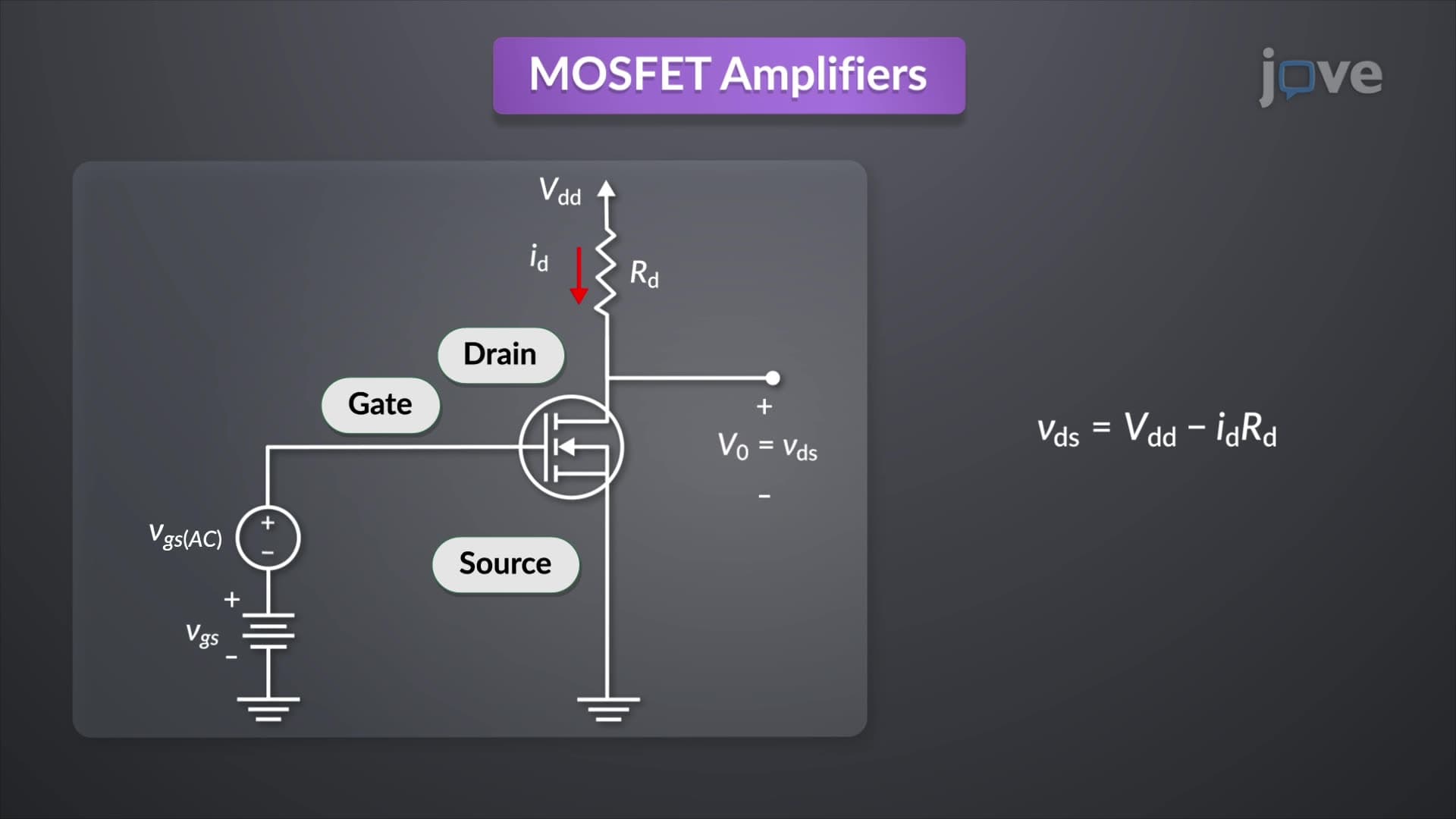
These operating characteristics make MOSFETs invaluable in both analog and digital circuits. In digital applications like computer processors, they function as ultra-fast switches, enabling billions of operations per second. In analog circuits, they serve as precision amplifiers and voltage regulators.
Understanding characteristics of mosfet basics proves essential for students pursuing electrical engineering, computer science, or physics. AP Physics courses often include MOSFET principles when covering semiconductor devices, while college-level electronics courses delve deeply into their mathematical models and circuit applications. Major US universities like MIT and Stanford emphasize MOSFET design in their electrical engineering curricula, as these devices remain fundamental to semiconductor industry careers at companies like Intel, AMD, and NVIDIA.
Related Micro-courses