Loading video…


 20 Concepts
 16.9K views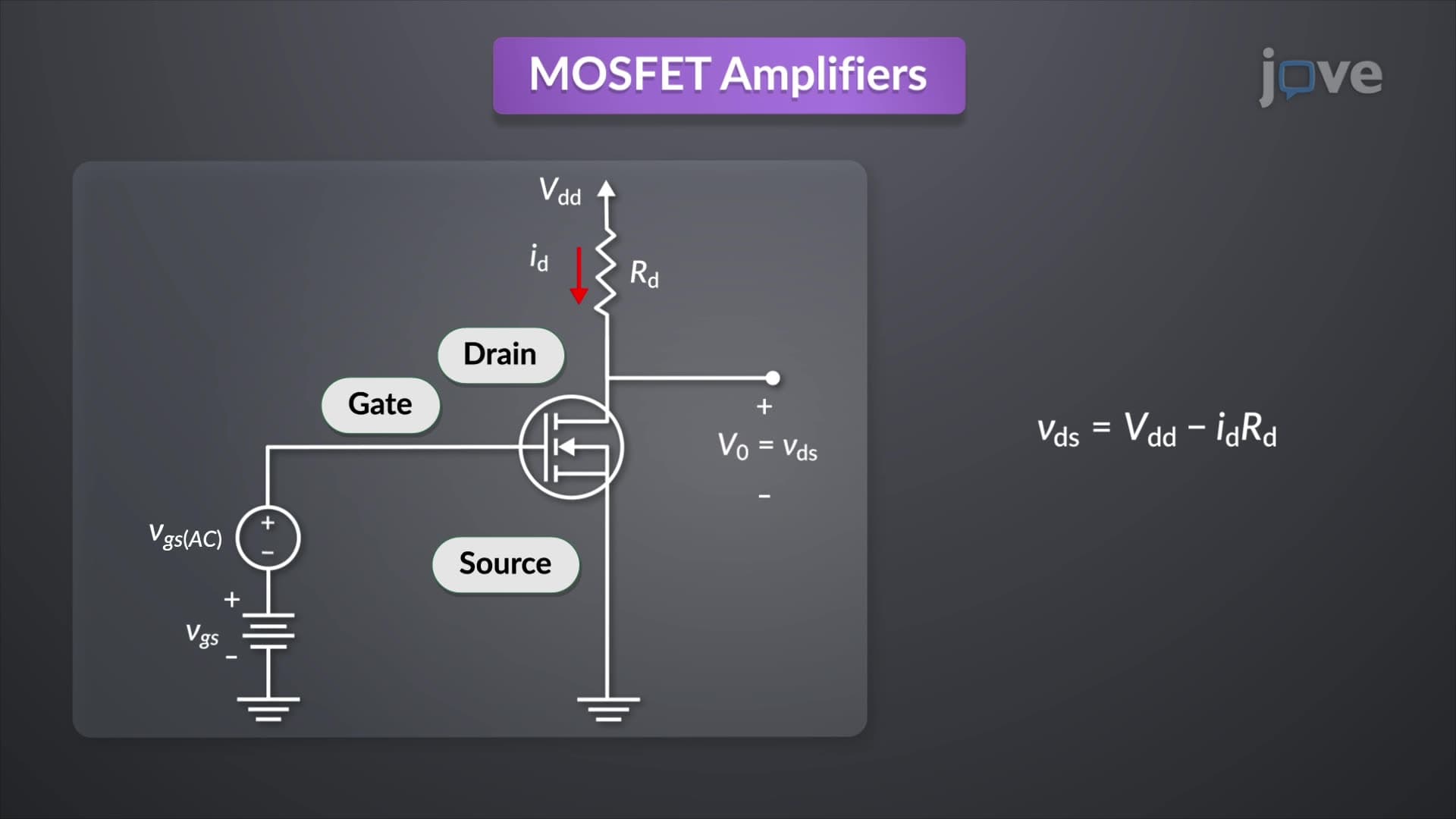

Video Summary: What are Mosfet Amplifiers
Ever wonder how your smartphone amplifies audio signals with perfect clarity? Small signal analysis of MOSFET amplifiers reveals the secret behind this electronic wizardry. From Apple's iPhone processors to Tesla's electric vehicle controllers, these voltage-controlled devices transform tiny input signals into powerful outputs. What are MOSFET Amplifiers demonstrates how engineers achieve linear amplification by operating within the transistor's active region using strategic DC biasing. Watch the full video on JoVE Coach to master this concept with expert-led visuals and step-by-step explanations.
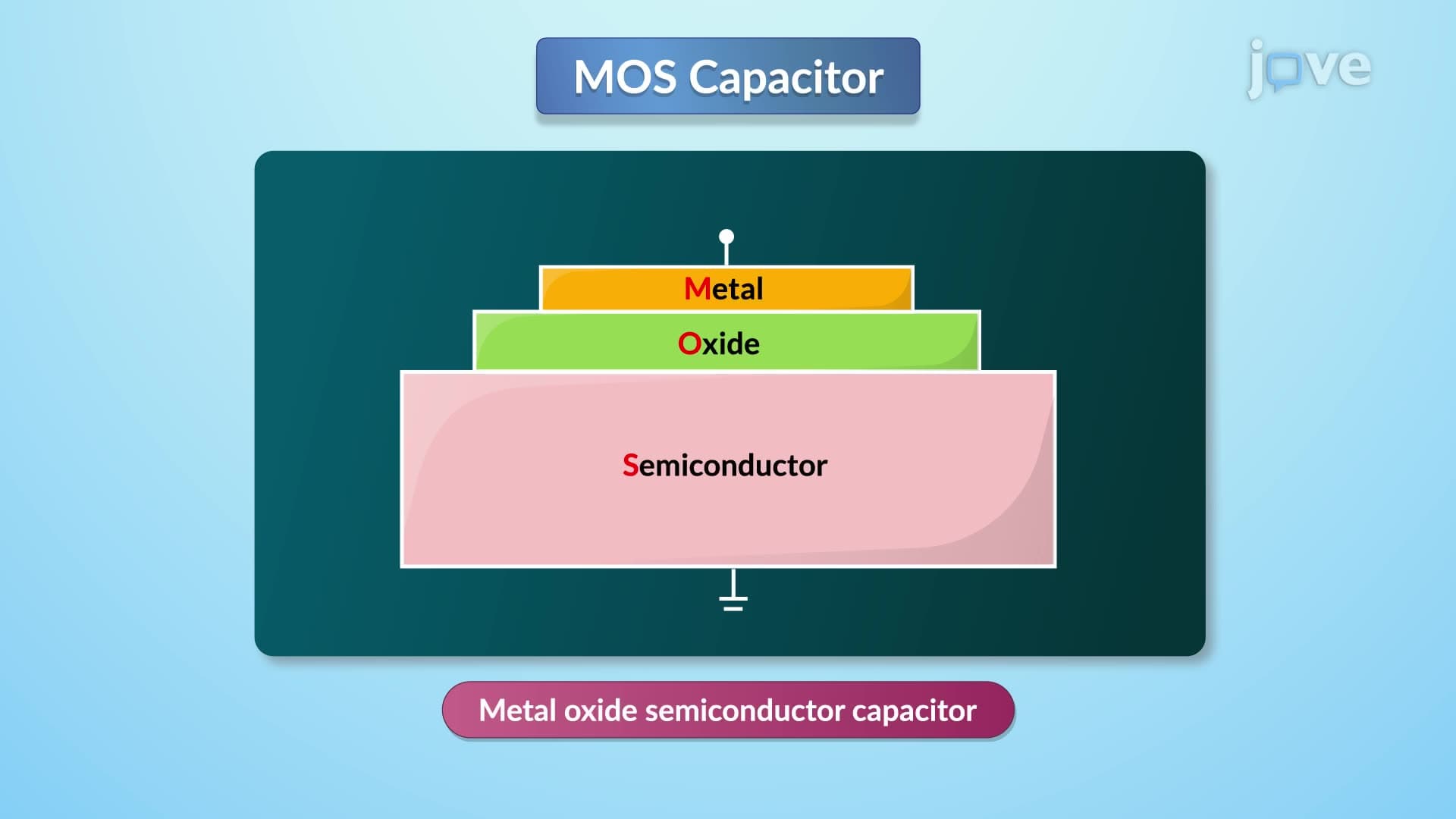
MOSFET amplifiers represent one of the most fundamental building blocks in modern electronics, serving as the backbone of everything from smartphone processors to electric vehicle power systems. These Metal-Oxide-Semiconductor Field-Effect Transistor devices operate by using an electric field to control current flow, making them incredibly efficient and versatile for amplification applications.
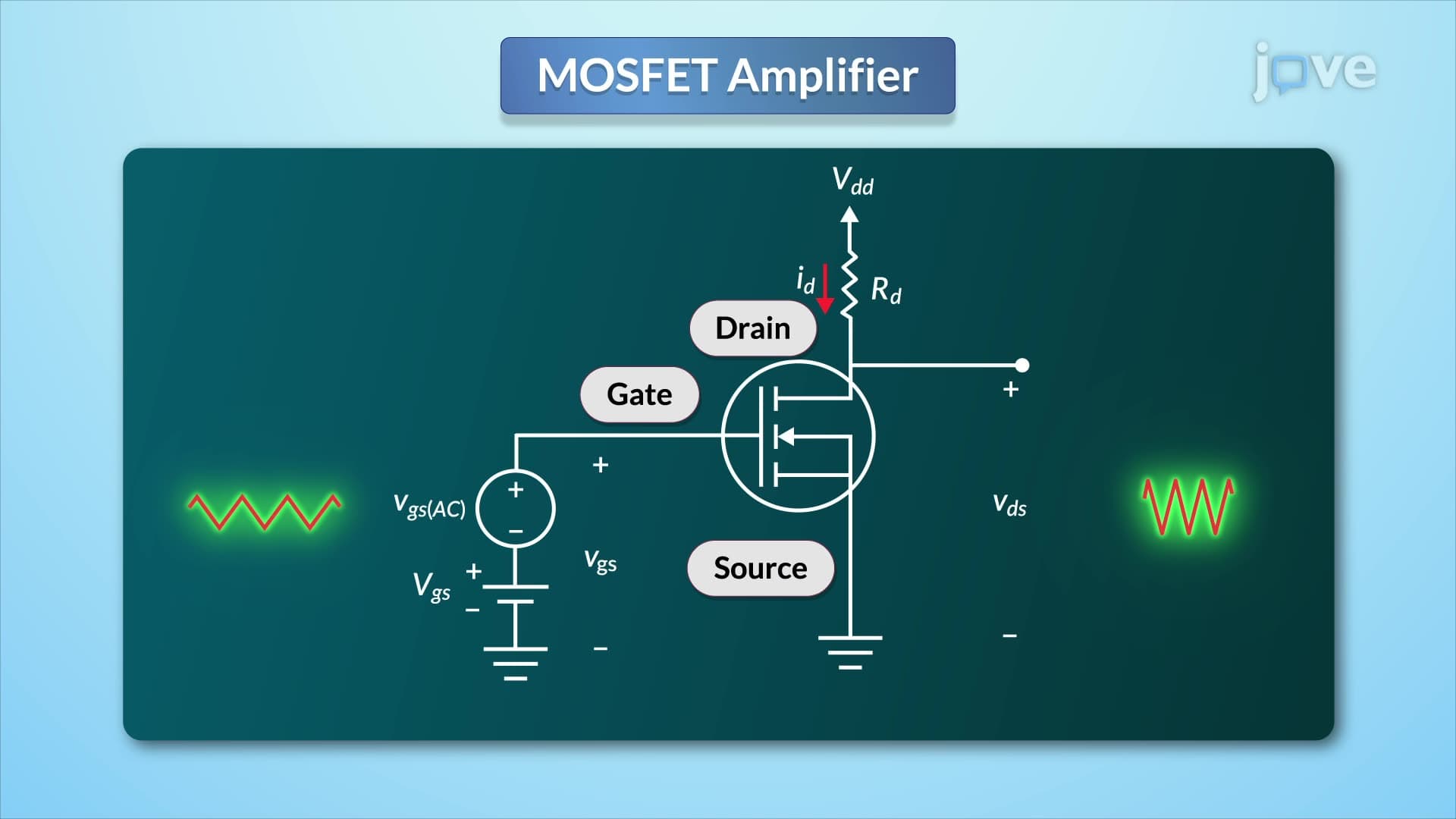
Small signal analysis of MOSFET amplifiers focuses on how these devices handle tiny AC signals superimposed on larger DC operating points. When engineers at companies like Intel or AMD design microprocessors, they rely on this analysis to ensure each transistor amplifies digital signals correctly. The key lies in the transconductance parameter, which defines how changes in gate-to-source voltage translate to variations in drain current.
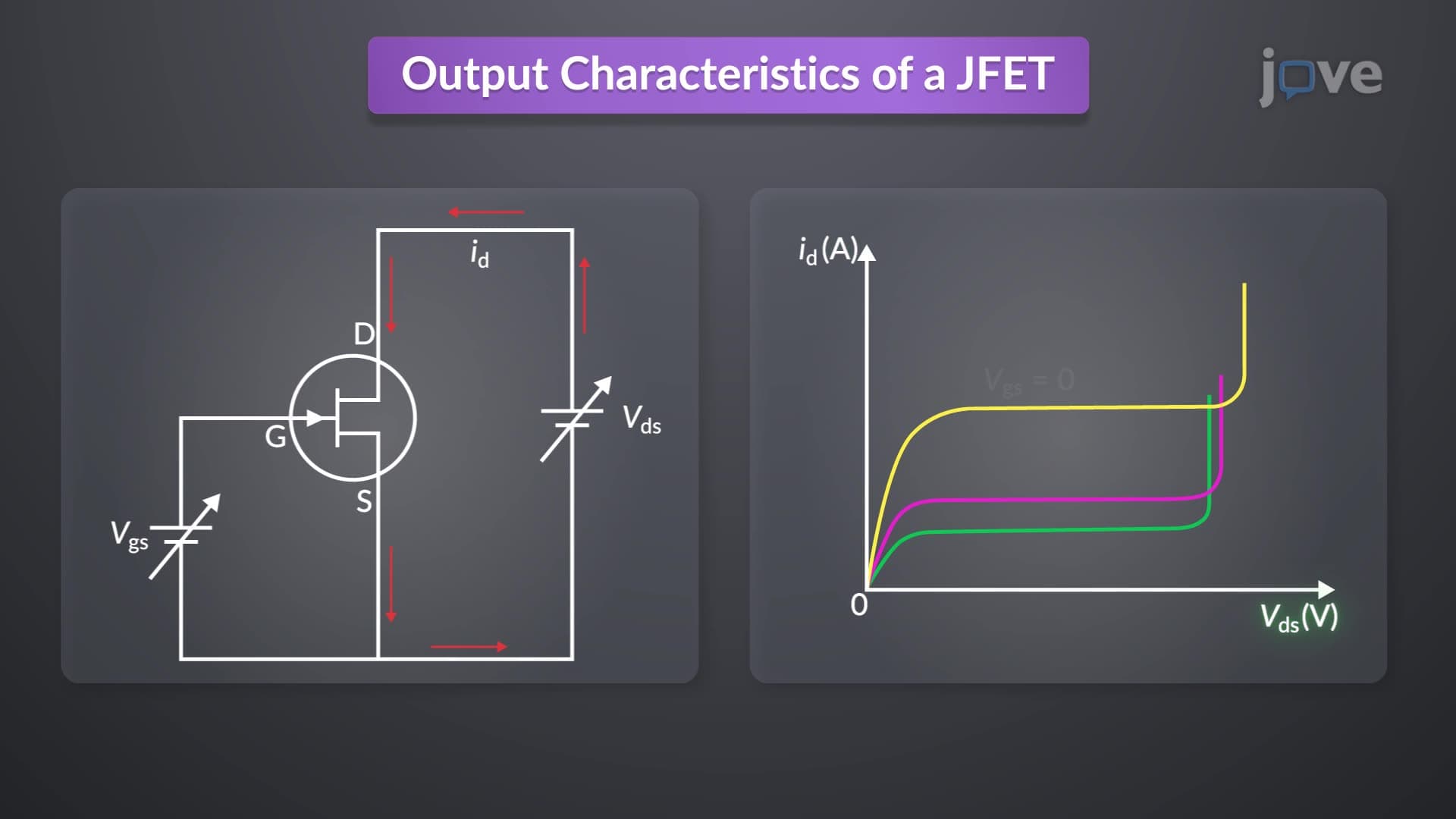
The mathematical relationship follows the equation: id = gm × vgs, where gm represents transconductance and typically ranges from 1-100 mS in practical circuits. This linear relationship only holds true when the MOSFET operates within its active region, making proper biasing crucial for faithful signal reproduction.
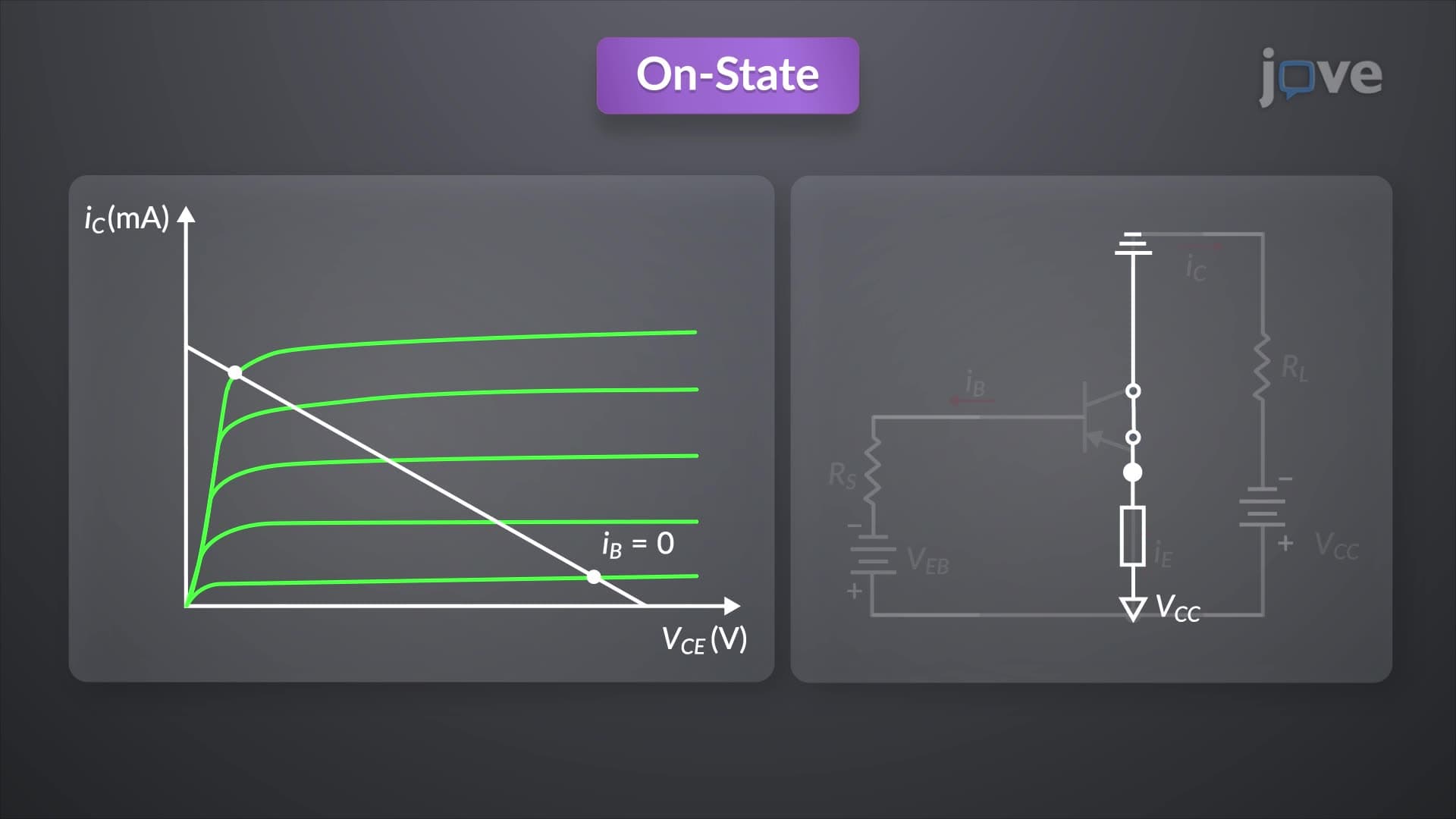
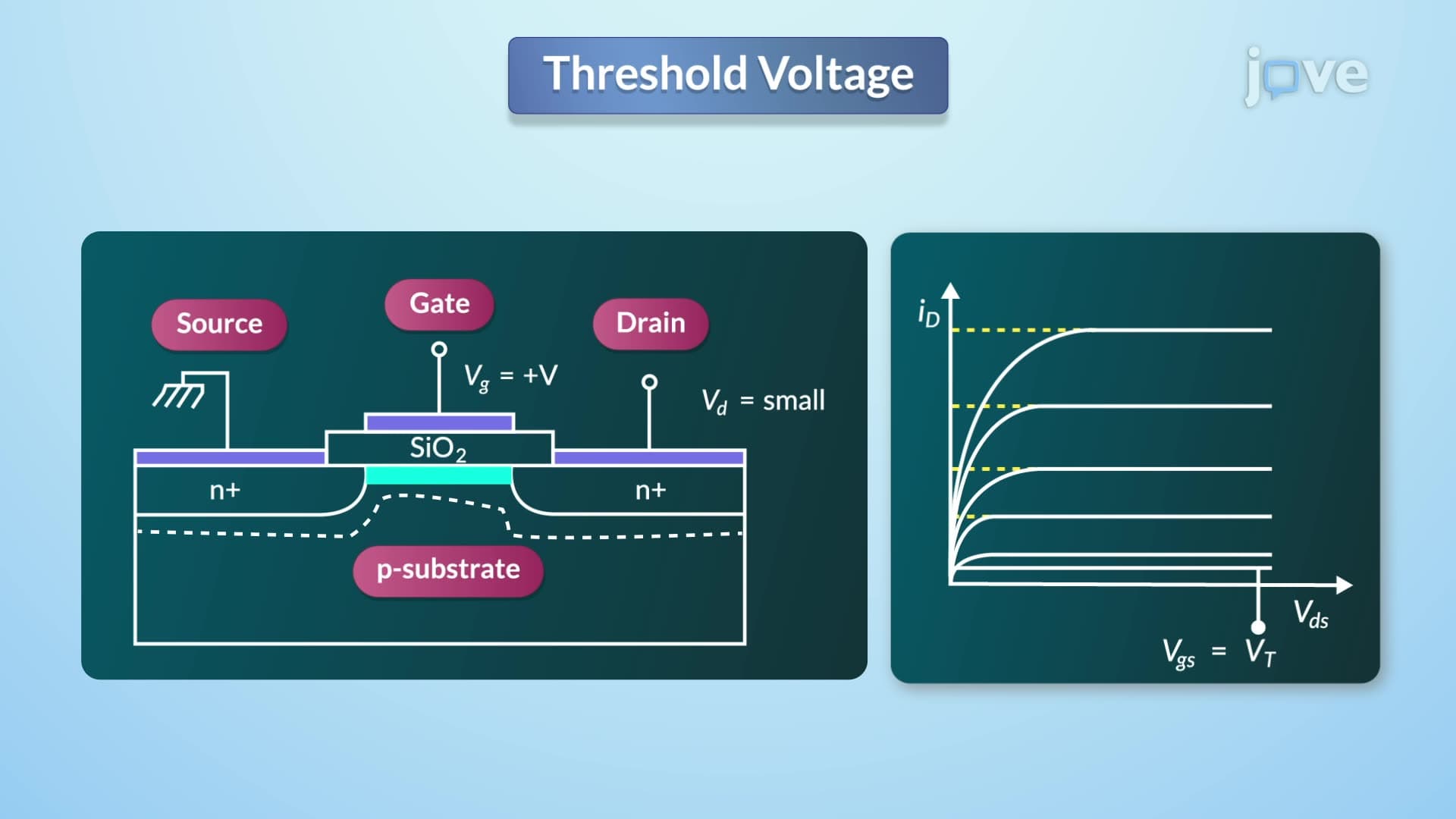
Establishing the correct quiescent point (Q-point) determines whether your MOSFET amplifier will produce clean, distortion-free output or unwanted signal clipping. Engineers achieve this by applying a DC gate-to-source voltage that positions the operating point in the middle of the active region. For college students preparing for electrical engineering exams, understanding Q-point analysis often appears in AP Physics C and introductory circuit analysis courses.
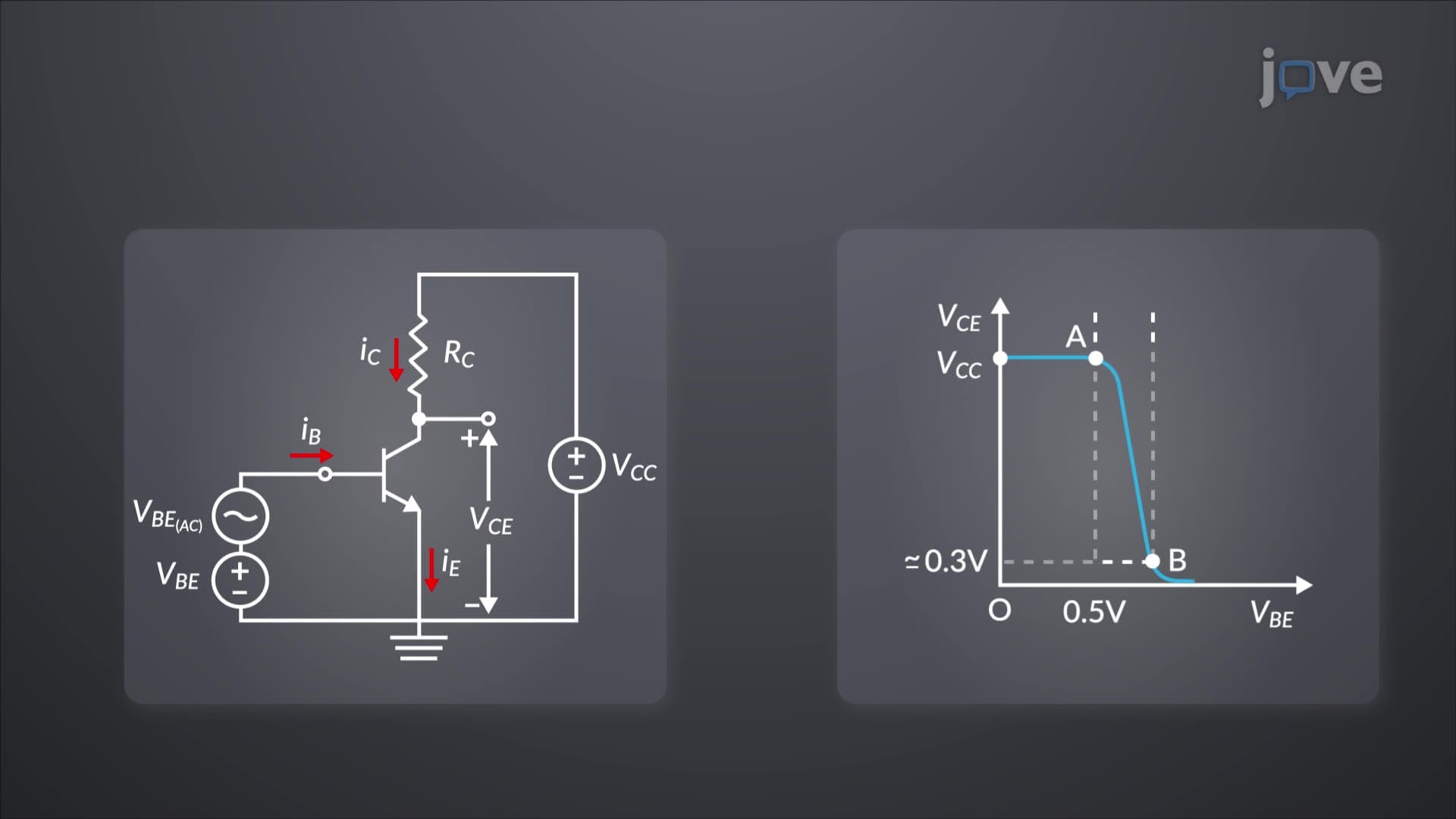
The voltage-transfer characteristic curve illustrates this concept graphically, showing how output voltage relates to input voltage. The steepest portion of this curve represents maximum voltage gain, but students must balance this against linearity requirements for undistorted amplification.
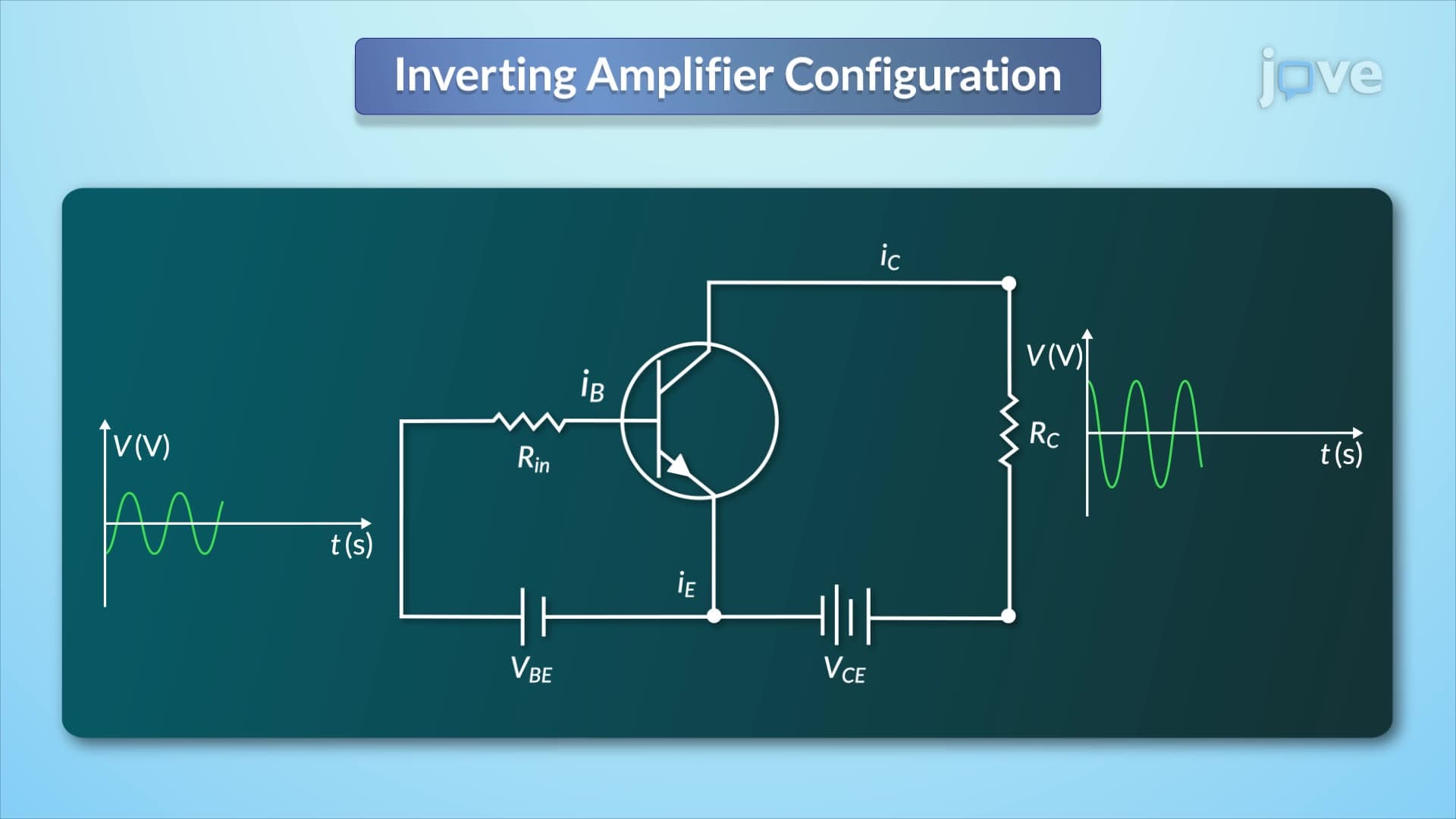
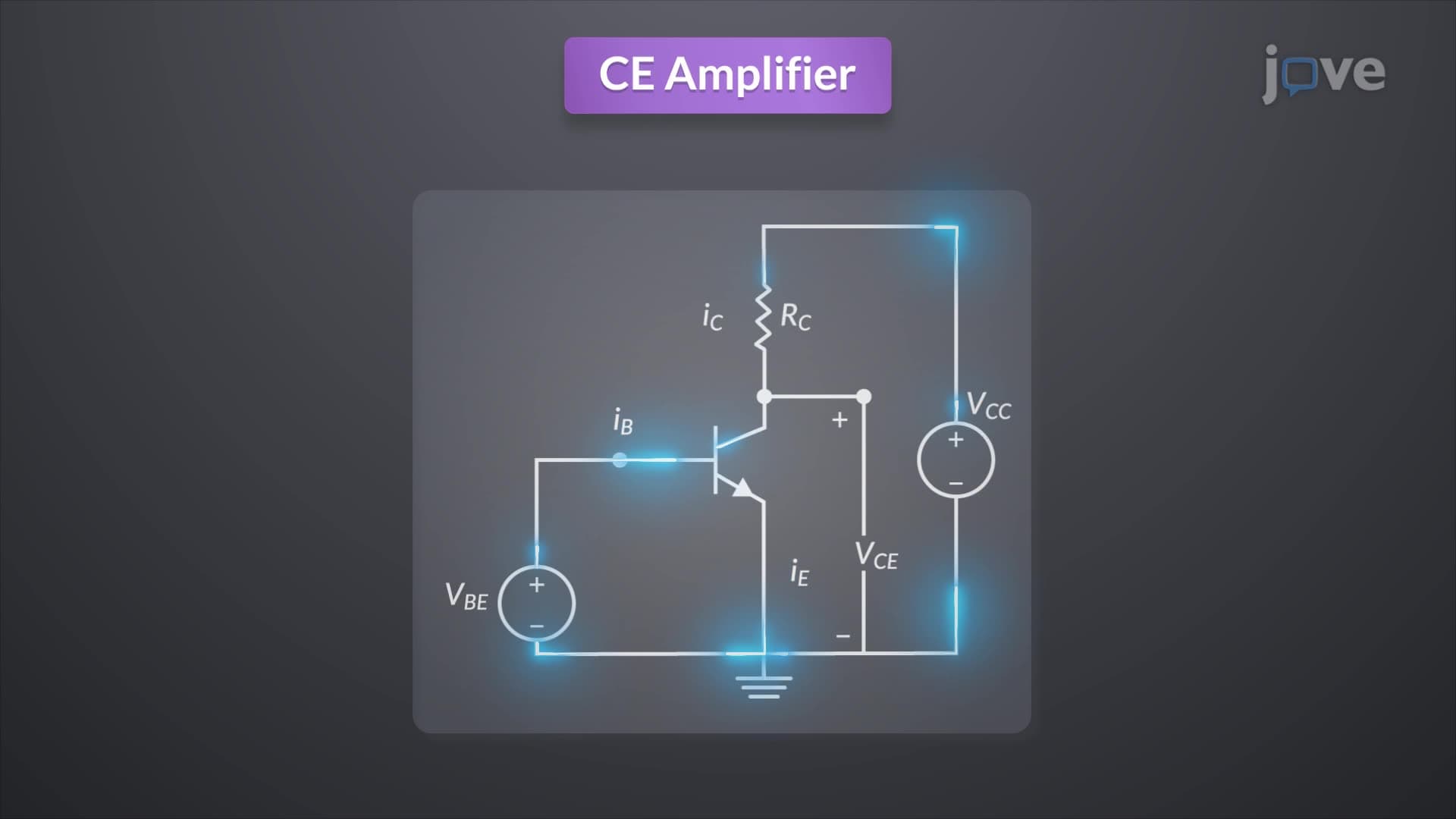
Real-world MOSFET amplifiers require careful attention to load resistance selection and power supply design. When current flows through the drain resistance, it creates a voltage drop that, when subtracted from the supply voltage, produces an inverted output signal. This inversion characteristic makes MOSFET amplifiers ideal for applications requiring signal phase reversal, such as audio equipment and communication systems.
For students tackling circuit analysis problems on the SAT Subject Tests or college midterms, remember that small signal analysis simplifies complex nonlinear behavior into manageable linear approximations, making hand calculations possible while maintaining engineering accuracy.
Related Micro-courses