Loading video…


 20 Concepts
 16.9K views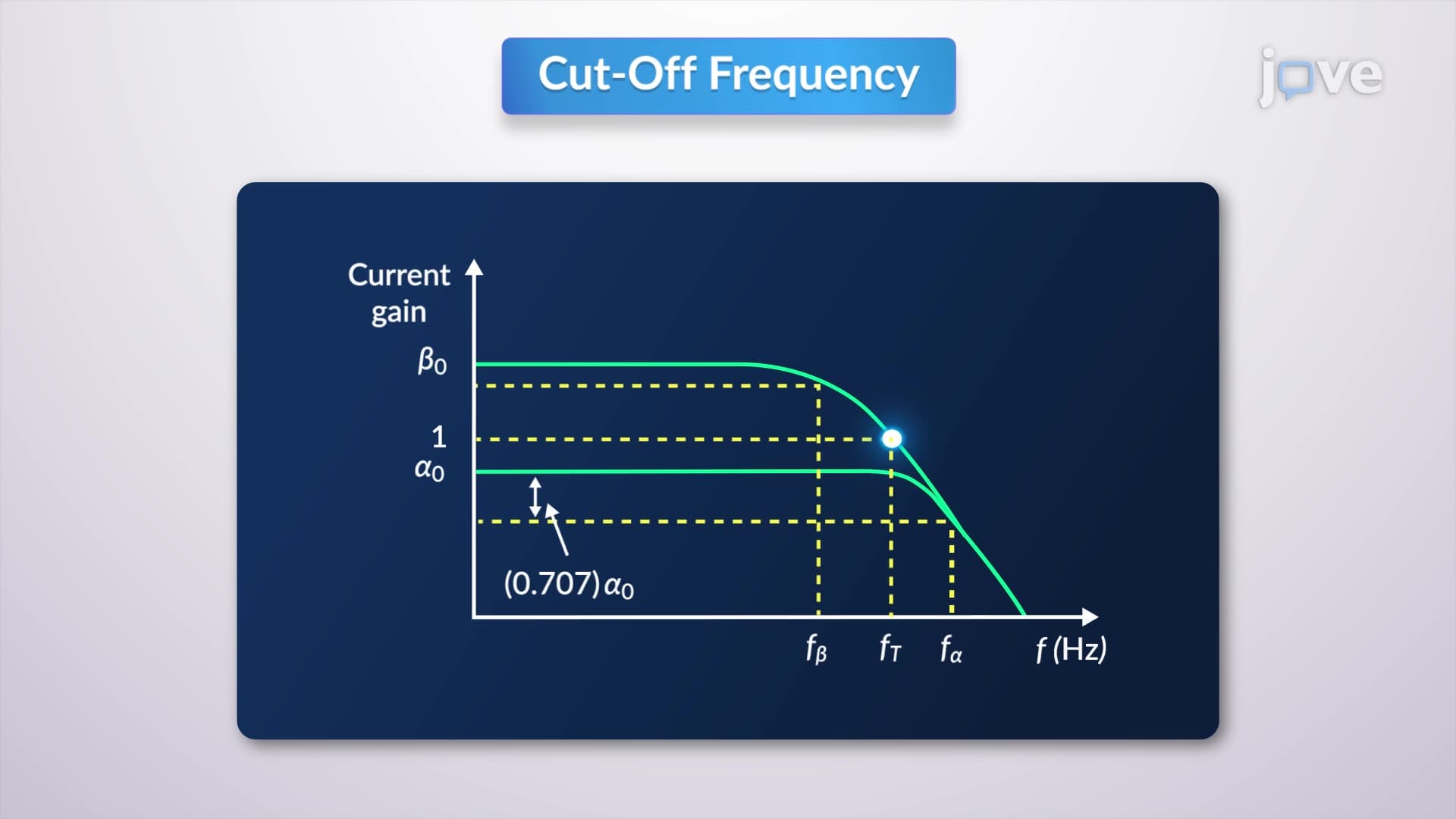

Video Summary: Cut Off Frequency of Bjt Explained
Ever wondered why your smartphone's processor can handle billions of operations per second? The switching of BJT transistors depends critically on their cut off frequency limits. Modern Intel and AMD processors rely on understanding BJT cut off frequency principles to achieve gigahertz-speed performance in devices from gaming laptops to medical equipment. Cut off frequency of BJT explained reveals how current gain drops to 0.707 times its low-frequency value at specific threshold frequencies. Watch the full video on JoVE Coach to master this concept with expert-led visuals and step-by-step explanations.
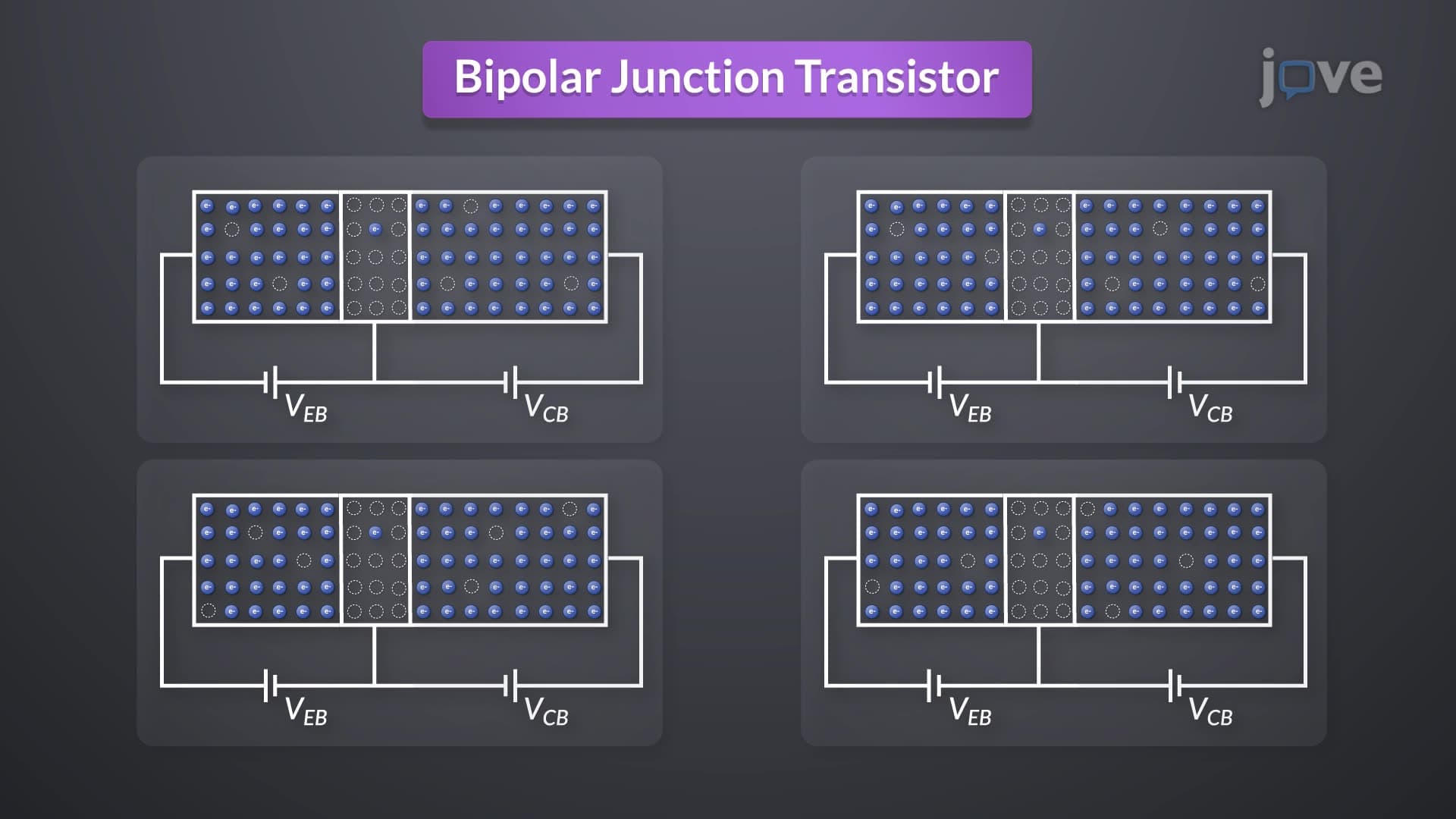
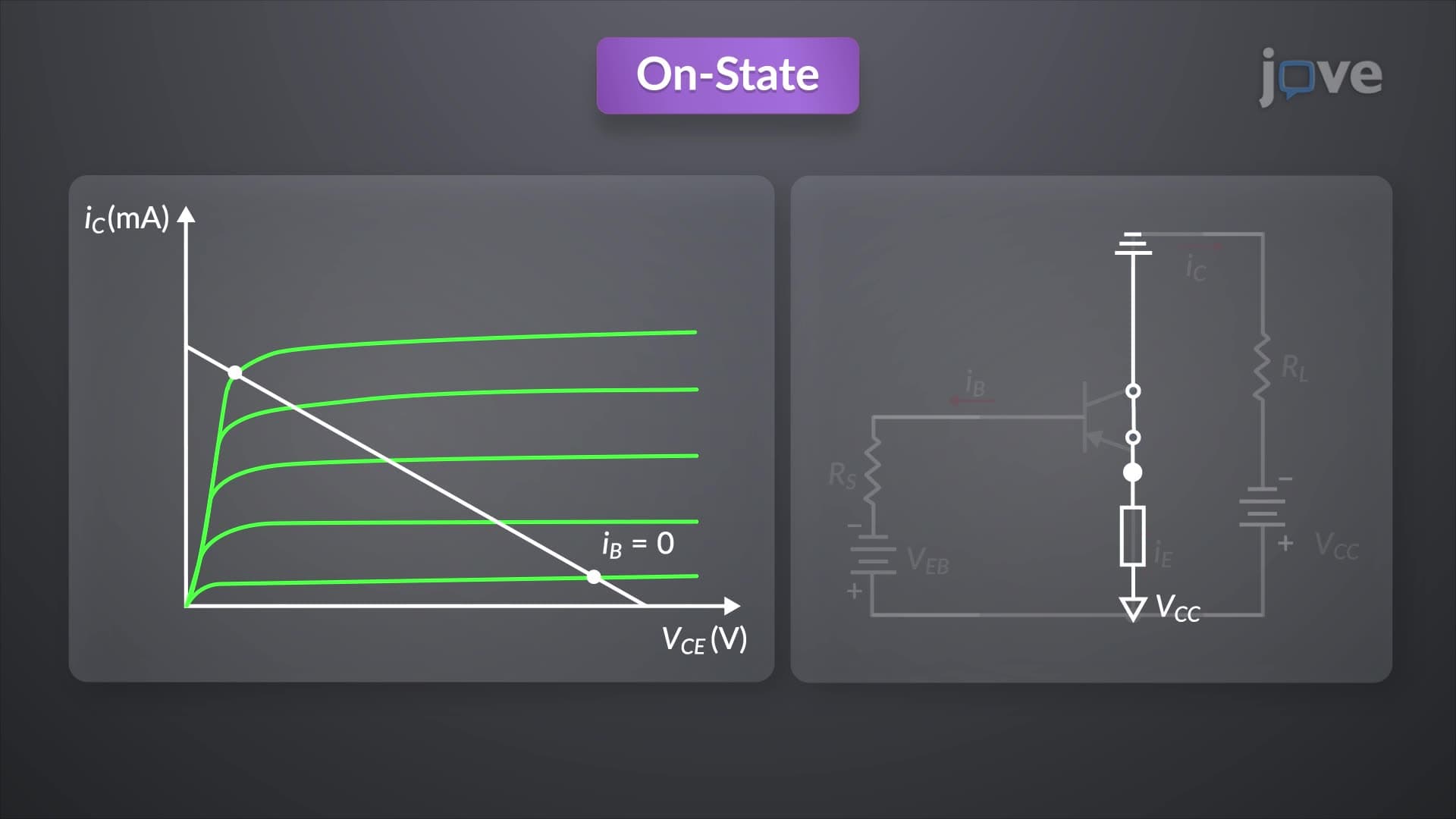
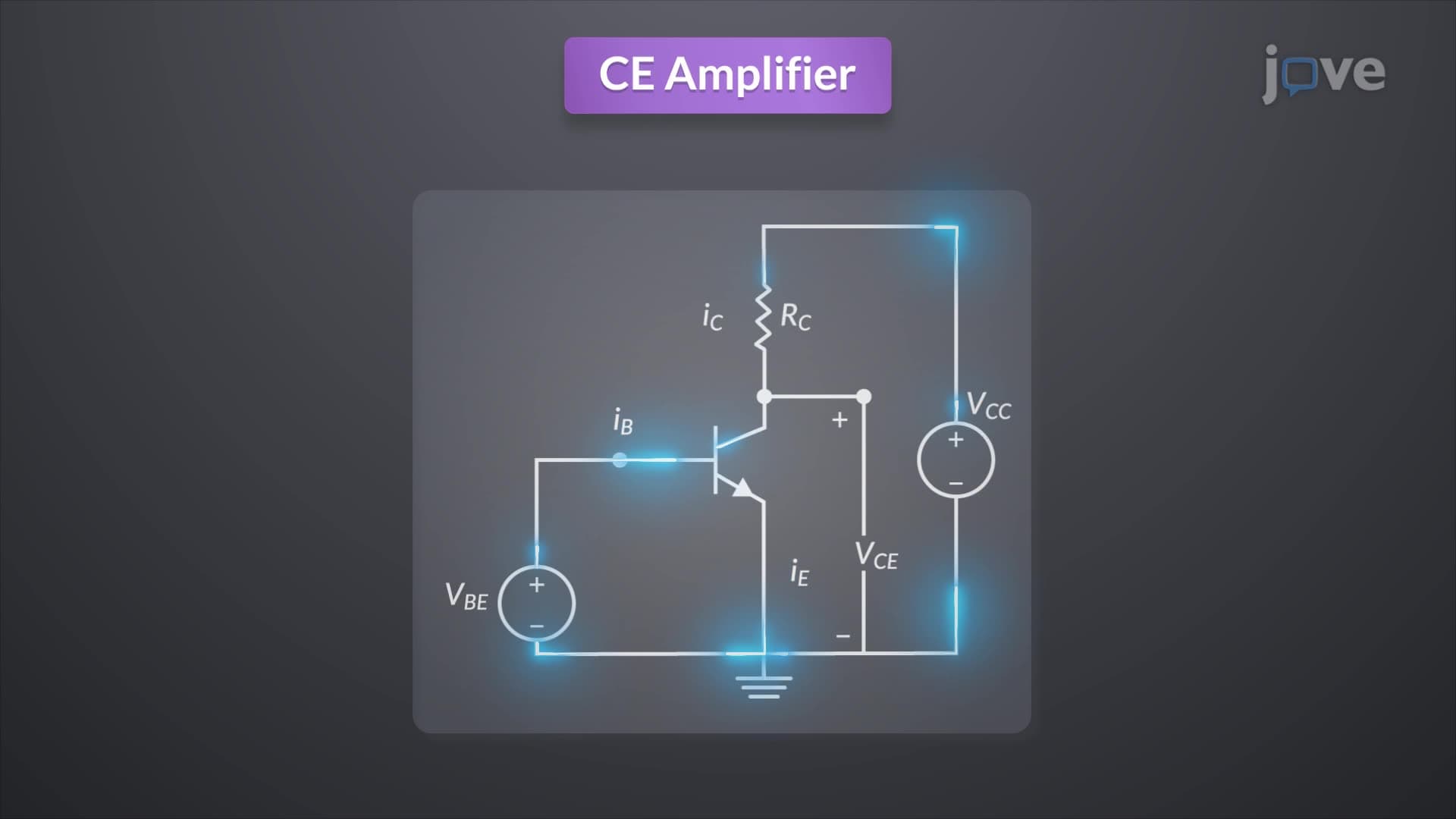
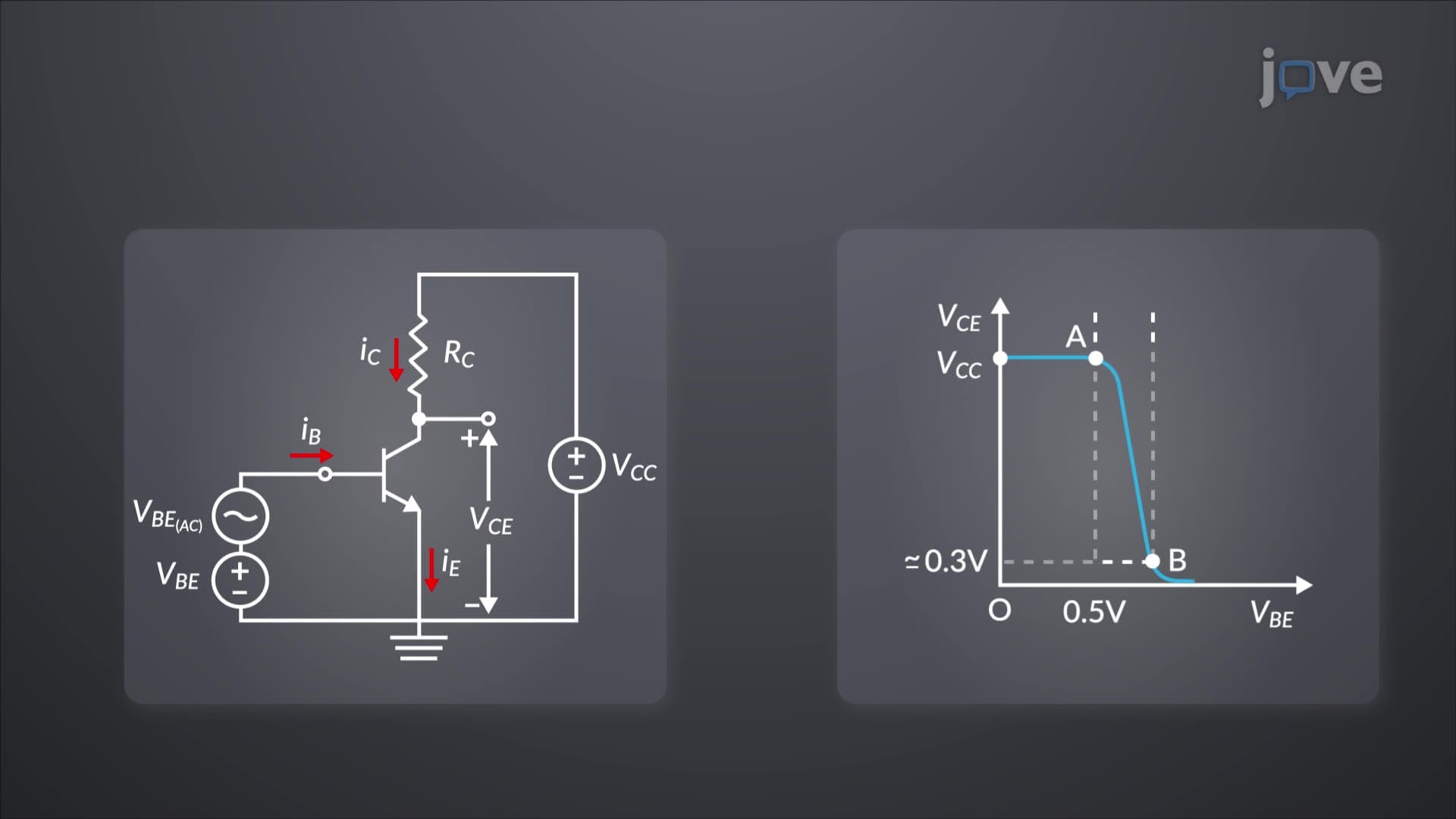
The cut off frequency of BJT represents a critical threshold where transistor performance begins to degrade significantly. At low frequencies, bipolar junction transistors maintain constant current gain, but as signal frequency increases beyond a specific point, the current gain starts dropping. This phenomenon occurs because charge carriers require finite time to traverse the transistor structure, creating inherent speed limitations.
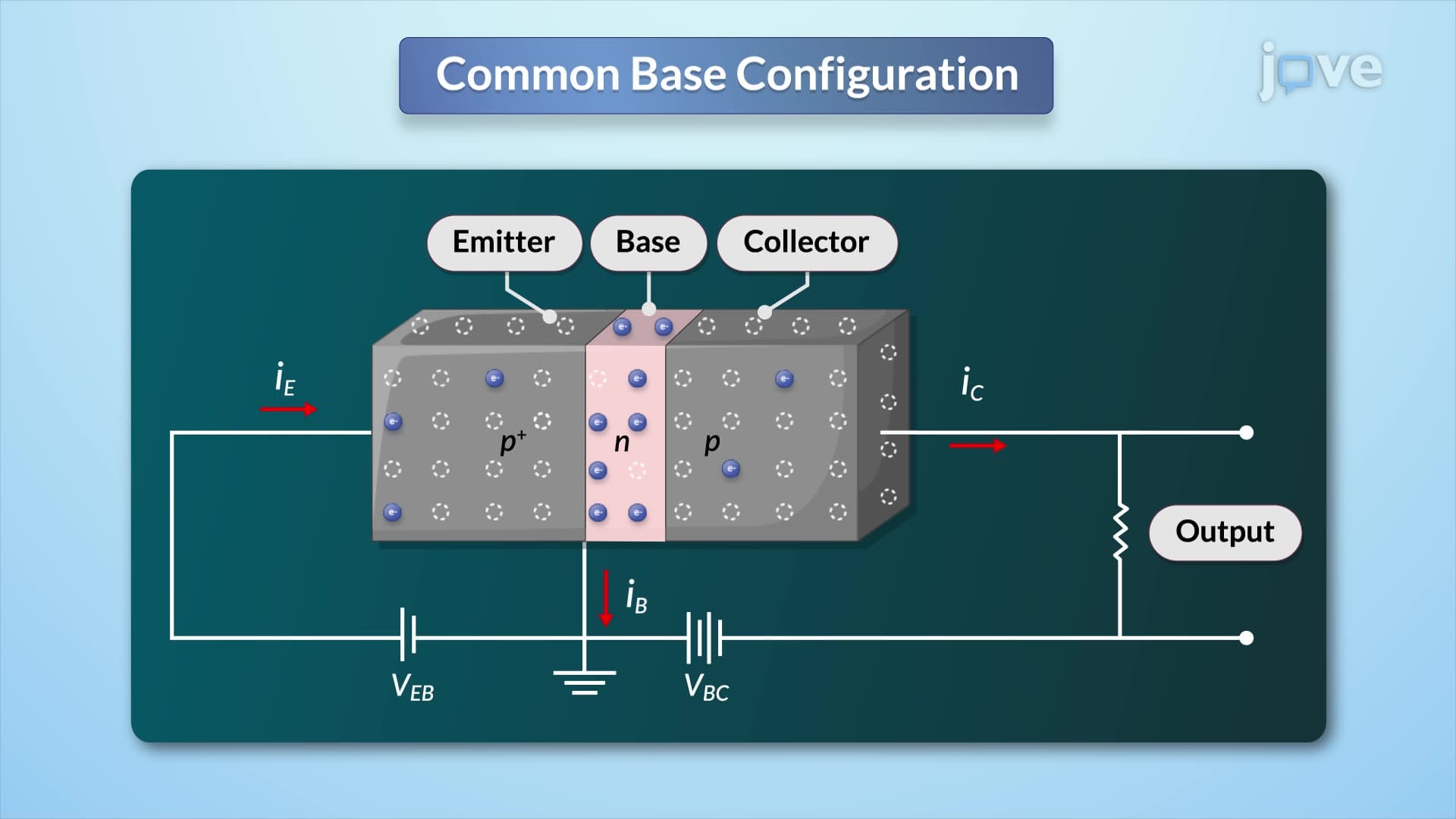
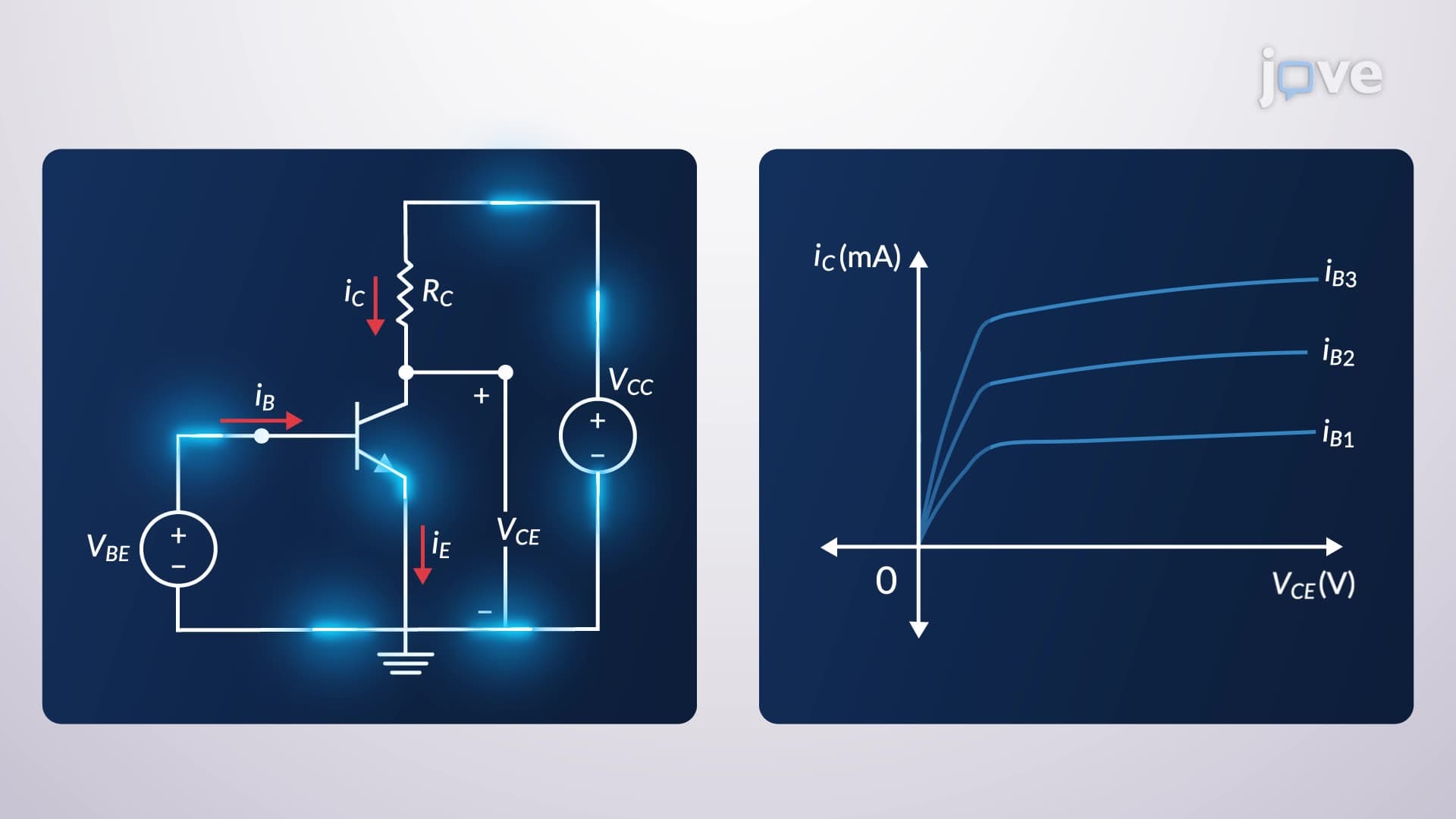
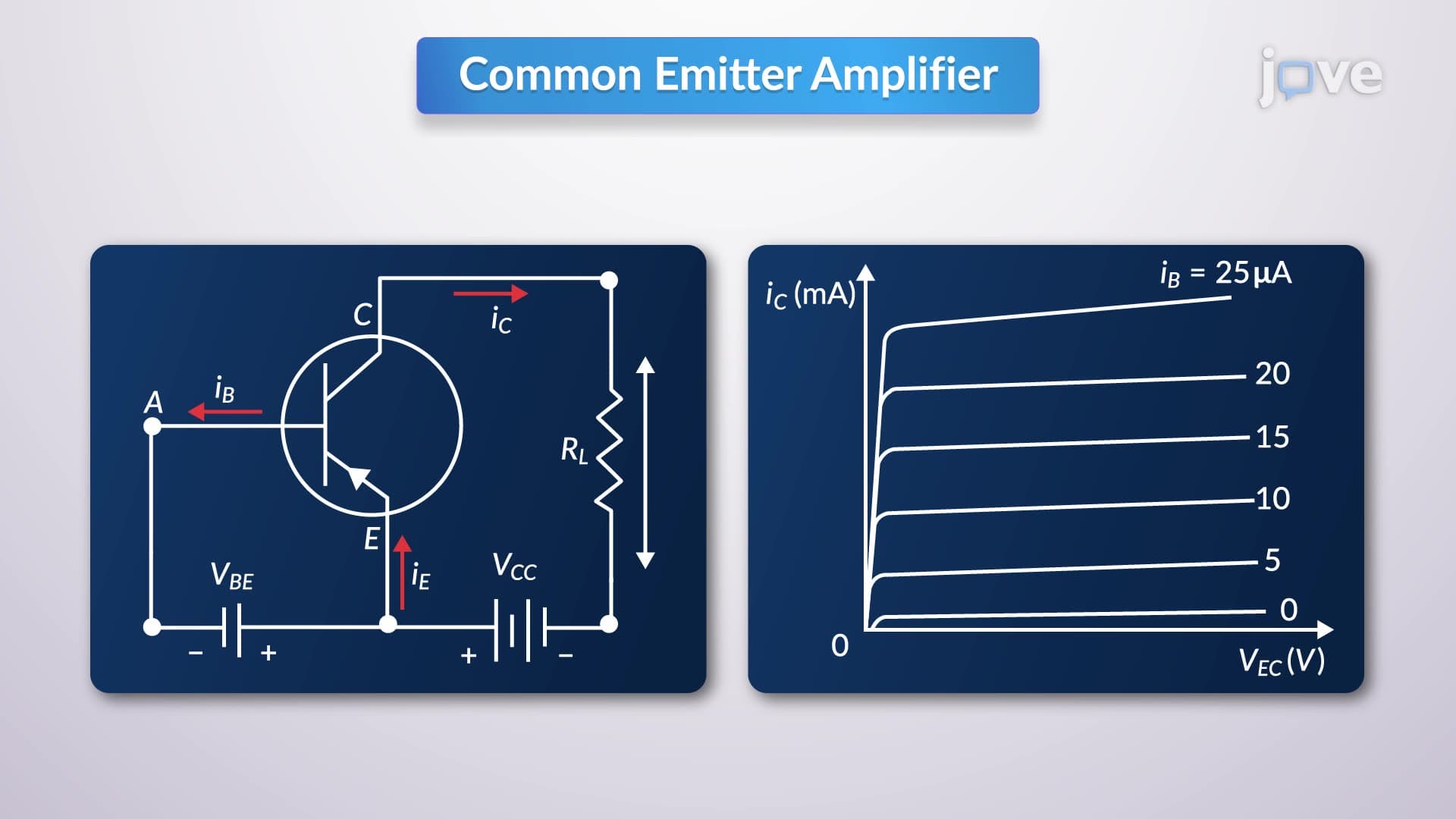
In common base configuration, the alpha cut-off frequency defines where current gain drops to 0.707 times its low-frequency value. This represents the -3dB point in frequency response analysis. The common emitter configuration exhibits beta cut-off frequency, which occurs at much lower frequencies than alpha cut-off. This difference exists because beta represents current amplification factor (typically 50-200), while alpha represents current transfer ratio (always less than 1). Students preparing for AP Physics or college electronics courses should understand that beta cut-off severely limits practical circuit applications compared to alpha cut-off frequency.
The transition frequency marks where common emitter current gain reaches unity (beta = 1). This frequency sits slightly below the alpha cut-off frequency and provides crucial design parameters for high-speed switching applications. The total carrier transit time encompasses three components: emitter delay time, base transit time, and collector transit time. Among these, base transit time dominates because minority carriers must diffuse across the entire base region, making this the primary bottleneck in switching speed.
High-frequency transistor design focuses on minimizing base width to reduce transit time. Companies like Texas Instruments and Analog Devices manufacture specialized RF transistors with extremely narrow base regions, enabling operation at microwave frequencies. These principles directly apply to cellular communication systems, WiFi routers, and satellite communication equipment used throughout the United States. Students studying for MCAT physics sections or engineering coursework will encounter these concepts when analyzing amplifier circuits and digital switching systems.
Related Micro-courses