Loading video…


 20 Concepts
 16.9K views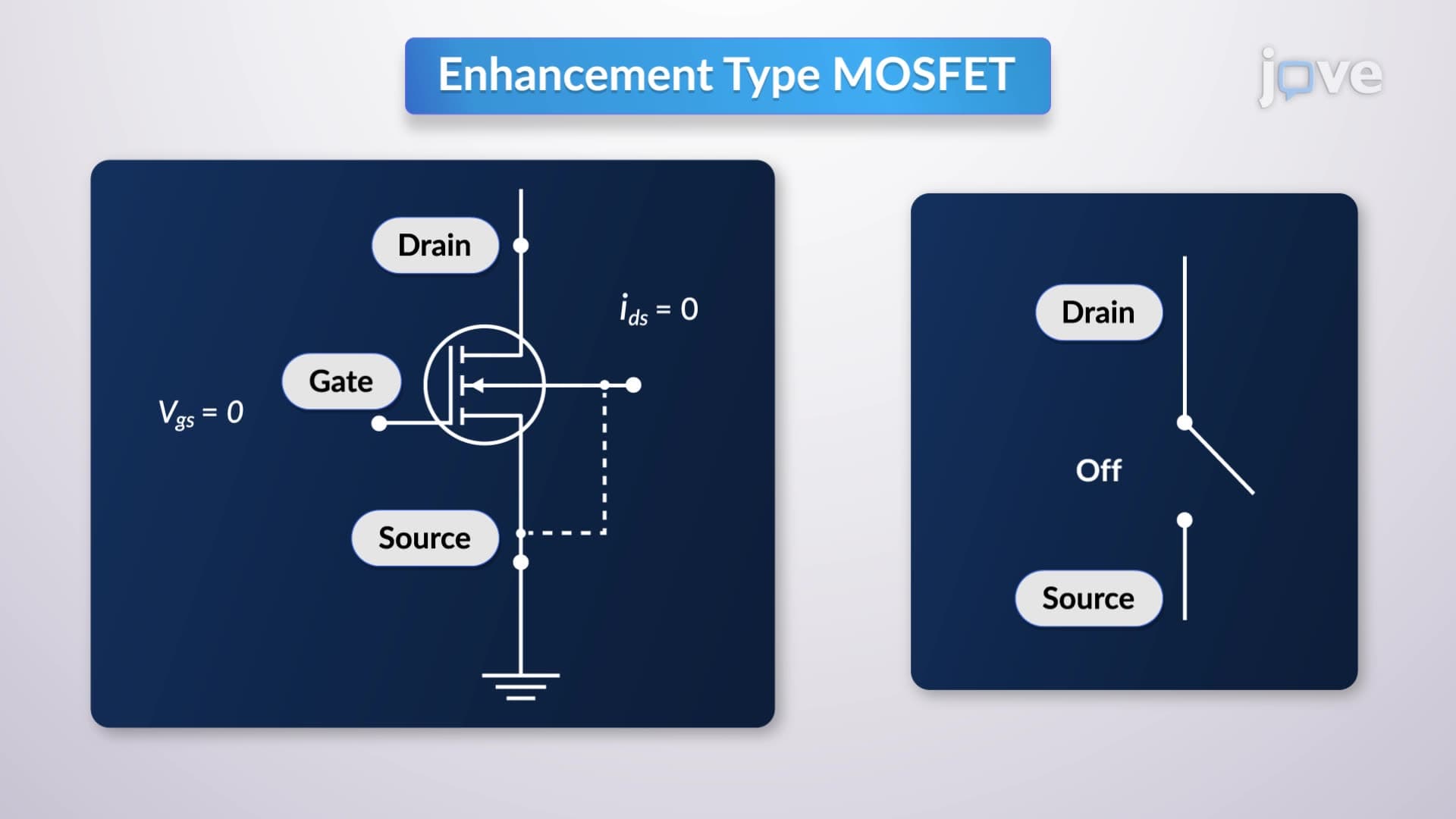

Video Summary: What Is Mosfet Enhancement Mode
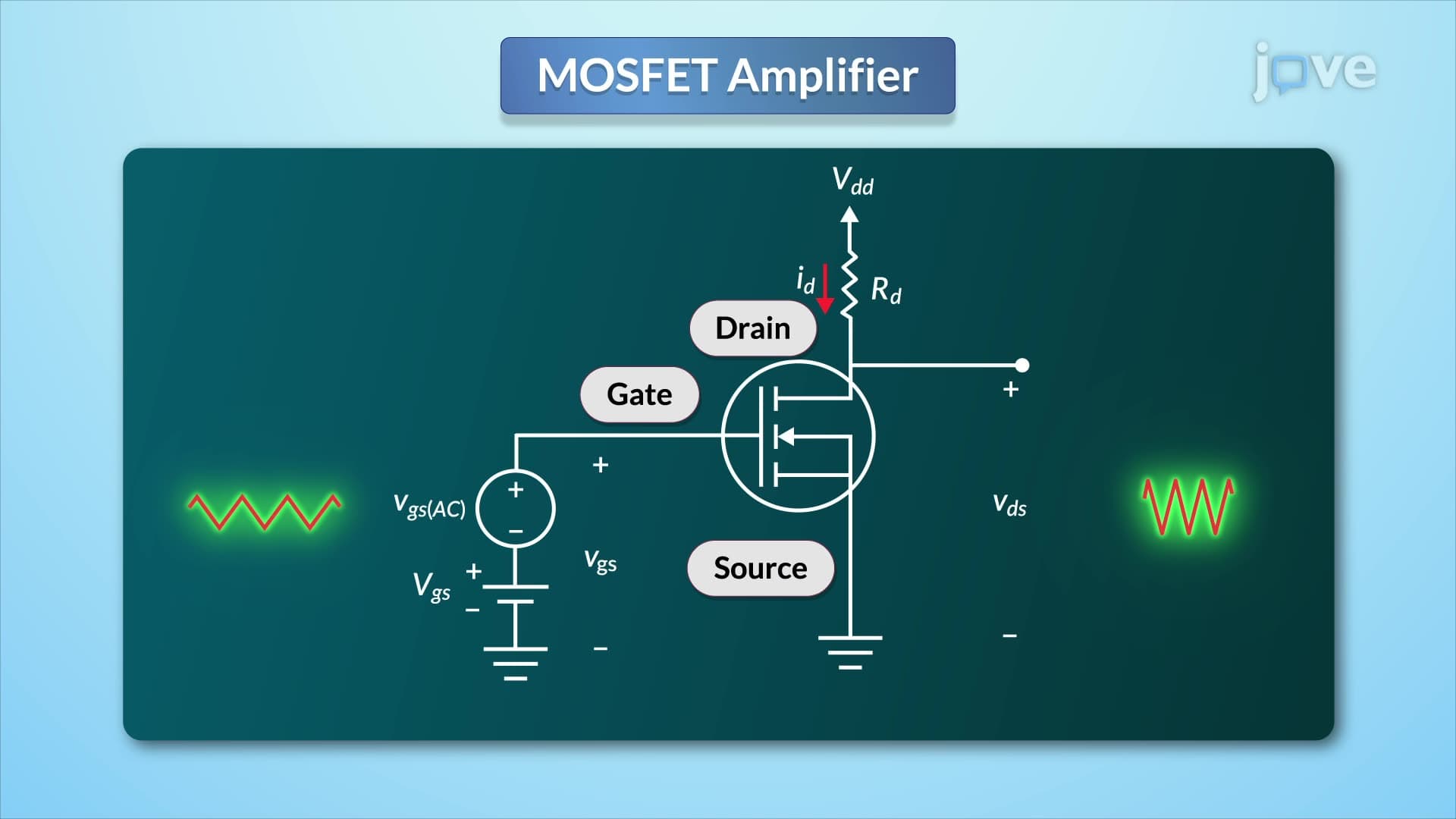
Ever wondered how your smartphone screen brightness adjusts instantly when you slide that control? MOSFET enhancement mode technology makes this seamless control possible in countless electronic devices. Unlike MOSFET depletion mode, enhancement mode MOSFETs remain completely off until a gate voltage is applied, making them ideal electronic switches. From LED dimmer switches in American homes to the logic gates powering Silicon Valley's semiconductor industry, these transistors control current flow with remarkable precision. Watch the full video on JoVE Coach to master this concept with expert-led visuals and step-by-step explanations.
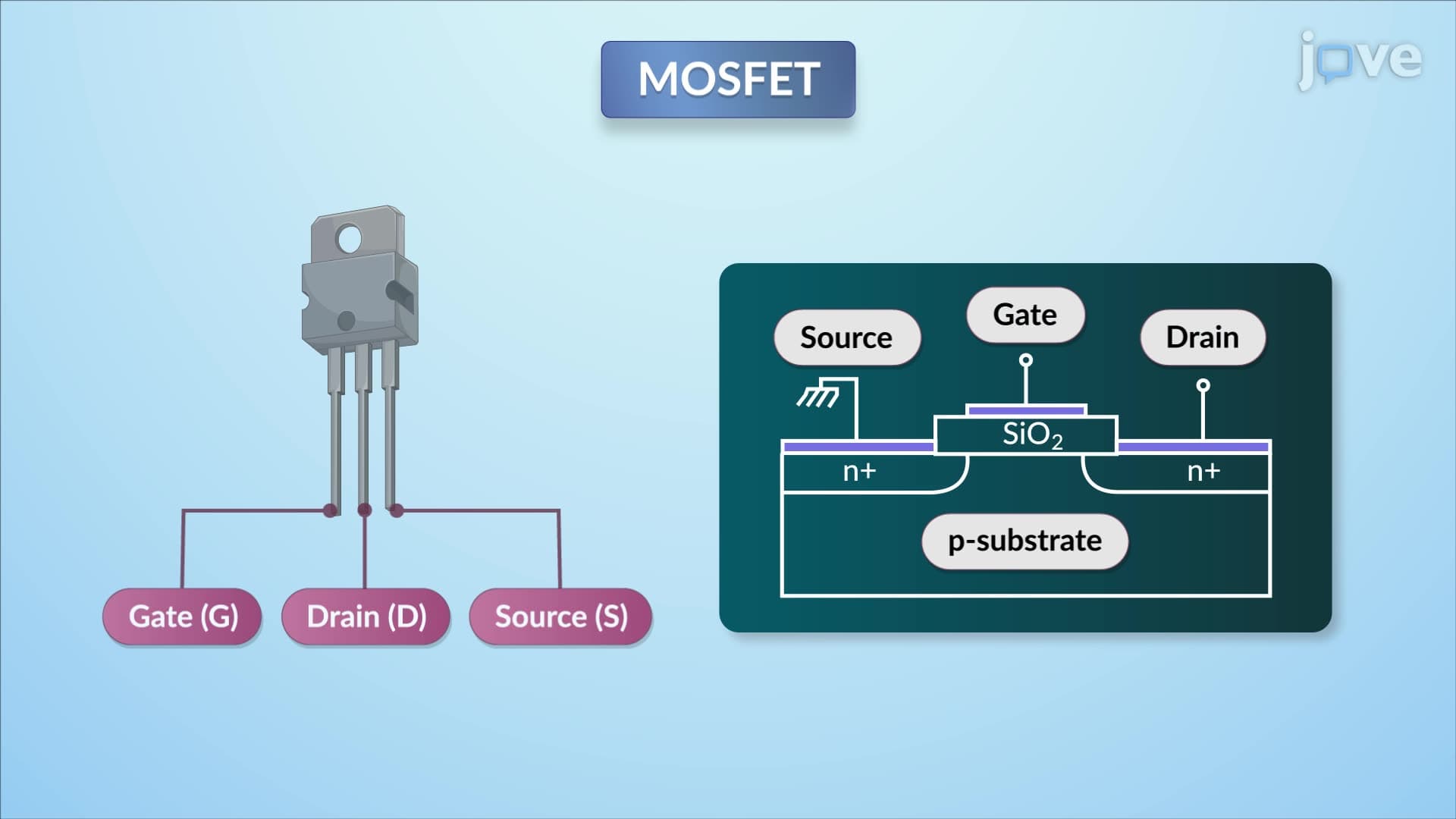
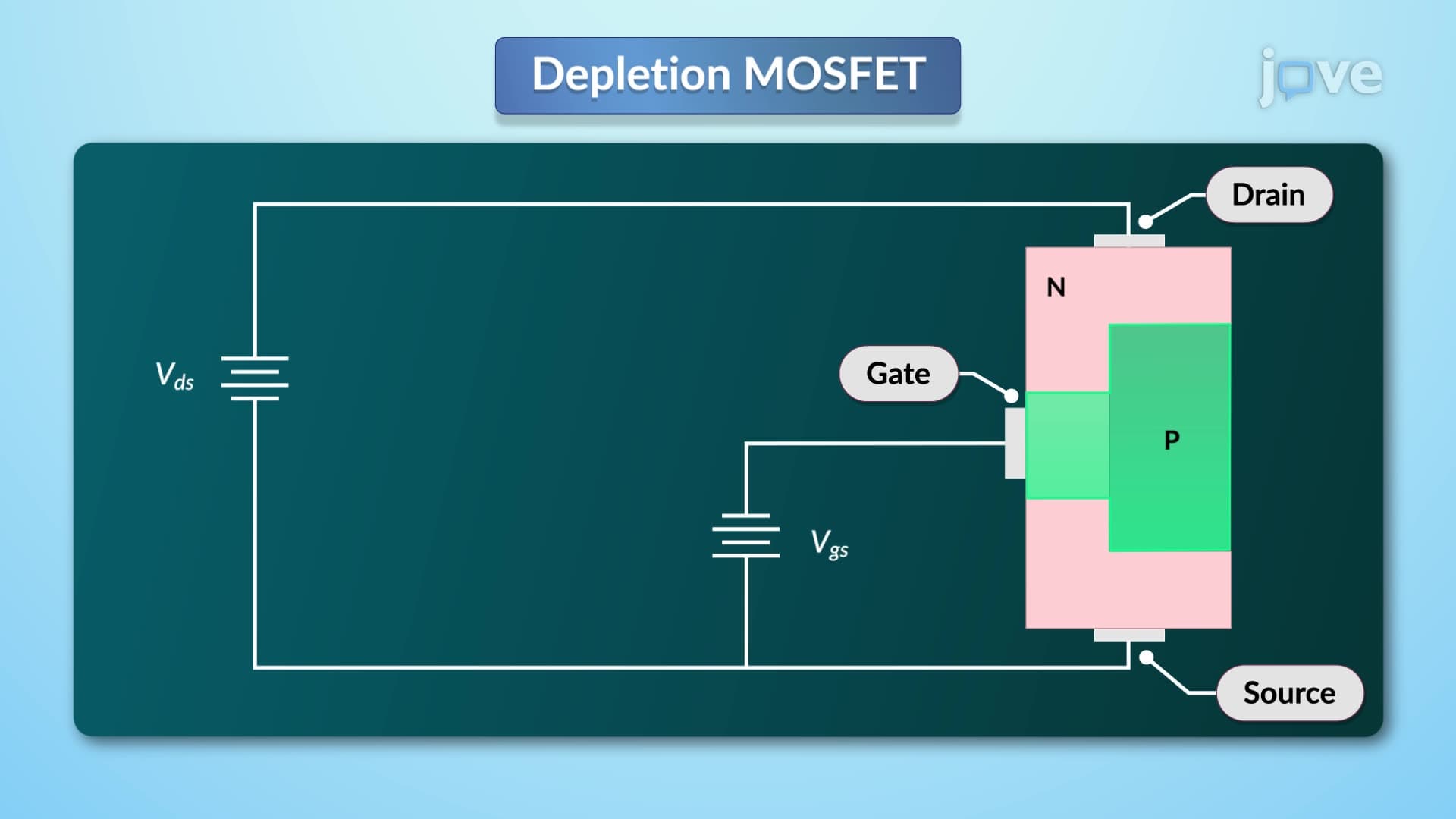
MOSFET enhancement mode represents one of the two primary operating modes for Metal-Oxide-Semiconductor Field-Effect Transistors, alongside depletion mode. In enhancement mode operation, the transistor acts as a normally-off switch, requiring an external voltage to create a conductive path between the drain and source terminals. This fundamental behavior makes enhancement mode MOSFETs invaluable in modern electronics, from the processors in American universities' computer labs to the power management systems in Tesla vehicles manufactured in Austin, Texas.
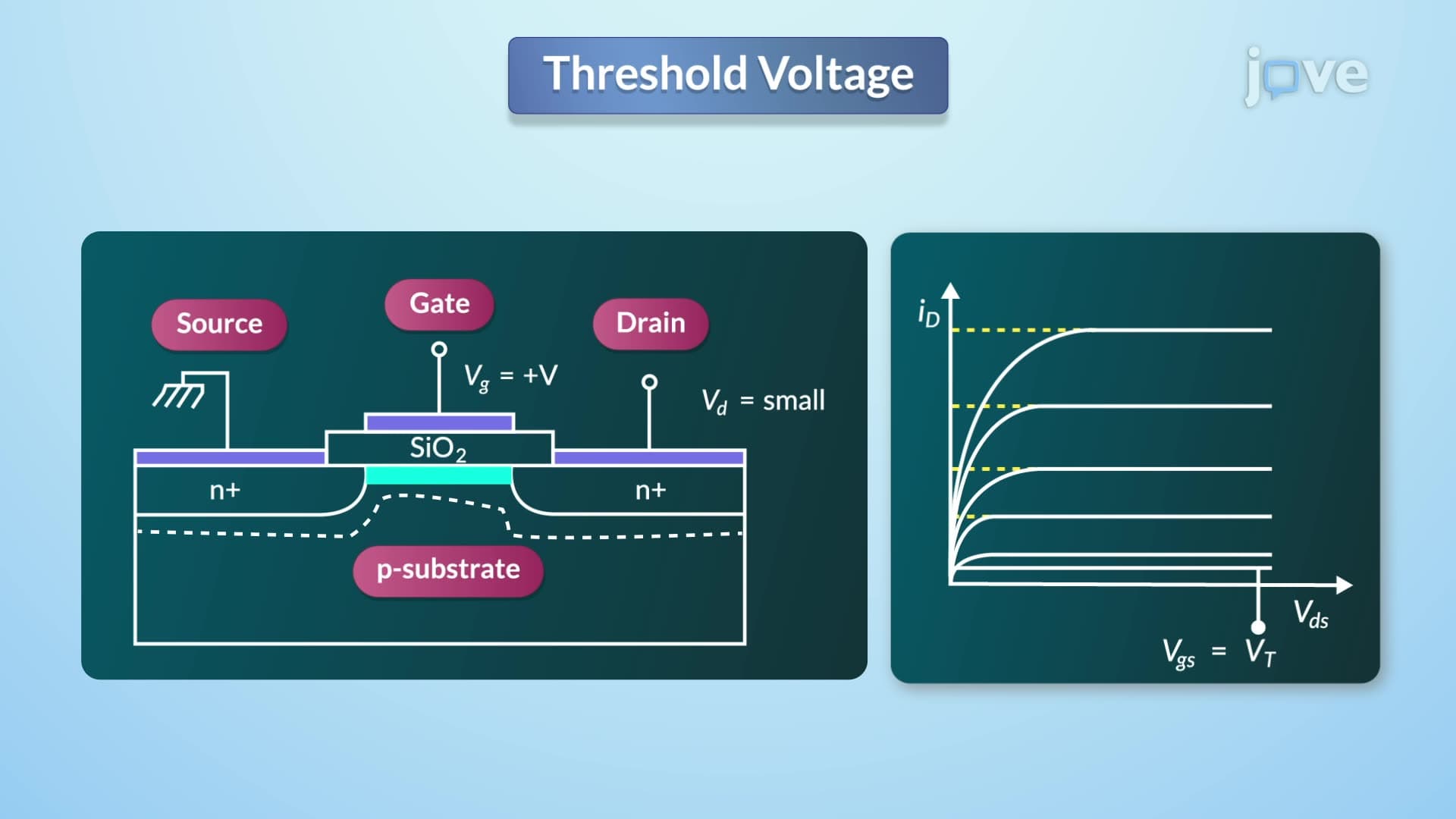
The defining characteristic of enhancement mode MOSFETs lies in their gate voltage requirements. When the gate-source voltage equals zero, no current flows between drain and source-the transistor is completely off. Applying a positive voltage to the gate (in n-channel devices) creates an electric field that attracts electrons from the semiconductor substrate toward the oxide layer. This process forms an "inversion layer" that acts as a conductive channel, enabling current flow. Students preparing for AP Physics or college-level electrical engineering courses should understand that increasing gate voltage proportionally increases drain current, following predictable mathematical relationships tested on exams like the Fundamentals of Engineering (FE) exam.
Enhancement mode MOSFETs excel as electronic switches due to their impressive electrical characteristics: extremely low ON resistance (often less than one milliohm), virtually infinite OFF resistance, and high input resistance that minimizes power consumption. These properties make them ideal for applications ranging from LED dimmer switches in residential lighting systems to the complex CMOS (Complementary Metal-Oxide-Semiconductor) logic gates powering everything from smartphones manufactured in Apple's facilities to the supercomputers at national laboratories like Sandia and Los Alamos.
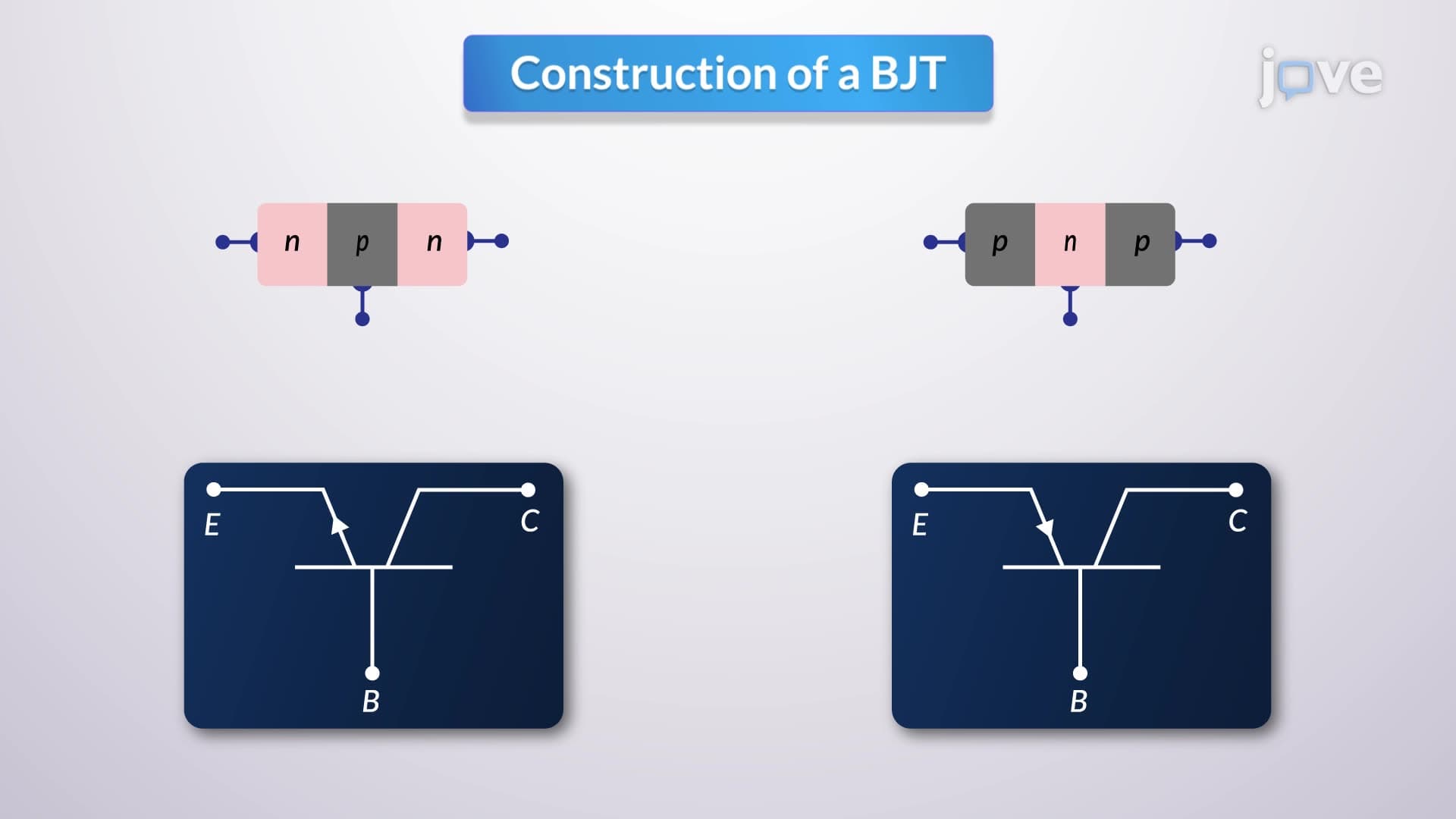
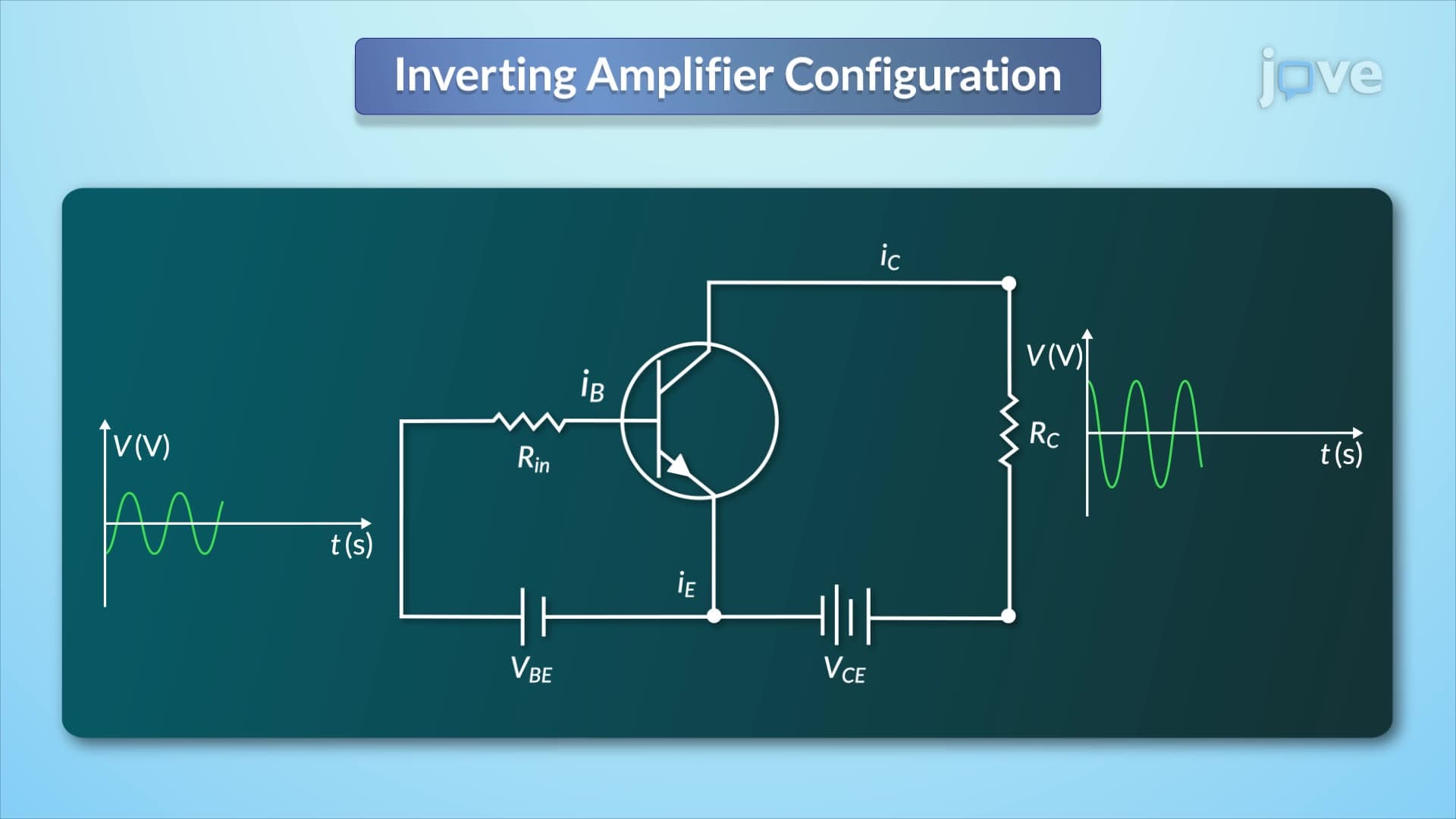
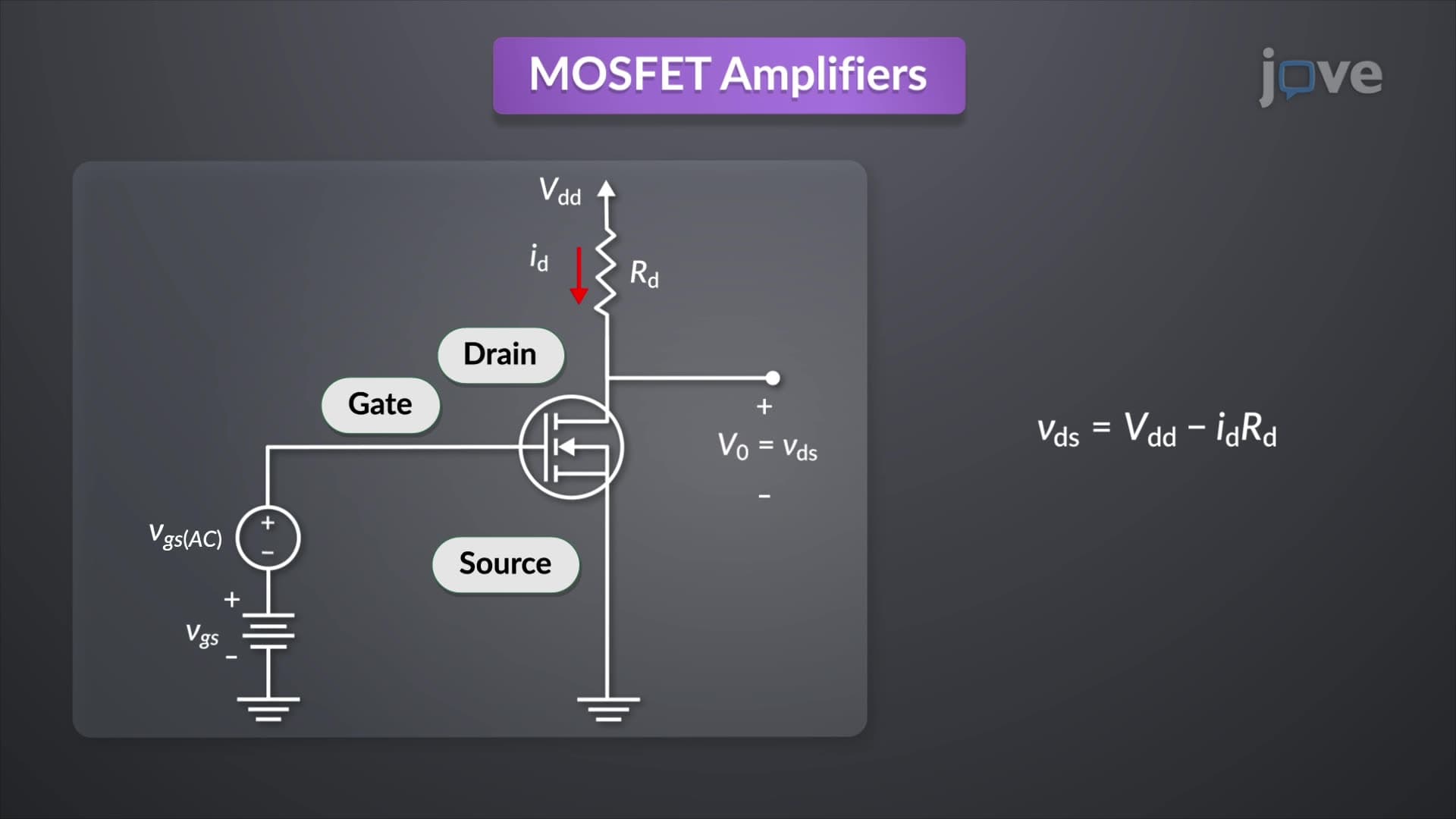
For students tackling circuit analysis problems on college midterms or standardized tests, enhancement mode MOSFETs present unique considerations. Unlike bipolar junction transistors that require base current, MOSFETs control large drain currents with minimal gate current, making them highly efficient. This voltage-controlled behavior simplifies circuit calculations while enabling sophisticated switching applications. Understanding enhancement mode operation proves essential for advanced coursework in digital electronics, power systems, and integrated circuit design-knowledge that directly applies to internships at companies like Intel, AMD, or Texas Instruments.
Related Micro-courses