Loading video…


 20 Concepts
 16.9K views

Video Summary: What are Bjt Amplifiers
Ever wondered how your smartphone amplifies weak radio signals into clear audio? Small signal analysis of bjt amplifiers is the key engineering principle behind this everyday technology. The concept of small signal analysis of bjt amplifiers involves understanding how bipolar junction transistors operate in their linear region to amplify weak signals while maintaining signal fidelity. Companies like Texas Instruments rely on these principles to design amplifier circuits found in everything from hearing aids to satellite communication systems. Watch the full video on JoVE Coach to master this concept with expert-led visuals and step-by-step explanations.
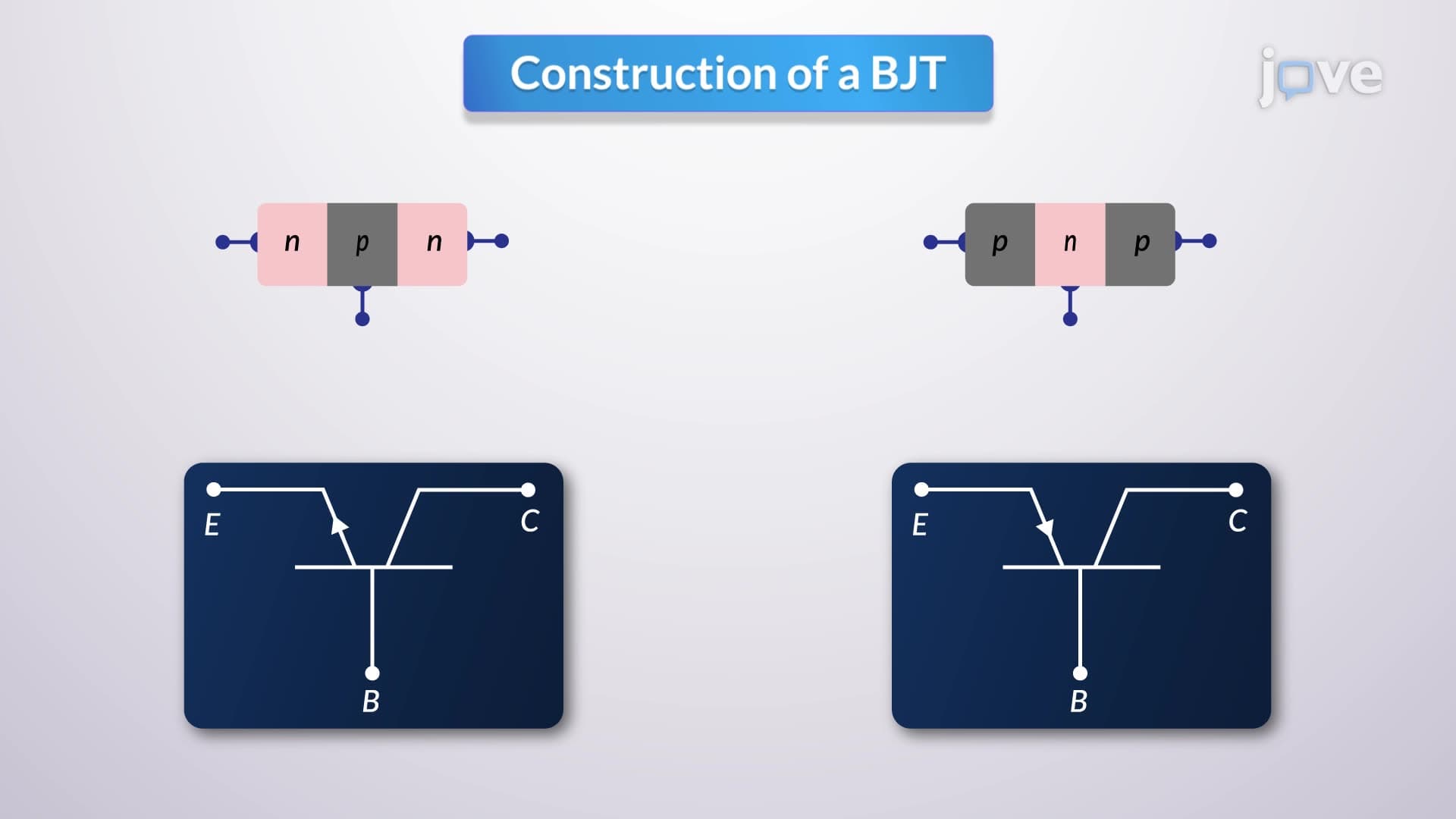
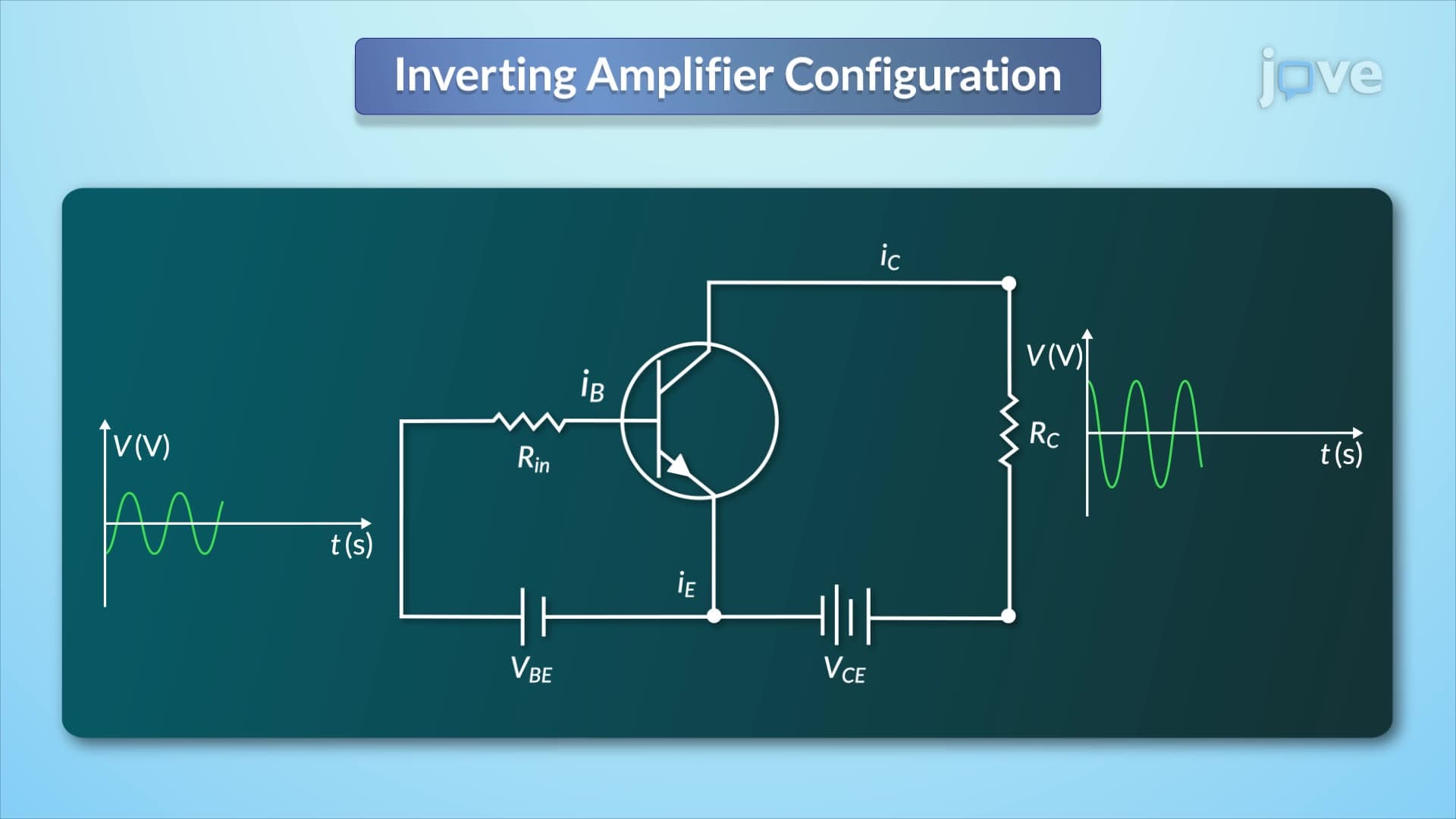
BJT amplifiers represent one of the most fundamental building blocks in modern electronics, serving as the backbone for signal amplification in countless devices. A bipolar junction transistor (BJT) functions as an amplifier by using a small input signal at the base terminal to control a much larger output signal at the collector terminal. This amplification capability makes BJT amplifiers essential components in audio equipment, radio frequency circuits, and sensor interfaces found throughout American technology infrastructure.
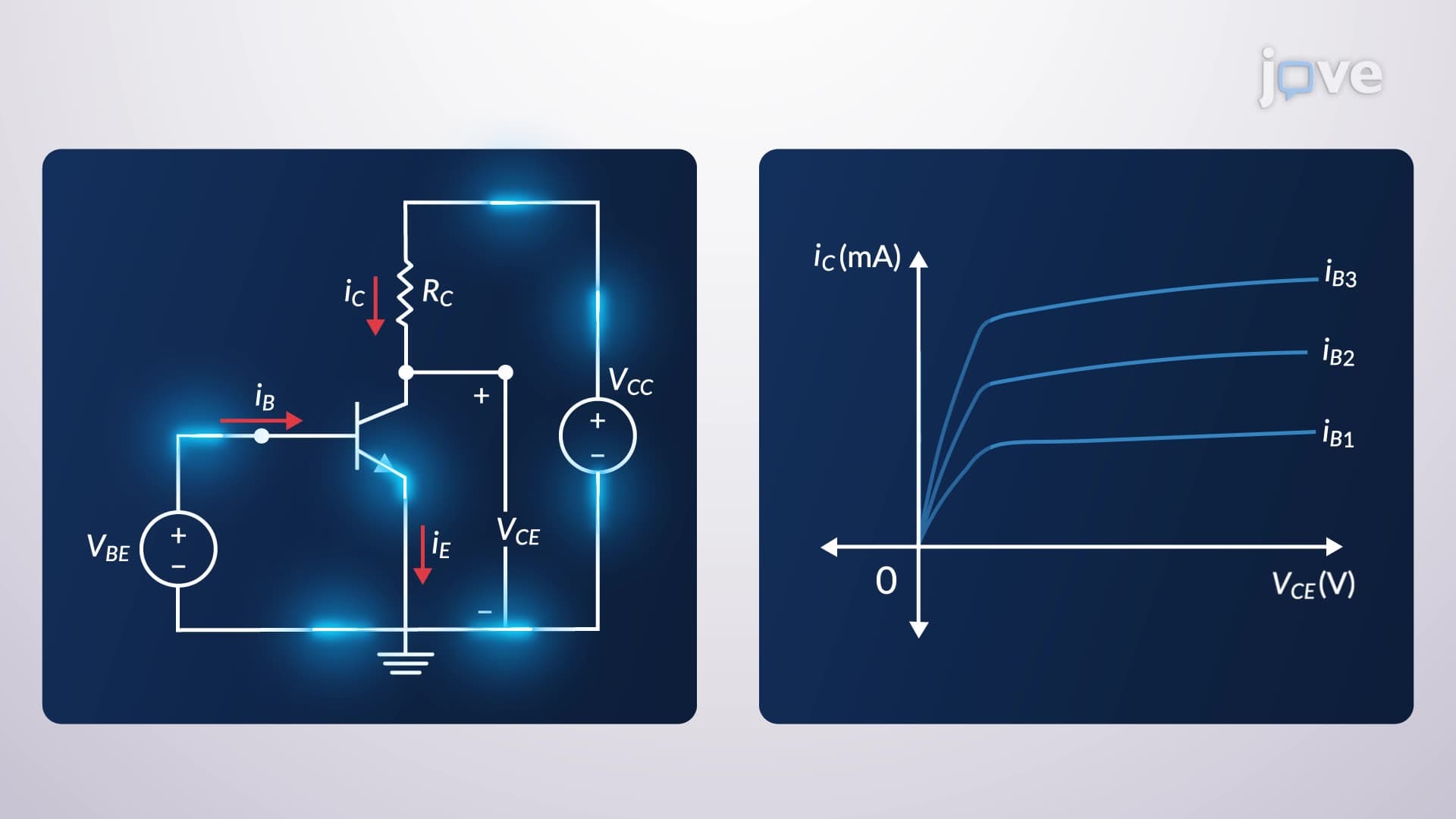
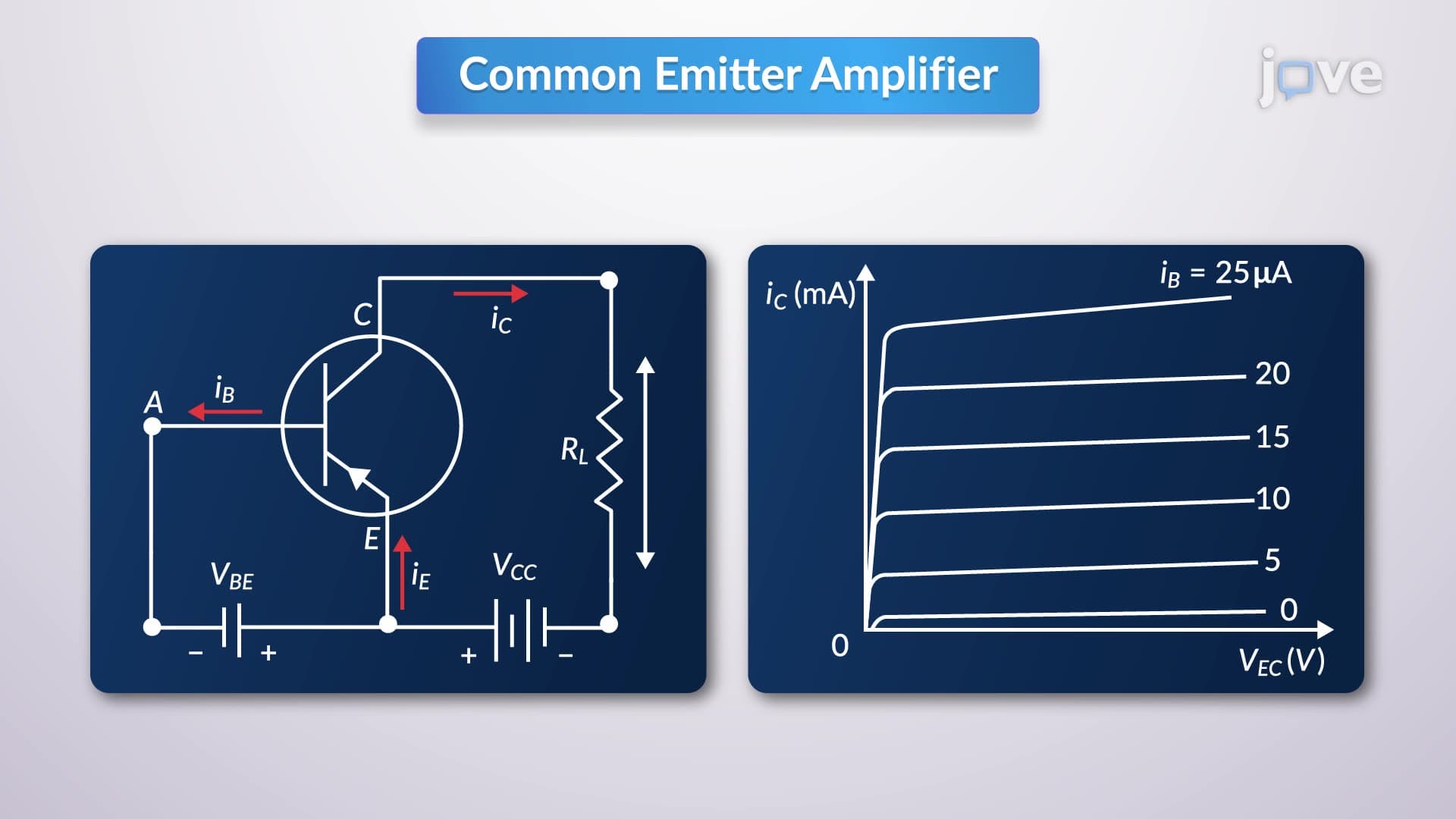
BJT transistors operate in three distinct regions: cutoff, active, and saturation. For amplification purposes, the active region is paramount because it provides the linear relationship between input and output signals necessary for faithful signal reproduction. In this region, the base-emitter junction remains forward-biased while the base-collector junction stays reverse-biased. Students preparing for AP Physics or college-level electronics courses should focus on understanding how proper biasing keeps the transistor in this active region, as this concept frequently appears on standardized exams and laboratory practical assessments.
The voltage-transfer characteristic curve illustrates the relationship between input base voltage and output collector voltage, revealing the amplifier's gain properties. The quiescent point (Q-point) represents the DC operating point where the transistor rests without any AC input signal. Proper Q-point selection ensures the transistor operates in the most linear portion of its characteristic curve, maximizing amplification while minimizing distortion. Engineering programs at institutions like MIT and Stanford emphasize mastering Q-point analysis because it directly impacts amplifier performance in practical circuit designs.
Small signal analysis examines how tiny AC variations around the DC operating point get amplified. When a small time-varying signal superimposes on the DC bias voltage, the transistor operates within a narrow, nearly linear segment of its characteristic curve. This linear operation produces an amplified output that maintains the original signal's shape while increasing its amplitude. Companies like Analog Devices and Linear Technology utilize these principles to create precision amplifiers for medical devices, automotive sensors, and industrial control systems that require high fidelity signal processing.
Related Micro-courses